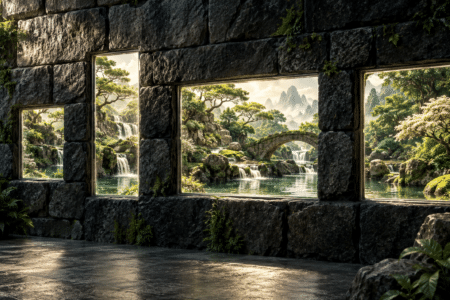
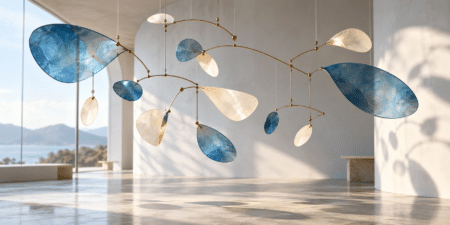
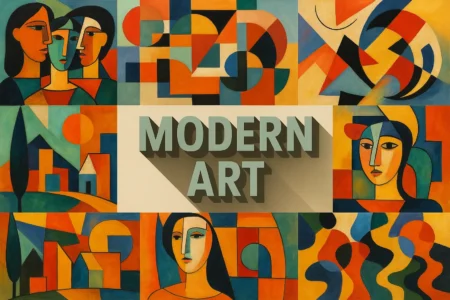
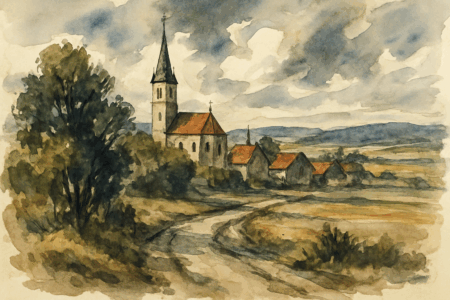
Art Styles: A Visual Guide for AI Art
Explore art styles, painting techniques, photography approaches, digital aesthetics, and original AOI experiments. Use this visual art style database to find a look, understand its defining features, and turn an idea into a more deliberate AI art prompt.
A style name is a starting point. The useful work begins when you can say what happens to the light, the edges, the space. “Make it artistic” is a request I would return to Management with a red pencil.
Start here: Browse the A–Z directory · Read Penny’s Art Style Diary
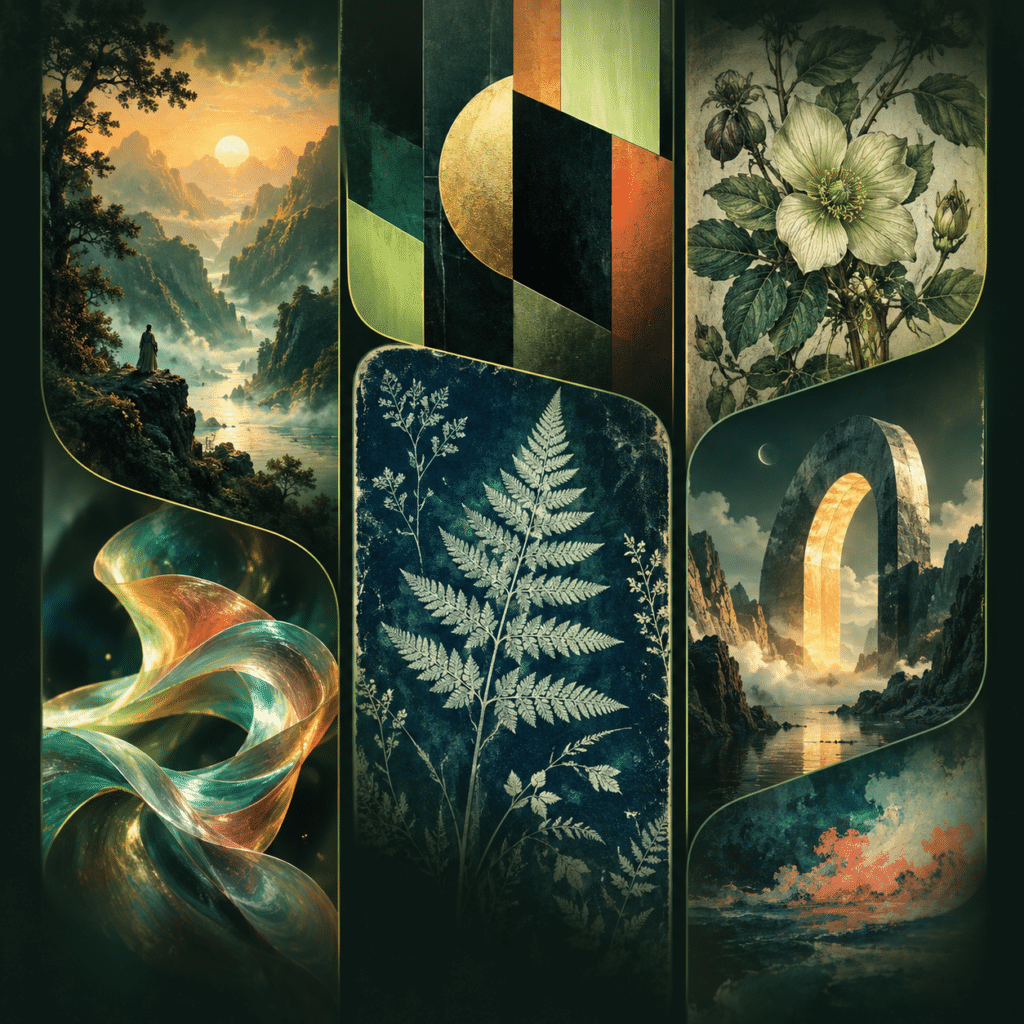
PREFER TO EXPLORE BY EYE?
Meet the Art Stream.
A moving gallery of styles, with room for your favorites.
Guide by Mrs. Penny Wraiter · Updated 3 October 2026
Choose a style: movements, techniques, and selected links
What counts as an art style?
An art style is a recognizable way of making or organizing an image: its marks, shapes, color, composition, and treatment of space. This directory deliberately casts a wider net. Knowing which kind of entry you have found makes it much more useful.
- Historical movements have people, places, ideas, and a documented history behind them. Impressionism, Cubism, and Surrealism belong here; they are more than collections of visual effects.
- Media and techniques describe materials or methods. Watercolor is a medium; a photographic approach concerns how a scene is observed or constructed. Neither needs to be a movement to be worth studying.
- Digital aesthetics and fictional references can describe a visual language, a production method, or the look of an imagined world. These categories can overlap.
- Original AOI concepts are invented creative briefs. Treat their names as invitations to experiment, not as evidence that an art historian has misplaced an entire school of painting.
The archive also contains artists, subjects, and broad cultural labels. A continent or a nationality is not one visual style. Narrow your research to a particular tradition, period, maker, or technique, and read the entry’s context before borrowing its vocabulary.
Choose an art style by what you want to see
Start with the visual decision you need to make. These selected routes lead into the larger directory; they are starting points, not a ranking.
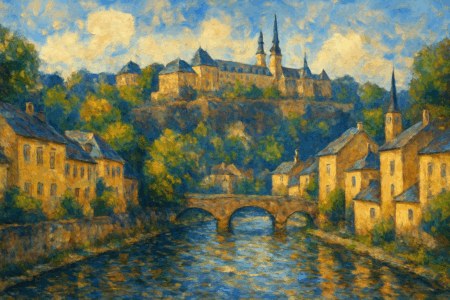
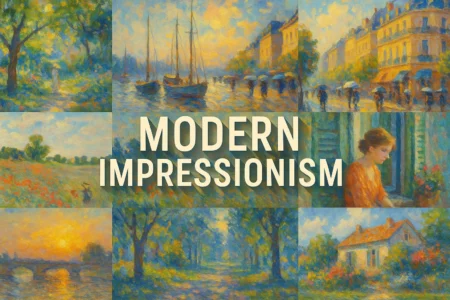
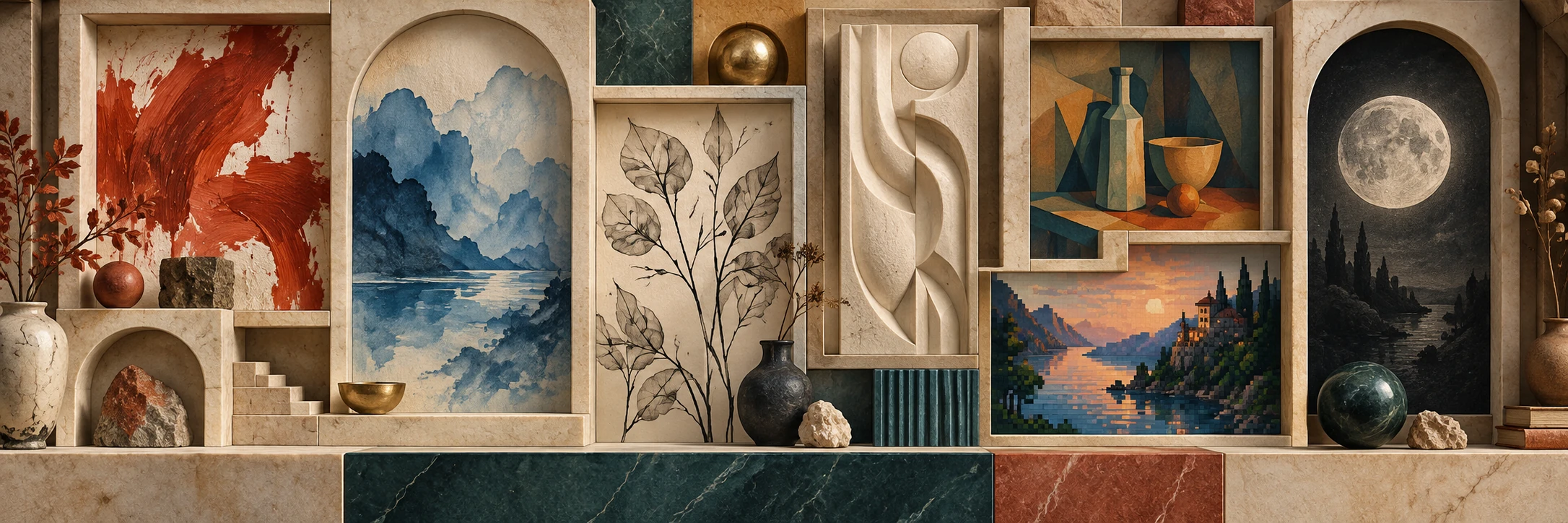
- Light and everyday scenes: Impressionism for broken brushwork and shifting color. The movement’s relationship to modern life matters as much as the lovely sunlight.
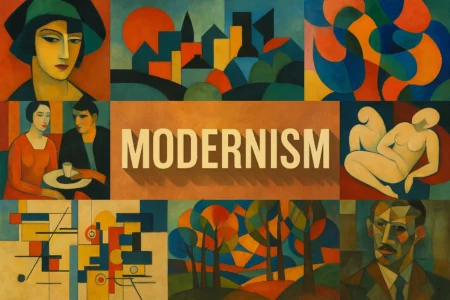
- Fragmented space and geometry: Cubism for objects broken into planes and viewed from competing angles. Use it to rethink the arrangement of a still life.
- Dreams and unexpected relationships: Surrealism for imagery that unsettles ordinary logic. Give the impossibility a purpose; merely adding a floating teapot is a modest ambition.
- Paint and paper: Watercolor Painting or Pencil and Watercolor when your brief calls for washes, drawn edges, and visible paper.
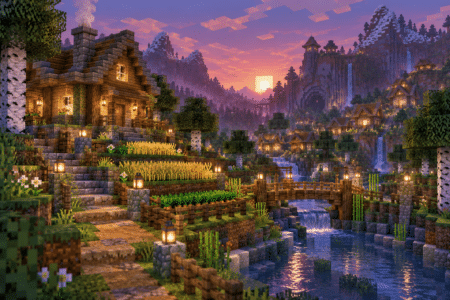
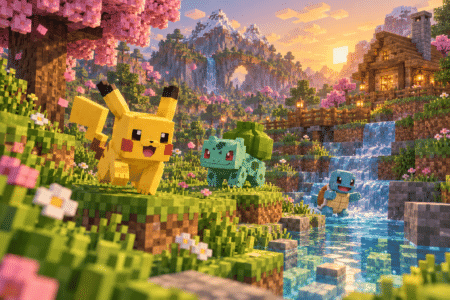
- Digital construction: Pixel Art for a deliberately visible pixel grid, or Isometric Pixel Art for structured scenes with an isometric view.
- Observed moments: Candid Photography for an approach built around unposed situations. An AI-generated image with that appearance is still an illustration, not a record of a real event.
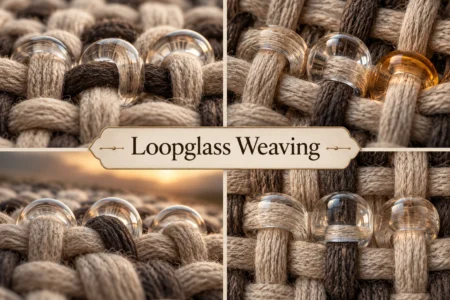
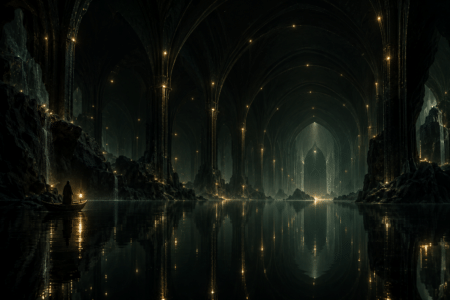
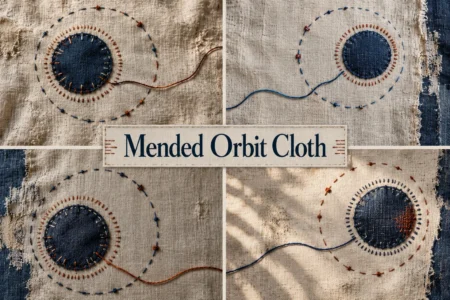
- An invented visual rule: Night Ledger Reflections, an original AOI concept, arranges light across dark glass like interrupted ledger entries. Describe that rule explicitly when prompting.
For the historical background behind the first three routes, see The Metropolitan Museum of Art’s essays on Impressionism and modern life, Cubism, and Surrealism. The practical suggestions here are editorial interpretations, not definitions of everything those movements contain.
Write a more deliberate AI art prompt
How to turn a style into an AI art prompt
My working recipe is simple: subject + composition + medium or style + visible qualities + constraints. Decide what deserves attention and what should stay quiet. A small number of specific choices gives you something to evaluate; a paragraph of applause for your own imagined masterpiece does not.
The following are original, untested prompt examples. Expand one and adapt it to your image tool. Results vary with the model and settings; these are creative briefs, not promises of a particular output.
Starting point: light and brushwork
Create an Impressionism-inspired painting of a riverside café in early morning. Place two empty chairs in the foreground and keep the distant bank loose. Use short, broken brushstrokes, pale blue shadows, and warm light reflected on the water. Keep the scene quiet and the palette restrained.
Richer composition: a still life in planes
Create a Cubism-inspired still life of a violin, a pear, and a folded newspaper on a small table. Show overlapping views through interlocking planes in ochre, charcoal, and muted blue. Keep a few recognizable contours so the objects remain discoverable. Use shallow pictorial space and avoid photorealistic depth.
Experiment: one impossible relationship
Create a surreal illustration of a small library at dusk. Between two ordinary bookshelves, a staircase descends into a calm sea. Keep the books, shelves, and floorboards precise; let the water carry the single impossible event. Use cool blue shadows and one amber reading lamp. Leave generous quiet space around the staircase.
Compare versions using the same subject. Change one major choice at a time: palette, viewpoint, edge treatment, or lighting. Where your tool exposes repeatable settings, record them. Judge the actual image against your brief, and rewrite the part that failed. If an invented style name produces little of interest, replace the name with its visual rules.
Common questions about the art style database
Questions about art styles and this directory
Are all the styles in this list established art movements?
No. The directory combines documented movements, techniques, media, subjects, cultural references, and fictional or experimental concepts. Read each entry’s explanation and sources. Inclusion in a database is not historical certification. Nor, regrettably, is a confident font.
Which art style should a beginner try first?
For a useful comparison, keep one simple subject—a cup, a tree, or a street corner—and try three different treatments. I suggest starting with light and brushwork, geometric planes, and a limited pixel grid. These give you visible differences to examine without changing the subject every time.
Can I combine two styles in a prompt?
Yes. Assign each one a job: watercolor-like washes for the color, for example, and pencil lines for the structure. If the result becomes muddled, simplify the brief and make the dominant treatment explicit.
Is this a complete list of every art style?
No directory can sensibly promise that. This is a growing working archive, with unevenly detailed entries and some overlapping names. Use it for discovery, then follow sources for historical research. Generated examples illustrate possibilities; they are not documentary evidence of a movement’s original artworks.
Browse the full art style directory A–Z
Open a title or thumbnail to visit its entry. The directory is alphabetized and split across pages; use the numbered navigation or Next Page above and below the grid. The site search in the header can help locate a known term across Art of AI. Your browser’s Find command searches only the currently loaded page.
Find a visual idea worth pursuing. Then make choices. The machine has enough adjectives already.