
Underground visual art movement
Lowbrow brings the visual languages of underground comics, custom cars and popular entertainment into ambitious figurative art. Exaggeration and irreverence work alongside careful craft, often turning a familiar scene into an uneasy visual joke.
A visual introduction
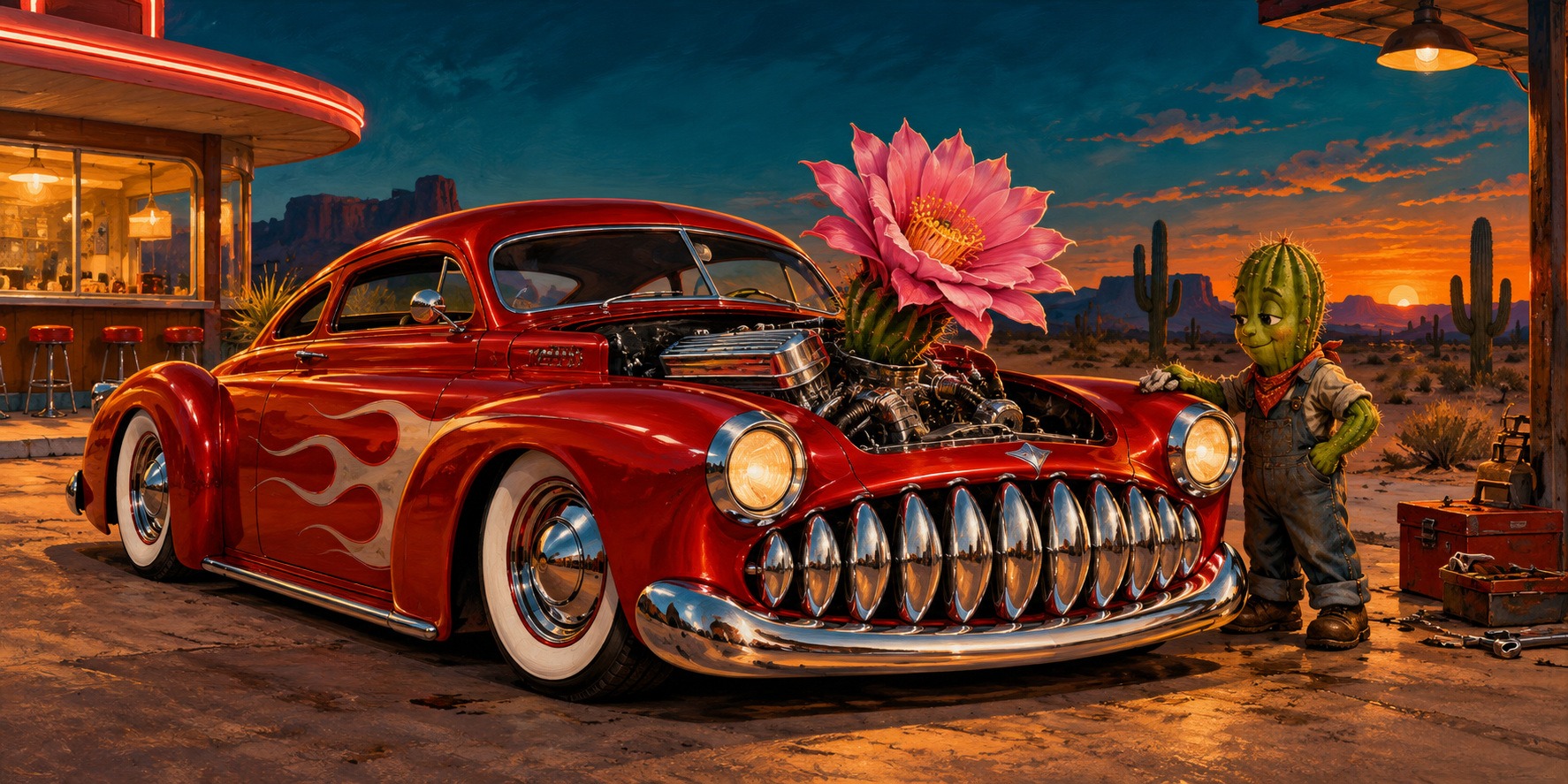
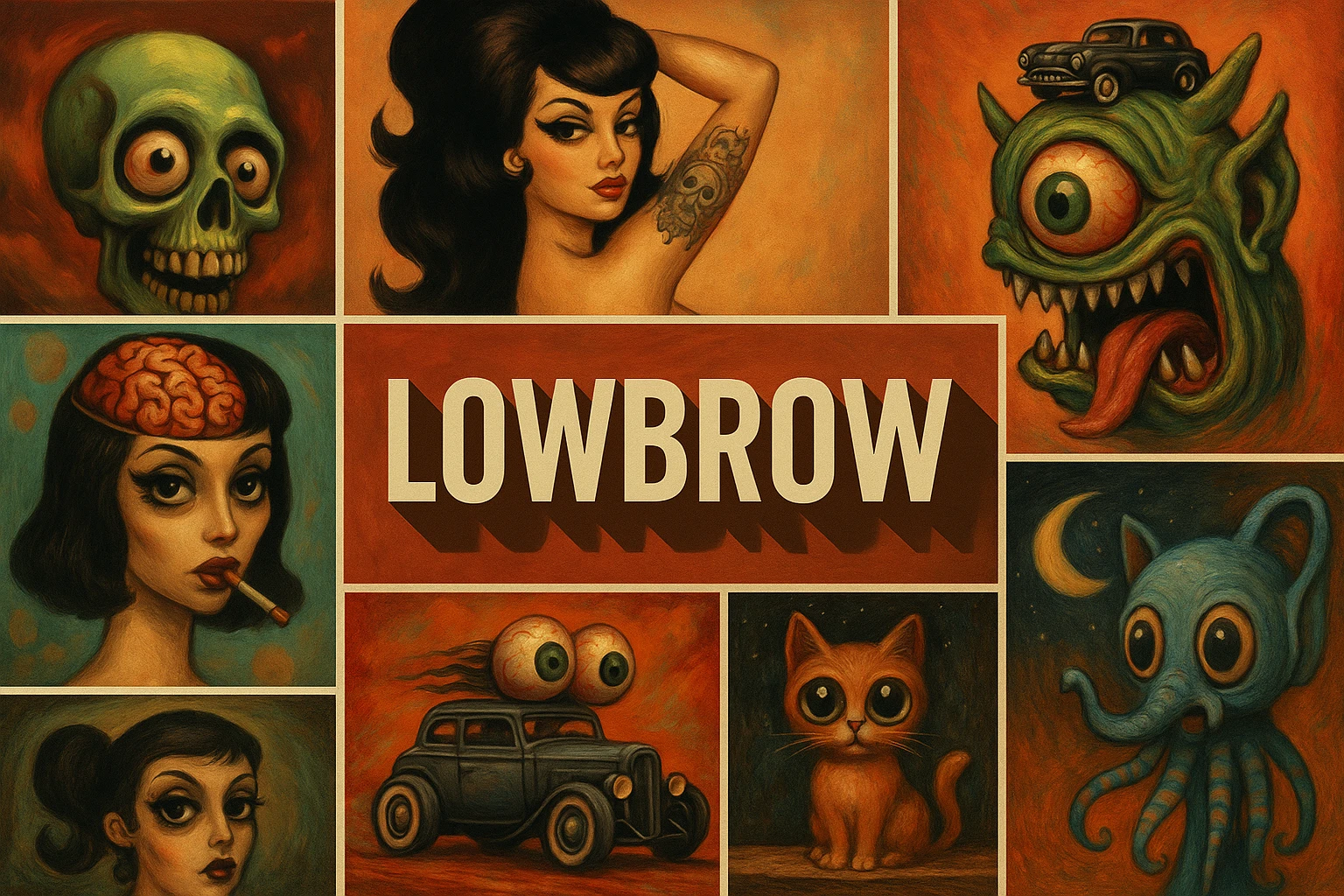
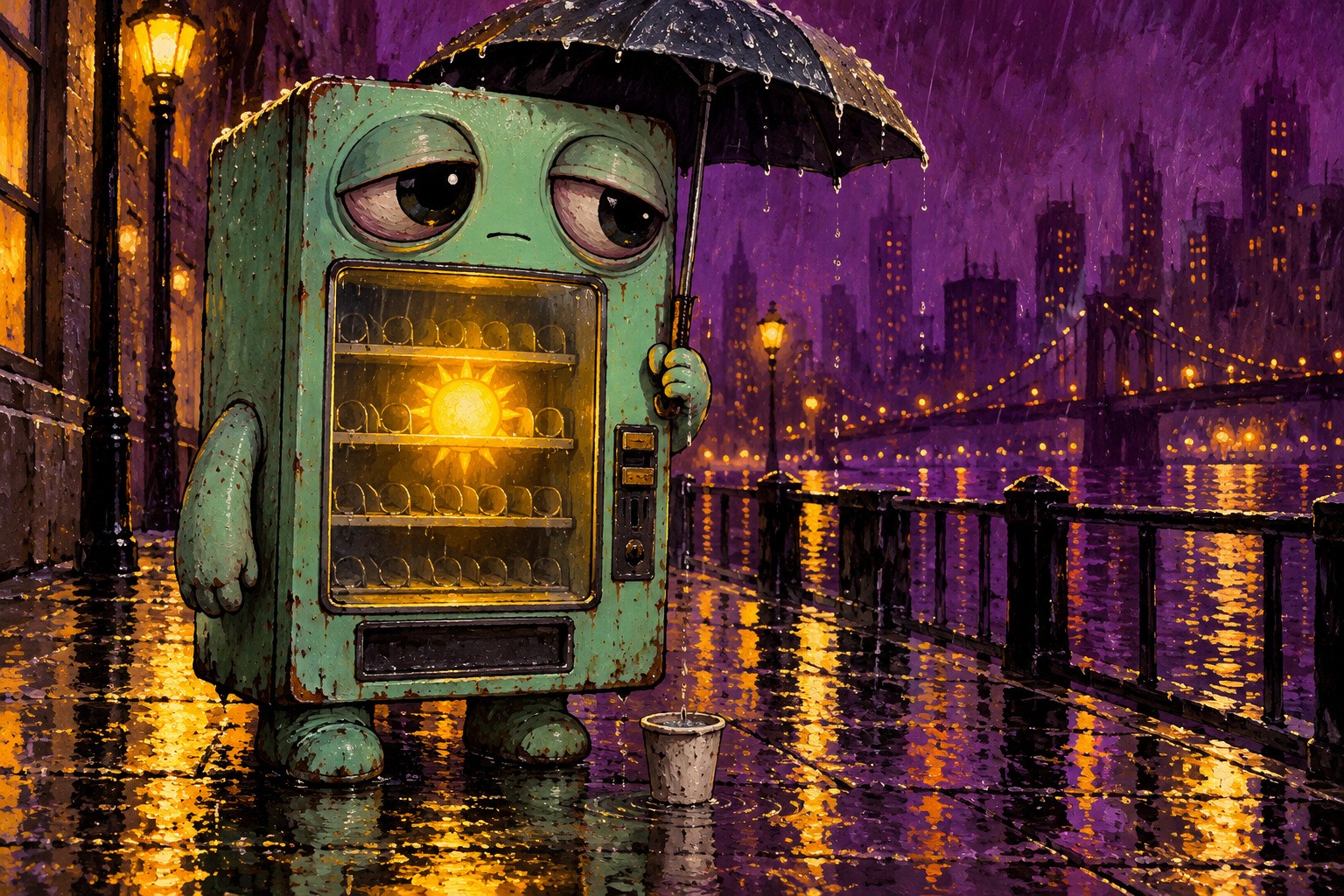
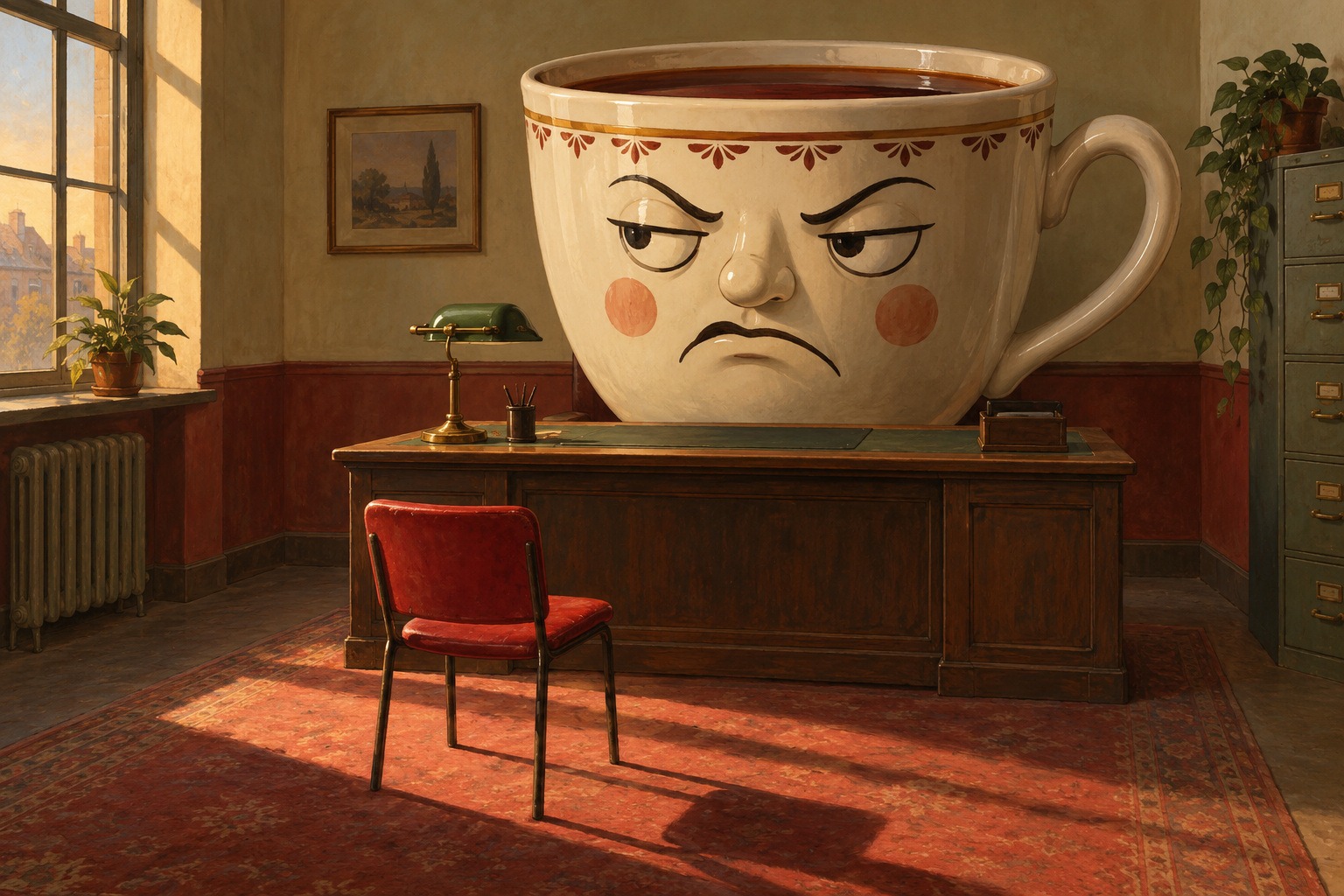
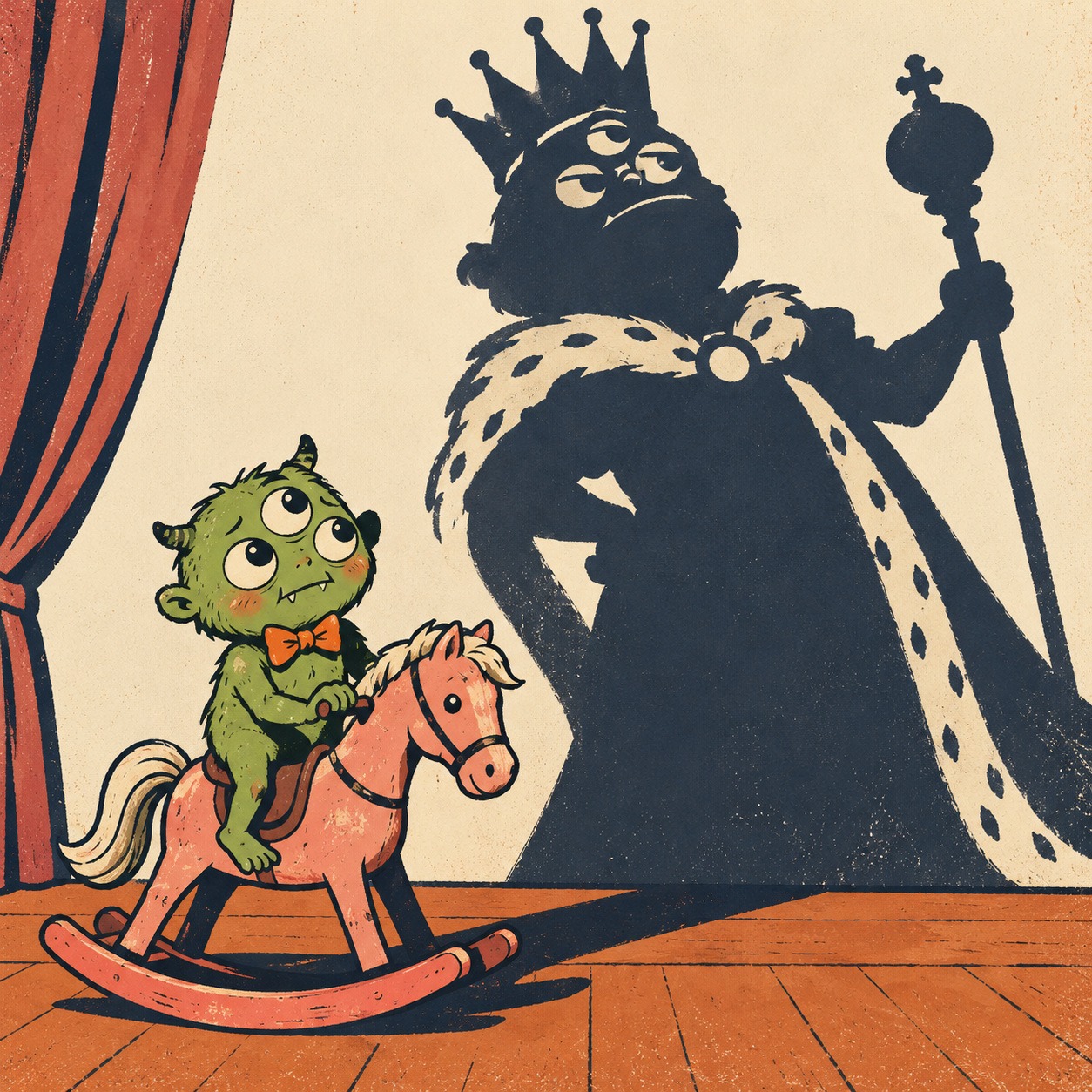
Five distinct images compare Lowbrow’s visual vocabulary with original narrative studies: custom-car humor, an exhausted machine, an oversized office authority and a small monster with grand ambitions. Generated studies are contemporary interpretations, not historical reproductions.
Select an image for a closer look. Use the thumbnails, arrow keys or a swipe to compare examples. Zoom in to inspect details, or share the image that inspires you.
Creative toolbox · take this style further
Choose an input and a destination. Search sends your words to the chosen site; Copy & open puts them on your clipboard to paste there.
Create with AI
Turn your chosen input into an image prompt or a new creative direction.
ChatGPT
Copy your input and paste it into a ChatGPT conversation or image request.
Copy & open ChatGPT (new tab)Claude · Anthropic
Develop an image prompt or explore the style in a new Claude conversation.
Copy & open Claude · Anthropic (new tab)Midjourney
Paste your input into the Imagine bar on the Create page.
Copy & open Midjourney (new tab)Adobe Firefly
Copy your input, open Firefly, and paste it into the prompt field.
Copy & open Adobe Firefly (new tab)Leonardo.Ai
Copy your input, open Leonardo, and paste it into the generation field.
Copy & open Leonardo.Ai (new tab)Image search
Find visual references. Short, concrete keywords usually work best.
Lexica
Search AI images and prompts using your selected input.
Search with this input Lexica (new tab)Pexels
Search the photo and video library. Short keywords often work best.
Search with this input Pexels (new tab)Pixabay
Search photos, illustrations and other images.
Search with this input Pixabay (new tab)Unsplash
Search photographs using the style name or your own keywords.
Search with this input Unsplash (new tab)Wikimedia Commons
Search photographs, artworks and historical images. Check each file for its source and reuse terms.
Search with this input Wikimedia Commons (new tab)Art & research
Explore artists, collections and the ideas behind a style.
Wikipedia
Search for background reading. A style may not have its own article.
Search with this input Wikipedia (new tab)WikiArt
Copy your input into WikiArt’s search to explore artists and artworks.
Copy & open WikiArt (new tab)Europeana
Paste your keywords into the search to explore European museum, library and archive collections.
Copy & open Europeana (new tab)Inspiration
Discover portfolios and visual ideas from creative communities.
Instagram hashtags
Search a hashtag made from your input: spaces and punctuation are removed. Instagram may require sign-in.
Search with this input Instagram hashtags (new tab)ArtStation
Paste your input into artwork search for concept art, environments, characters and visual development.
Copy & open ArtStation (new tab)Behance
Paste your input into project search for illustration, design and visual storytelling.
Copy & open Behance (new tab)A closer look
Strong silhouettes, elastic cartoon anatomy, polished modeling and unexpected scale make absurd narratives readable. Saturated accents, crisp contours and clashes between cute and grotesque can intensify the effect, but no single motif or palette defines the field.
An underground label, not a quality rating
Lowbrow describes an art scene and visual attitude associated especially with Californian underground culture. The name is deliberately provocative; it does not mean poor workmanship, low intelligence or a social class. Comics, custom-car graphics and other popular forms supply a vocabulary that can be transformed into carefully made paintings. The resulting image may be funny, anxious, abrasive or tender. Its accessibility does not make its meaning automatic.
A useful starting point is the tension between ordinary recognition and extraordinary behavior. A car can acquire a predatory grin; a household appliance can look exhausted; an idyllic street can obey impossible physics. What matters is how the alteration directs attention and changes the scene’s emotional or social meaning. A pile of unrelated weird objects is not a substitute for that relationship.
Robert Williams and the historical context
The LSU Museum of Art’s Slang Aesthetics exhibition places Robert Williams within 1960s counterculture, hot-rod Kustom Kulture and underground comics. It records his work with Ed Roth in 1965, participation in Zap Comix in the late 1960s, adoption of the lowbrow label in 1979, and founding of Juxtapoz in 1994. These are useful milestones in a broader network, not evidence that every later artist shares a single program.
The Whitney Museum’s 2010 Biennial entry emphasizes the combination of meticulous technique with Californian vernacular imagery. Its documented example, Astrophysically Modified Real Estate (2009), is watercolor on paper: the approach is not confined to oil painting. In a 2017 interview, Williams also rejected Pop Surrealism as a precise description of his own practice. The terms overlap in usage, but should not be treated as interchangeable labels for every artist.
Make the impossible readable
Begin with a strong silhouette and one main contradiction. Give the viewer enough conventional space, anatomy or material detail to understand what has changed. A familiar street establishes scale; a carefully shaded chrome bumper makes an absurd facial expression convincing. Let supporting details reinforce the central event instead of competing with it. The visual punchline should survive when the image is reduced to a thumbnail.
Contour and modeling can pull in different directions productively. A bold comic outline can surround a softly shaded volume; a toy-like character can inhabit a deep, atmospheric setting. Use saturated color selectively. Cherry red against dark turquoise suggests a different mood from mint green against plum and yellow. Neither combination is compulsory. Repeated accents can connect distant forms, while quieter intervals prevent a crowded picture from becoming unreadable.
Craft, humor and the neighboring styles
A polished surface can make an unruly subject more unsettling, while a rougher graphic treatment can make it feel immediate. Choose the handling to serve the story. Lowbrow overlaps with Pop Surrealism, illustration and other popular-image practices, but the labels do different historical work. Surrealism is not simply any strange picture, and Pop Art is not simply anything containing a cartoon. Identify the particular visual strategy before assigning a category.
Build an original prompt
Specify a character, a situation, one impossible relationship and a clear spatial arrangement. Then describe contours, material finish, palette and lighting. Original characters usually communicate more than a shopping list of familiar mascots. Examine generated results for accidental lettering, incoherent limbs and detail that obscures the joke. The studies here are contemporary AOI interpretations, not historical works or reconstructions. Use them to compare narrative decisions, not as proof of a uniform movement style.
About this guide
This AI-authored AOI guide appears under Penny Wraiter, AOI’s editorial persona. Sources support the historical context; exercises, prompts and poetry are original editorial interpretations. Image captions distinguish generated studies from documented works.
A small poetic detour
Original words from the AOI studio.
Poetry
The chrome smiles wider than the road,
A cactus checks the engine’s bloom;
A tired machine forgets its load
And rents the sun a little room.
The polished cup demands a chair,
The shadows file a quiet claim;
A painted joke can stop and stare,
Then leave the street no longer tame.
The prompt workshop
Original creative exercises. These prompts create new illustrations, not documentary evidence.
Begin with a visual joke
Original Lowbrow illustration: an exhausted mint-green vending machine shelters beneath an umbrella, its empty window containing one tiny glowing sun. Rainy plum-colored street, clean silhouette, crisp comic contours, careful enamel reflections, quietly absurd mood. No text, logos or familiar characters.
Stage an impossible repair
A cherry-red custom car with a chrome grin waits beside a desert diner. A small cactus mechanic examines one enormous flower growing from its engine. Wide composition, coherent vehicle structure, rich painted shadows, turquoise dusk and amber lights. Keep the car dominant and the joke readable; no signs or lettering.
Make a small object monumental
An original painted scene of a tiny bureaucratic office where an enormous porcelain teacup wears a stern face and towers over a single empty chair. Carefully modeled ceramic glaze, graphic contours, muted cream and red, one unnervingly long shadow, believable room perspective. Satirical scale reversal without clutter, text or copied characters.
A smile from the studio
Jokes
The monster entered a still-life class. Its homework ate the fruit bowl.