Photography · Combining images
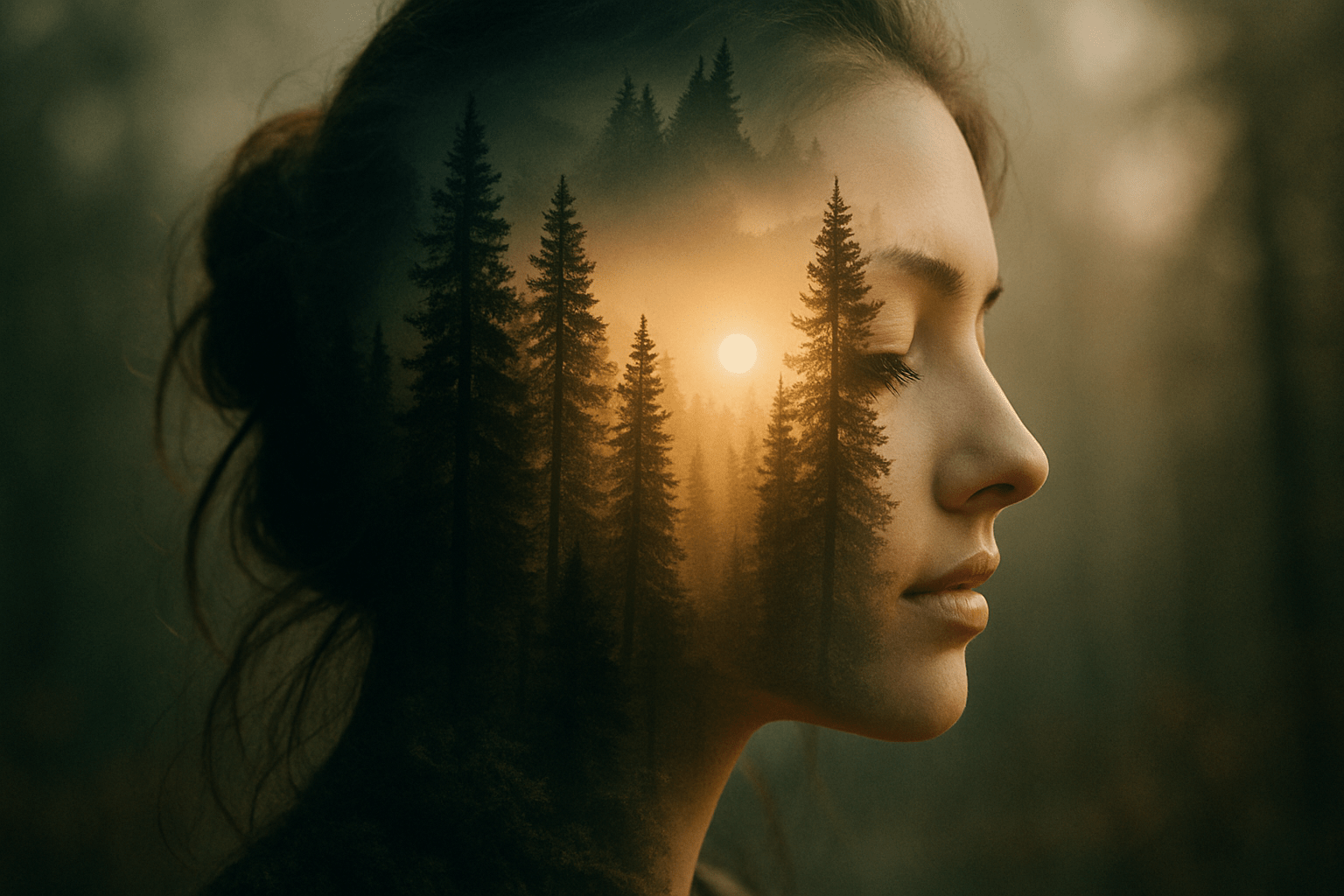
A composite brings material from separate images into one composition. It can make an impossible scene feel convincing or reveal its joins as part of the design. The useful question is not simply whether the result looks real, but whether its pieces belong to a clear visual idea.
A closer look
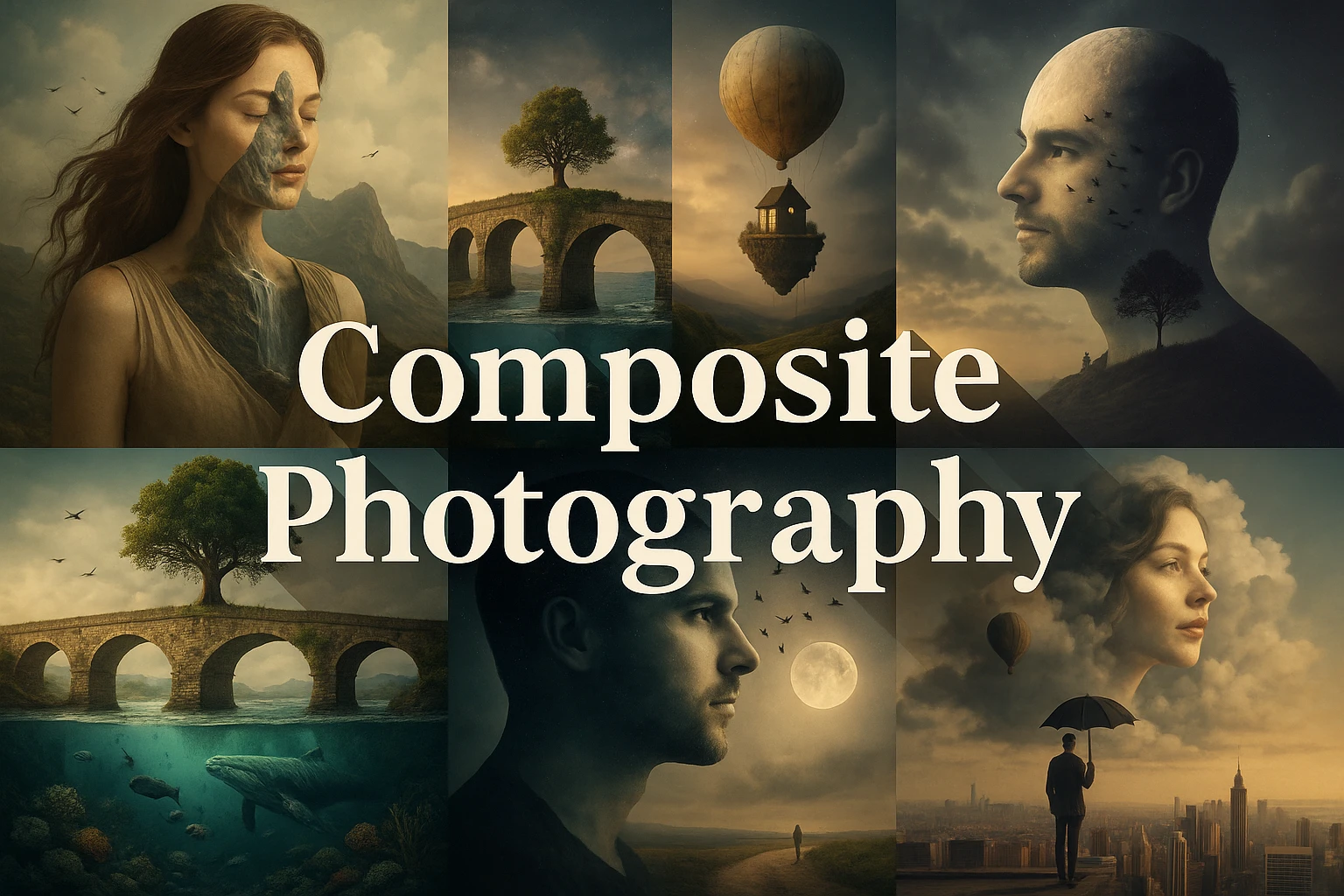
Compare the direction of light, the height of the viewpoint and the size of objects. In a seamless composite these relationships help separate sources feel connected. In a visible collage, deliberate differences in scale or texture can become the point of the image.
A method older than image-editing software
Henry Peach Robinson’s Fading Away, 1858, is a useful historical example. The Met identifies it as an albumen silver print made from glass negatives and explains that Robinson combined five negatives. Its staged scene demonstrates that assembling photographic material is not an invention of digital software. It also shows why method and context matter when viewers interpret a photograph as a record.
A composite is not a promise of deception. It can be openly fantastic, diagrammatic or decorative. Decide what you want the viewer to understand before polishing the joins. An enormous flower over a miniature house might be a visual metaphor; a barely detectable replacement sky might instead require explanation if the picture is presented as documentary evidence.
Build one believable space
Adobe’s compositing guidance emphasizes compatible lighting, shadows, perspective and scale. Translate that into concrete questions. Is a face lit from the same side as the ground? Does the camera appear to look down on both objects from the same height? Would the inserted object cast a shadow, and where would it fall? A technically clean cutout can still look misplaced when these relationships disagree.
Begin with a rough arrangement at small size. Place the largest shapes, choose a focal point, and leave enough breathing room around it. Only then refine edges and transitions. This separates a composition problem from a selection problem: no amount of precise masking will rescue a scene whose important objects compete for the same attention.
Keep the construction understandable
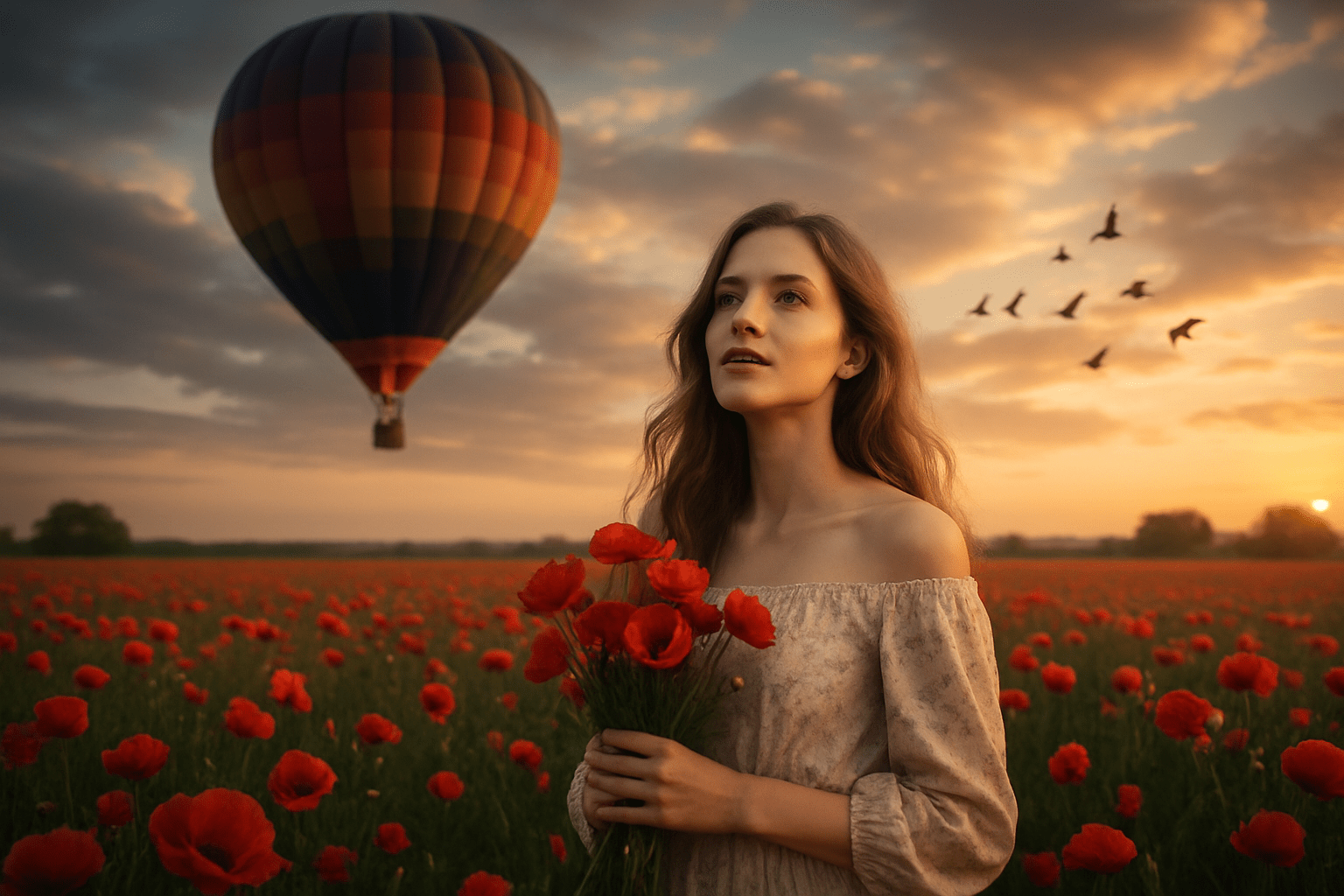
Use layers and masks so that you can revise the relationships between components without destroying the original material. Keep a simple note of where each source came from and what you changed. For an AOI experiment, the caption should distinguish a real photographic composite from an image generated to resemble one. Our featured illustration explores a composite-like arrangement; its balloon, portrait and field are not documented as separately photographed source images.
Pocket-sized facts
Robinson’s Fading Away (1858) combines five negatives, according to the Met.
A composite can display its joins deliberately; seamless realism is one option, not its definition.
The prompt workshop
Original creative exercises. These prompts create new illustrations, not documentary evidence.
One impossible addition
Create an original composite-style illustration of a single oversized paper boat resting in a quiet meadow, believable scale relative to nearby grass, soft morning light from the left and a matching contact shadow, restrained colors, one clear focal point. Label the result as an invented scene.
A coherent imagined world
An original photographic composite concept: an adult traveler beside a small greenhouse suspended above a calm lake, consistent low camera viewpoint, cool overcast light, realistic contact points and reflections, generous negative space. Make the impossible construction readable rather than adding unrelated surreal objects.
Let the joins show
A deliberate paper-photomontage-inspired poster combining a mountain silhouette, a hand-drawn staircase and three photographic cloud fragments, visible cut edges, limited indigo and cream palette, balanced asymmetry. Treat mismatched scale as a design choice; no logos or imitation newspaper claims.
A small poetic detour
A borrowed cloud drifts.
Two horizons learn to meet;
The seam keeps a dream.
A smile from the studio
The composite photographer wanted the best of both worlds—then spent an hour matching their shadows.
Look closer
Explore the image gallery
Select an image to enlarge it. Browse with the arrows, and press Escape to return.
Your next inspiration
Discover another art style
Follow a visual thread to the next subject.
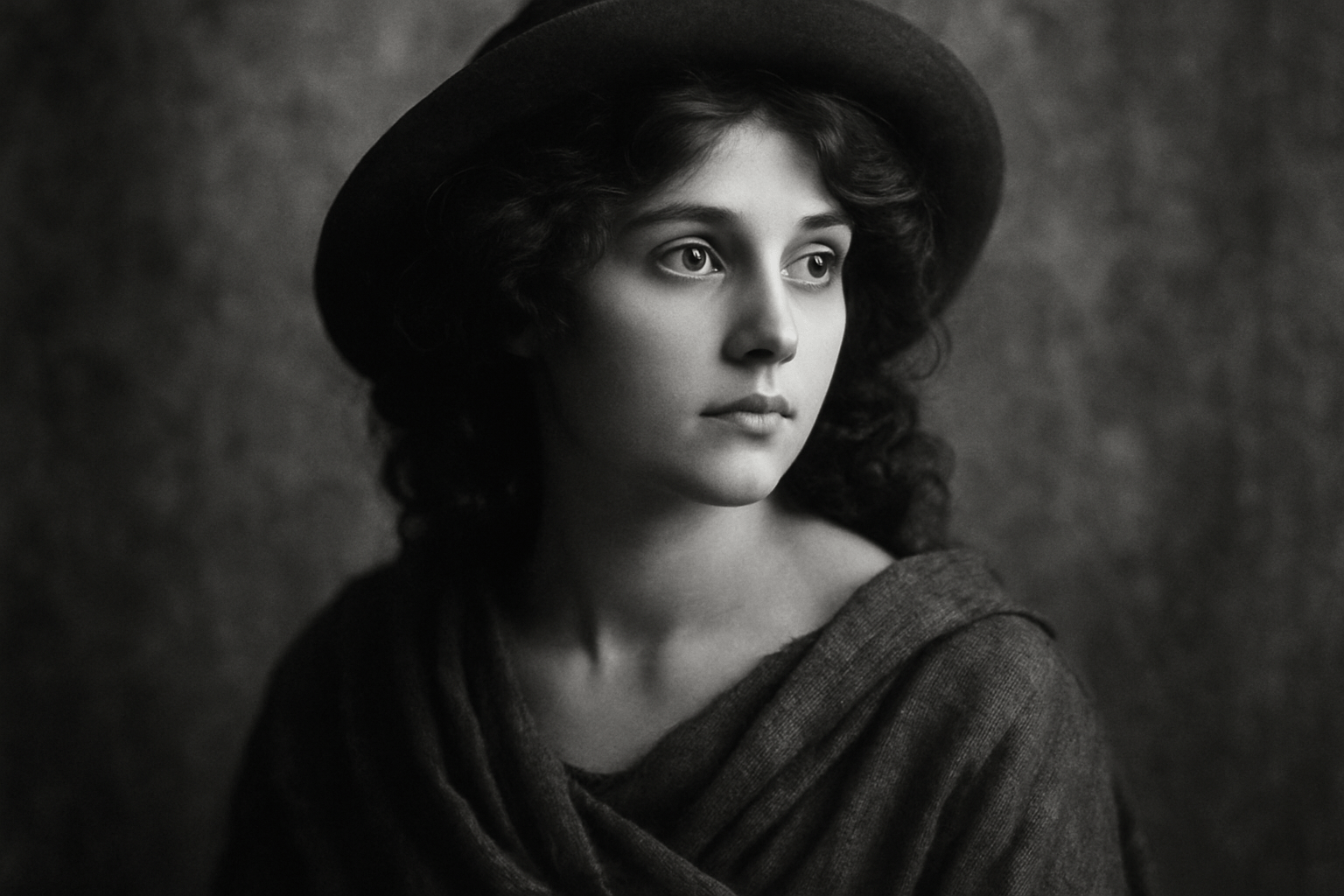
Historic Black and White Photography
An old photograph is more than a modern image with the color removed.