
Close-up photography
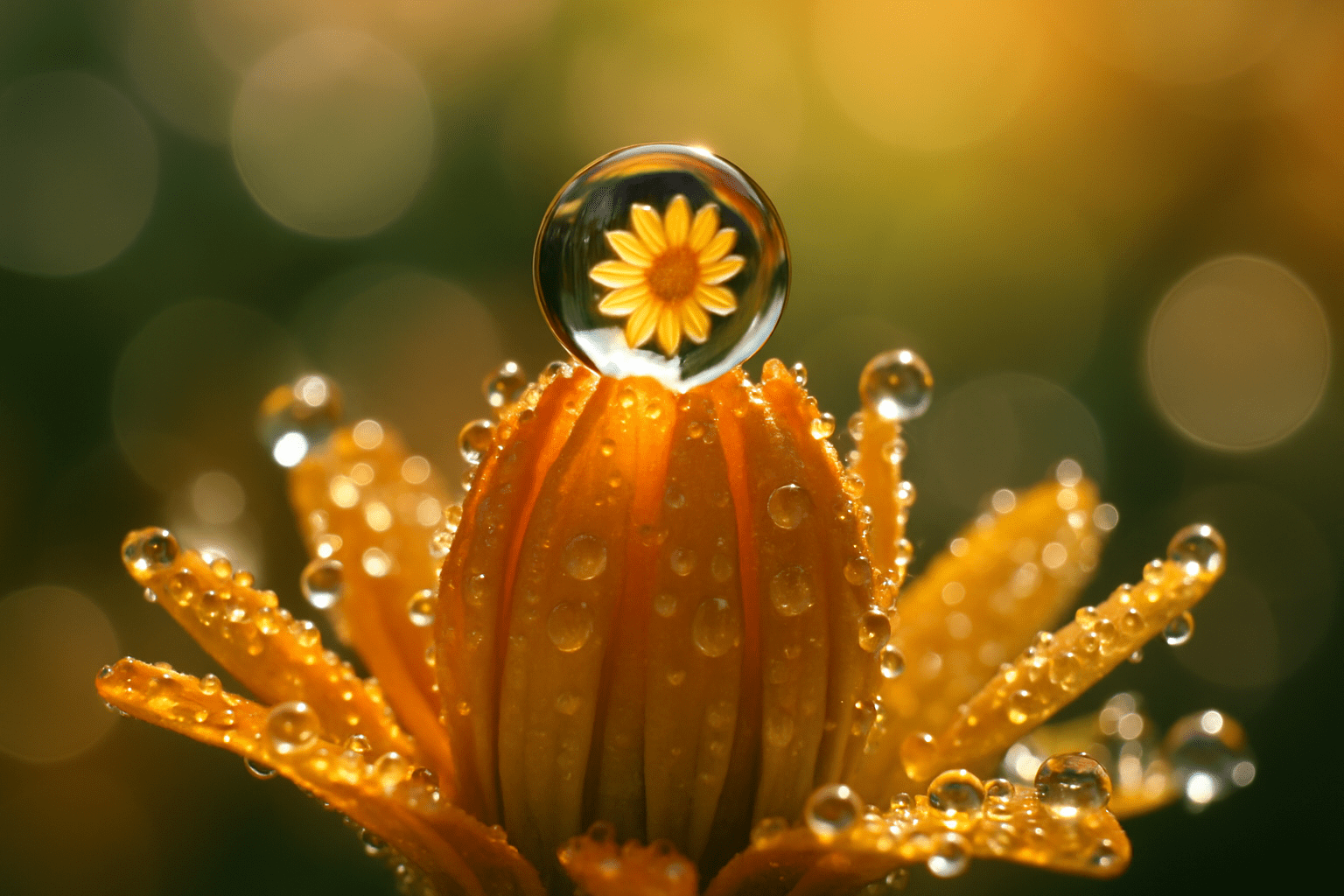
Macro photography makes small structures the main event. Scale, focus and lighting matter more than piling on descriptive detail.
A closer look
Select a feature rather than merely moving closer.
Understanding the subject
Macro and close-up photography examine subjects at small scales, where texture and structure may be overlooked in ordinary viewing. The term macro is used loosely in marketing; a reproduction ratio describes magnification more precisely. Close working distances can make the usable depth of field very shallow. A photograph of a whole insect and a study of one wing therefore pose different compositional and technical problems.
AOI looking and making workshop
Select a feature rather than merely moving closer. A leaf’s branching veins or the curve of a seed shell can organize the entire frame. Position light to reveal relief without erasing delicate surfaces with glare. Decide which plane must be sharp and let less important areas recede naturally. If combining focus slices, inspect edges for blending artifacts. In generated images, check repeated structures and anatomy carefully: impressive texture is not evidence of botanical or biological accuracy. A restrained background helps small details remain legible.
The prompt workshop
Original creative exercises. These prompts create new illustrations, not documentary evidence.
A leaf landscape
Create a macro-inspired image of one curled green leaf with branching veins, soft side light and a dark unobtrusive background. Keep the central ridge sharp and allow the far edge to soften naturally.
Seed architecture
Create a close-up study of three dry seed pods on matte paper, directional morning light revealing fine ridges, carefully chosen focus plane and muted earthy colors. Emphasize differences in shape rather than decorative clutter.
Tiny topography
Create an abstract macro-inspired landscape from frost crystals on blue glass. Use a narrow sharp band crossing the frame and luminous out-of-focus points beyond it; avoid implying a microscopic scientific record.
Your next inspiration
Discover another art style
Follow a visual thread to the next subject.

Sources and further exploration
Easy Macro Photography with the AF-S DX Micro-NIKKOR 40mm f/2.8G Lens