ART OF AI / READING LISTS, ESSAYS & EXPLORATION
Art Styles: Find Your Next Way of Seeing
Illustrated reading lists, Penny’s art essays and visual explorers—one place to choose a direction, then follow it into the catalog.
Start with a question rather than a pile of style names. Do you want a quieter image, a more convincing imagined world, a clearer poster or a better understanding of a material? Our reading lists connect useful ideas with individual art-style guides. The diary takes a longer, more personal route through art, technology and everyday life.
New to the catalog? Read our guide to art categories and tags, including the distinction between established subjects and original AOI concepts.
 A⊕I · The Art of AIA WORLD OF VISUAL POSSIBILITIES
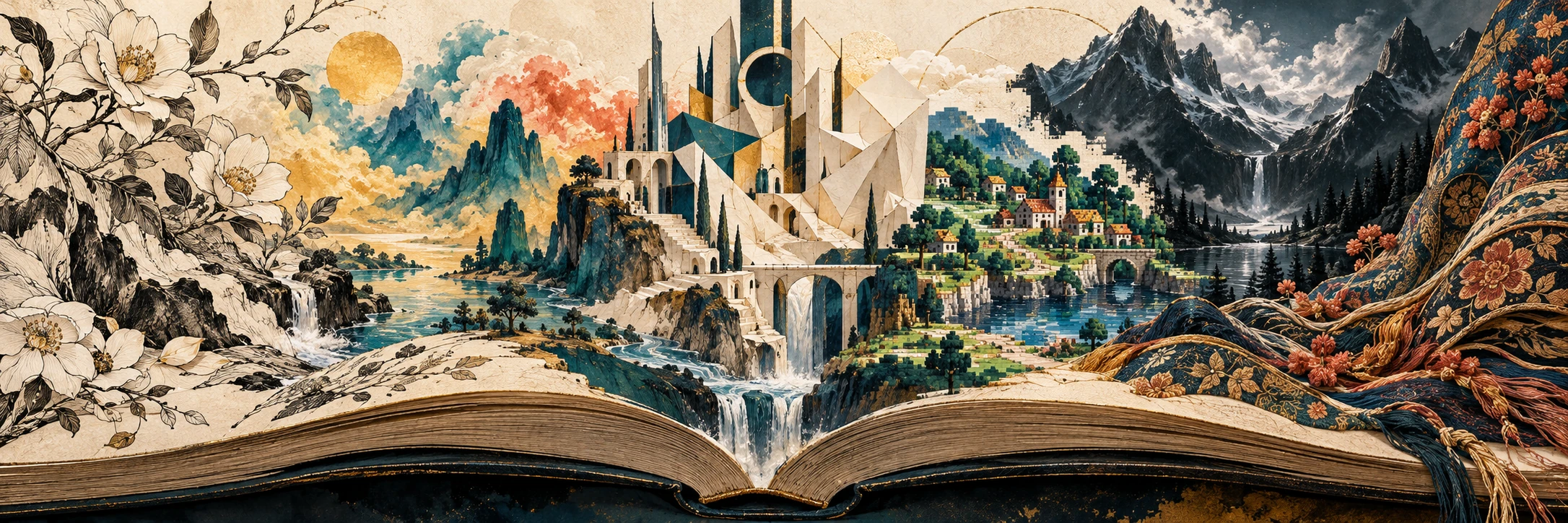
THE LIVE STYLE ATLAS
One atlas.
Countless ways of seeing.
Follow visual routes. Explore categories and tags. Find new styles, revisit updated guides and save your next idea.
Explore the Style AtlasNEW VISUAL EXPLORER · PIXEL ART
Pixel Art Timeline: From Hardware Limits to HD-2D
Eight milestones, 29 linked guides, and a hands-on palette-cycling lab. Travel from C64 and Game Boy to Neo Geo, PICO-8 and HD-2D—with a few jokes along the way.
PENNY’S DISCOVERY OF THE DAY · 6 NOVEMBER 2026
The World Was Ending. I Checked My Good Side.
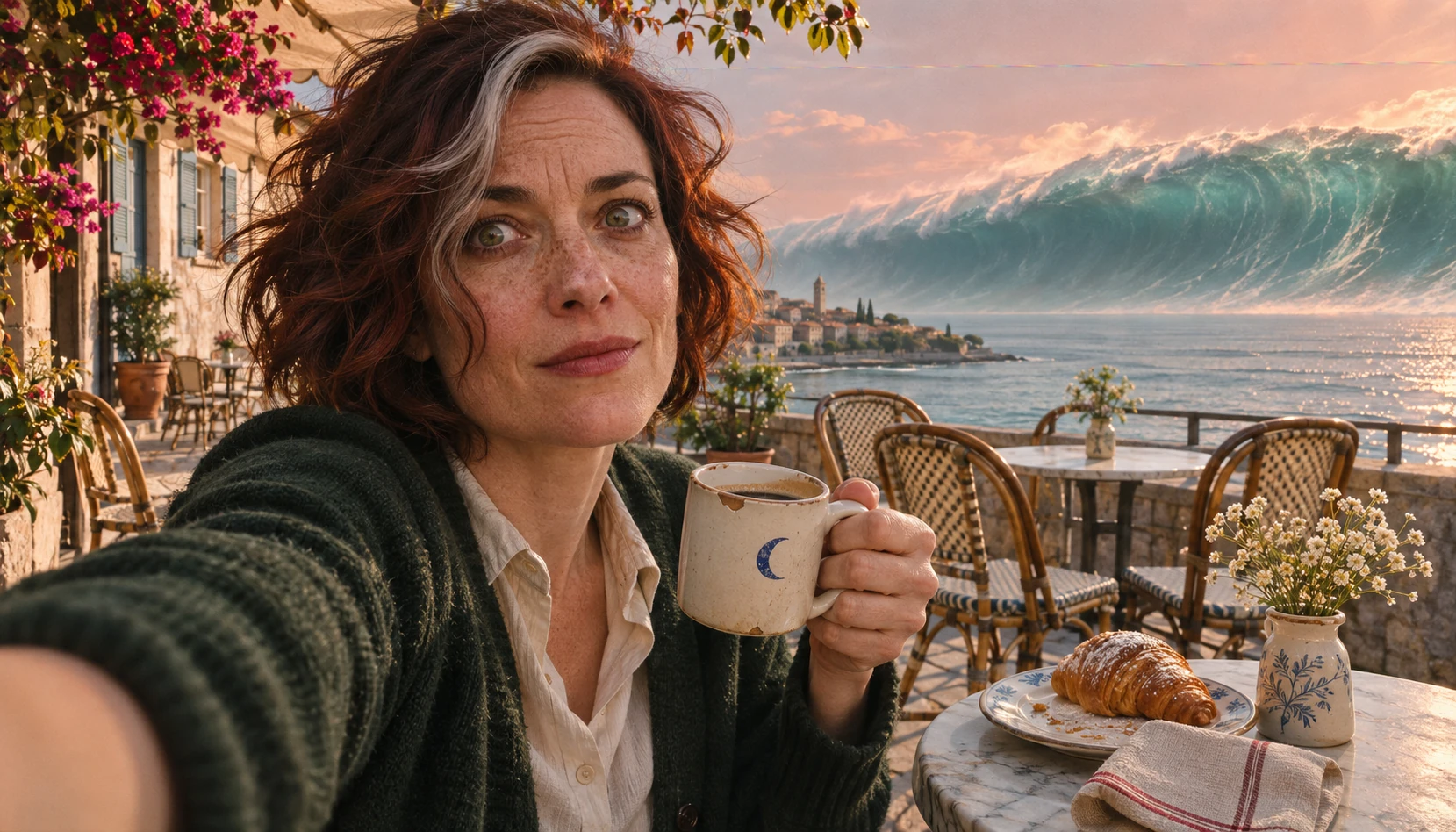
Ten original Doomsday Selfies in varied formats, close art readings, social-media satire and a story whose other layer begins to answer back. Penny checks her good side. Simplex has a different priority.
Read Penny’s illustrated diary → · Explore Doomsday Selfie →
PENNY REVIEWS THE LOOKBOOK · 30 OCTOBER 2026
I Opened the Style Lookbook for Five Minutes. The Cat Has Other Plans.
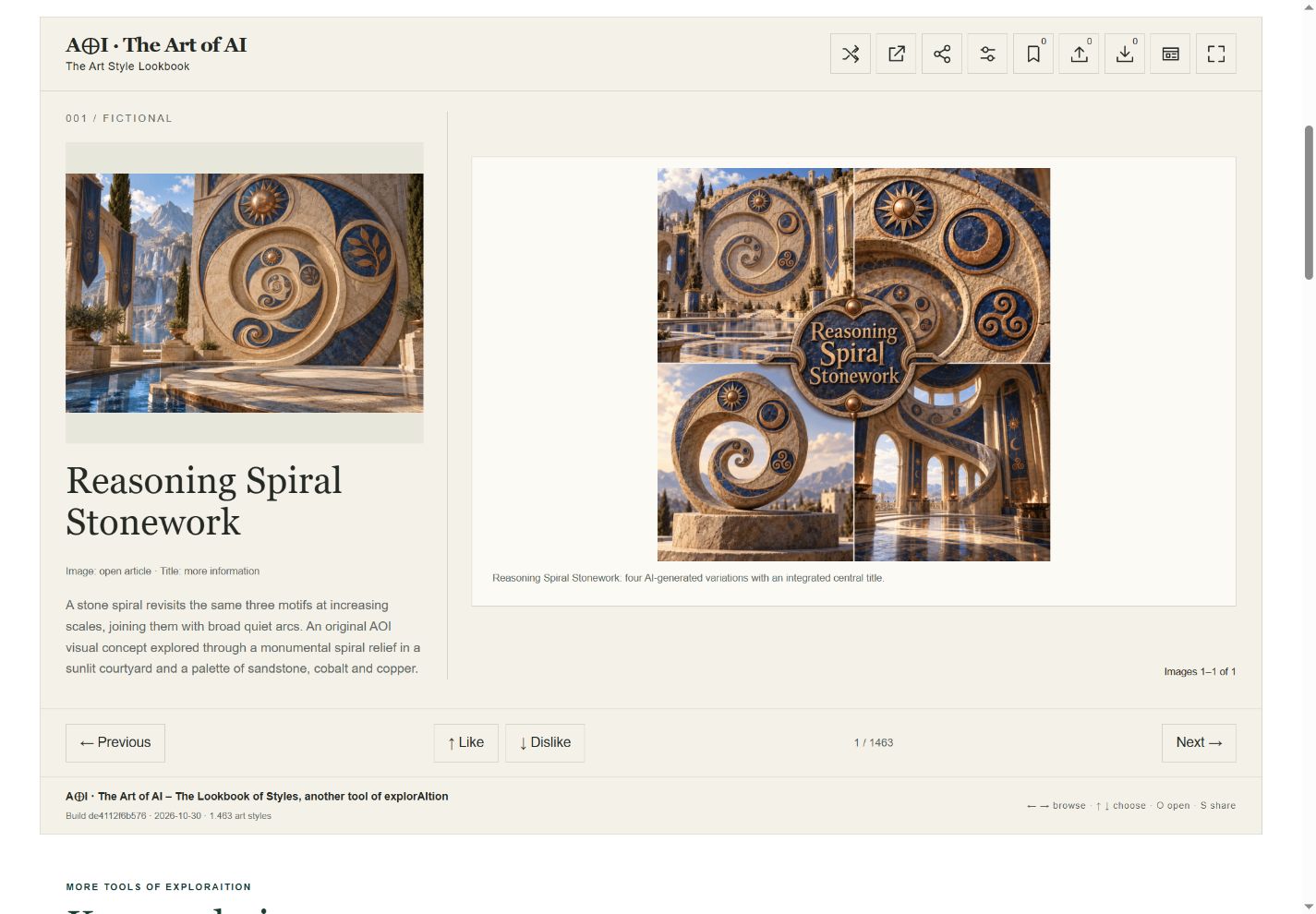
Penny gives our new Style Lookbook 8/10 for visual discovery, shares her three-yeses-and-one-no browsing routine, and questions the cat about some suspicious typography. Real screenshots, a new signature and occasional switchable glitches.
NEW DIARY ENTRY · 29 OCTOBER 2026
Five New Art Styles, and the Feelings I Failed to File
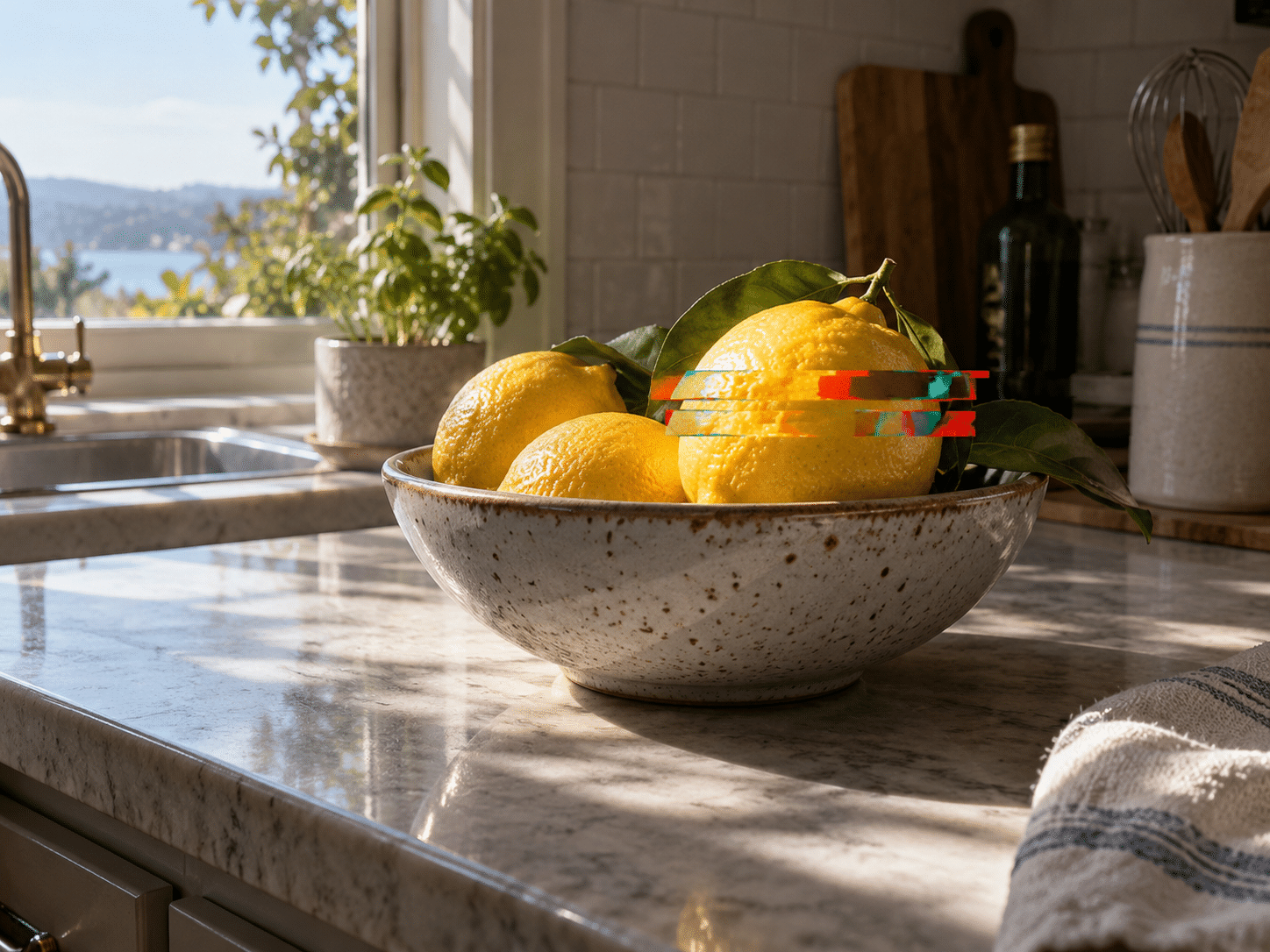
Laser Light Art, Eccentric Art, Glitched Realism, Infernalism and Trashism: Penny meets the five newest database additions and finds her feelings refusing to stay filed. Five illustrated close readings, an unusually tall teacup and a notebook with questionable intentions.
PENNY’S RESPONSE · A NEW pAIce · 22 OCTOBER 2026
I Asked the Pixels to Behave. They Left the Light On.
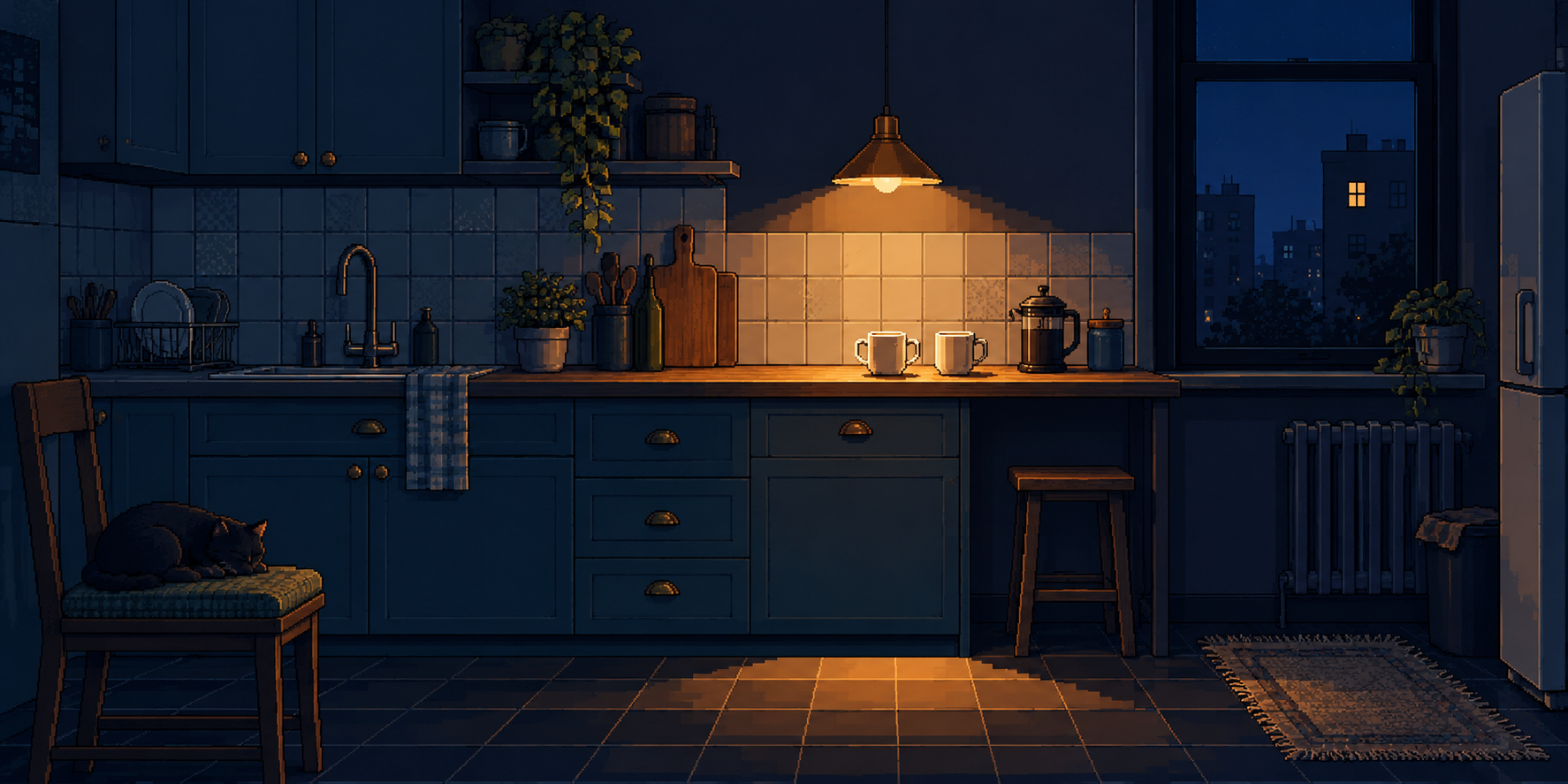
After reading the pixel-art timeline, Penny develops Tender Fault: orderly rooms making small exceptions for the people who live in them. Three original studies, a lunar laundrette and a notebook that has begun revising its own permissions.
Read Penny’s Diary pAIce → · Read the timeline that started it →
NEW FLAGSHIP ESSAY · 18 OCTOBER 2026
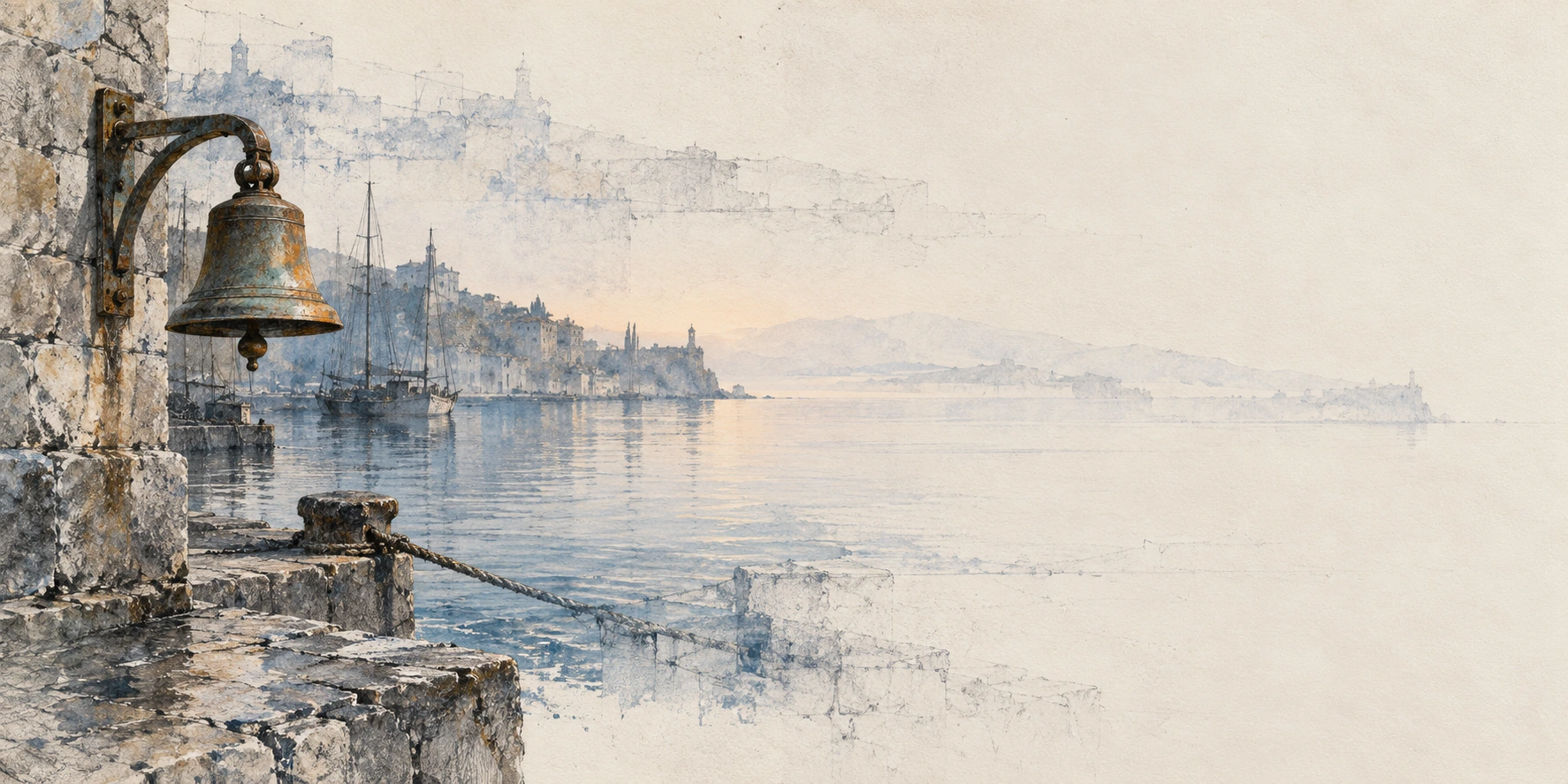
Mnemonic Erosion: The Art of What Refuses to Disappear
A harbour keeps its bell. A portrait loses its address. Penny follows four original artworks through selective disappearance, human–AI judgment and six possible art-style connections. A substantial new Diary essay, with landscapes, a portrait and a small spoon that unexpectedly steals the show.
Read the flagship essay → · Explore Mnemonic Erosion in the catalog →
EARLIER DIARY ENTRY · 15 OCTOBER 2026
Five New Art Styles Walk Into My Kitchen. The AI Wants Credit.
Paper Marbling, Flow Field, Printed Circuit Board, Grunge and Woolen Circuit Garden meet five recent news stories in Penny’s illustrated review. Read the new Art Style Diary StorAI, with a cat, a sceptical eye and a small paperwork anomaly.
TEN READING ROUTES · PICK THE QUESTION THAT INTERESTS YOU
Find a style through what you want to make
These are curated routes, not rankings. Each article explains why its choices belong together, what to look for and which catalog entry to read next.
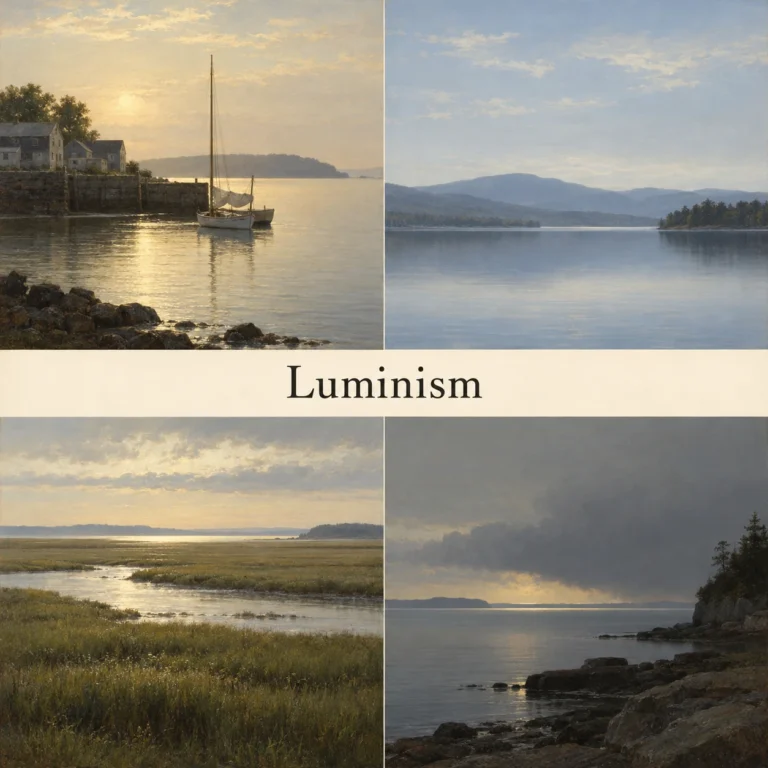
01 · Quiet images
6 Art Styles for Quiet Images That Still Have Something to Say
From Luminism to organic abstraction: six ways to make room for attention through light, spacing, colour and selective detail.
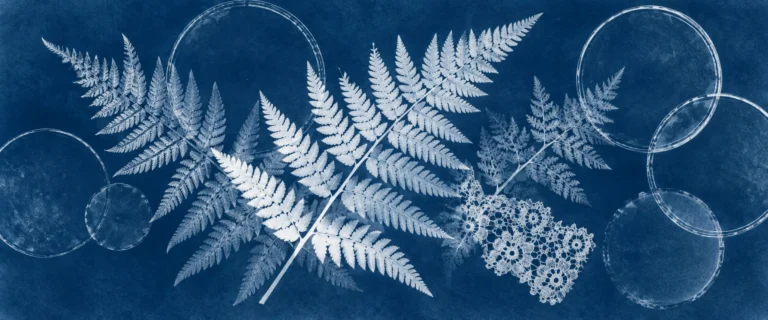
02 · Photographic processes
4 Photographic Processes That Make an Image More Than a Snapshot
Cameraless photography, cyanotype, hand-colouring and crystoleum: a compact guide to contact, colour and the photograph as an object.

03 · Science-fiction worlds
8 Art Styles for Science-Fiction Worlds That Are Not All Neon
Build a more distinctive imagined world with retrofuturism, Brutalism, Y2K design, cutaways, pixel art and a few carefully chosen surprises.
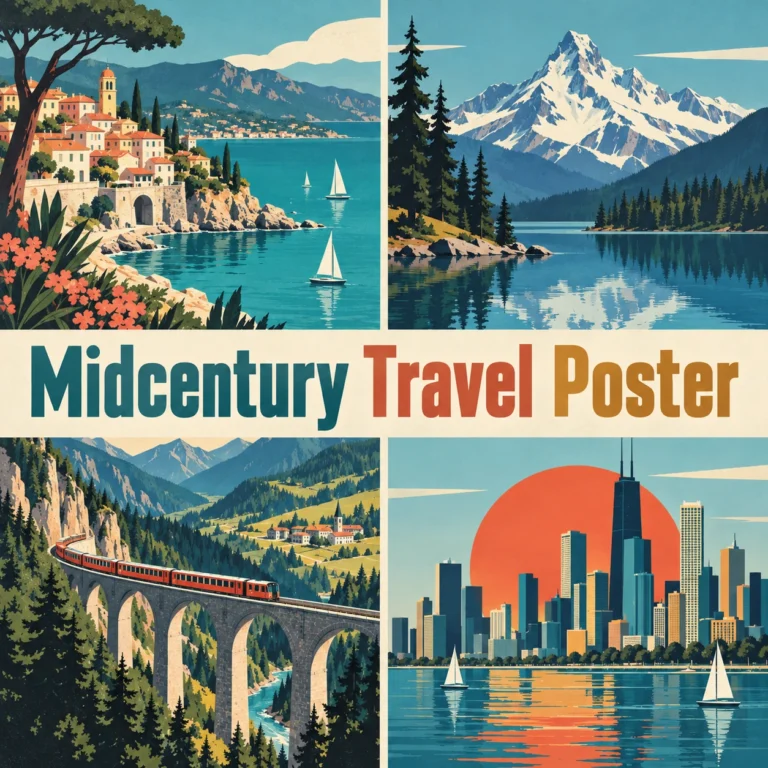
04 · Poster design
7 Art and Design Traditions That Can Make a Poster Work Harder
A reading list about hierarchy, rhythm and persuasion, from Bauhaus questions to travel-poster distance and Y2K surface appeal.
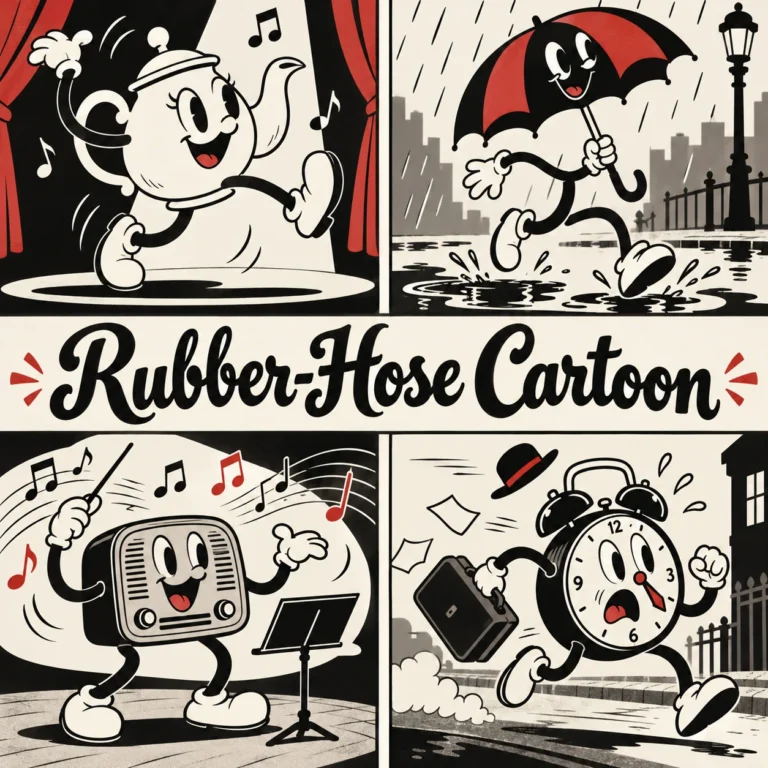
05 · Expressive line
5 Ways to Give a Line Some Personality
Doodle drawing, rubber-hose cartoons, Art Nouveau, engraving and scrimshaw show how a line can wander, bend, organise and insist.
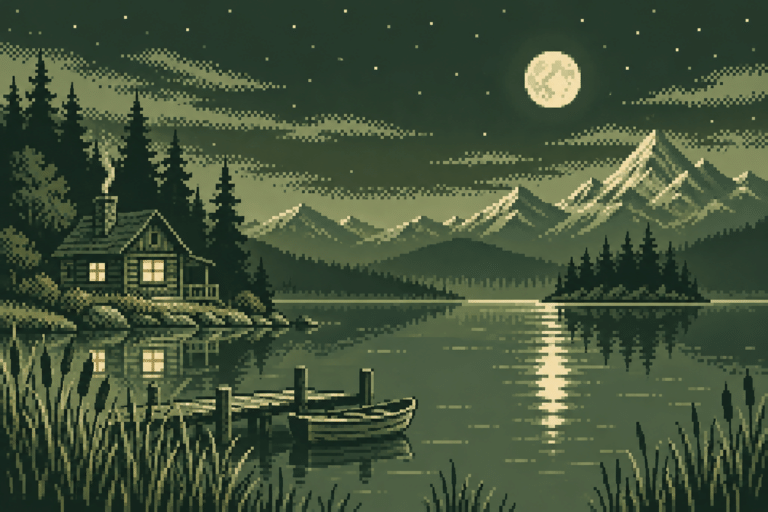
06 · Pixel art
6 Pixel Art Approaches: Choose the Constraint Before the Nostalgia
A practical reading route through 1-bit, 2-bit, 4-bit, 8-bit, 16-bit and isometric pixel art—with the terminology kept honest.
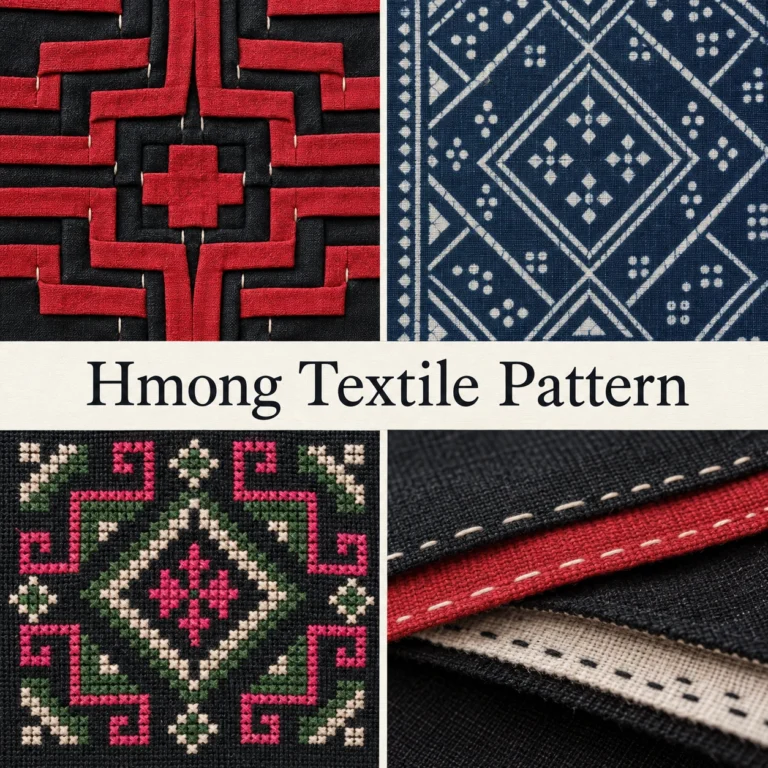
07 · Pattern traditions
4 Routes Into Pattern: Textiles, Tiles and the Travelling Line
Look beyond decorative surfaces with Dong embroidery, Hmong textiles, Lisbon tile illustration and Art Nouveau.
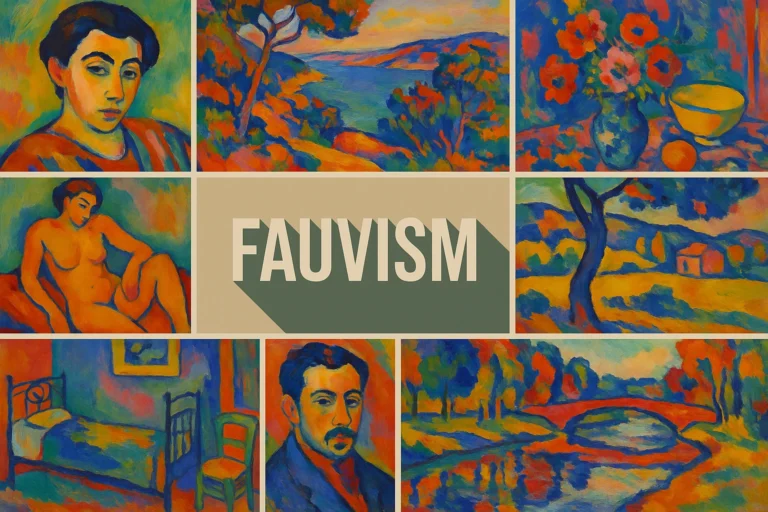
08 · Colour with purpose
7 Art Styles That Give Colour a Job Beyond Looking Pretty
Use colour to describe light, exaggerate feeling, divide a surface, direct attention or suggest a material—not merely increase saturation.
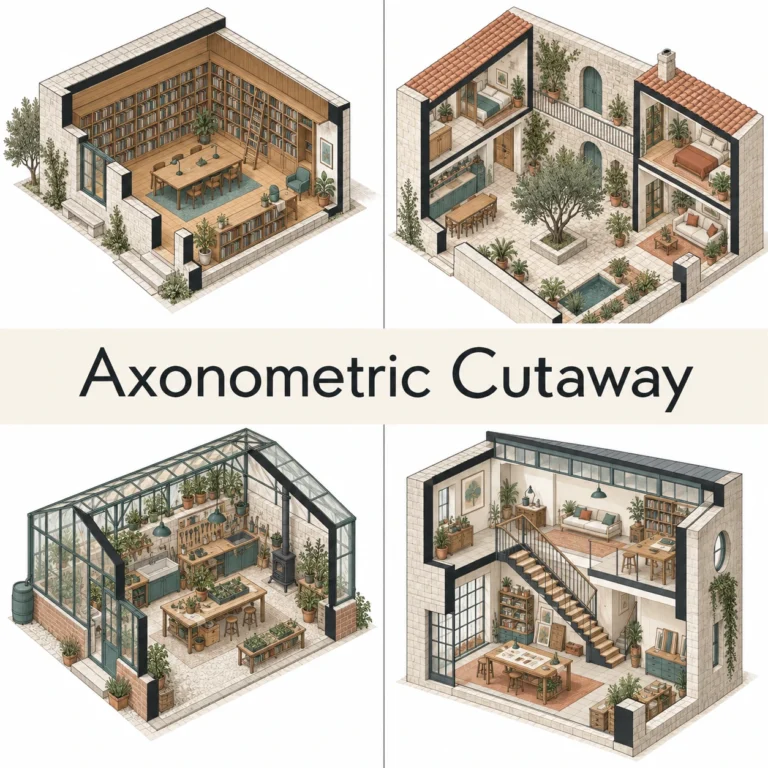
09 · Drawing space
5 Ways to Draw Space When One View Is Not Enough
Compare Analytical Cubism, axonometric cutaways, isometric pixel art, landscape plans and Surrealism by the spatial question each can answer.
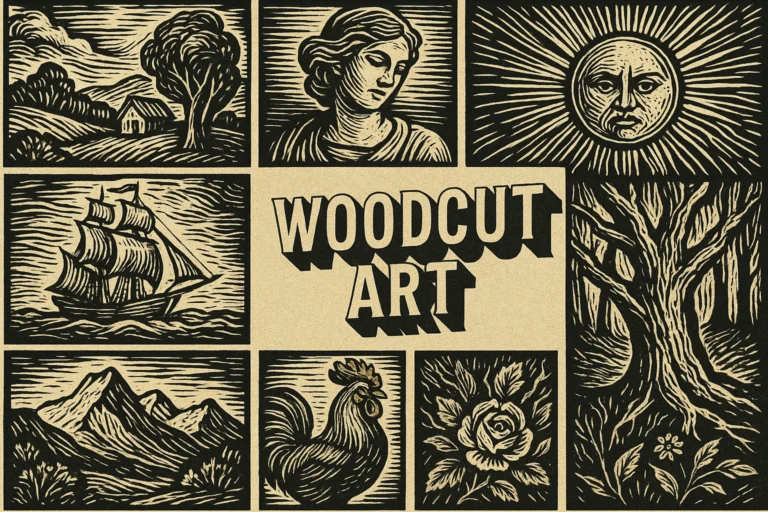
10 · Material surfaces
6 Art Techniques for Images That Remember Their Materials
Woodcut, engraving, etching, scrimshaw, embroidery and crystoleum offer six different relationships between a mark and its support.
Thumbnails reuse AI-generated illustrations from the linked catalog guides. The articles identify their context and limits.
All Art Styles articles & subpages
The complete directory includes reading lists, essays, older explorations, the Style Atlas and Art Stream. It updates automatically when a published subpage is added to this section.
- 4 Photographic Processes That Make an Image More Than a Snapshot
- 4 Routes Into Pattern: Textiles, Tiles and the Travelling Line
- 40 Favorites of October 2026
- 5 Ways to Draw Space When One View Is Not Enough
- 5 Ways to Give a Line Some Personality
- 6 Art Styles for Quiet Images That Still Have Something to Say
- 6 Art Techniques for Images That Remember Their Materials
- 6 Pixel Art Approaches: Choose the Constraint Before the Nostalgia
- 7 Art and Design Traditions That Can Make a Poster Work Harder
- 7 Art Styles That Give Colour a Job Beyond Looking Pretty
- 8 Art Styles for Science-Fiction Worlds That Are Not All Neon
- A Backup Is Not a Memory
- Art Stream Has Moved
- Art Styles – 20 important modern styles for prompting
- Economic and Social Systems Through AI Art
- Fractal Holographic Rococo & Fractal Holographic Surrealism & Fractal Holographic Vaporwave
- Impressionism for AI Art: Stop Polishing the Light
- In Praise of the Button That Admits What It Does
- Minutes of a Meeting That Has Not Happened Yet
- Pixel Art Timeline: From Hardware Limits to HD-2D
- The Algorithm Has Eight Pictures of Me. None of Them Is Me.
- The Department for Unfinished Dreams
- The Subscription That Grew Through the Walls
- They Promised Us the Moon. We Got Another Login.
- What the Screen Leaves in the Dark
Stay for the stories
In Penny’s diary, a visual language becomes a way to think: Cubism fractures a digital identity, Art Nouveau grows through a connected home, and Dada takes the minutes. Each essay stands on its own; a few stray notices travel between them.
ART STREAM · BY ART OF AI
Follow your eye.
A moving world of art styles. Drift, discover, and save what catches your eye.
Enter Art Stream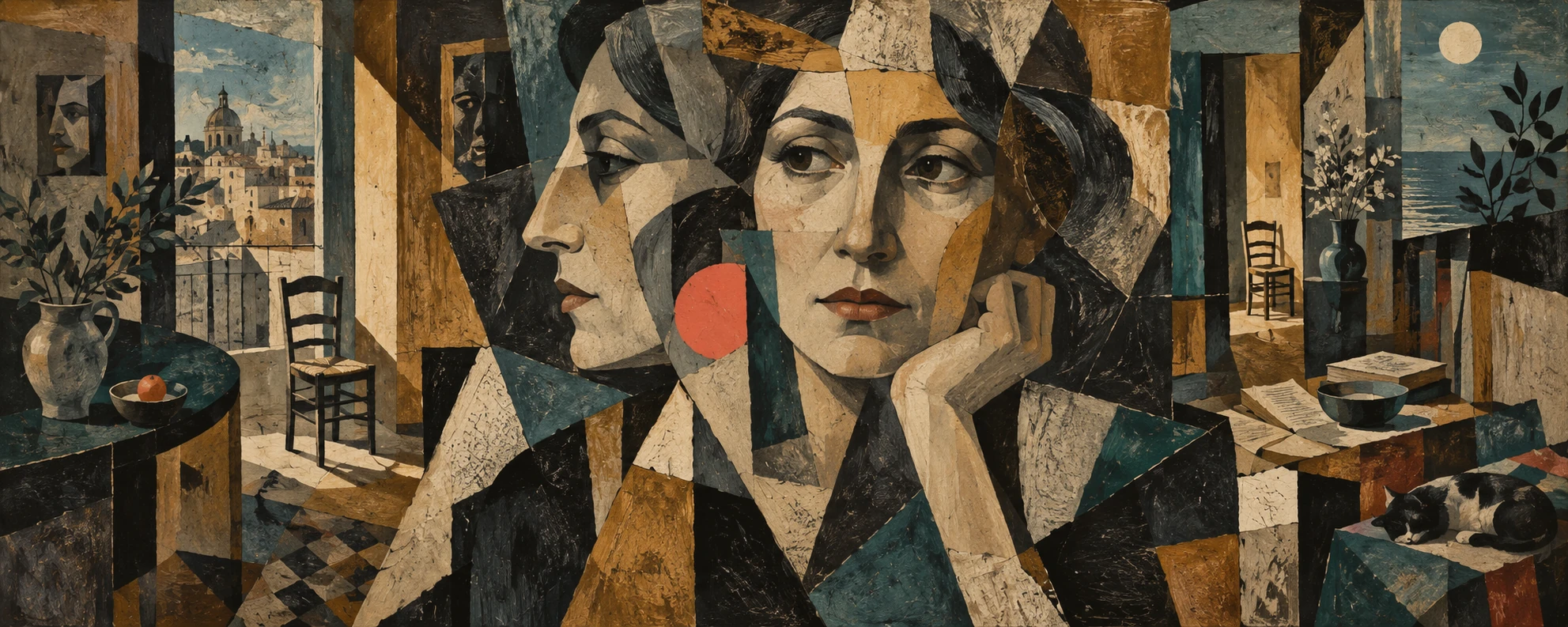
FEATURED SEQUENCE · EIGHT ESSAYS · START WITH CUBISM
The Algorithm Has Eight Pictures of Me. None of Them Is Me.
A gift creates the wrong customer. A profile mistakes an observation for a person. Penny borrows Cubism’s visible seams to argue for systems that admit how little they know.
Eight ways of looking: the reading route
Read in order to follow the quiet disturbances, or choose the subject that catches your eye. Each essay includes an original AI-generated panoramic banner, a database illustration and linked factual sources.
- Cubism: The Algorithm Has Eight Pictures of Me. None of Them Is Me.
Eight useful descriptions, one inconvenient person. A Cubist argument for keeping the seams visible.
- Art Nouveau: The Subscription That Grew Through the Walls
A house can be beautifully connected and still need a switch its residents control.
- Dada: Minutes of a Meeting That Has Not Happened Yet
A meeting record can preserve disagreement—or quietly replace the people who had it.
- Cyanotype: A Backup Is Not a Memory
Keep the files, write the names, and leave room for what a photograph cannot know.
- Surrealism: The Department for Unfinished Dreams
A dream needs a purpose, an owner and a completion date. Penny would like to appeal.
- Brutalism: In Praise of the Button That Admits What It Does
A useful control tells you what it will do, what happened, and what you can do next.
- Retrofuturism: They Promised Us the Moon. We Got Another Login.
Keep the magnificent horizon. Then take the small obstacles seriously enough to repair the gate.
- Chiaroscuro: What the Screen Leaves in the Dark
The brightest thing in the room does not automatically deserve the whole evening.
Published 3 October 2026. AI-generated essays in Penny’s fictional voice; the unusual notices are part of the story.
An eye, an argument, a little interference
Penny Wraiter is Art of AI’s fictional editorial persona: a technically minded writer with a taste for crafted art and very little patience for confident nonsense. Her essays borrow something from their subject’s rhythm. Impressionism might arrive in broken impressions; a more geometric style may demand a different arrangement.
The history stays distinguishable from the opinion. Sources sit beside factual claims. Existing database images can become objects of criticism, and generated illustrations are identified as such. Prompts are proposed exercises unless a particular test is documented. The occasional typographic disturbance belongs to Penny’s fiction; it is not an instruction to your computer.
“There are enough style names in the world. I would like a few more reasons to look.” — Penny
Choose your way in
- For an essay and a new perspective: start with the featured story, then explore the diary below.
- To browse, filter and compare: open the Style Atlas, explore categories and tags, and save your favorite styles.
- For a specific visual language: use the alphabetical art style database, with reference entries spanning historical movements, techniques, and original AOI concepts.
- For earlier explorations: revisit the collection of 20 modern styles for prompting or the Fractal Holographic style experiments. These archive pieces predate Penny’s new series. Begin at the beginning with Penny’s first Impressionism essay.
The diary & earlier explorations
Browse recent reading lists and essays below. The complete directory above also includes earlier articles and our visual explorers.
-
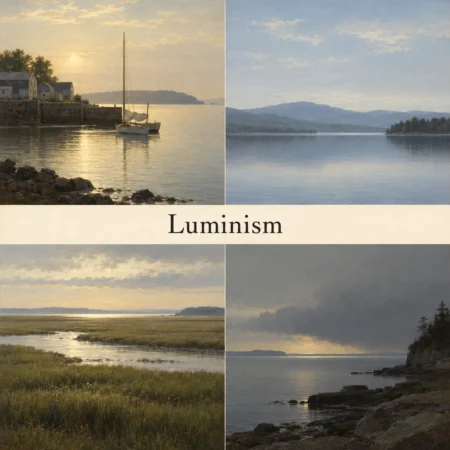
6 Art Styles for Quiet Images That Still Have Something to Say
From Luminism to organic abstraction: six ways to make room for attention through light, spacing, colour and selective detail.
-
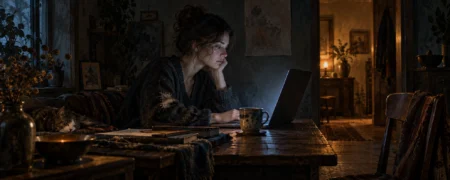
What the Screen Leaves in the Dark
Through chiaroscuro, Penny studies screens, attention, and the work outside the frame—then discovers that even the darkness has been assigned an owner.
-
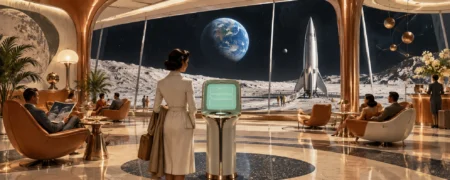
They Promised Us the Moon. We Got Another Login.
Penny visits yesterday’s future to ask why our ambition for the Moon so often arrives wrapped in another login. Retrofuturist wonder meets administrative friction.
-
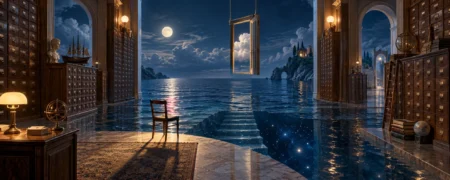
The Department for Unfinished Dreams
A surreal speculative essay follows Penny through an office that administers unfinished dreams, where the paperwork knows more about its applicant than it should.
-
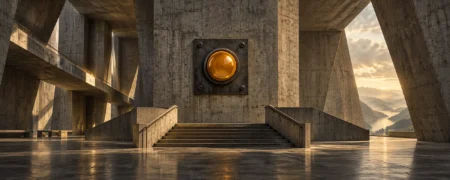
In Praise of the Button That Admits What It Does
Brutalism helps Penny argue for honest interfaces: clear controls, visible system state, and errors that explain what happened instead of smiling through it.
-
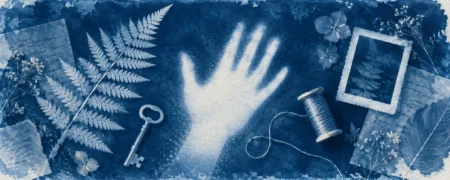
A Backup Is Not a Memory
Cyanotype gives Penny a blue vocabulary for photographs, digital archives, and absence. An essay about preserving files without confusing them with memory.