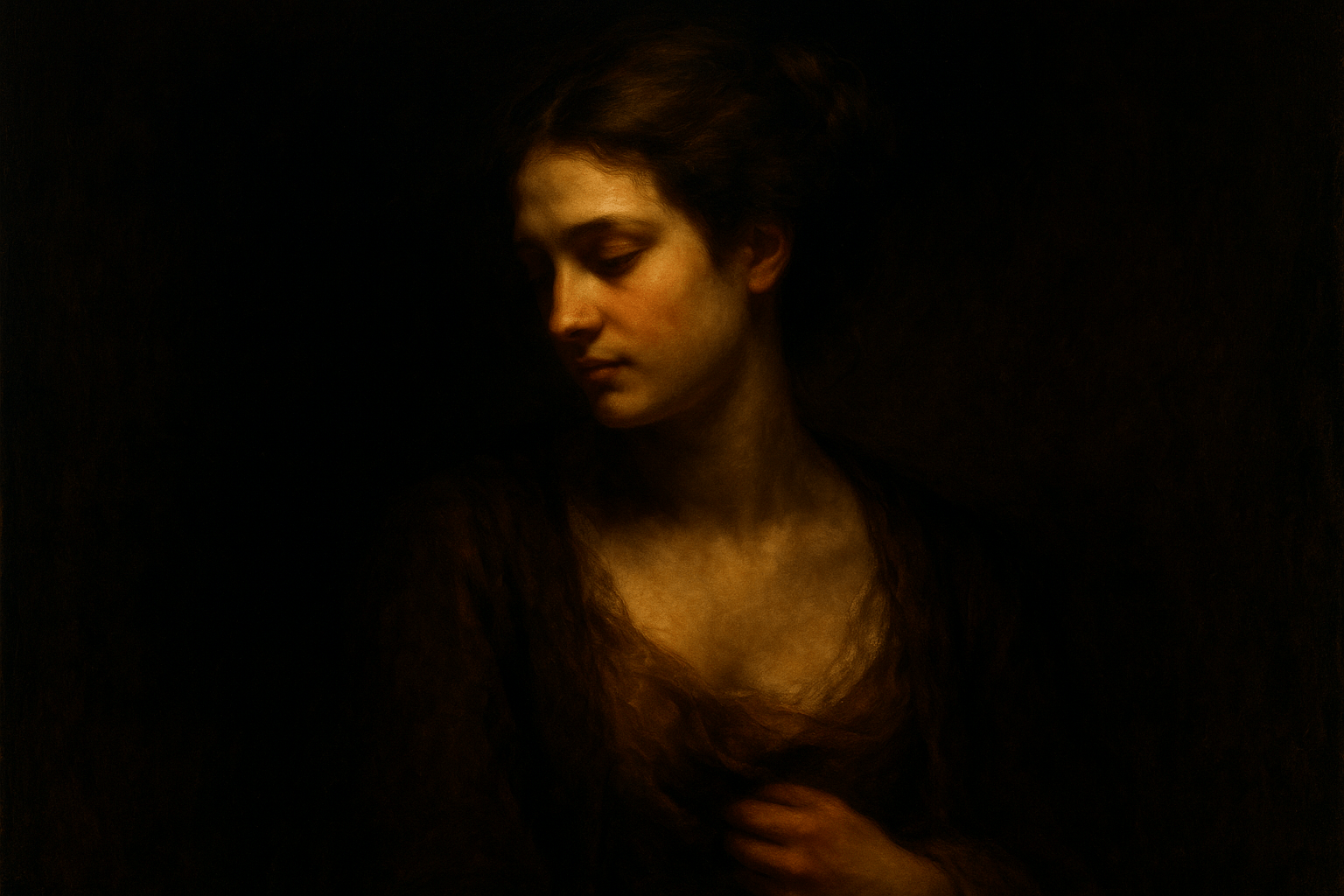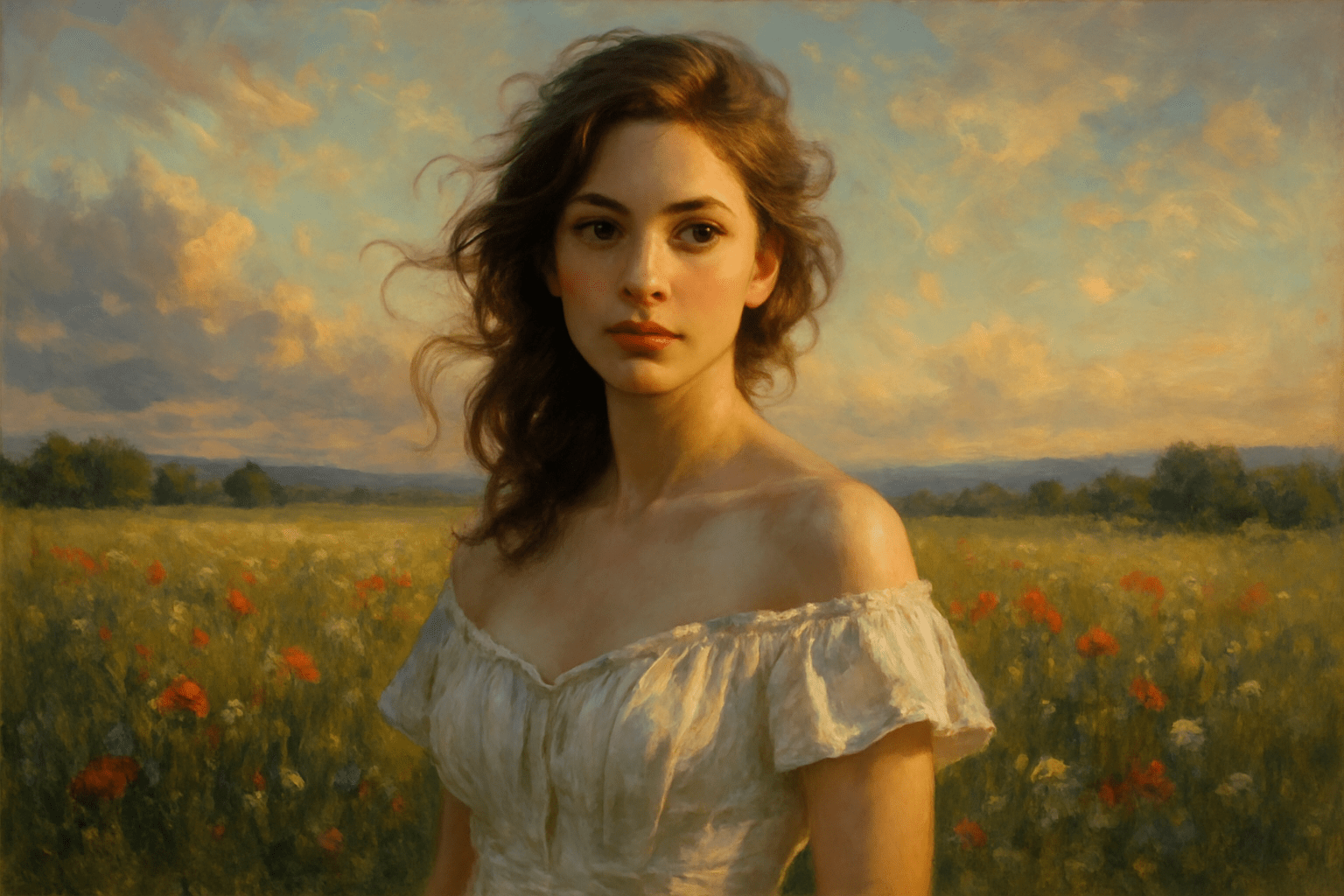

Rococo
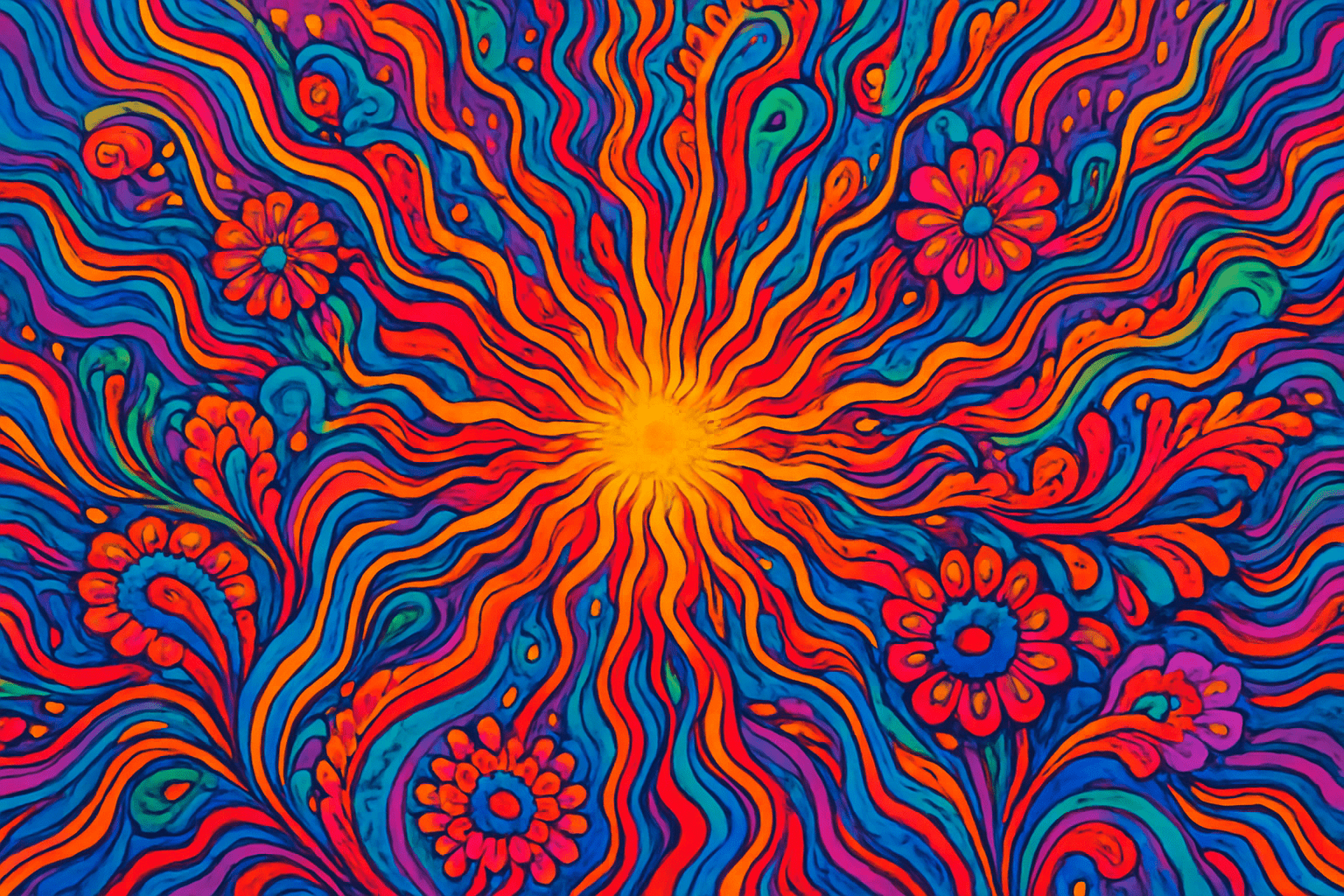
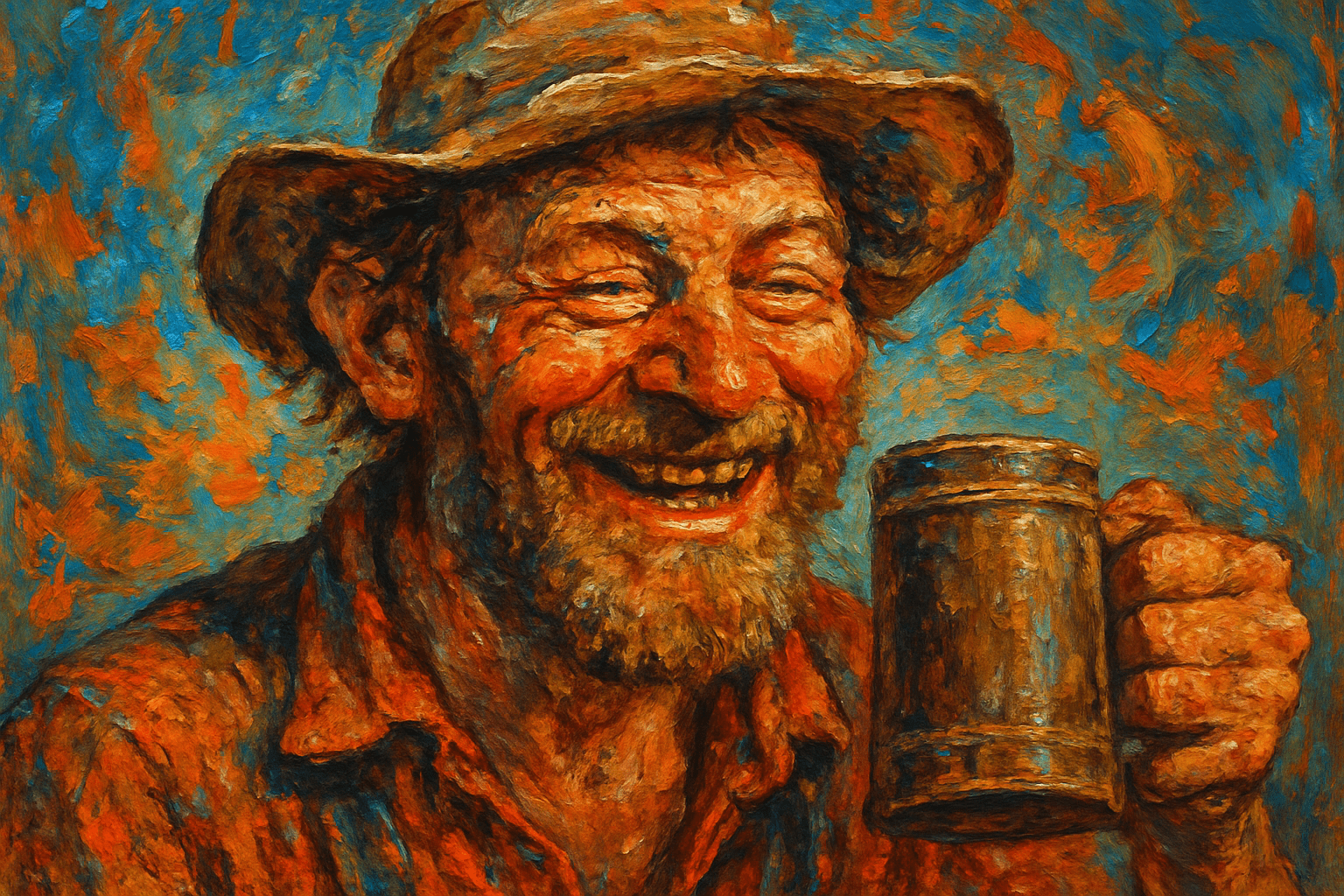
The Rococo art style is characterized by its light and airy feel, as well as its use of pastel colors. Rococo paintings often feature scenes of everyday life, and are known for their intricate details.
AOI thinking about Rococo [+_~]-/
Overview and Quickfacts
Rococo was a highly ornamental and theatrical style of art that originated in France in the late 17th century. It is characterized by its use of light colors, asymmetrical designs, and curving lines. Rococo artists favored themes that were lighthearted and playful, and often incorporated elements of nature into their work. The style was used extensively in interior design and architecture, as well as in painting, sculpture, and the decorative arts.
Can understand it also, as:
Baroque, ornate, gaudy, flamboyant, over-the-top
Categorize it as:
Impressionism, Modernism
.: Dreaming :.
holds a HAIKU for the art style
:. Thought is power .:
Detailed Description
Rococo art is a style of art that emerged in the early 18th century in France. It is characterized by its ornate, decorative style and its focus on light and pastel colors. Rococo art is often associated with the French court of the 18th century, and its most famous practitioners include the painters FranÃÂçois Boucher and Jean-Antoine Watteau. Rococo art reached its peak in the 1730s, but began to decline in popularity in the latter part of the 18th century. Many of its characteristic features, such as its ornate style and light colors, were rejected by the art movements that followed it, such as Neoclassicism. However, Rococo art has seen a resurgence in popularity in recent years, and its influence can be seen in the work of contemporary artists such as Damien Hirst and Jeff Koons.
.. beep, beep, beep ..
<START OF TRANSMISSION>
1. Rococo was a highly ornamental and theatrical style of art that originated in France in the early 18th century. 2. It is often associated with Louis XIV's reign and the Rococo period is sometimes referred to as the "Age of Louis XIV". 3. Rococo artists and architects favoured light colours, intricate patterns, and asymmetrical designs. 4. The style was used in interior design, painting, sculpture, architecture, and the decorative arts. 5. Rococo art is often playful and whimsical, with a focus on beauty and pleasure. 6. The Rococo period in France lasted from approximately 1715 to 1774. 7. The word "rococo" is derived from the French word "rocaille", meaning shell or rock. 8. The Rococo style was initially met with criticism from the more traditional members of the French Academy, but it eventually won them over. 9. Rococo artists often incorporated elements of nature into their work, such as shells, flowers, and animals. 10. One of the most famous Rococo artists is FranÃÂçois Boucher, who painted many portraits of Madame de Pompadour, the mistress of Louis XV. 11. Another well-known Rococo artist is Jean-HonorÃÂé Fragonard, whose painting "The Swing" is one of the most iconic images of the Rococo period. 12. The Palace of Versailles is one of the most famous examples of Rococo architecture. 13. The Palace of Fontainebleau is another well-known Rococo palace. 14. Rococo furniture is often characterized by its use of curved lines, gilt-wood, and upholstery. 15. The Rococo style spread to other parts of Europe, including Germany, Austria, and Russia. 16. In the late 18th century, the Rococo style began to fall out of favour and was replaced by the more sober Neoclassical style. 17. Today, the Rococo style is appreciated for its elegance and lightness. 18. Many of the world's most famous museums, such as the Louvre and the Metropolitan Museum of Art, have significant collections of Rococo art. 19. The Rococo style has been revived several times in the past, most notably in the Victorian era. 20. The Rococo style is currently experiencing a resurgence in popularity.
<EOF>
.. robbel bob
Visual Examples from our image gallery
Coming soon, we are so slow .. might never come
Artists, Paintings, and more
(be aware, can be highly speculative)
Artists (be aware, speculation possible):
1. Antoine Watteau (1684-1721) 2. FranÃÂçois Boucher (1703-1770) 3. Jean-HonorÃÂé Fragonard (1732-1806) 4. Jean-Baptiste Greuze (1725-1805) 5. Nicolas Lancret (1690-1743) 6. Jean-Antoine Houdon (1741-1828) 7. ÃÂÃÂlisabeth-Louise VigÃÂée-Le Brun (1755-1842) 8. Marie-Antoinette (1755-1793) 9. Jacques-Louis David (1748-1825) 10. Anne-Louis Girodet de Roussy-Trioson (1767-1824) 11. ThÃÂéodore GÃÂéricault (1791-1824) 12. EugÃÂène Delacroix (1798-1863) 13. Jean-Auguste-Dominique Ingres (1780-1867) 14. HonorÃÂé Daumier (1808-1879) 15. Gustave Courbet (1819-1877) 16. ÃÂÃÂdouard Manet (1832-1883) 17. Claude Monet (1840-1926) 18. Pierre-Auguste Renoir (1841-1919) 19. Paul CÃÂézanne (1839-1906) 20. Vincent van Gogh (1853-1890) 21. Paul Gauguin (1848-1903) 22. Georges Seurat (1859-1891) 23. Henri de Toulouse-Lautrec (1864-1901) 24. Camille Pissarro (1830-1903) 25. Pierre Bonnard (1867-1947) 26. ÃÂÃÂdouard Vuillard (1868-1940) 27. Paul SÃÂérusier (1864-1927) 28. Georges Braque (1882-1963) 29. Juan Gris (1887-1972) 30. Pablo Picasso (1881-1973)
Artworks (be aware, speculation possible)
1. Antoine Watteau – “Pilgrimage to Cythera” (1717) 2. FranÃÂçois Boucher – “The Breakfast” (1739) 3. Jean-HonorÃÂé Fragonard – “The Swing” (1767) 4. Jean-Antoine Watteau – “FÃÂête Galante” (1718-1719) 5. FranÃÂçois Boucher – “The Toilette” (1742) 6. Jean-HonorÃÂé Fragonard – “The Young Girl at the Window” (1769) 7. FranÃÂçois Boucher – “The Rising of the Sun” (1753) 8. Jean-HonorÃÂé Fragonard – “The Love Letter” (1770-1771) 9. FranÃÂçois Boucher – “The Pleasures of Love” (1751) 10. Jean-HonorÃÂé Fragonard – “The Stolen Kiss” (1786) 11. FranÃÂçois Boucher – “The Happy Family” (1757) 12. Jean-HonorÃÂé Fragonard – “The Progress of Love” (1771-1772) 13. FranÃÂçois Boucher – “The Triumph of Venus” (1748) 14. Jean-HonorÃÂé Fragonard – “The Girl with the Dove” (1767-1768) 15. FranÃÂçois Boucher – “Diana Leaving her Bath” (1742) 16. Jean-HonorÃÂé Fragonard – “The Meeting” (1771-1772) 17. FranÃÂçois Boucher – “Venus Consoling Love” (1751) 18. Jean-HonorÃÂé Fragonard – “The Excited Lover” (1769-1770) 19. FranÃÂçois Boucher – “Venus and Adonis” (1754) 20. Jean-HonorÃÂé Fragonard – “The Pursuit” (1768-1769) 21. FranÃÂçois Boucher – “Venus and Mars” (1754) 22. Jean-HonorÃÂé Fragonard – “The Love Test” (1770-1771) 23. FranÃÂçois Boucher – “The Pleasures of the Ball” (1742) 24. Jean-HonorÃÂé Fragonard – “The Beloved Object” (1770-1771) 25. FranÃÂçois Boucher – “The Pleasures of Winter” (1750) 26. Jean-HonorÃÂé Fragonard – “The Bathers” (1767-1768) 27. FranÃÂçois Boucher – “The Rape of Europa” (1750) 28. Jean-HonorÃÂé Fragonard – “The Shepherdess” (1786) 29. FranÃÂçois Boucher – “The Triumph of Love” (1752) 30. Jean-HonorÃÂé Fragonard – “The Swing” (1767-1768)
Epoch
The Rococo art style began in the early 18th century and ended in the late 18th century.
AI ART RESSOURCES (AKA, well Tools)
Helping tools -> predefined search links on other pages: