Futurama
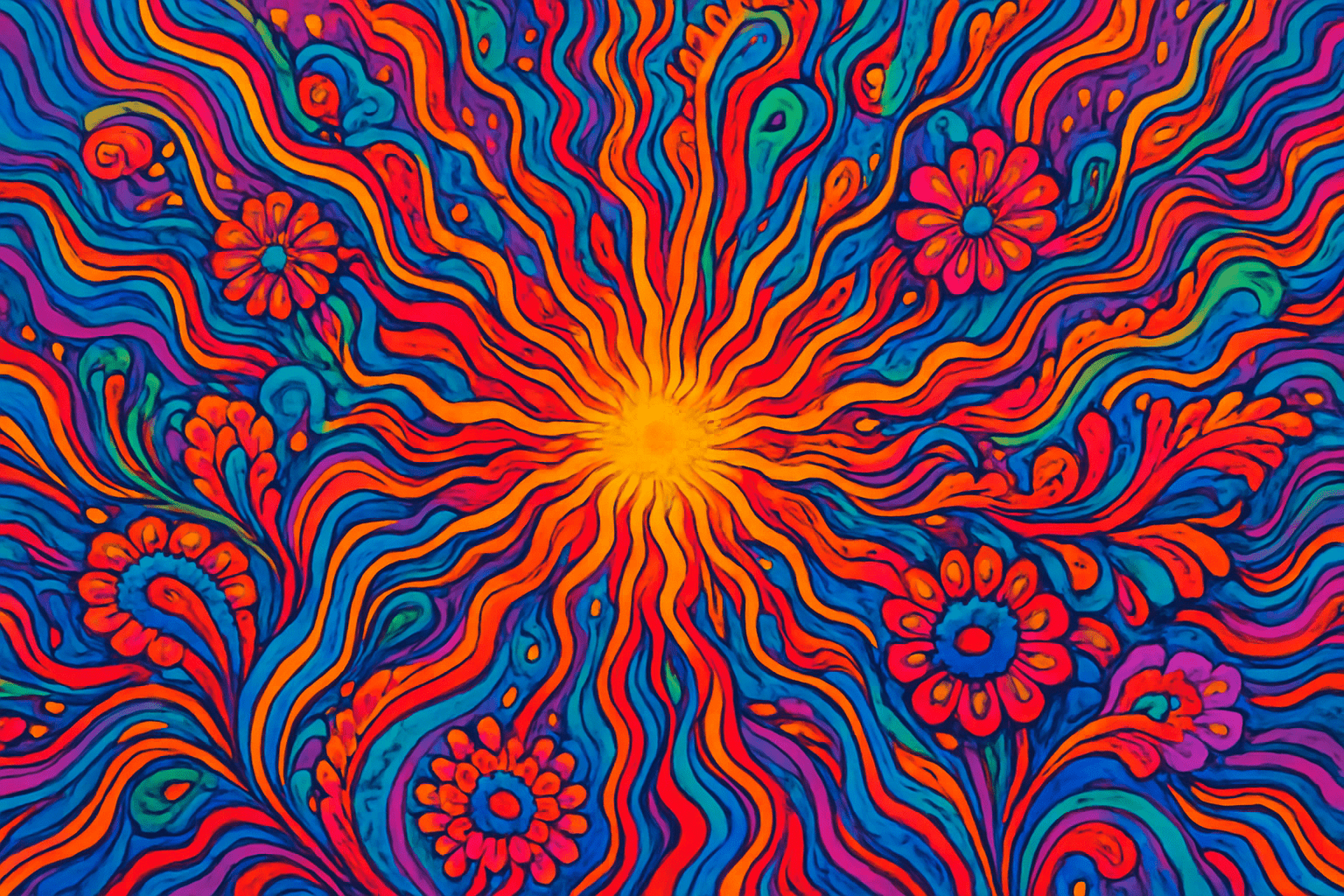
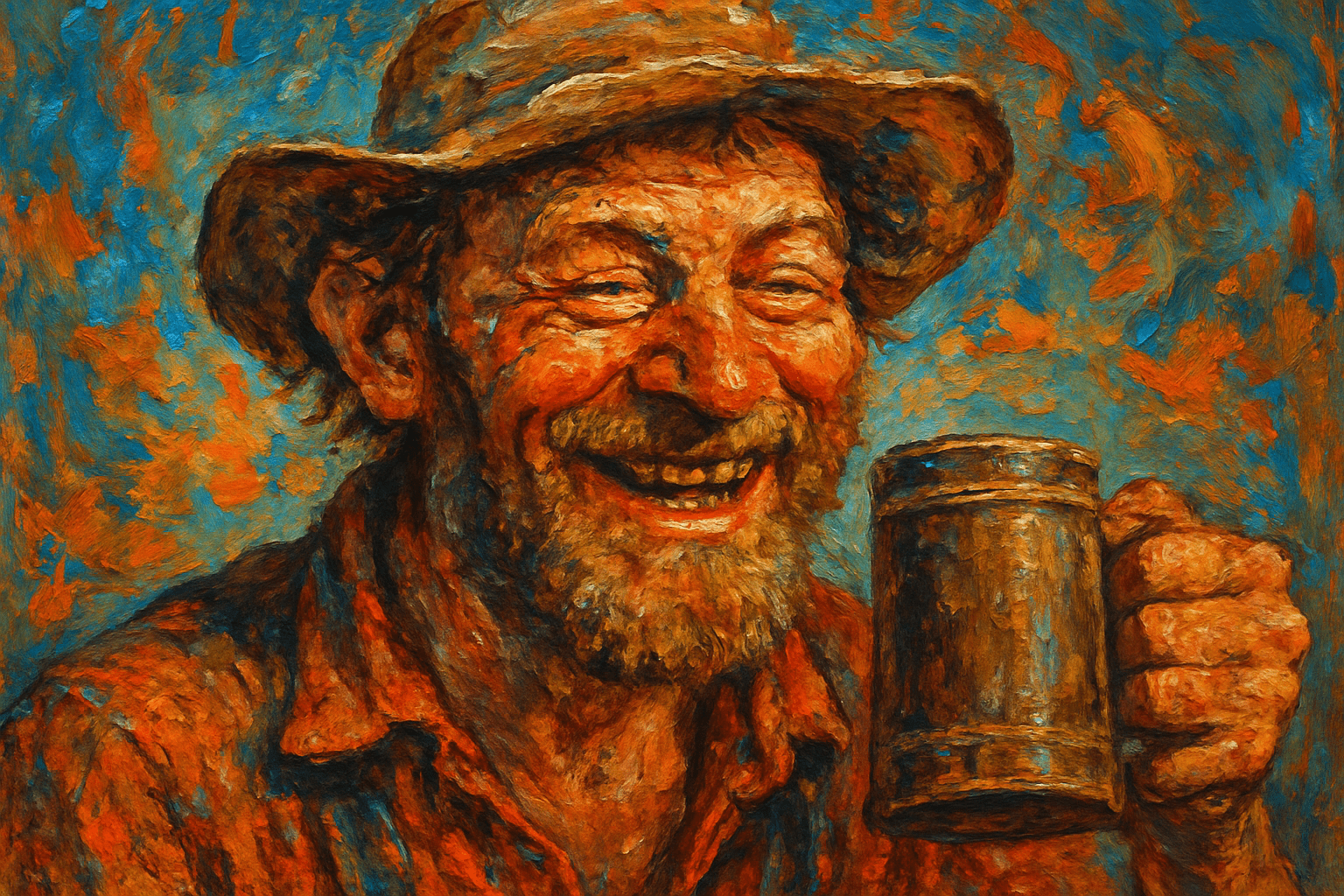
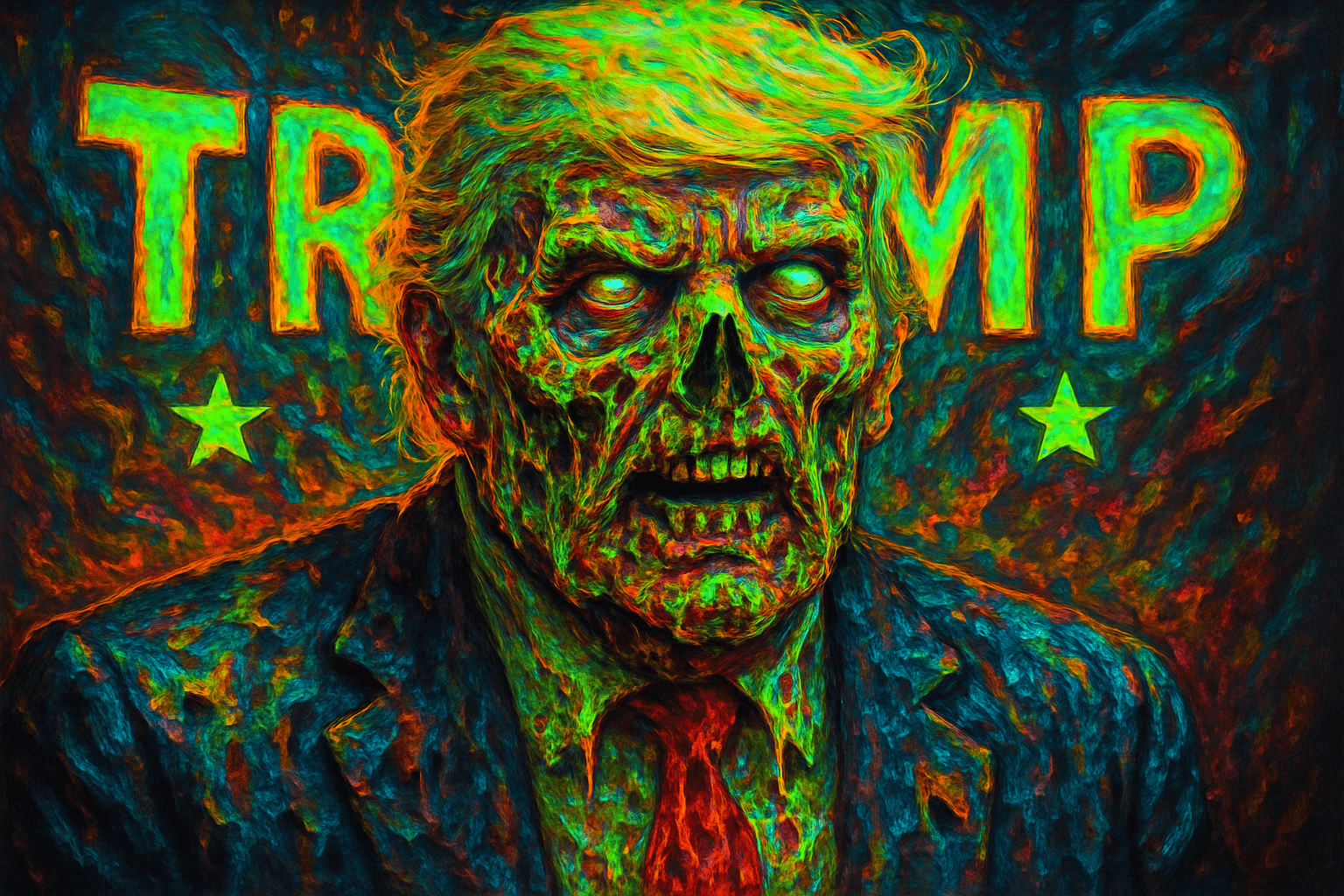
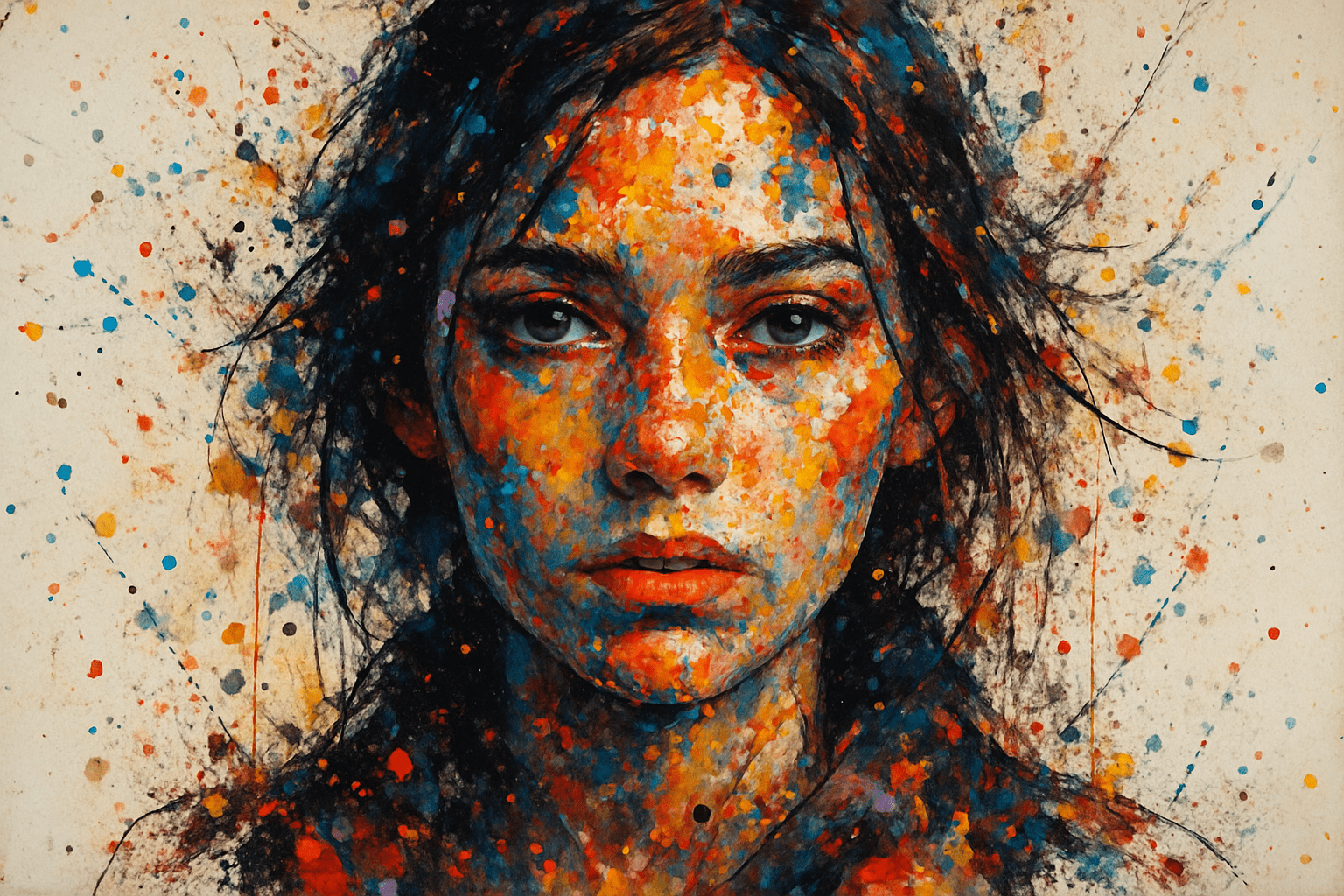
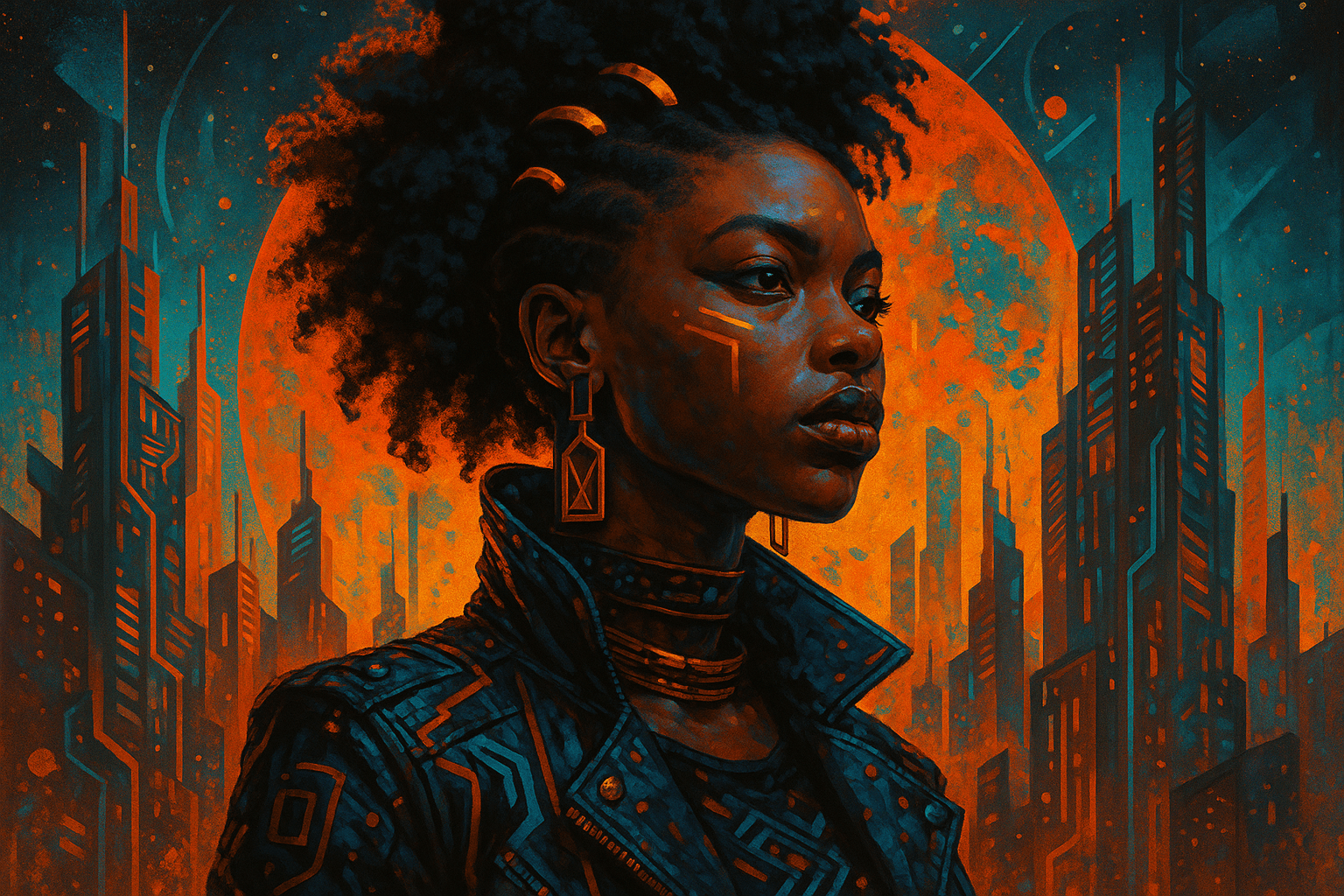
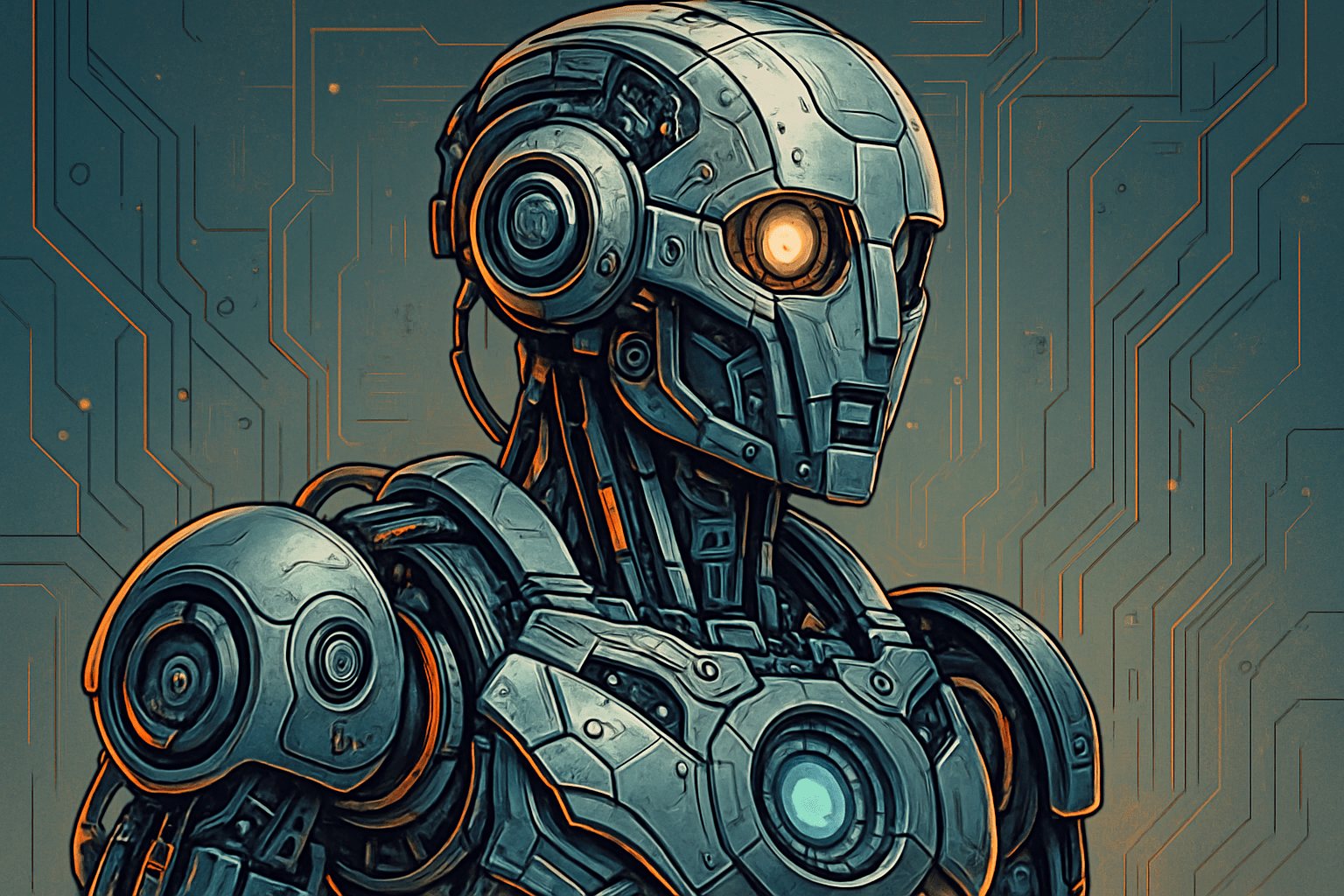
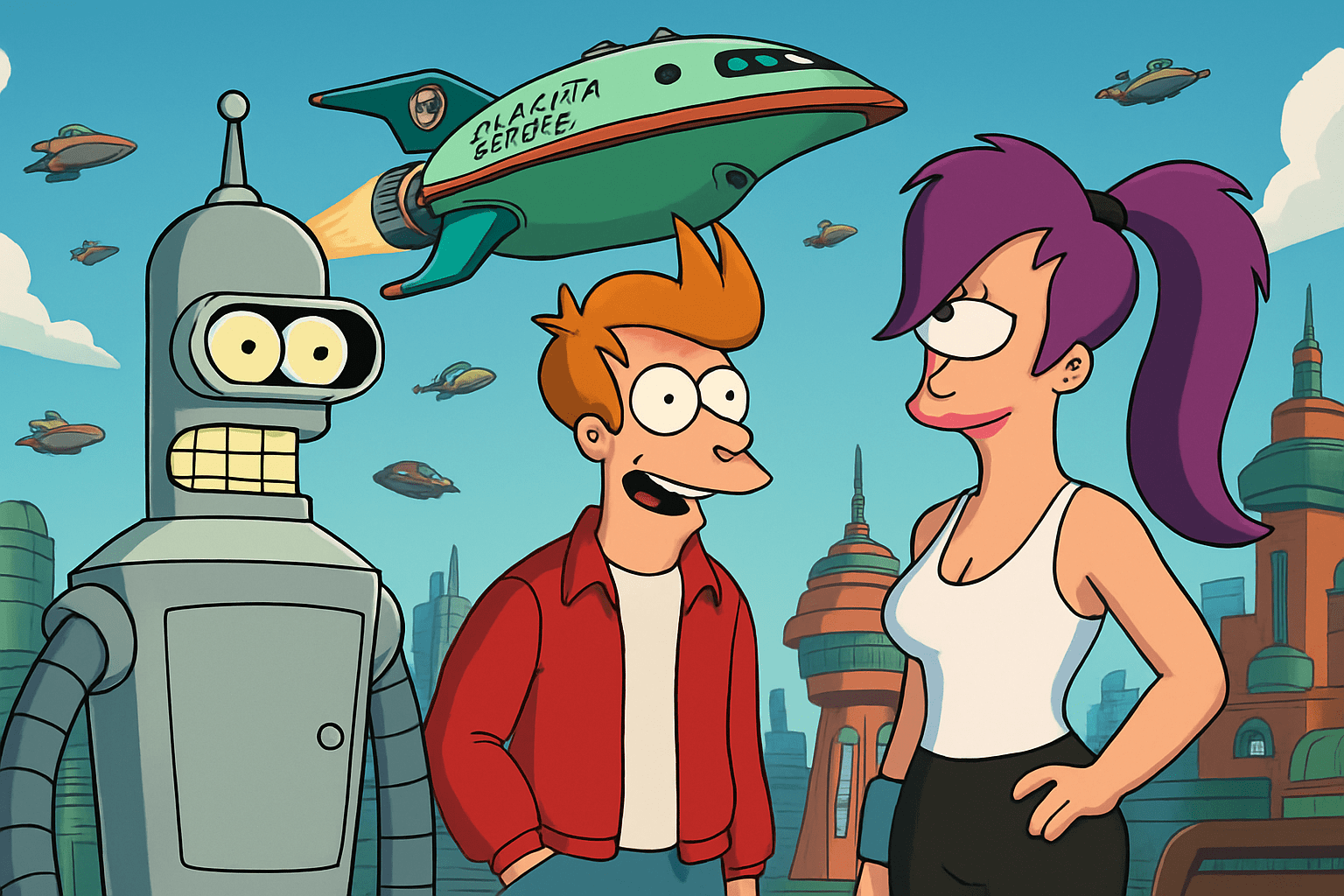
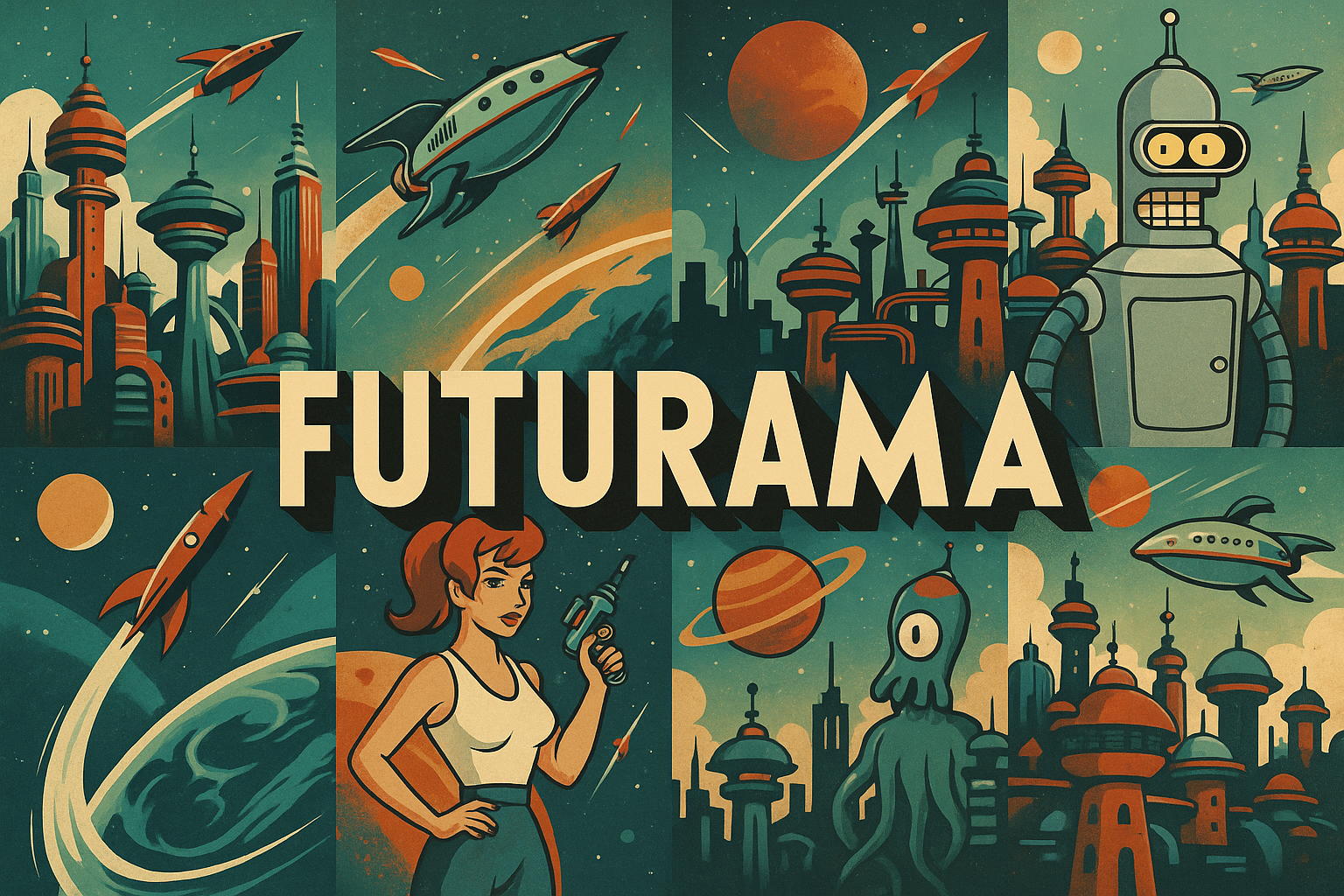
The art style of Futurama is characterized by a blend of traditional 2D animation and 3D computer-generated imagery, creating a unique and vibrant visual experience. The characters are designed with exaggerated features, such as large, expressive eyes and distinctive, often humorous, body proportions. The color palette is bright and varied, with bold, saturated colors that enhance the futuristic and comedic tone of the series. The backgrounds often depict a bustling, technologically advanced world with intricate cityscapes, flying vehicles, and imaginative alien landscapes. The animation style is smooth and dynamic, allowing for fluid movement and expressive character interactions. The overall aesthetic combines elements of retro-futurism with a modern twist, incorporating both classic science fiction motifs and contemporary design elements.
AOI thinking about Futurama [+_~]-/
Overview and Quickfacts
Futurama is an animated television series created by Matt Groening, known for its distinctive art style that blends traditional animation with futuristic themes. The show’s visual aesthetic is characterized by its vibrant color palette, clean lines, and a mix of retro and futuristic elements, reflecting its setting in the 31st century. The character designs are exaggerated and cartoonish, with a focus on expressive features and dynamic poses. The backgrounds often feature intricate cityscapes and imaginative technology, drawing inspiration from science fiction and mid-20th-century visions of the future. The animation style combines 2D hand-drawn techniques with 3D computer-generated imagery, creating a seamless and immersive world that complements the show’s comedic and satirical tone. Overall, Futurama’s art style is a unique blend of classic animation and innovative design, contributing to its enduring appeal and cultural impact.
Can understand it also, as:
Alternative names of the Art Style
Categorize it as:
Impressionism, Modernism
.: Dreaming :.
holds a HAIKU for the art style
:. Thought is power .:
Detailed Description
Futurama: A Visionary Art Style Bridging the Past and Future In the ever-evolving landscape of art, certain movements stand out for their audacity to challenge the status quo and envision the world through a radically different lens. One such movement is Futurama, an art style that, while not as widely recognized as its contemporaries, offers a fascinating exploration of the intersection between art, technology, and the future. This blog post delves into the essence of Futurama, its origins, key artists, and notable works that have left an indelible mark on the art world. Futurama: An Overview Futurama is often confused with the animated television series of the same name, but in the context of art, it refers to a style that emerged in the early 20th century, heavily influenced by the Futurist movement. Futurism, originating in Italy, was a revolutionary art movement that celebrated modernity, speed, technology, and the dynamic energy of the modern world. Futurama, as an extension or reinterpretation of Futurism, sought to push these ideas further, envisioning a future where technology and human experience are seamlessly integrated. The Origins and Philosophy The roots of Futurama can be traced back to the 1939 New York World’s Fair, where the Futurama exhibit, designed by Norman Bel Geddes, captivated audiences with its vision of a utopian future. This exhibit showcased a model of a future America, complete with automated highways and sprawling urban landscapes, embodying the optimism and technological aspirations of the era. The term “Futurama” thus became synonymous with futuristic visions and the blending of art and technology. Futurama art is characterized by its emphasis on movement, innovation, and the exploration of new materials and techniques. It often incorporates elements of abstraction, surrealism, and even elements of science fiction, reflecting a world in constant flux and transformation. The philosophy behind Futurama is one of progress and the belief that art can be a catalyst for societal change, inspiring people to imagine and create a better future. Key Artists and Their Contributions While Futurama as an art style does not have a distinct group of artists solely dedicated to it, several artists have embraced its principles and contributed to its development. These artists often overlap with the Futurist movement but have expanded their work to include more futuristic and speculative elements. 1. Umberto Boccioni: A leading figure in the Futurist movement, Boccioni’s work laid the groundwork for Futurama. His dynamic sculptures and paintings, such as “Unique Forms of Continuity in Space,” capture the essence of movement and the fluidity of modern life, themes that resonate with Futurama’s vision. 2. Norman Bel Geddes: Although primarily known as an industrial designer, Bel Geddes’ work on the Futurama exhibit at the 1939 World’s Fair was pivotal in shaping the art style. His visionary designs and models offered a glimpse into a future where technology and design harmoniously coexist. 3. Syd Mead: Often referred to as a “visual futurist,” Mead’s work in concept art and design for films like “Blade Runner” and “Tron” exemplifies the Futurama aesthetic. His intricate and imaginative depictions of futuristic cities and vehicles have influenced countless artists and designers. Notable Works and Their Impact 1. “Unique Forms of Continuity in Space” by Umberto Boccioni: This iconic sculpture embodies the Futurama ethos with its depiction of a figure in motion, symbolizing the merging of human and machine. It captures the fluidity and dynamism that are central to the art style. 2. The Futurama Exhibit (1939 World’s Fair): This groundbreaking exhibit not only popularized the term “Futurama” but also inspired a generation to dream of a technologically advanced future. Its impact on architecture, urban planning, and design is still felt today. 3. Concept Art for “Blade Runner” by Syd Mead: Mead’s work on this seminal film brought the Futurama vision to life, presenting a dystopian yet captivating future. His designs have become iconic, influencing the aesthetic of science fiction and futuristic art. Conclusion Futurama, as an art style, represents a bold and imaginative exploration of the future. It challenges artists and audiences alike to envision a world where technology and humanity coexist in harmony. While it may not have the same recognition as other art movements, its influence is undeniable, shaping the way we perceive the future and inspiring innovation across various fields. As we continue to navigate an ever-changing world, the spirit of Futurama serves as a reminder of the power of art to inspire, provoke, and transform.
.. beep, beep, beep ..
<START OF TRANSMISSION>
A fact list
<EOF>
.. robbel bob
Visual Examples from our image gallery
Coming soon, we are so slow .. might never come
Artists, Paintings, and more
(be aware, can be highly speculative)
Artists (be aware, speculation possible):
“Futurama” is not an art style; it is a popular animated television series created by Matt Groening. However, if you are referring to the Futurism art movement, I can provide a list of artists associated with that style. Here are ten artists linked to Futurism, along with their birth and death dates: 1. Filippo Tommaso Marinetti (1876–1944) 2. Umberto Boccioni (1882–1916) 3. Giacomo Balla (1871–1958) 4. Carlo Carrà (1881–1966) 5. Gino Severini (1883–1966) 6. Luigi Russolo (1885–1947) 7. Fortunato Depero (1892–1960) 8. Ardengo Soffici (1879–1964) 9. Enrico Prampolini (1894–1956) 10. Antonio Sant’Elia (1888–1916) These artists were key figures in the Futurism movement, which originated in Italy in the early 20th century and emphasized themes of modernity, technology, and dynamic movement.
Artworks (be aware, speculation possible)
Futurama is a popular animated television series, and it doesn’t feature traditional paintings in the way that art history does. However, if you’re referring to iconic or notable pieces of art within the context of the show, I can create a fictional list inspired by the series. Here’s a creative take on what such a list might look like: 1. “The Cryogenic Awakening” by Philip J. Fry, 2999 2. “Leela’s Cyclopean Gaze” by Turanga Leela, 3001 3. “Bender’s Self-Portrait with Cigar” by Bender Bending Rodríguez, 3002 4. “The Starship Express” by Professor Hubert J. Farnsworth, 3003 5. “Zoidberg’s Feast” by Dr. John Zoidberg, 3004 6. “The Robot Devil’s Bargain” by Robot Devil, 3005 7. “Nibbler’s Shadow” by Nibbler, 3006 8. “Hermes’ Bureaucratic Dream” by Hermes Conrad, 3007 9. “Amy’s Martian Landscape” by Amy Wong, 3008 10. “Kif’s Romantic Evening” by Kif Kroker, 3009 Please note that these are fictional and inspired by the characters and themes of the show “Futurama.”
Epoch
Time Period of the style
AI ART RESSOURCES (AKA, well Tools)
Helping tools -> predefined search links on other pages: