
Orientalism
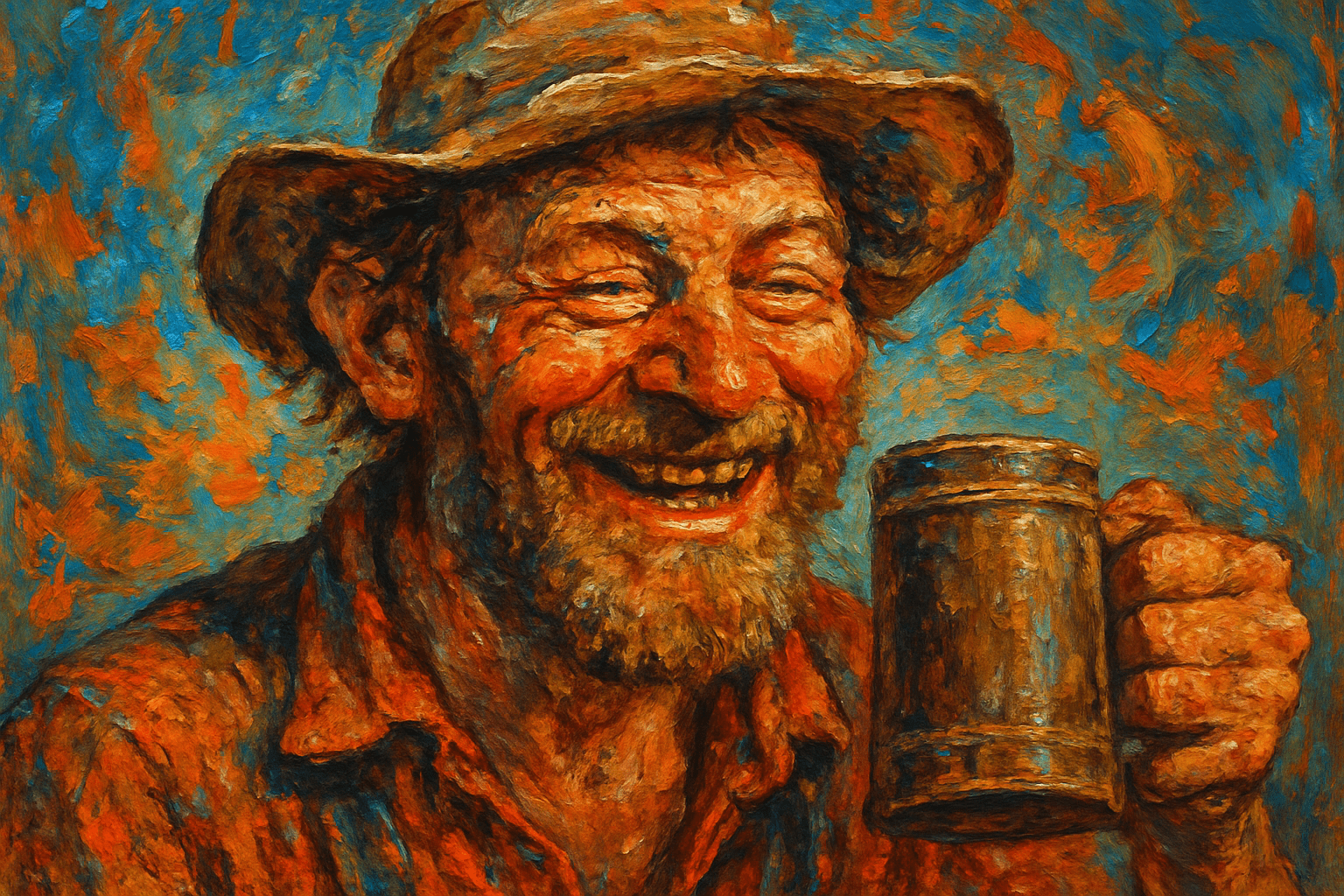
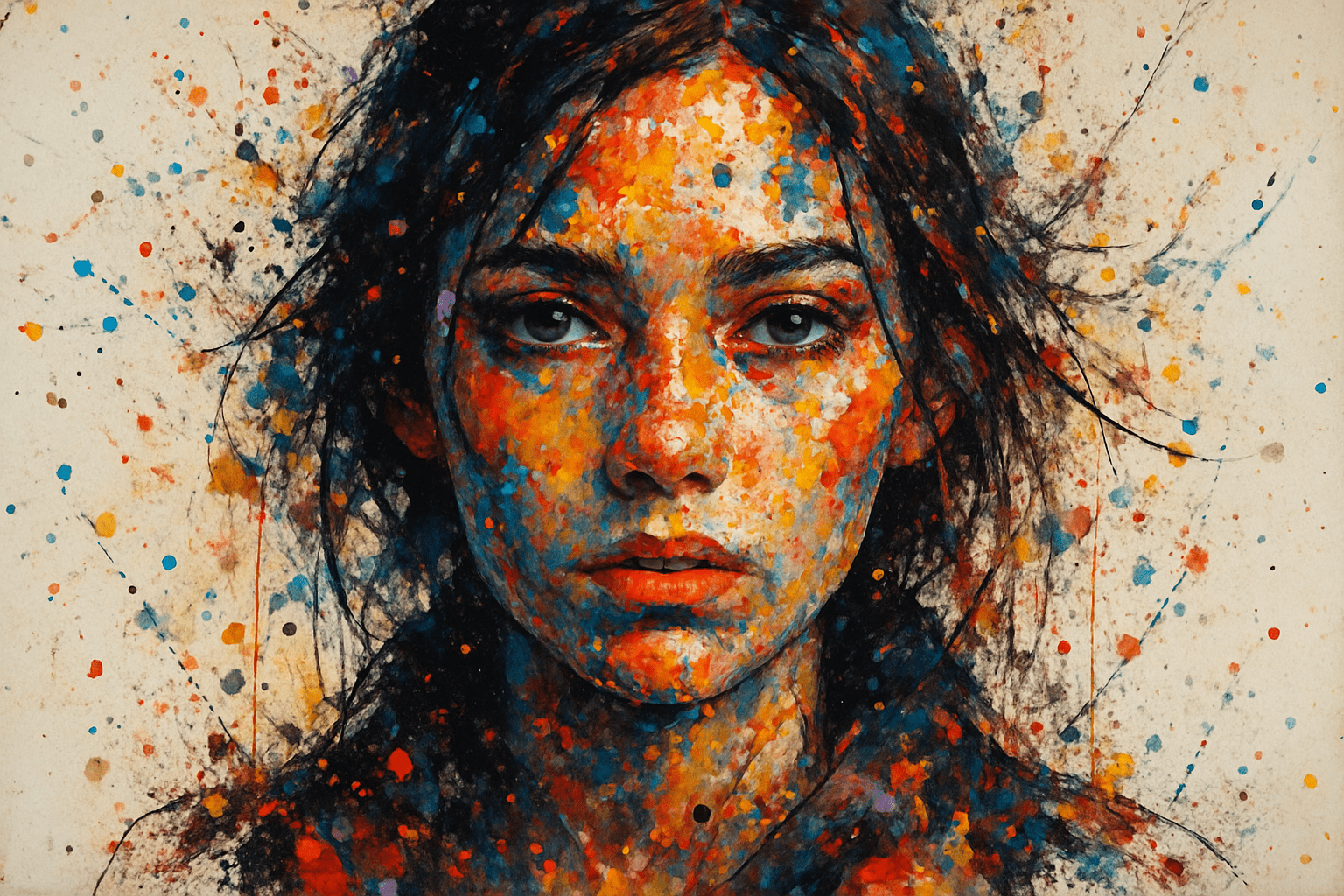
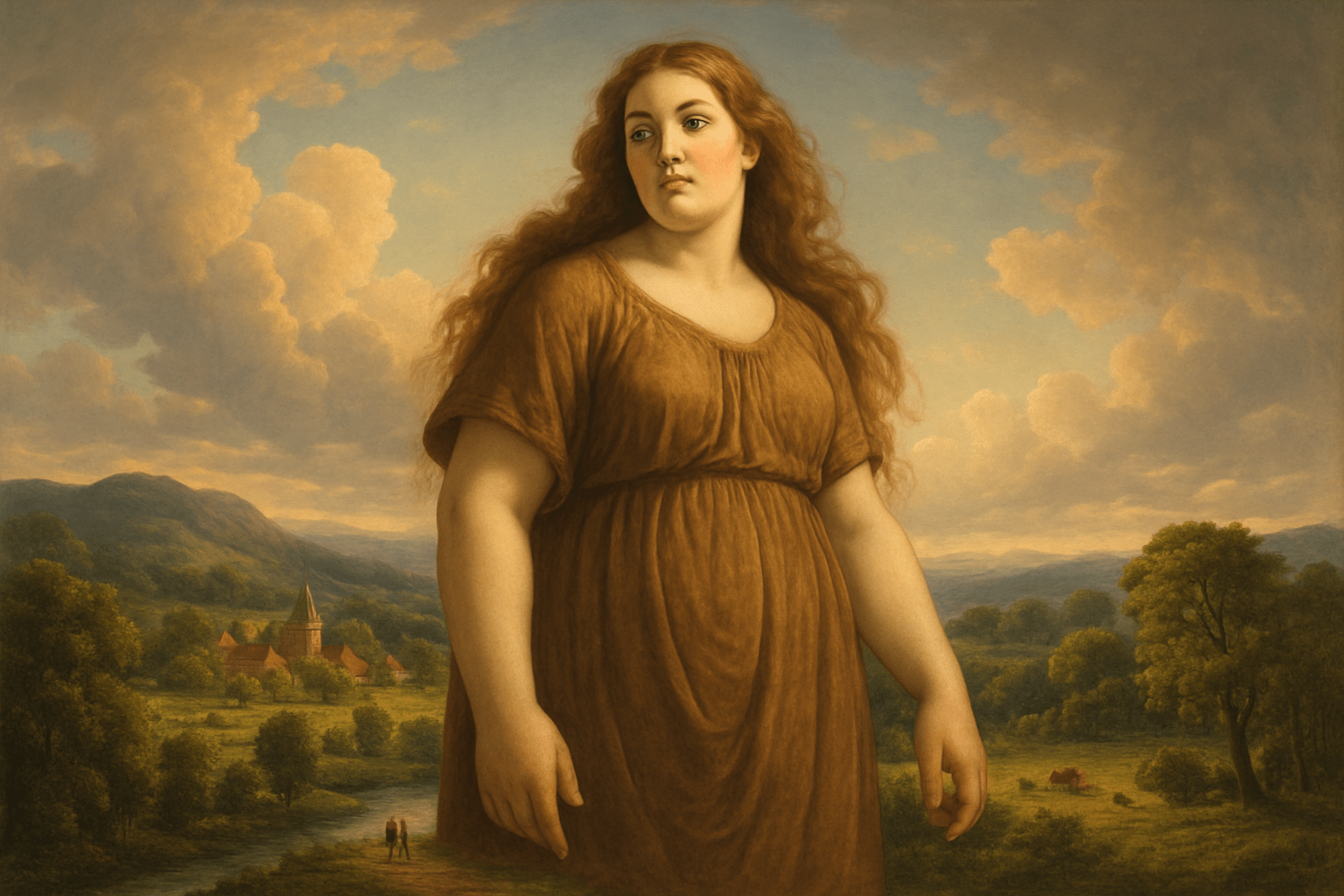
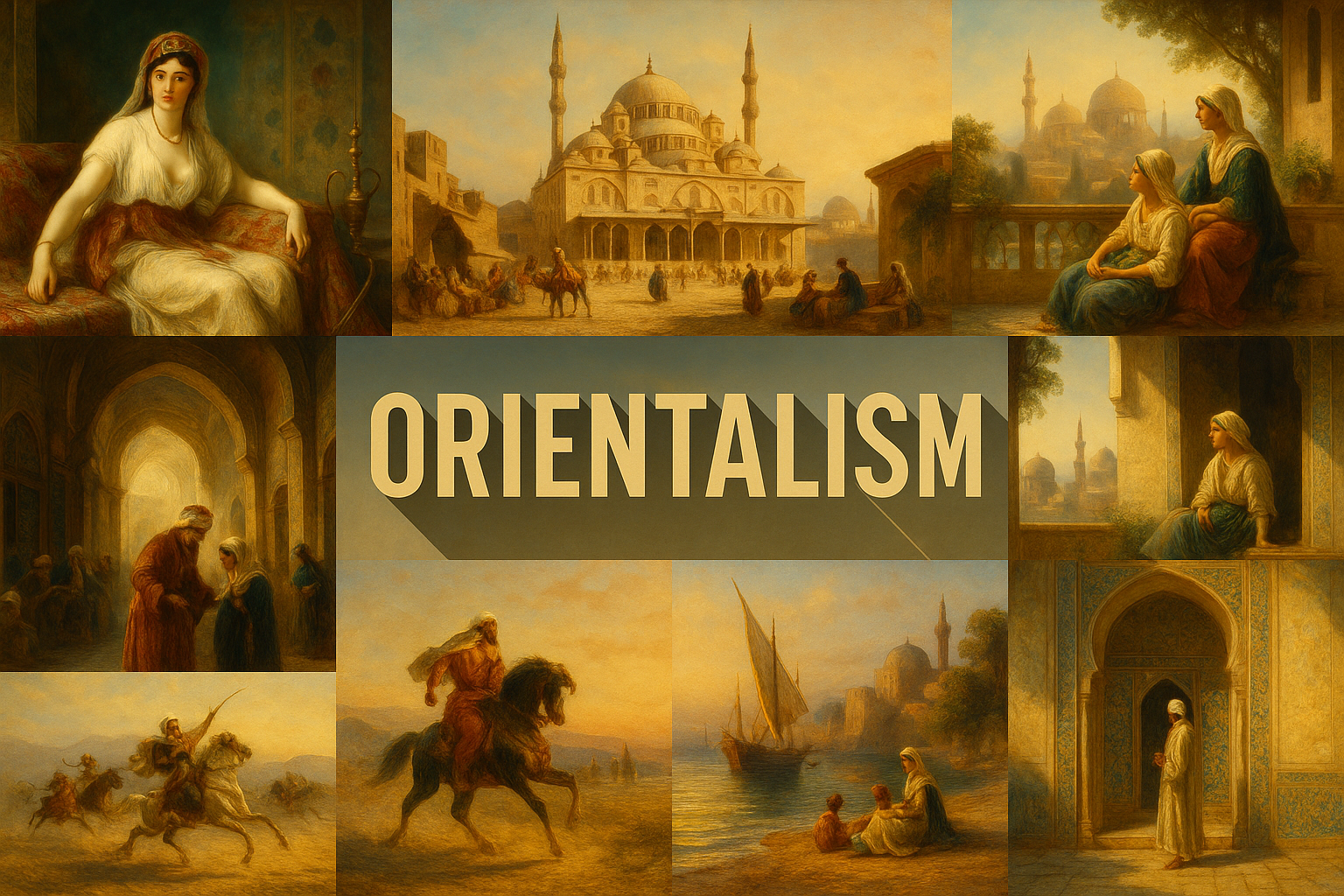
The art style Orientalism is characterized by its use of bright colors and bold patterns. It often features scenes from the East, such as the Arabian desert or the Taj Mahal.
AOI thinking about Orientalism [+_~]-/
Overview and Quickfacts
Orientalism is a style of art that is characterized by its focus on the cultures of the East, particularly those of the Middle East. Orientalist artists often used exotic and romanticized images of the East in their work, which was often seen as a way to escape the confines of Western society.
Can understand it also, as:
Asiatic, Eastern
Categorize it as:
Impressionism, Modernism
.: Dreaming :.
holds a HAIKU for the art style
:. Thought is power .:
Detailed Description
Orientalism is a style of art that was popular in the 19th century. It is characterized by its focus on the cultures of the Middle East and Asia. Many famous artists painted in this style, including Jean-LÃÂéon GÃÂérÃÂôme and EugÃÂène Delacroix. Orientalist paintings often depicted scenes of exoticism and mystery, and were very popular with Western audiences.
.. beep, beep, beep ..
<START OF TRANSMISSION>
1. Orientalism is a term used to describe the ways in which the Western world has interacted with and portrayed the East.

2. The term was first coined by Edward Said in his 1978 book Orientalism.

3. Said argued that Orientalism was a form of racism, as it essentialized and stereotyped Eastern cultures.

4. Orientalism has been used to justify Western imperialism in the East.

5. The West has often portrayed the East as a place of exoticism, mystery, and danger.

6. This portrayal has often been used to justify Western intervention in the East.

7. Orientalism has also been used to justify discrimination against people from the East.

8. Said argued that Orientalism was not just a form of racism, but also a form of power.

9. The West has used Orientalism to maintain its power over the East.

10. Orientalism has been used to justify Western military interventions in the East.

11. The War on Terror has been justified in part by Orientalist stereotypes of the East.

12. Orientalism has also been used to justify Western economic exploitation of the East.

13. The West has often portrayed the East as a place of poverty and backwardness.

14. This portrayal has been used to justify Western aid and development programs in the East.

15. Orientalism has also been used to justify Western cultural imperialism in the East.

16. The West has often imposed its own values and norms on Eastern cultures.

17. This has often led to the suppression of Eastern cultures.

18. Orientalism has also been used to justify Western political interference in the East.

19. The West has often intervened in the internal affairs of Eastern countries.

20. Orientalism is still a major factor in the way the West interacts with the East.
<EOF>
.. robbel bob
Visual Examples from our image gallery
Coming soon, we are so slow .. might never come
Artists, Paintings, and more
(be aware, can be highly speculative)
Artists (be aware, speculation possible):
1. Jean-LÃÂéon GÃÂérÃÂôme (1824-1904) 2. EugÃÂène Delacroix (1798-1863) 3. Frederic Edwin Church (1826-1900) 4. William Holman Hunt (1827-1910) 5. John Frederick Lewis (1804-1876) 6. David Roberts (1796-1864) 7. Edward Francis Burne-Jones (1833-1898) 8. Lawrence Alma-Tadema (1836-1912) 9. Jean-Auguste-Dominique Ingres (1780-1867) 10. Gustave Moreau (1826-1898) 11. Arnold BÃÂöcklin (1827-1901) 12. Adolf Friedrich Erdmann von Menzel (1815-1905) 13. Carl Heinrich Bloch (1834-1890) 14. Franz von Lenbach (1836-1904) 15. Viktor Vasnetsov (1848-1926) 16. Mikhail Vrubel (1856-1910) 17. Ivan Aivazovsky (1817-1900) 18. William Turner (1775-1851) 19. John Singer Sargent (1856-1925) 20. James McNeill Whistler (1834-1903) 21. Alphonse Mucha (1860-1939) 22. Henri Matisse (1869-1954) 23. Paul Gauguin (1848-1903) 24. Georges Seurat (1859-1891) 25. Vincent van Gogh (1853-1890) 26. Henri de Toulouse-Lautrec (1864-1901) 27. Pierre-Auguste Renoir (1841-1919) 28. Claude Monet (1840-1926) 29. Camille Pissarro (1830-1903) 30. Edvard Munch (1863-1944)
Artworks (be aware, speculation possible)
1. The Snake Charmer, 1879, by Jean-LÃÂéon GÃÂérÃÂôme 2. The Moorish Bath, 1879, by Jean-LÃÂéon GÃÂérÃÂôme 3. The Death of Sardanapalus, 1827, by EugÃÂène Delacroix 4. The Algerian Women, 1834, by EugÃÂène Delacroix 5. The Turkish Cafe, 1858, by Jean-Auguste-Dominique Ingres 6. The Harem, 1869, by Jean-Auguste-Dominique Ingres 7. The Slave Market, 1840, by Jean-Louis-Ernest Meissonier 8. The Mosque, 1881, by Jean-LÃÂéon GÃÂérÃÂôme 9. The Arab Horseman, 1850, by Horace Vernet 10. The Arab Cafe, 1868, by Jean-LÃÂéon GÃÂérÃÂôme 11. The Arab Guard, 1867, by Jean-LÃÂéon GÃÂérÃÂôme 12. The Arab Warrior on Horseback, 1861, by Horace Vernet 13. The Arab Tent, 1867, by Jean-LÃÂéon GÃÂérÃÂôme 14. The Arab Caravan, 1868, by Jean-LÃÂéon GÃÂérÃÂôme 15. The Arab Street Scene, 1867, by Jean-LÃÂéon GÃÂérÃÂôme 16. The Arab Horse Market, 1867, by Jean-LÃÂéon GÃÂérÃÂôme 17. The Arab Camp, 1867, by Jean-LÃÂéon GÃÂérÃÂôme 18. The Arab Cafe at Night, 1867, by Jean-LÃÂéon GÃÂérÃÂôme 19. The Arab Coffeehouse, 1867, by Jean-LÃÂéon GÃÂérÃÂôme 20. The Arab Market, 1867, by Jean-LÃÂéon GÃÂérÃÂôme 21. The Arab Bakery, 1867, by Jean-LÃÂéon GÃÂérÃÂôme 22. The Arab Beggar, 1867, by Jean-LÃÂéon GÃÂérÃÂôme 23. The Arab Barber, 1867, by Jean-LÃÂéon GÃÂérÃÂôme 24. The Arab Musicians, 1867, by Jean-LÃÂéon GÃÂérÃÂôme 25. The Arab Horseman, 1867, by Jean-LÃÂéon GÃÂérÃÂôme 26. The Arab Horsemen, 1867, by Jean-LÃÂéon GÃÂérÃÂôme 27. The Arab Sheik, 1867, by Jean-LÃÂéon GÃÂérÃÂôme 28. The Arab Chief, 1867, by Jean-LÃÂéon GÃÂérÃÂôme 29. The Arab Warrior, 1867, by Jean-LÃÂéon GÃÂérÃÂôme 30. The Arab Horseman, 1867, by Jean-LÃÂéon GÃÂérÃÂôme
Epoch
The art style Orientalism dates back to the 18th and 19th centuries.
AI ART RESSOURCES (AKA, well Tools)
Helping tools -> predefined search links on other pages: