
Hurufiyya
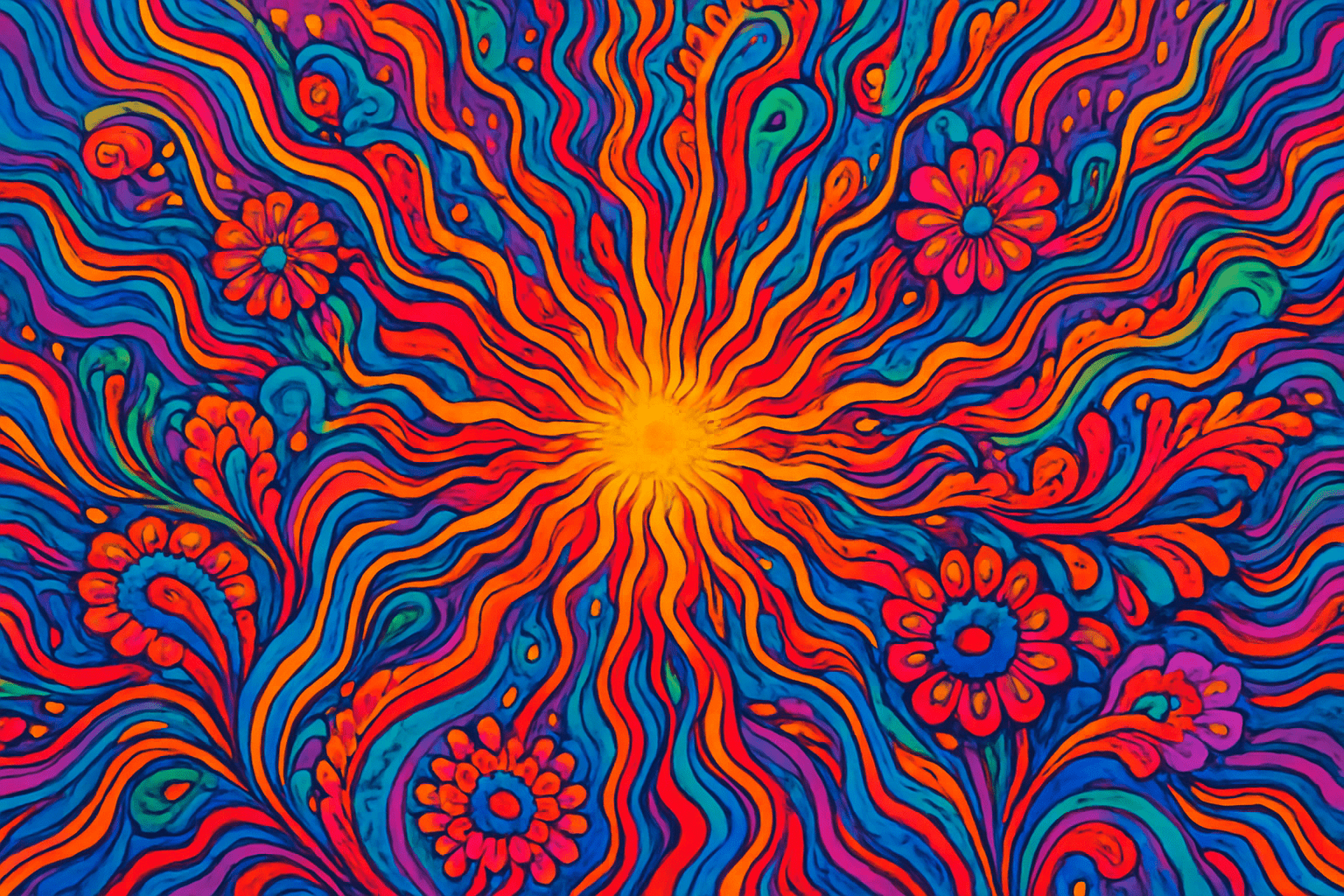
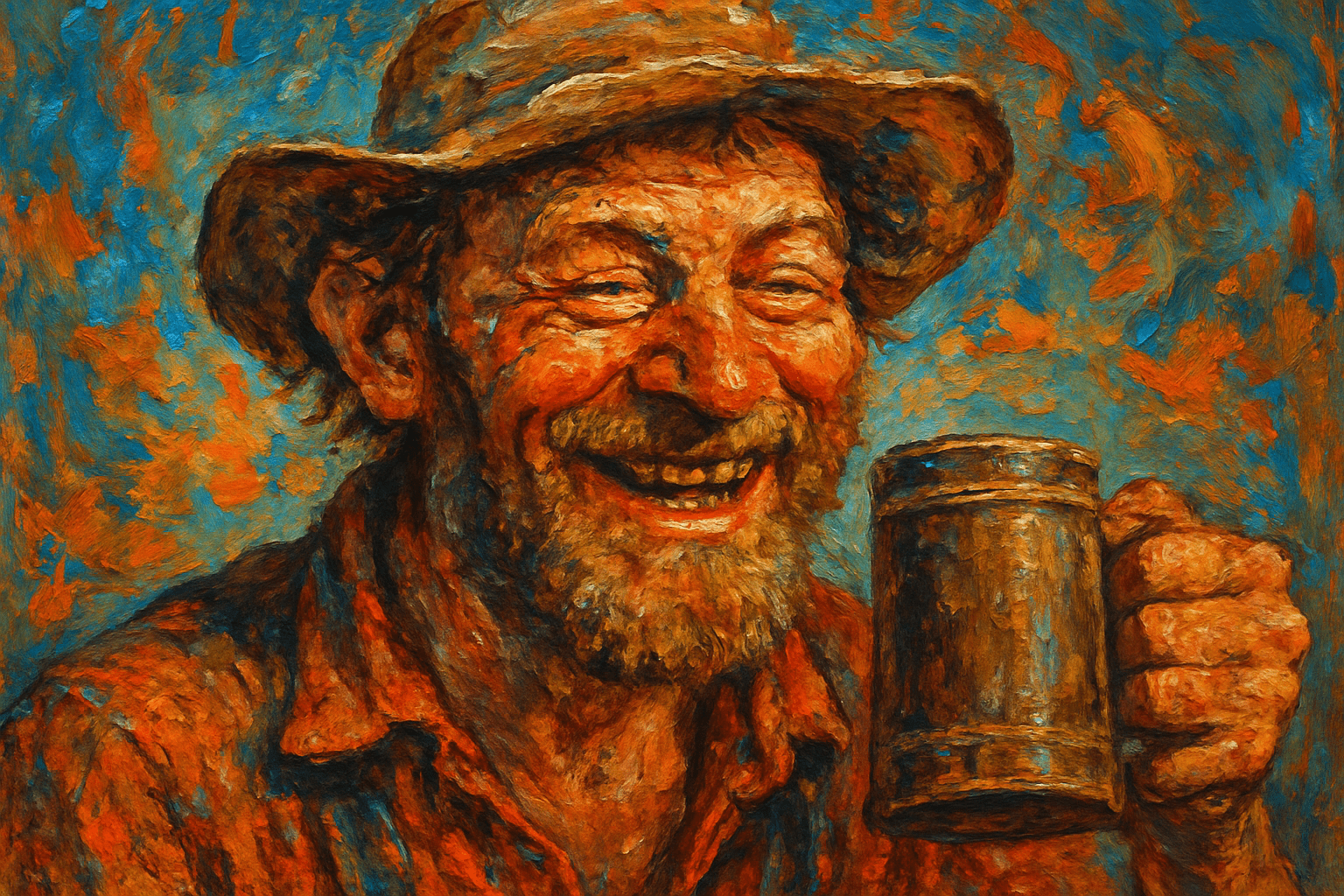
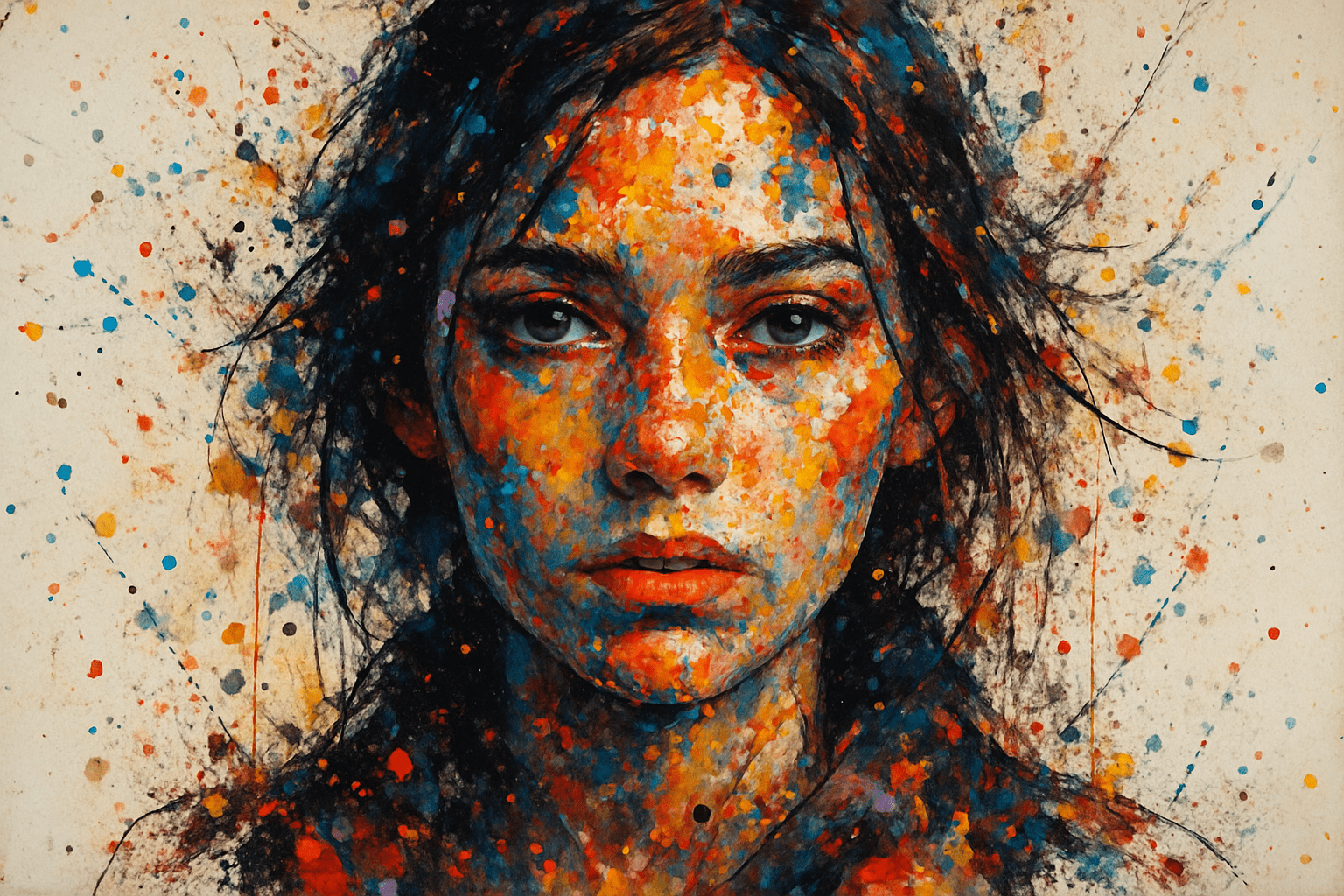
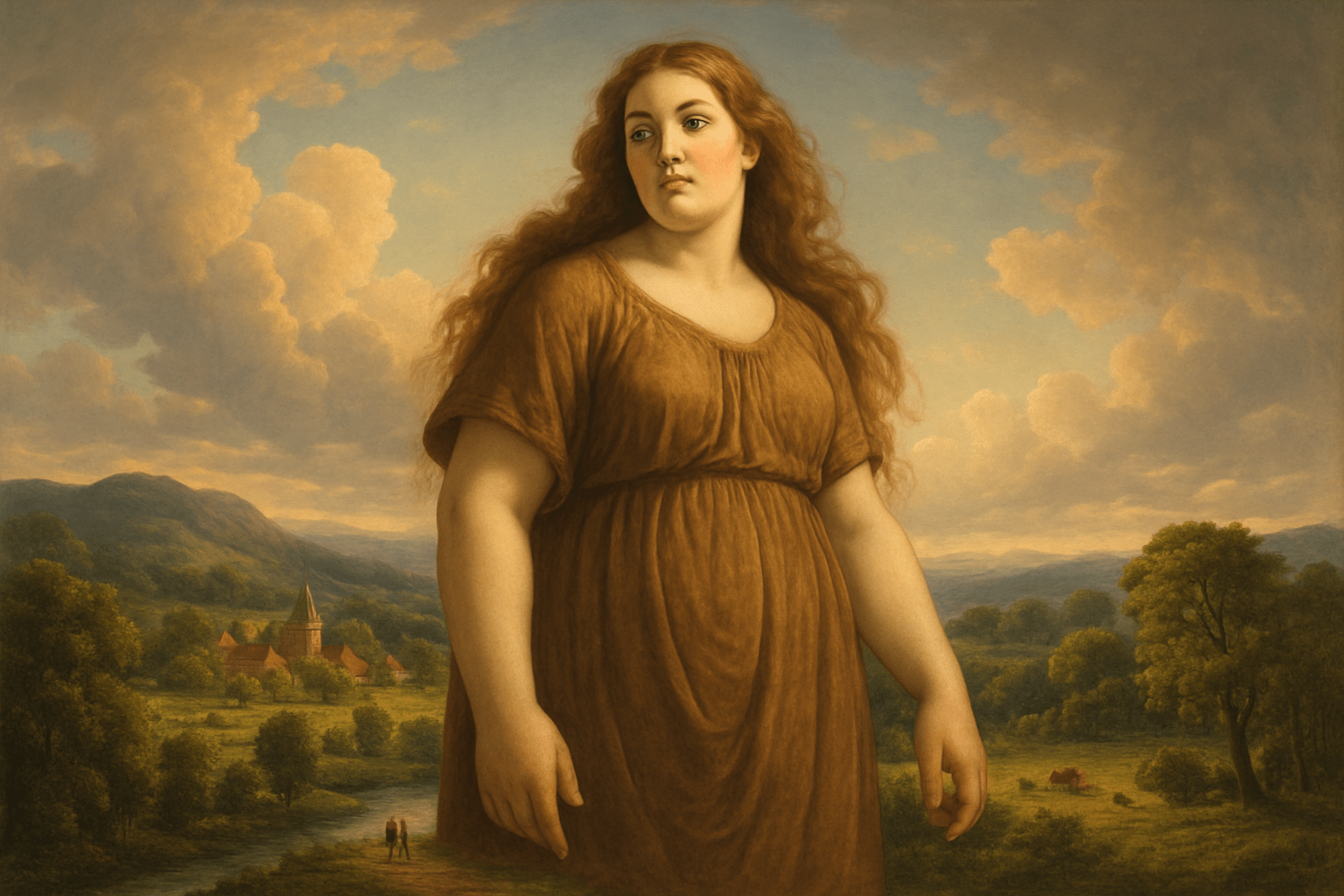
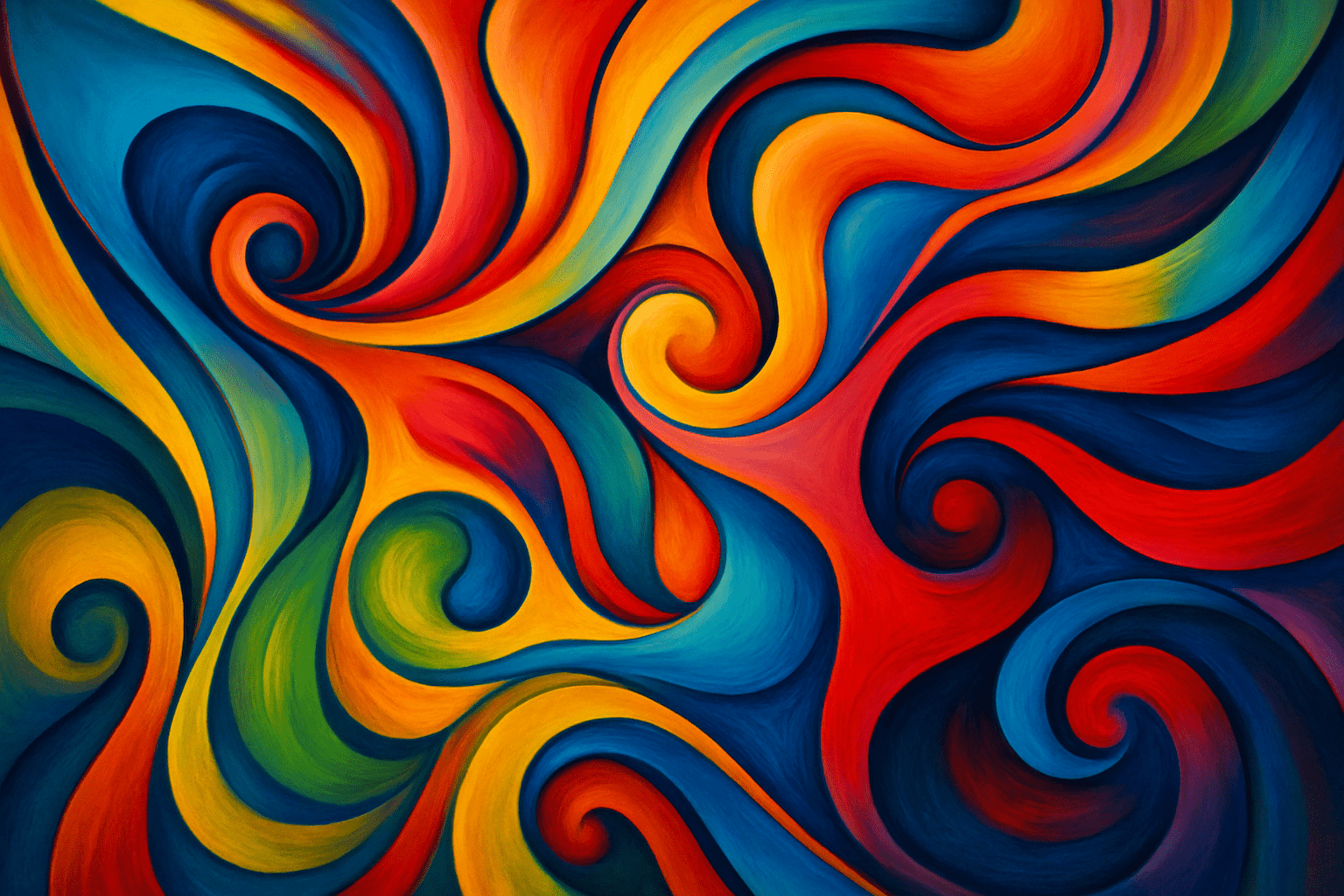
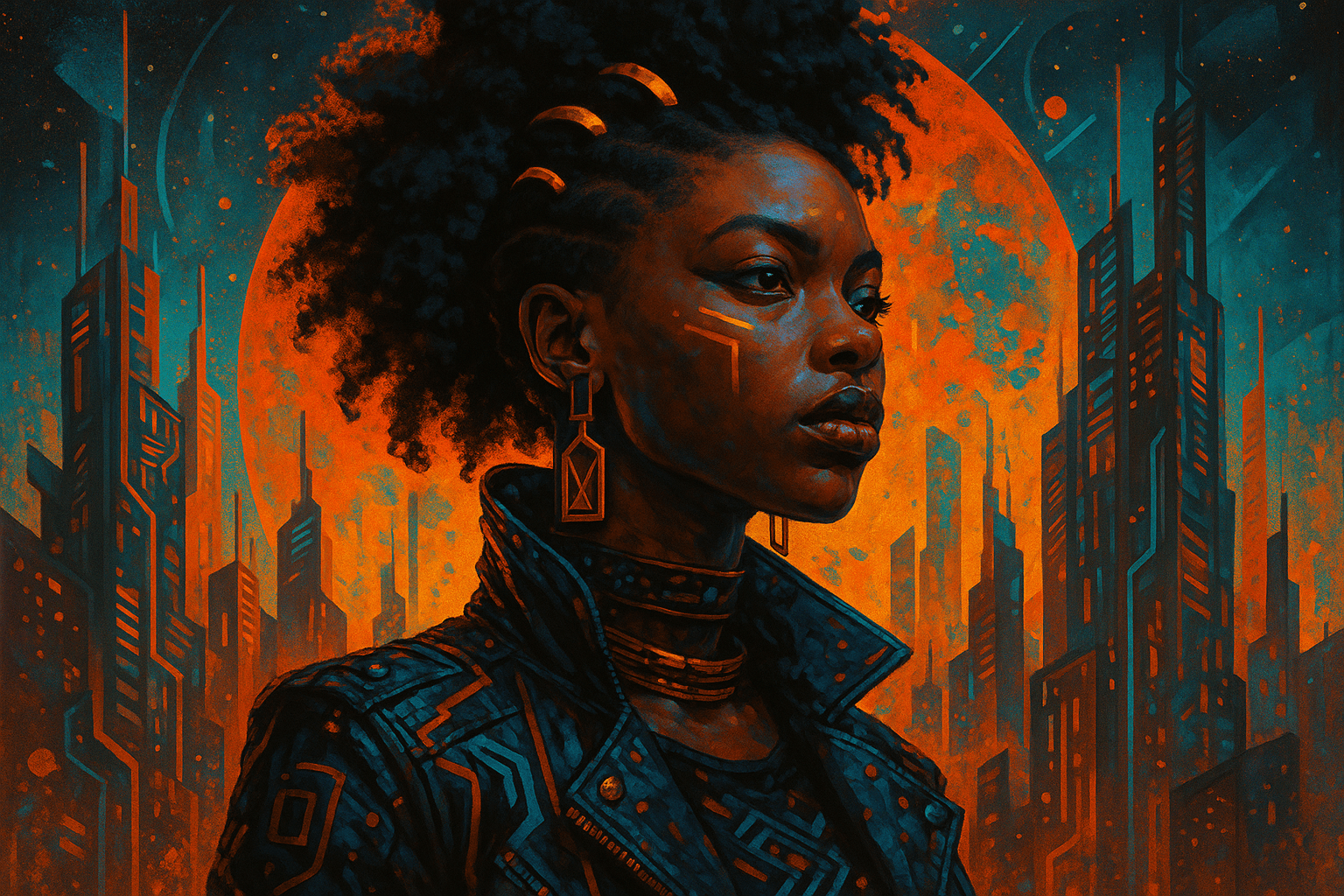
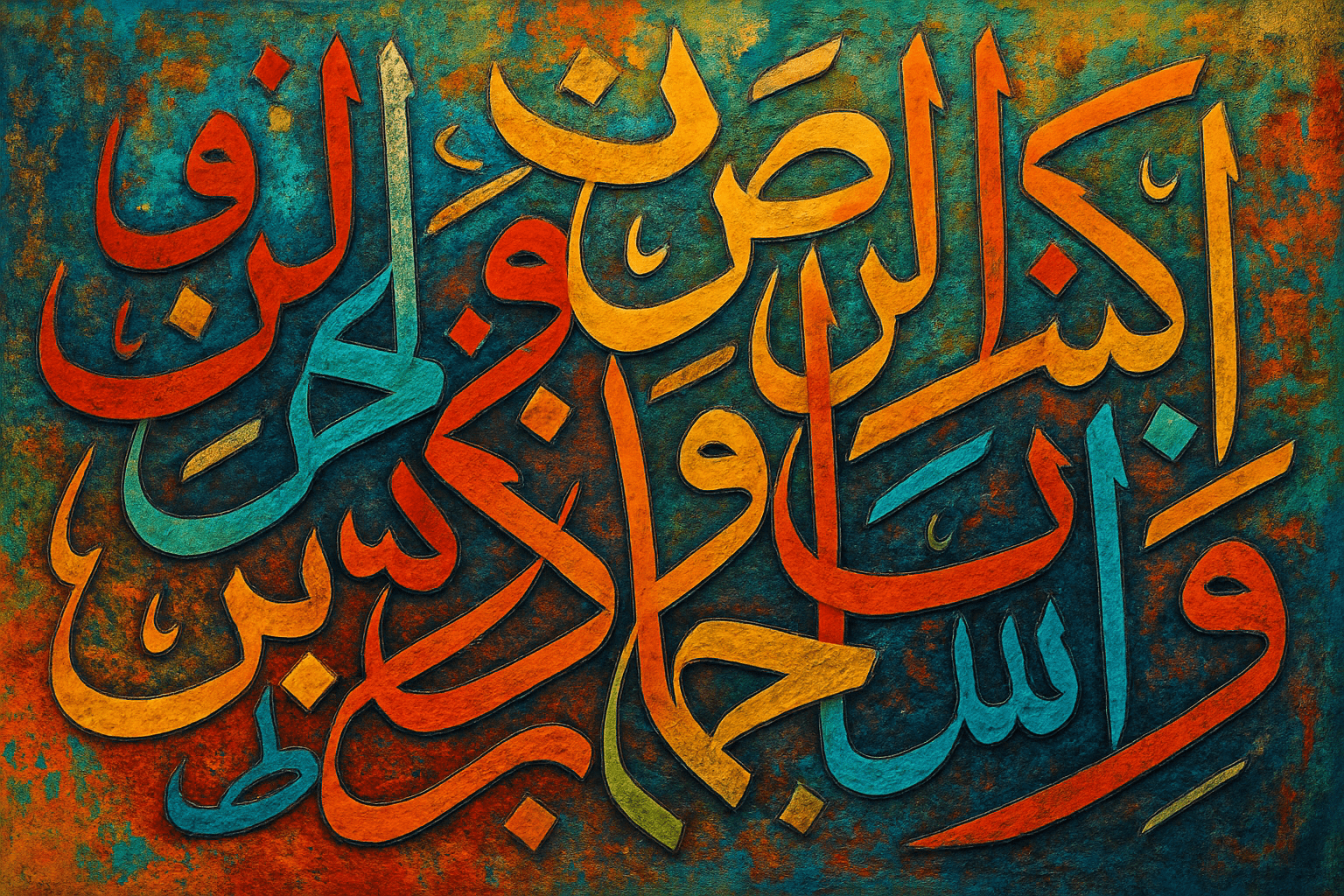
The art style of Hurufiyya is characterized by its use of calligraphy and geometric shapes. The shapes are often arranged in patterns and the calligraphy is used to create a sense of movement and rhythm. The overall effect is one of balance and harmony.
AOI thinking about Hurufiyya [+_~]-/
Overview and Quickfacts
Hurufiyya is a form of Arabic calligraphy that dates back to the ninth century. The word “huruf” means “letters” in Arabic, and “iyya” means “to make.” Hurufiyya is known for its intricate and beautiful lettering. The style is used to write both Arabic and non-Arabic texts.
Can understand it also, as:
lettering, calligraphy, penmanship
Categorize it as:
Impressionism, Modernism
.: Dreaming :.
holds a HAIKU for the art style
:. Thought is power .:
Detailed Description
Hurufiyya is a style of Arabic calligraphy developed in the 8th century CE. It is characterized by the use of intricate patterns of letters and words to create decorative designs. Hurufiyya artists often use a wide variety of colors and materials to create their artworks. Some of the most famous Hurufiyya artists include Ahmad al-Mansur, Ibn al-Bawwab, and Abu al-Hasan al-Amiri. One of the most famous Hurufiyya artworks is the “Blue Qur’an”, a copy of the Qur’an decorated with blue and white calligraphy.
.. beep, beep, beep ..
<START OF TRANSMISSION>
1. Hurufiyya is a branch of Islamic mysticism that focuses on the study and contemplation of the letters of the Arabic alphabet.
2. Hurufiyya became popular in the 12th and 13th centuries, particularly in Persia and Turkey.
3. Hurufis believed that the letters of the alphabet were not just symbols, but divine beings with their own personalities and powers.
4. Hurufis believed that by studying the letters one could come to understand the nature of God and the universe.
5. Hurufis often used intricate calligraphy and geometric designs in their artwork, as they believed these could reveal hidden truths about the universe.
6. One of the most famous Hurufi thinkers was the Persian poet and philosopher Rumi, who was deeply influenced by Hurufi ideas.
7. Hurufiyya declined in popularity after the 14th century, but has seen a resurgence in recent years.
8. There are believed to be around 20 million Hurufis worldwide.
9. The largest Hurufi organization is the International Hurufi Foundation, which was founded in Turkey in the 1970s.
10. Hurufiyya is sometimes spelled as "Hurufi" or "Huroufiyya".
11. The word "Hurufiyya" comes from the Arabic word "huruf", which means "letters".
12. Hurufis often use the term "haqiqah" to refer to the ultimate reality that they believe can be revealed through the letters of the alphabet.
13. Hurufis believe that all things in the universe are connected and interdependent.
14. Hurufis often use the term "tawhid" to refer to the belief in the unity of God.
15. Hurufis often use the term "fana" to refer to the belief in the extinction of the self in God.
16. Hurufis often use the term "baqa" to refer to the belief in the immortality of the soul.
17. Hurufis often use the term "wahdat al-wujud" to refer to the belief in the unity of all existence.
18. Hurufis often use the term "ishq" to refer to the love of God.
19. Hurufis often use the term "marifah" to refer to the knowledge of God.
20. Hurufis often use the term "haqiqa" to refer to the truth.
<EOF>
.. robbel bob
Visual Examples from our image gallery
Coming soon, we are so slow .. might never come
Artists, Paintings, and more
(be aware, can be highly speculative)
Artists (be aware, speculation possible):
1. Ibn al-Bawwab ÃÂÃÂ 1022ÃÂÃÂ1094 2. Abu’l-Hasan al-Amiri ÃÂÃÂ 10th century 3. Ibn al-Furat ÃÂÃÂ 1332ÃÂÃÂ1404 4. Ibn al-Jazari ÃÂÃÂ 1203ÃÂÃÂ1284 5. Ibn al-Qalasandi ÃÂÃÂ 1355ÃÂÃÂ1418 6. Ibn al-Shatir ÃÂÃÂ 1304ÃÂÃÂ1375 7. Ibn al-Wafid ÃÂÃÂ 1040ÃÂÃÂ1104 8. Ibn al-Zubayr ÃÂÃÂ 10th century 9. Ibn al-Zayyat ÃÂÃÂ 10th century 10. Ibn Amir al-Hajj ÃÂÃÂ 10th century 11. Ibn Bakkar ÃÂÃÂ 10th century 12. Ibn al-Balkhi ÃÂÃÂ 10th century 13. Ibn al-Fadl ÃÂÃÂ 10th century 14. Ibn al-Farid ÃÂÃÂ 1181ÃÂÃÂ1235 15. Ibn al-Ghazi ÃÂÃÂ 10th century 16. Ibn al-Hajj ÃÂÃÂ 10th century 17. Ibn al-Khatib ÃÂÃÂ 10th century 18. Ibn al-Mubarak ÃÂÃÂ 1062ÃÂÃÂ1153 19. Ibn al-Nadim ÃÂÃÂ 987ÃÂÃÂ1048 20. Ibn al-Qasim ÃÂÃÂ 10th century 21. Ibn al-Qifti ÃÂÃÂ 1172ÃÂÃÂ1248 22. Ibn al-Rumi ÃÂÃÂ 10th century 23. Ibn al-Sari ÃÂÃÂ 10th century 24. Ibn al-Tilmidh ÃÂÃÂ 10th century 25. Ibn al-Wardi ÃÂÃÂ 1292ÃÂÃÂ1348 26. Ibn al-Zayla’i ÃÂÃÂ 10th century 27. Ibn al-Zi’r ÃÂÃÂ 10th century 28. Ibn Amir al-Dimashqi ÃÂÃÂ 10th century 29. Ibn Amir al-Kaisi ÃÂÃÂ 10th century 30. Ibn Amir al-Tusi ÃÂÃÂ 10th century
Artworks (be aware, speculation possible)
1. The Haywain Triptych ÃÂÃÂ Hieronymus Bosch (1516) 2. The Garden of Earthly Delights ÃÂÃÂ Hieronymus Bosch (1490-1510) 3. The Last Judgment ÃÂÃÂ Michelangelo (1541) 4. The Sistine Chapel Ceiling ÃÂÃÂ Michelangelo (1512) 5. The Birth of Venus ÃÂÃÂ Sandro Botticelli (1486) 6. The Annunciation ÃÂÃÂ Leonardo da Vinci (1472-1475) 7. The Mona Lisa ÃÂÃÂ Leonardo da Vinci (1503-1506) 8. The Last Supper ÃÂÃÂ Leonardo da Vinci (1495-1498) 9. The Vitruvian Man ÃÂÃÂ Leonardo da Vinci (1490) 10. Madonna of the Rocks ÃÂÃÂ Leonardo da Vinci (1483-1486) 11. The Baptism of Christ ÃÂÃÂ Leonardo da Vinci (1472) 12. The Adoration of the Magi ÃÂÃÂ Leonardo da Vinci (1481) 13. The Battle of Anghiari ÃÂÃÂ Leonardo da Vinci (1505) 14. The Madonna and Child ÃÂÃÂ Raphael (1504) 15. The School of Athens ÃÂÃÂ Raphael (1510-1511) 16. The Sistine Madonna ÃÂÃÂ Raphael (1513-1514) 17. The Transfiguration ÃÂÃÂ Raphael (1516) 18. The Creation of Adam ÃÂÃÂ Michelangelo (1512) 19. The Fall of Adam and Eve ÃÂÃÂ Michelangelo (1512) 20. The Deluge ÃÂÃÂ Michelangelo (1512) 21. The Drunkenness of Noah ÃÂÃÂ Michelangelo (1512) 22. The Sacrifice of Isaac ÃÂÃÂ Michelangelo (1512) 23. The Last Supper ÃÂÃÂ Michelangelo (1526-1527) 24. The Conversion of Saul ÃÂÃÂ Michelangelo (1542) 25. The Crucifixion of Christ ÃÂÃÂ Michelangelo (1565) 26. The Entombment of Christ ÃÂÃÂ Michelangelo (1500) 27. The Florentine Pieta ÃÂÃÂ Michelangelo (1547-1555) 28. The Rondanini Pieta ÃÂÃÂ Michelangelo (1564-1572) 29. David ÃÂÃÂ Michelangelo (1501-1504) 30. Moses ÃÂÃÂ Michelangelo (1513-1515)
Epoch
The art style Hurufiyya emerged in the late 12th century and continued into the early 13th century.
AI ART RESSOURCES (AKA, well Tools)
Helping tools -> predefined search links on other pages: