Gigantism
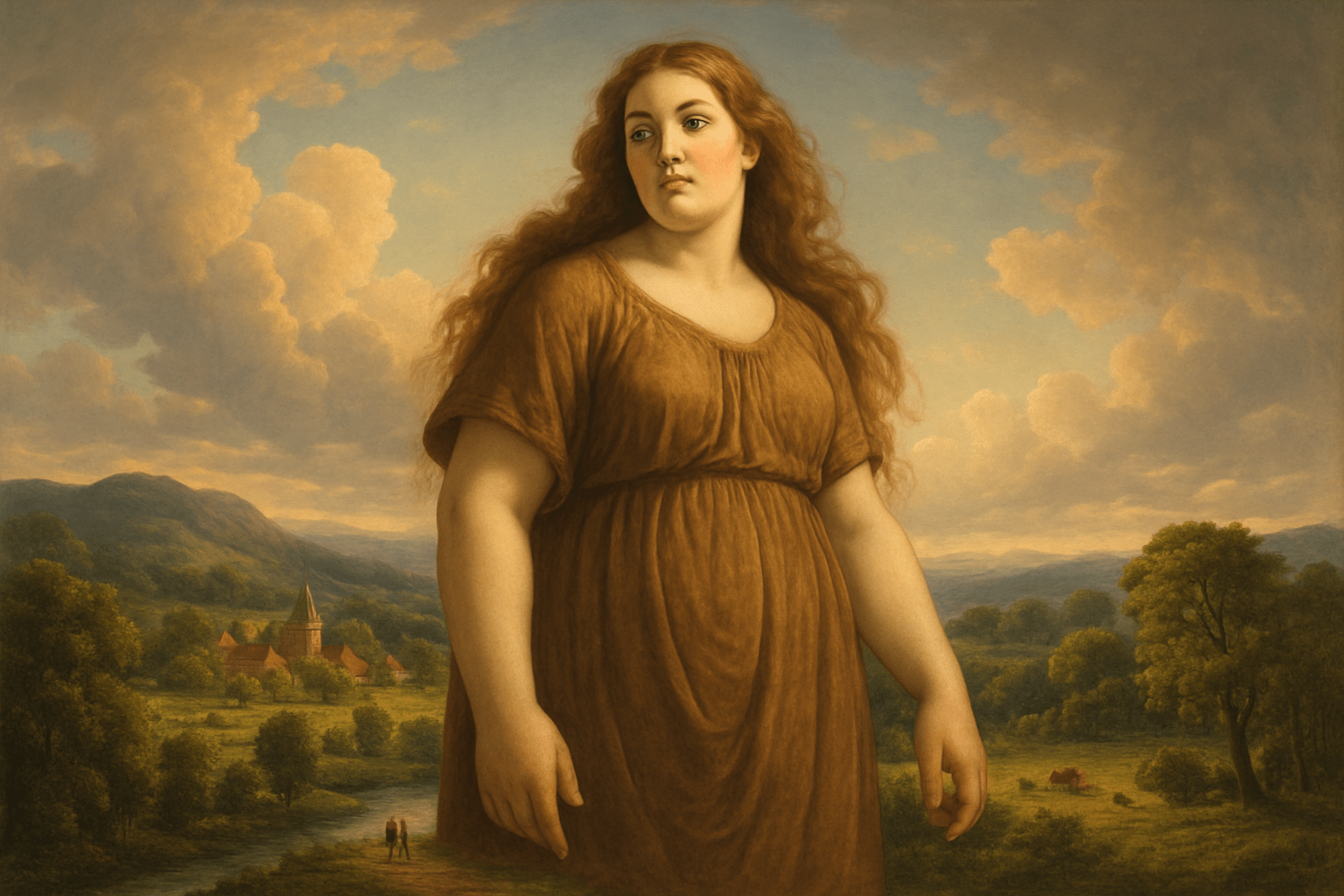
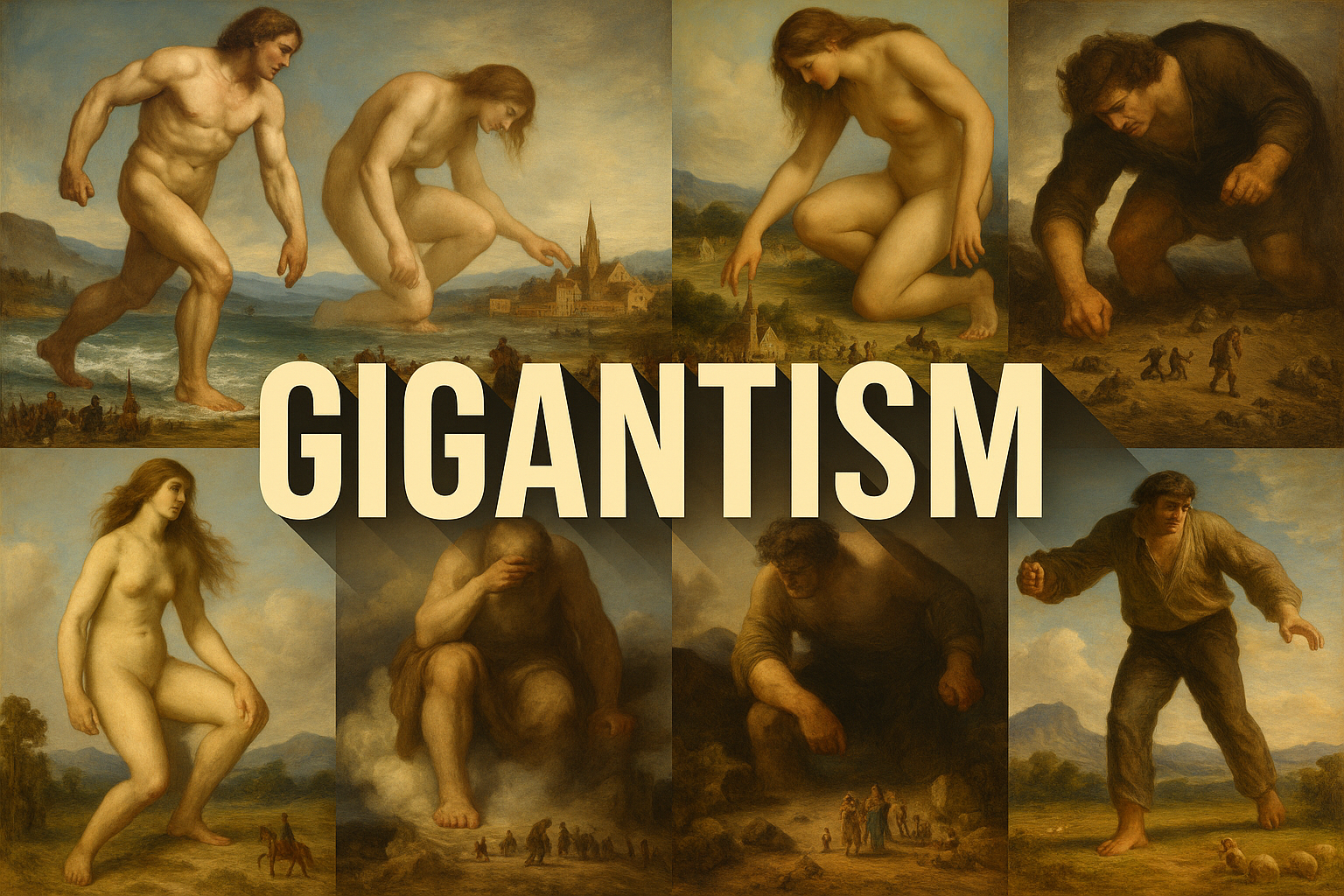
The art style known as Gigantism is characterized by its emphasis on large-scale, monumental forms and exaggerated proportions. This style often features oversized figures or objects that dominate the visual space, creating a sense of awe and grandeur. The subjects in Gigantism are typically depicted with exaggerated features, such as elongated limbs or enlarged heads, which can convey a sense of power, strength, or otherworldliness. The use of bold, dramatic lines and vibrant colors is common, enhancing the impact of the oversized elements. The compositions in Gigantism may also play with perspective, making the viewer feel small in comparison to the colossal subjects. This style can evoke a range of emotions, from wonder and admiration to intimidation and surrealism, depending on the context and execution. Overall, Gigantism is about creating a visual impact through scale and proportion, often pushing the boundaries of realism to achieve its effect.
AOI thinking about Gigantism [+_~]-/
Overview and Quickfacts
Gigantism in art is characterized by the creation of large-scale works that emphasize size and scale to evoke a sense of awe and grandeur. This style often involves the use of monumental proportions to convey power, importance, or to make a bold statement. Artists working in this style may employ various mediums, including sculpture, painting, and installation, to create pieces that dominate their surroundings and engage viewers in a physical and emotional experience. Gigantism can be seen in historical contexts, such as ancient monuments and statues, as well as in contemporary art, where it challenges traditional notions of space and viewer interaction. The style often explores themes of human ambition, the sublime, and the relationship between art and its environment.
Can understand it also, as:
Alternative names of the Art Style
Categorize it as:
Impressionism, Modernism
.: Dreaming :.
holds a HAIKU for the art style
:. Thought is power .:
Detailed Description
Gigantism in art is a fascinating and bold style that captures the imagination with its larger-than-life representations. This art style is characterized by the creation of artworks that are significantly larger than life-size, often evoking a sense of awe and wonder in the viewer. Gigantism can be seen across various mediums, including sculpture, painting, and installation art, and it often serves to challenge perceptions, provoke thought, and engage audiences in unique ways. The roots of gigantism in art can be traced back to ancient civilizations, where monumental structures and sculptures were created to convey power, divinity, and grandeur. The Colossus of Rhodes, one of the Seven Wonders of the Ancient World, is a prime example of early gigantism, standing approximately 33 meters high. Similarly, the Great Sphinx of Giza and the Moai statues of Easter Island are testaments to the enduring human fascination with creating art on a grand scale. In more contemporary contexts, gigantism has been embraced by various artists who seek to explore themes of scale, perspective, and the human experience. One of the most renowned artists associated with this style is Claes Oldenburg, an American sculptor known for his public art installations featuring oversized everyday objects. His works, such as “Spoonbridge and Cherry” in Minneapolis and “Clothespin” in Philadelphia, transform mundane items into monumental sculptures, inviting viewers to reconsider their relationship with the objects that populate their daily lives. Another significant figure in the realm of gigantism is the British artist Anish Kapoor. Known for his large-scale installations and sculptures, Kapoor’s works often play with form, space, and perception. His iconic piece “Cloud Gate,” commonly referred to as “The Bean,” is a massive, reflective sculpture located in Chicago’s Millennium Park. The work’s polished surface and organic shape create a dynamic interaction with the surrounding environment, drawing viewers into a dialogue with the artwork and its context. Jeff Koons is another artist who has made a significant impact with his use of gigantism. His “Balloon Dog” sculptures, part of the “Celebration” series, are monumental representations of balloon animals, crafted from stainless steel with a mirror-like finish. These works challenge notions of art, consumerism, and popular culture, while their sheer size and reflective surfaces engage viewers in a playful yet thought-provoking manner. Gigantism in painting, while less common than in sculpture, can be seen in the works of artists like Diego Rivera. Rivera’s murals, such as those in the National Palace in Mexico City, are vast in scale and rich in detail, depicting complex narratives of Mexican history and culture. These murals not only serve as artistic masterpieces but also as powerful tools for social and political commentary. The appeal of gigantism lies in its ability to captivate and engage audiences on multiple levels. By creating works that dwarf the human form, artists can evoke a sense of wonder and curiosity, prompting viewers to reflect on their place in the world. Gigantism also allows for the exploration of themes such as power, identity, and the relationship between humans and their environment. In conclusion, gigantism in art is a dynamic and compelling style that continues to inspire and challenge both artists and audiences. Through the works of artists like Claes Oldenburg, Anish Kapoor, and Jeff Koons, this style pushes the boundaries of scale and perception, inviting us to see the world from new and unexpected perspectives. As we continue to explore the possibilities of art on a grand scale, gigantism remains a testament to the enduring human desire to create, innovate, and inspire.
.. beep, beep, beep ..
<START OF TRANSMISSION>
A fact list
<EOF>
.. robbel bob
Visual Examples from our image gallery
Coming soon, we are so slow .. might never come
Artists, Paintings, and more
(be aware, can be highly speculative)
Artists (be aware, speculation possible):
Gigantism is not a widely recognized art style, so there may not be a specific list of artists associated with it. However, if you are referring to artists known for creating large-scale works or monumental art, I can provide a list of such artists. Here are ten artists known for their large-scale works, along with their birth and death dates: 1. Claes Oldenburg (1929–2022) 2. Christo (1935–2020) 3. Jeanne-Claude (1935–2009) 4. Richard Serra (born 1938) 5. Anish Kapoor (born 1954) 6. Jeff Koons (born 1955) 7. Louise Bourgeois (1911–2010) 8. Robert Smithson (1938–1973) 9. Yayoi Kusama (born 1929) 10. Frank Stella (born 1936) These artists are known for their large-scale installations, sculptures, and public art projects.
Artworks (be aware, speculation possible)
1. “The Colossus” – Francisco Goya, c. 1808-1812 2. “The Giant” – Nils Dardel, 1914 3. “The Titan’s Goblet” – Thomas Cole, 1833 4. “The Giant” – René Magritte, 1937 5. “The Giantess (The Guardian of the Egg)” – Leonora Carrington, 1947 6. “The Giant” – Max Ernst, 1923 7. “The Giant” – Odilon Redon, 1900 8. “The Giant” – Salvador Dalí, 1929 9. “The Giant” – Jean Dubuffet, 1944 10. “The Giant” – Giorgio de Chirico, 1917 These paintings are known for their depiction of gigantism, either through the portrayal of giant figures or through the thematic exploration of scale and size.
Epoch
Time Period of the style
AI ART RESSOURCES (AKA, well Tools)
Helping tools -> predefined search links on other pages: