
Established
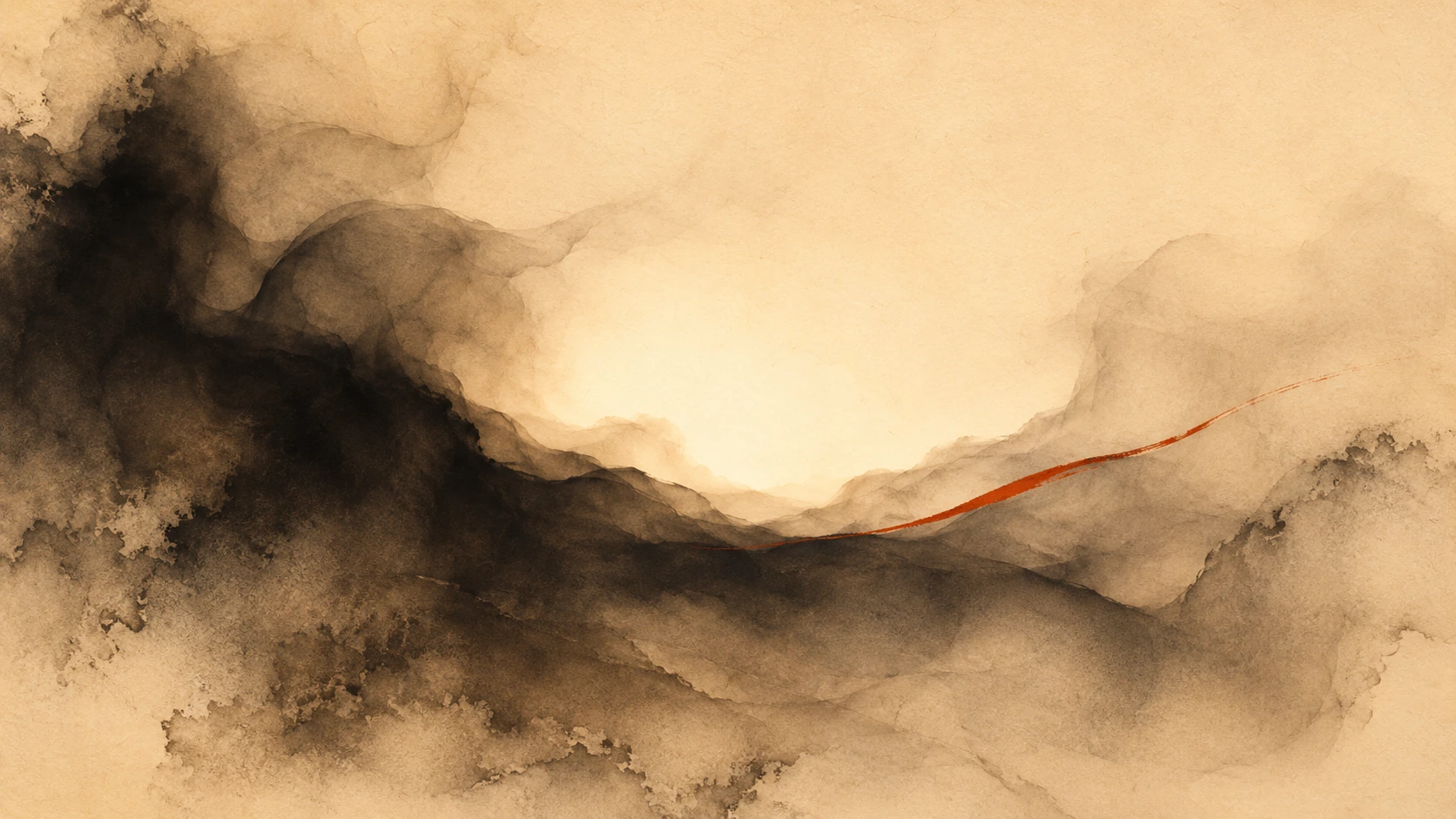
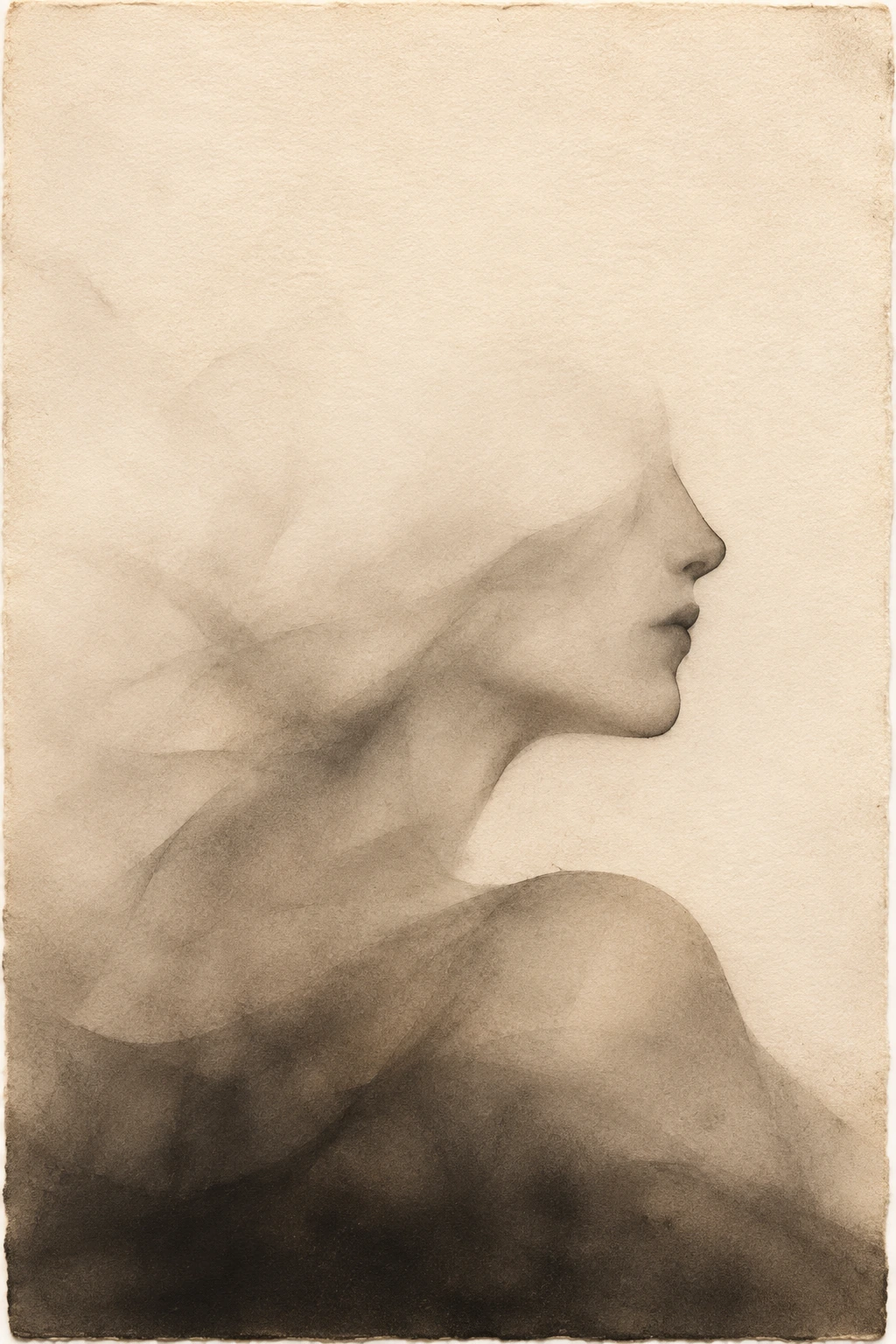
Fumage uses smoke deposits as a source of pictorial marks. Closely associated with Wolfgang Paalen's Surrealist experiments, it turns soft soot veils, dark accumulations and uncertain edges into suggestive images that may be developed with paint. The generated gallery explores that appearance without claiming to be physically made from smoke.
A visual introduction
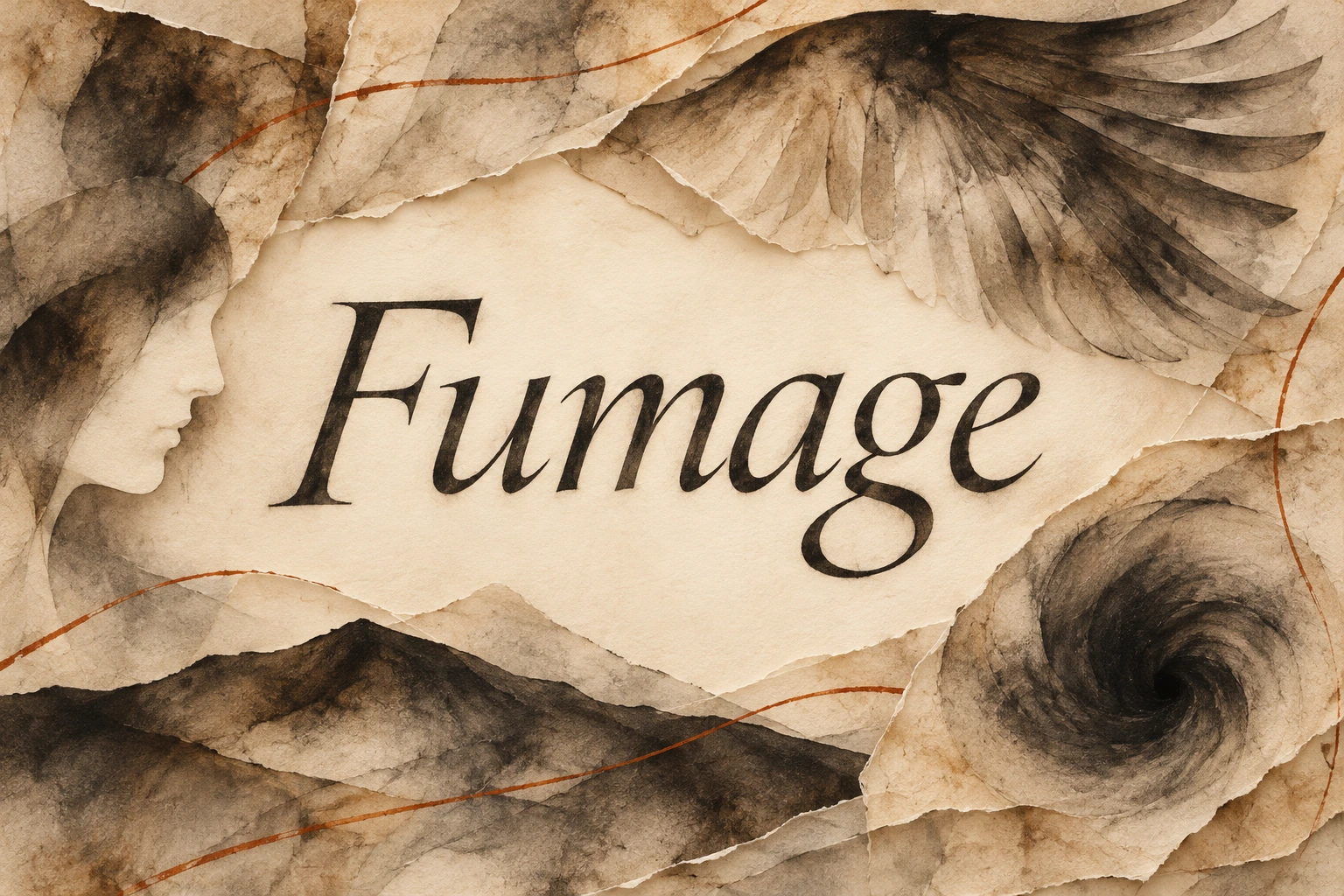
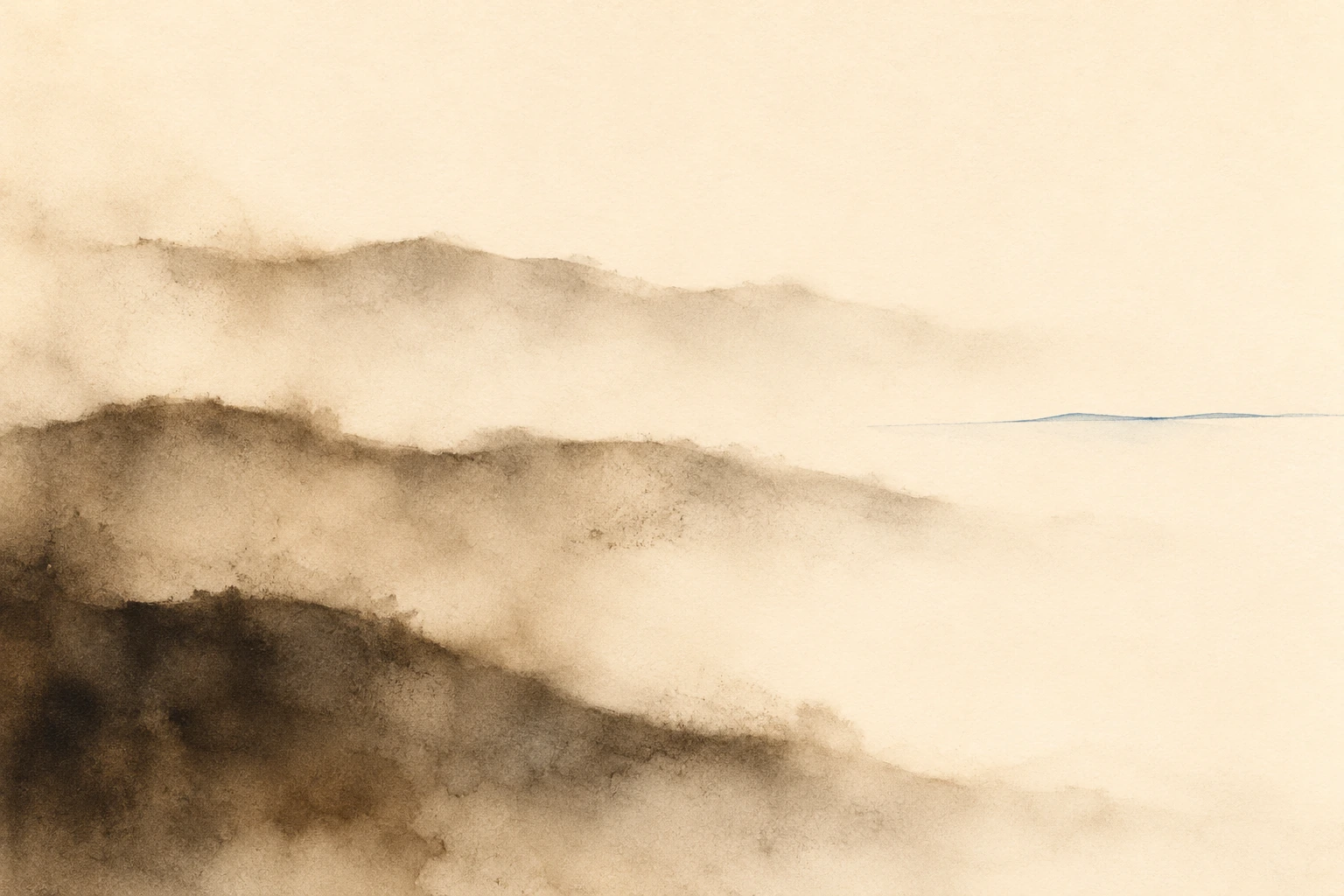
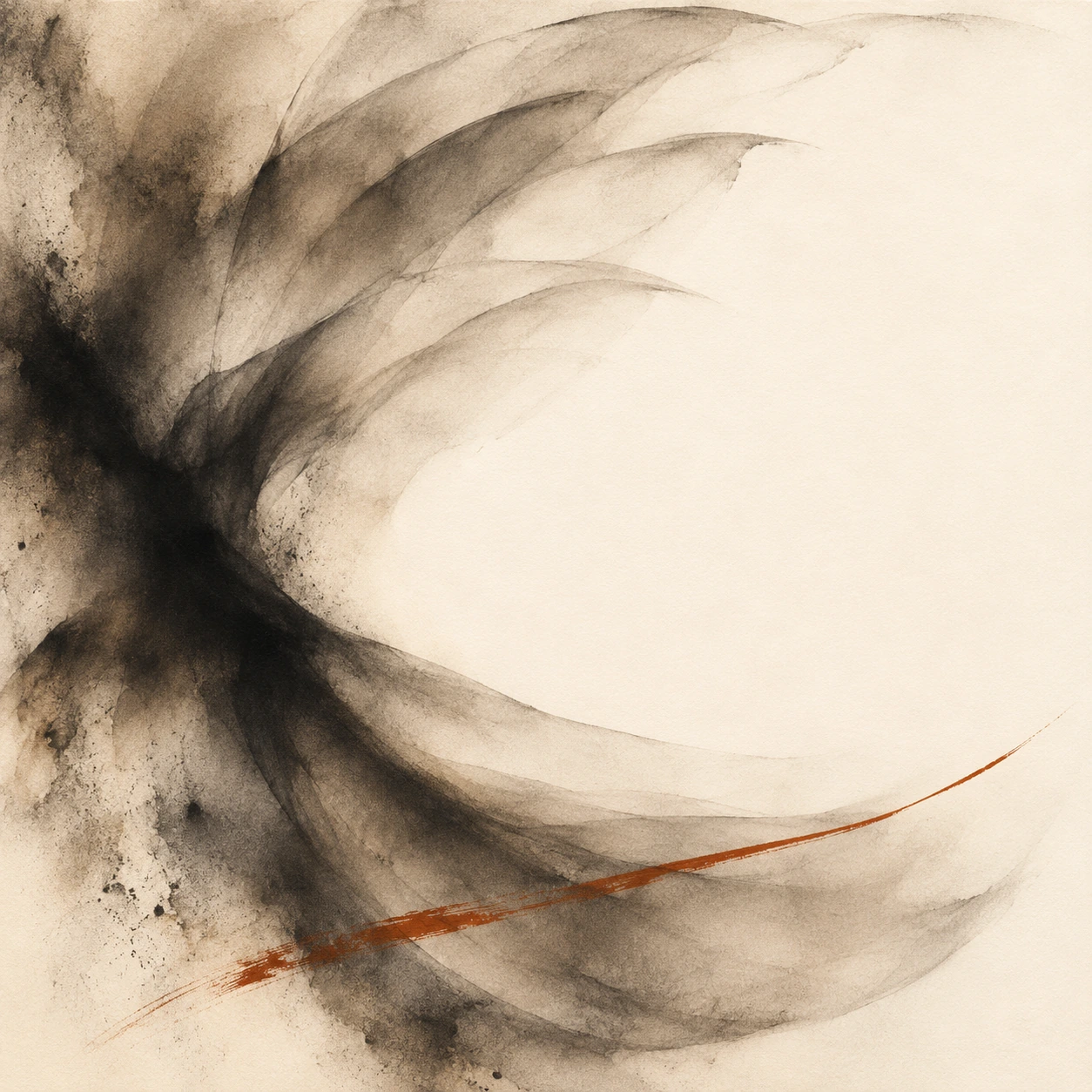
Five original AI-generated studies explore this subject through a banner, a titled collage and three standalone examples.
Select an image for a closer look. Use the thumbnails, arrow keys or a swipe to compare examples. Zoom in to inspect details, or share the image that inspires you.
Creative toolbox · take this style further
Choose an input and a destination. Search sends your words to the chosen site; Copy & open puts them on your clipboard to paste there.
Create with AI
Turn your chosen input into an image prompt or a new creative direction.
ChatGPT
Copy your input and paste it into a ChatGPT conversation or image request.
Copy & open ChatGPT (new tab)Claude · Anthropic
Develop an image prompt or explore the style in a new Claude conversation.
Copy & open Claude · Anthropic (new tab)Midjourney
Paste your input into the Imagine bar on the Create page.
Copy & open Midjourney (new tab)Adobe Firefly
Copy your input, open Firefly, and paste it into the prompt field.
Copy & open Adobe Firefly (new tab)Leonardo.Ai
Copy your input, open Leonardo, and paste it into the generation field.
Copy & open Leonardo.Ai (new tab)Image search
Find visual references. Short, concrete keywords usually work best.
Lexica
Search AI images and prompts using your selected input.
Search with this input Lexica (new tab)Pexels
Search the photo and video library. Short keywords often work best.
Search with this input Pexels (new tab)Pixabay
Search photos, illustrations and other images.
Search with this input Pixabay (new tab)Unsplash
Search photographs using the style name or your own keywords.
Search with this input Unsplash (new tab)Wikimedia Commons
Search photographs, artworks and historical images. Check each file for its source and reuse terms.
Search with this input Wikimedia Commons (new tab)Art & research
Explore artists, collections and the ideas behind a style.
Wikipedia
Search for background reading. A style may not have its own article.
Search with this input Wikipedia (new tab)WikiArt
Copy your input into WikiArt’s search to explore artists and artworks.
Copy & open WikiArt (new tab)Europeana
Paste your keywords into the search to explore European museum, library and archive collections.
Copy & open Europeana (new tab)Inspiration
Discover portfolios and visual ideas from creative communities.
Instagram hashtags
Search a hashtag made from your input: spaces and punctuation are removed. Instagram may require sign-in.
Search with this input Instagram hashtags (new tab)ArtStation
Paste your input into artwork search for concept art, environments, characters and visual development.
Copy & open ArtStation (new tab)Behance
Paste your input into project search for illustration, design and visual storytelling.
Copy & open Behance (new tab)A closer look
Translucent gray veils gather into dense black islands, while feathered edges dissolve into pale ground. Forms seem to appear and retreat: a wing, a landscape or a presence can remain only partly resolved. Selective painted accents or firmer contours can interrupt the smoky field without replacing its ambiguity.
Smoke becomes a mark
The Belvedere's account of Wolfgang Paalen describes his development of fumage in Paris using candle smoke on canvas, wood or paper, followed in some works by associative additions in oil paint. The historical technique concerns deposited material on a support, not simply a picture of smoke rising through the air.
That difference matters visually. A deposit can leave uneven dark patches, soft transitions and areas where the ground remains visible. A photographic plume often reads as an object suspended in space. For a fumage-inspired artwork, the surface and the uncertain emergence of form are central.
Paalen and an open-ended image
Paalen's Surrealist context gives the unpredictable mark an imaginative role. Rather than beginning with every contour already fixed, the artist can respond to what the surface suggests. Belvedere describes this associative continuation, in which the initial material event becomes a point of departure for further painting.
MoMA's collection record for Paalen's Fumage identifies oil and candle soot on paper and dates the work as 1944–45 with a question mark. Retaining that uncertainty is more accurate than presenting an exact year. The record also shows why a finished fumage need not be soot alone: different materials can participate in the final image.
Work with degrees of appearance
Choose how much of a subject should emerge. A wing-like arc may be enough to suggest flight; adding every feather could turn the image into a conventional bird illustration. An uncertain ridge can suggest landscape without needing a fully described sky and foreground.
A useful compositional exercise is to create three levels of definition: one relatively clear anchor, a surrounding field of ambiguous marks and an open area that remains nearly untouched. This gives the eye something to find while preserving the instability of the rest.
Darkness needs a quiet neighbor
Uniformly dense black can erase the delicate behavior that makes the surface distinctive. Let the darkest area occupy a purposeful position, then allow thin gray passages and blank ground to carry the transitions. The white or warm paper is an active part of the image.
A small color accent can serve as a counterpoint. Muted rust, pale blue or a restrained ochre mark may distinguish a deliberate intervention from the smoky field. If every region becomes equally colorful and sharply outlined, the original logic may disappear beneath ordinary illustration.
Different subjects, the same material grammar
A landscape can emerge through layered soot-like bands and one pale opening. An abstract organism can use a dark core surrounded by wispy branching forms. A figure study can suggest a head or shoulder through negative space, leaving the rest unresolved.
These applications should differ in composition as well as subject. Try a horizontal field for distance, a vertical mass for a figure, or a compact diagonal gesture for movement. Reusing the same smoky cloud with a different label does little to explain the technique's possibilities.
Prompt the surface, not just the atmosphere
For generated imagery, specify soot-like deposits on a pale support, translucent veils, irregular accumulation and selective interpretation. Ask for a small number of firmer marks if the composition needs an anchor. Avoid relying solely on words such as mysterious or dreamlike, which can produce a generic fog scene.
The five gallery assets are original AI interpretations. They do not demonstrate a physical fumage procedure, reproduce Paalen's works or establish how an actual deposit behaves on a particular material. Their purpose is to make compositional alternatives visible while keeping the distinction between a generated appearance and a material technique clear.
Leave something unresolved
Fumage offers a way to think about recognition as a gradual event. A viewer may see one form, lose it and discover another. That movement can be more compelling than a single immediately legible subject, provided the composition supplies enough structure to sustain attention.
Use the approach for abstract painting studies, atmospheric editorial images, imagined terrain or mixed-media exploration. Its limitation is also its strength: it does not naturally serve exact diagrams or repeatable hard-edged forms. Let the ambiguous surface contribute to the idea instead of treating it as a decorative background.
A small poetic detour
Original words from the AOI studio.
Poetry
A gray wing settles on the page,
Then leaves before I name its flight.
The dark collects a little age;
The untouched paper keeps the light.
One painted line, one drifting seam—
Enough to wake, not end, the dream.
The prompt workshop
Original creative exercises. These prompts create new illustrations, not documentary evidence.
A landscape barely arriving
Create an original fumage-inspired artwork on warm-white paper: thin soot-like veils gather into a low dark ridge, with one pale opening suggesting distant light. Feathered edges, uneven deposits and generous untouched ground, no text. AI visual interpretation, not a photograph of physically applied soot.
A wing without a bird
Create a fumage-inspired abstract diagonal form that only partly suggests a wing: dense black core, translucent gray feathered arcs and one restrained rust-colored painted line. Tactile pale paper, ambiguous subject, no literal detailed bird, no text or signature.
A presence in negative space
Create an original fumage-like figure study in which a quiet human profile emerges from untouched paper between smoky black and gray deposits. One clear forehead-to-nose contour, remaining form unresolved, subtle ochre accent, no text. Contemporary AI interpretation, not a historical artwork.
Your next inspiration
Discover another art style
Follow a visual thread to the next subject.
A smile from the studio
Jokes
The critic asked whether the smoky shape represented a bird, a mountain or the instability of perception. The artist said yes. The critic was delighted to discover three interpretations and slightly disappointed to receive only one invoice.