
Roman portrait convention
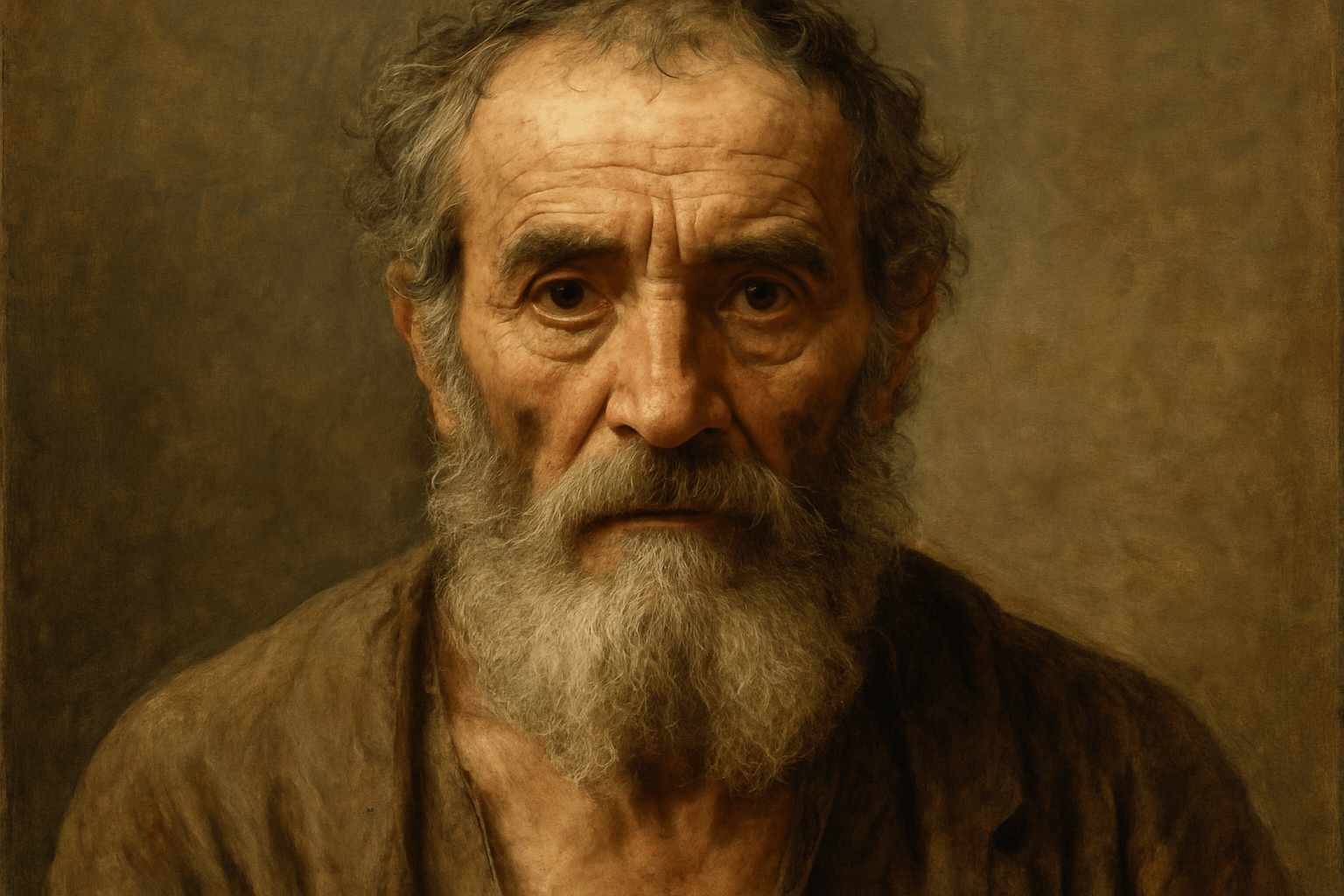
Verism in Roman portraiture emphasizes individualized features, but the appearance of age and experience can also be a carefully constructed social statement.
A closer look
For an original portrait study, observe the structure beneath surface detail.
Understanding the subject
Here verism concerns Roman portraiture, not the later Italian literary movement called Verismo. The Metropolitan Museum explains how Roman portraits could emphasize or idealize particular features according to social and political purposes. Wrinkles and other signs of maturity were not simply neutral records of a face. They could help communicate valued qualities, so a highly individualized-looking portrait should not automatically be treated as an unmediated likeness.
AOI looking and making workshop
For an original portrait study, observe the structure beneath surface detail. A brow, cheek and jaw must hold together before wrinkles are added. Use light to describe planes without making every crease equally dark. Consider how pose and expression influence the impression of authority or openness. Avoid equating visible age with a guaranteed moral character. An invented sculptural portrait can explore the relationship between particular features and public presentation while making clear that the sitter is fictional, not a reconstruction of a named historical person.
The prompt workshop
Original creative exercises. These prompts create new illustrations, not documentary evidence.
An individualized head
Create an original sculptural portrait concept of a fictional older adult, coherent facial planes, selectively described wrinkles and calm side lighting. Avoid idealized smoothing or exaggerated caricature.
A public presence
Create an original stone-portrait illustration of an invented civic speaker, measured posture and attentive expression, with varied surface detail. Present no inscription or claim of archaeological authenticity.
Two presentations
Create a diptych of the same fictional sculptural head, one with strongly individualized features and one more idealized. Keep basic proportions consistent so the change in presentation is clear.
Your next inspiration
Discover another art style
Follow a visual thread to the next subject.
Sources and further exploration
Roman Portrait Sculpture: The Stylistic Cycle – The Metropolitan Museum of Art