
AOI creative concept · Architectural impossibilities
Make connected rooms identifiable by color confined strictly to their thresholds.
An AOI creative concept, not an established historical movement.
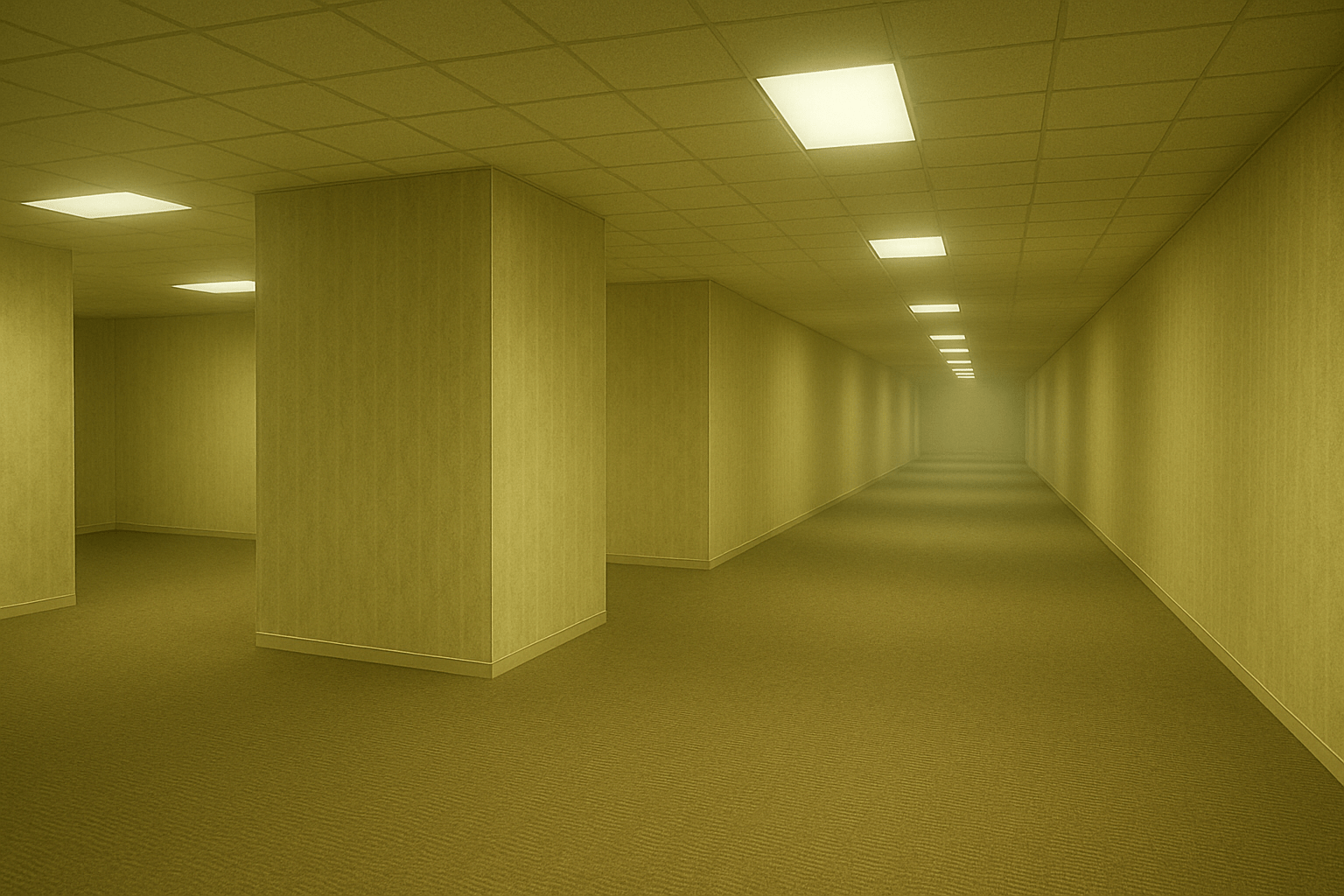
A closer look
Warm gray with coral, sage and deep blue accents; neutral plaster. The focal scene: three empty rooms connected by narrowly colored thresholds.
One precise impossibility
Make connected rooms identifiable by color confined strictly to their thresholds. Walls and floors stay nearly neutral; thin bands of color at openings establish the sequence through space. The image should invite a visual journey without becoming a rainbow interior.
Build the model
Show three aligned doorways from an oblique viewpoint. Color the nearest jamb muted coral, the second pale green and the farthest deep blue. Let each color reflect only a little onto the adjacent floor. Keep the rooms empty and vary the doorway widths so the sequence has a rhythm beyond simple repetition.
Keep the contradiction readable
Color spilling across entire walls defeats the restraint. Narrow the bands until the openings carry the whole chromatic structure. If the rooms feel flat, strengthen the neutral shadows rather than increasing saturation everywhere.
Technique notes
Arrange the doorways around a courtyard so only two colored thresholds are visible directly and the third appears as a small reflection in glass.
When prompting an image model, spell out the rule and visible relationships. The invented style name alone is not a reliable instruction. Compare outputs against the critique above and revise the specific failed relationship.
The prompt workshop
Original creative exercises. These prompts create new illustrations, not documentary evidence.
Start with the defining rule
Create an original illustration of three empty rooms connected by narrowly colored thresholds. Make connected rooms identifiable by color confined strictly to their thresholds. Walls and floors stay nearly neutral; thin bands of color at openings establish the sequence through space. The image should invite a visual journey without becoming a rainbow interior. Use warm gray with coral, sage and deep blue accents; neutral plaster. Keep the composition readable, with a clear focal area and quiet surrounding space. No lettering, signatures or watermark.
Build the fuller composition
Create an original Threshold Color Chambers composition. Show three aligned doorways from an oblique viewpoint. Color the nearest jamb muted coral, the second pale green and the farthest deep blue. Let each color reflect only a little onto the adjacent floor. Keep the rooms empty and vary the doorway widths so the sequence has a rhythm beyond simple repetition. Use warm gray with coral, sage and deep blue accents; neutral plaster. Preserve the defining constraint: Make connected rooms identifiable by color confined strictly to their thresholds. Avoid decorative clutter, readable text and watermarks.
Try a deliberate variation
Create an experimental illustration based on this rule: Make connected rooms identifiable by color confined strictly to their thresholds. Walls and floors stay nearly neutral; thin bands of color at openings establish the sequence through space. The image should invite a visual journey without becoming a rainbow interior. Variation: Arrange the doorways around a courtyard so only two colored thresholds are visible directly and the third appears as a small reflection in glass. Use warm gray with coral, sage and deep blue accents; neutral plaster. Make the changed relationship unmistakable while keeping supporting details restrained. No captions, signatures or watermark.
Look closer
Explore the image gallery
Select an image to enlarge it. Browse with the arrows, and press Escape to return.
Your next inspiration
Discover another art style
Follow a visual thread to the next subject.