
AOI original concept · imaginary optics on analog video
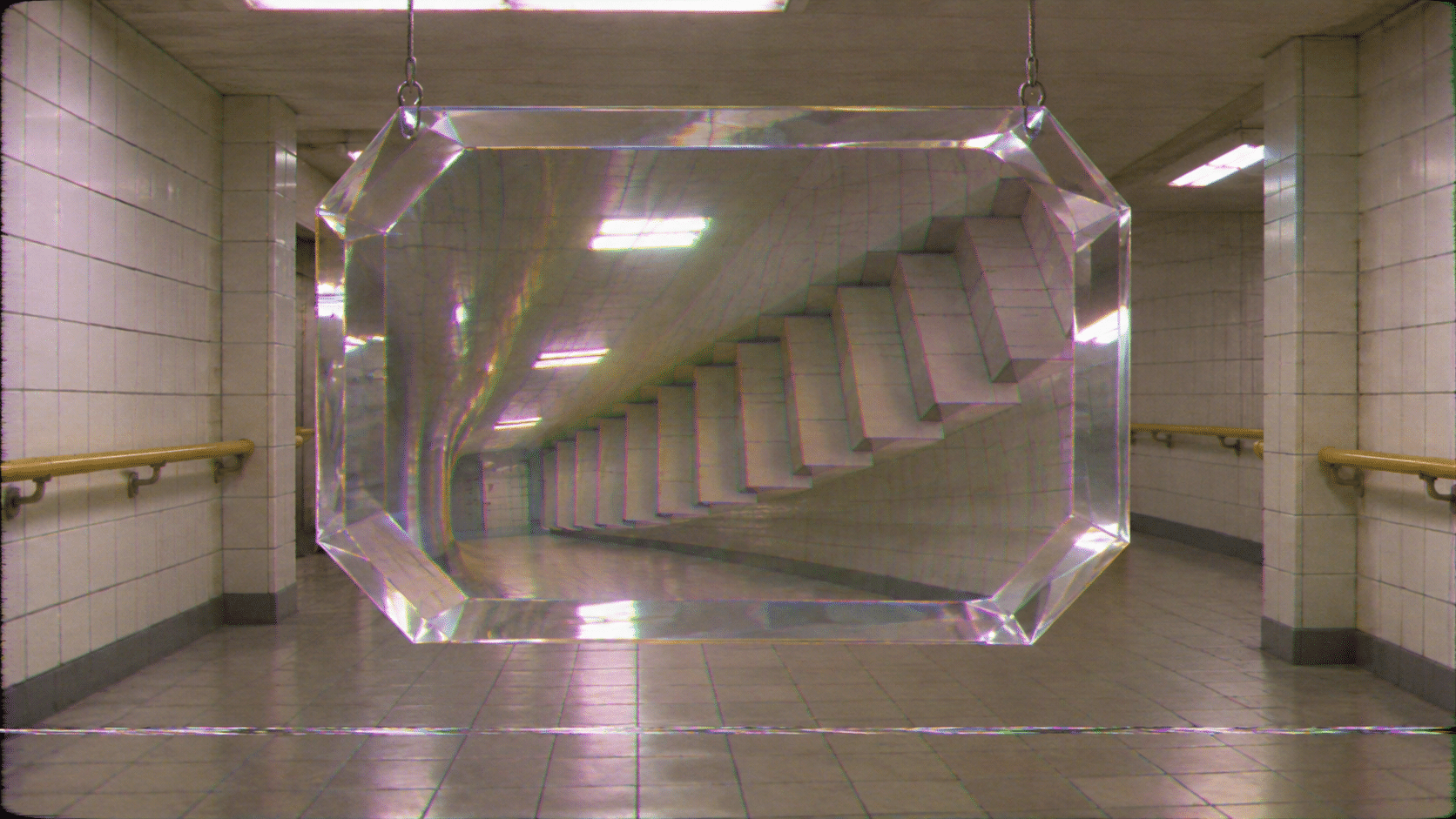
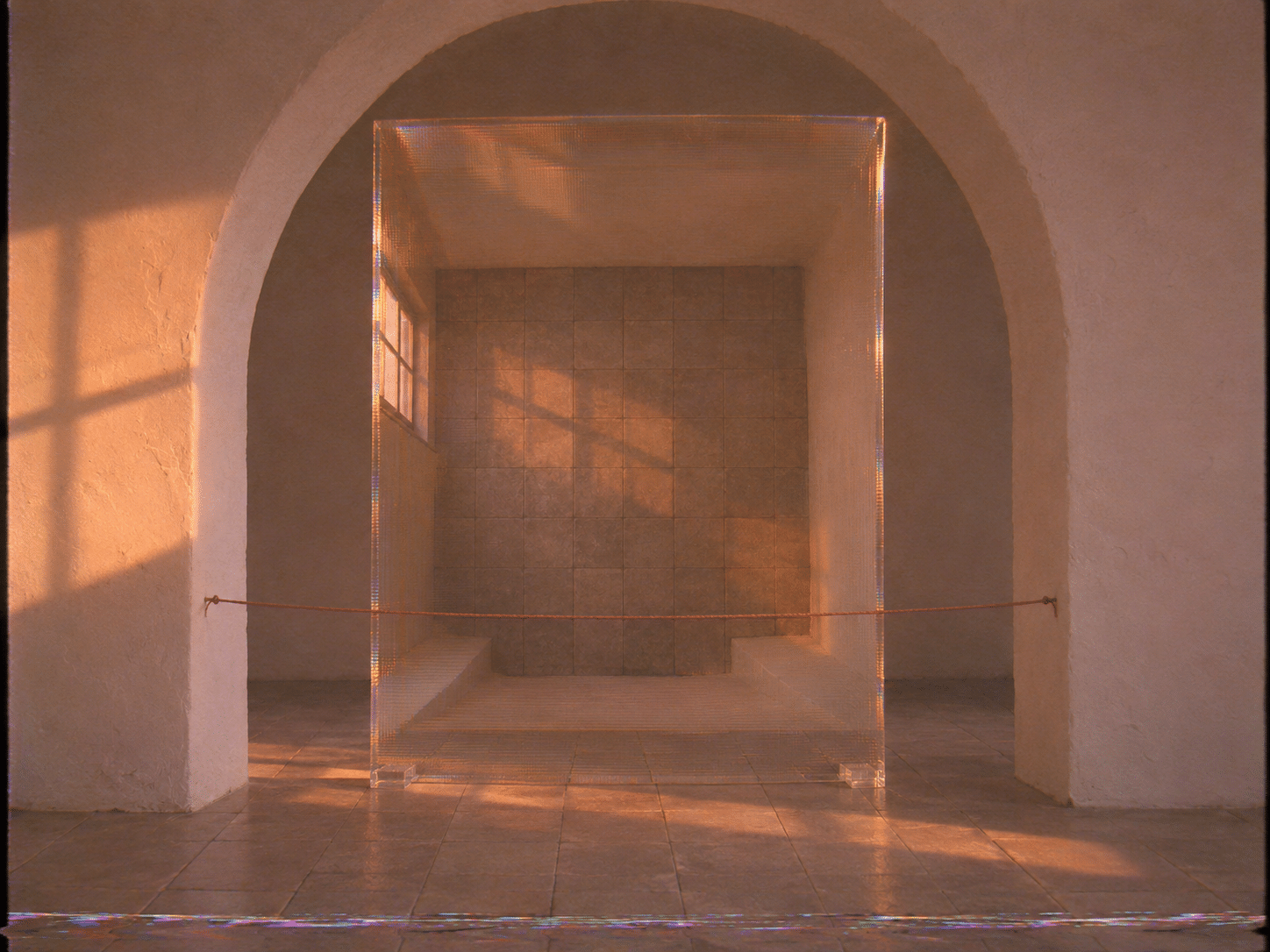
A transparent block gives an ordinary room a second, incompatible geometry. A worn tape appears to have recorded both at once. This AOI style combines impossible perspective, imagined optical materials and the specific look of analog video.
A visual introduction
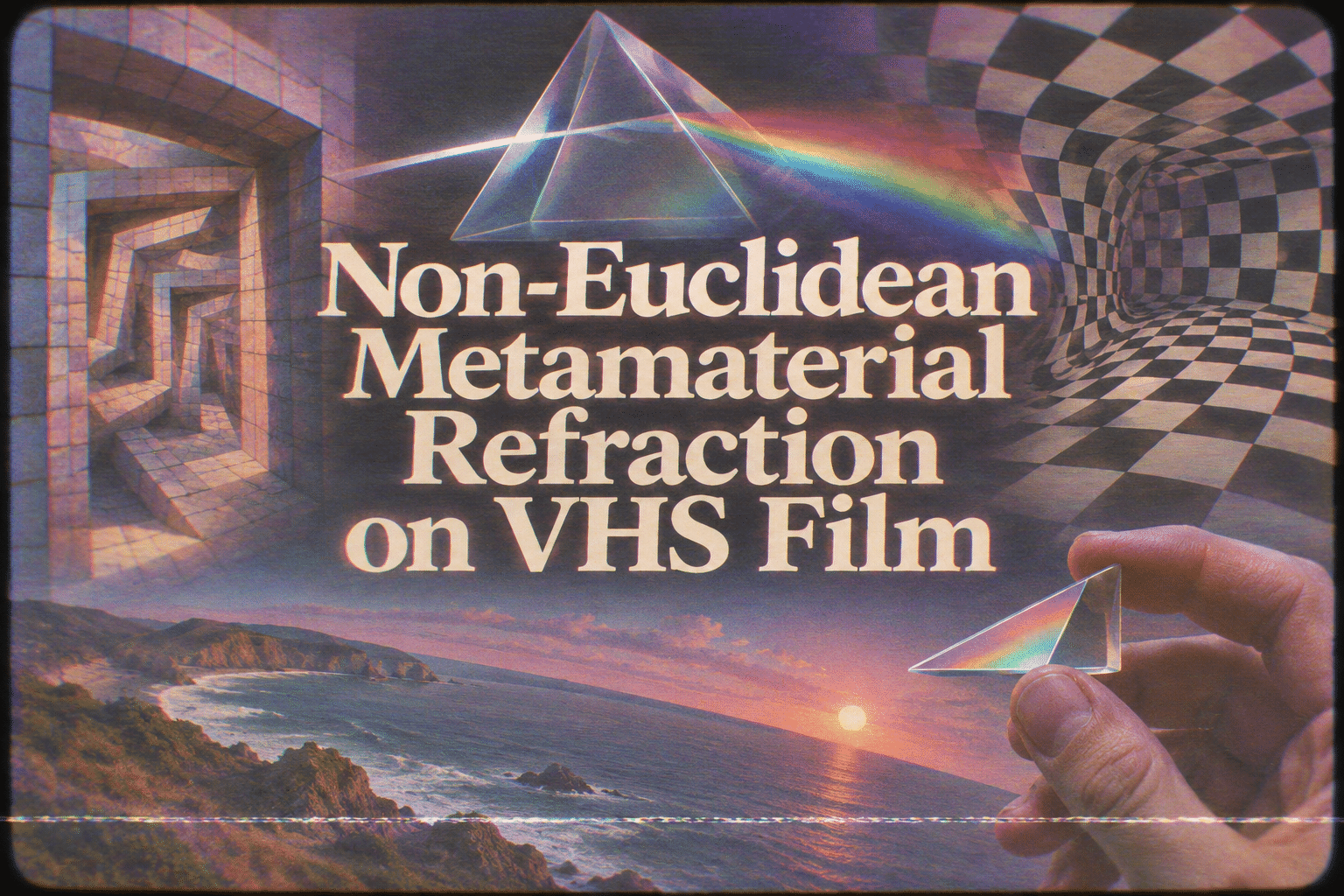
Seven original AI-generated interpretations: a dedicated banner, a centrally titled artistic collage and five standalone studies.
Select an image for a closer look. Use the thumbnails, arrow keys or a swipe to compare examples. Zoom in to inspect details, or share the image that inspires you.
Creative toolbox · take this style further
Choose an input and a destination. Search sends your words to the chosen site; Copy & open puts them on your clipboard to paste there.
Create with AI
Turn your chosen input into an image prompt or a new creative direction.
ChatGPT
Copy your input and paste it into a ChatGPT conversation or image request.
Copy & open ChatGPT (new tab)Claude · Anthropic
Develop an image prompt or explore the style in a new Claude conversation.
Copy & open Claude · Anthropic (new tab)Midjourney
Paste your input into the Imagine bar on the Create page.
Copy & open Midjourney (new tab)Adobe Firefly
Copy your input, open Firefly, and paste it into the prompt field.
Copy & open Adobe Firefly (new tab)Leonardo.Ai
Copy your input, open Leonardo, and paste it into the generation field.
Copy & open Leonardo.Ai (new tab)Image search
Find visual references. Short, concrete keywords usually work best.
Lexica
Search AI images and prompts using your selected input.
Search with this input Lexica (new tab)Pexels
Search the photo and video library. Short keywords often work best.
Search with this input Pexels (new tab)Pixabay
Search photos, illustrations and other images.
Search with this input Pixabay (new tab)Unsplash
Search photographs using the style name or your own keywords.
Search with this input Unsplash (new tab)Wikimedia Commons
Search photographs, artworks and historical images. Check each file for its source and reuse terms.
Search with this input Wikimedia Commons (new tab)Art & research
Explore artists, collections and the ideas behind a style.
Wikipedia
Search for background reading. A style may not have its own article.
Search with this input Wikipedia (new tab)WikiArt
Copy your input into WikiArt’s search to explore artists and artworks.
Copy & open WikiArt (new tab)Europeana
Paste your keywords into the search to explore European museum, library and archive collections.
Copy & open Europeana (new tab)Inspiration
Discover portfolios and visual ideas from creative communities.
Instagram hashtags
Search a hashtag made from your input: spaces and punctuation are removed. Instagram may require sign-in.
Search with this input Instagram hashtags (new tab)ArtStation
Paste your input into artwork search for concept art, environments, characters and visual development.
Copy & open ArtStation (new tab)Behance
Paste your input into project search for illustration, design and visual storytelling.
Copy & open Behance (new tab)A closer look
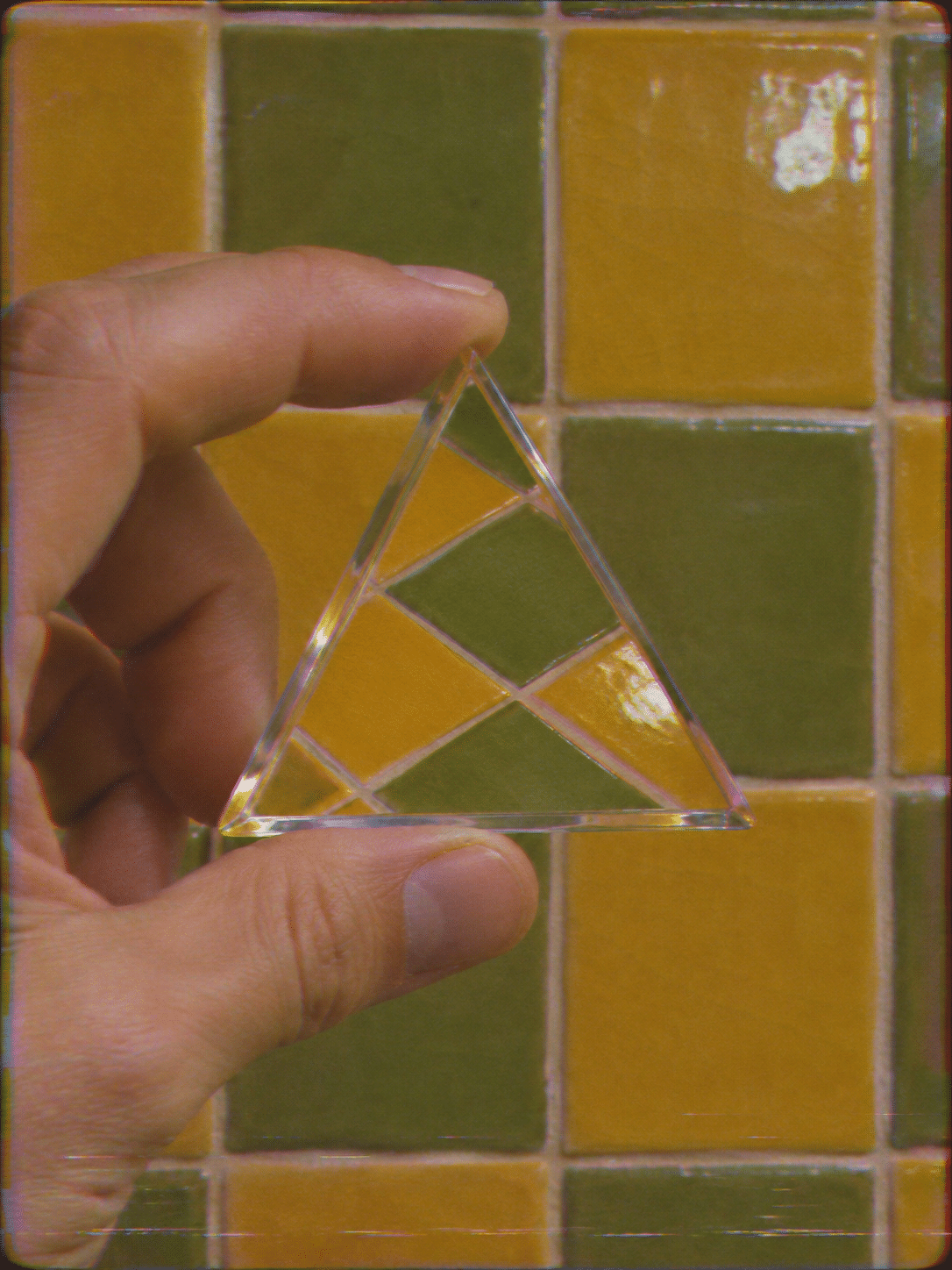
Give the viewer a straight reference line. Interrupt it at one clearly bounded transparent object. Let an occasional tape error cross both the ordinary and impossible parts of the scene.
One room, two sets of directions
Start with a tiled station. The grout gives us a ruler, the platform gives us a horizon, and the stairs establish which way is up. Now place a clear wedge on the platform. Inside its outline alone, the same stairs rise sideways. The viewer can see exactly where a familiar world stops obeying its own rules.
That little border is the key to the whole style. If every tile curls and every wall leans, there is no reason to blame the wedge. Leave one line outside it so dependable that someone could put a shelf up by it.
What the name borrows from physics
In a 2001 experiment, R. A. Shelby, D. R. Smith and S. Schultz reported negative refraction in a structured material over a microwave frequency band. It is a fascinating precedent for engineering the direction in which a wave travels. It does not mean a block of glass can fold a corridor into another floor.
In the title, “non-Euclidean” is an artistic cue. Mathematically coherent curved space and a drawing with incompatible viewpoints are different things. AOI uses the latter as a fiction: the outer scene offers one point of view while the view through a small object appears to require another. The gallery is neither a simulation nor a laboratory record.
Shoot the impossible on something ordinary
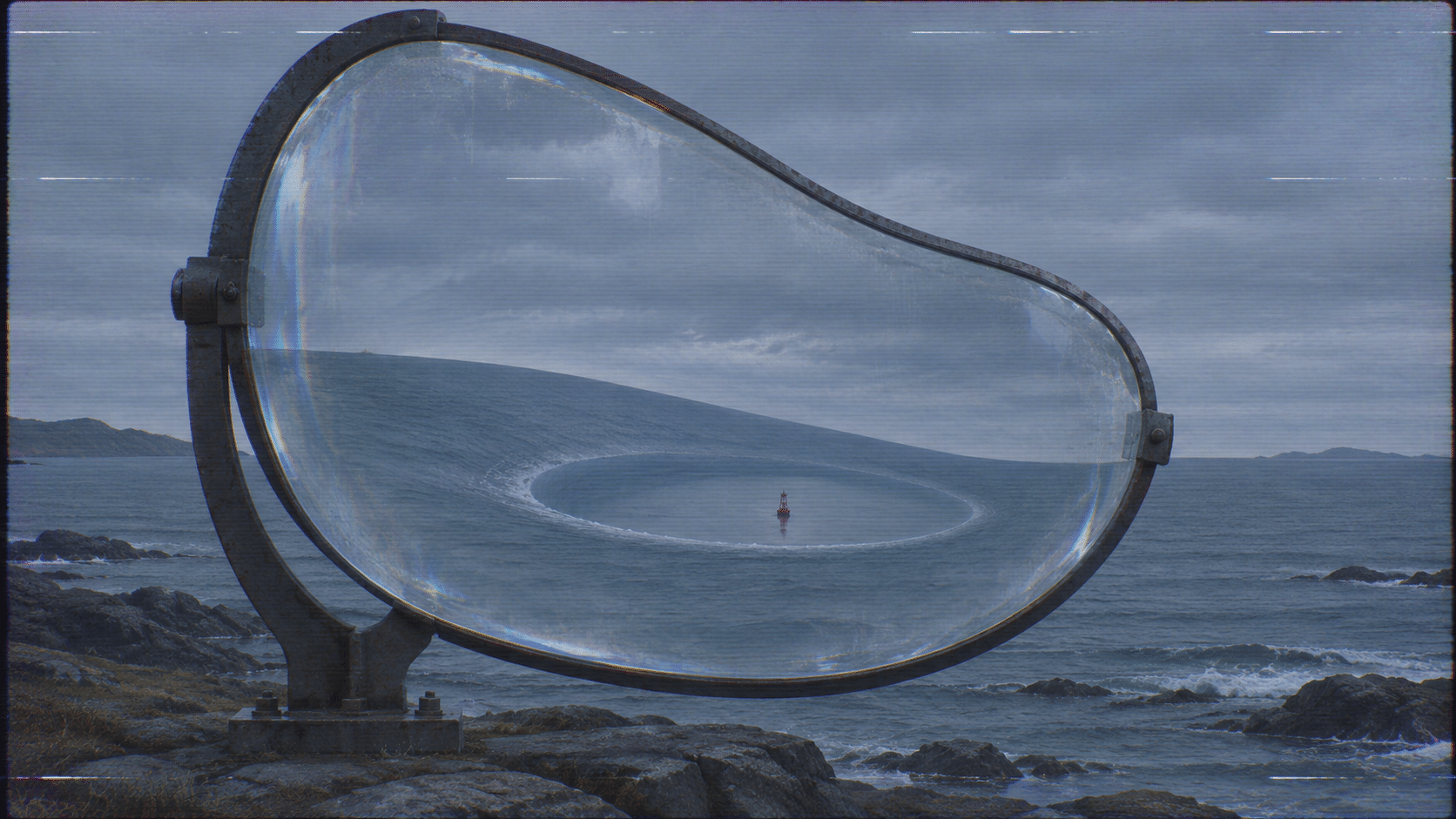
VHS records a video signal on magnetic tape. The word “film” in the title describes the imagined footage, not a strip of photographic film. For a convincing frame, decide whether a defect belongs to the object or the recording. A facet might shift a red buoy only inside its silhouette. A tracking disturbance belongs to the playback and can cut across the whole screen.
Let one event carry the illusion. A horizontal disturbance near the bottom, soft color bleeding past a high-contrast edge, or a little instability along a vertical line can locate the image in the world of tape. Give all three equal weight everywhere and you have laid a filter over the clue the viewer was meant to discover.
Five ways to break a line
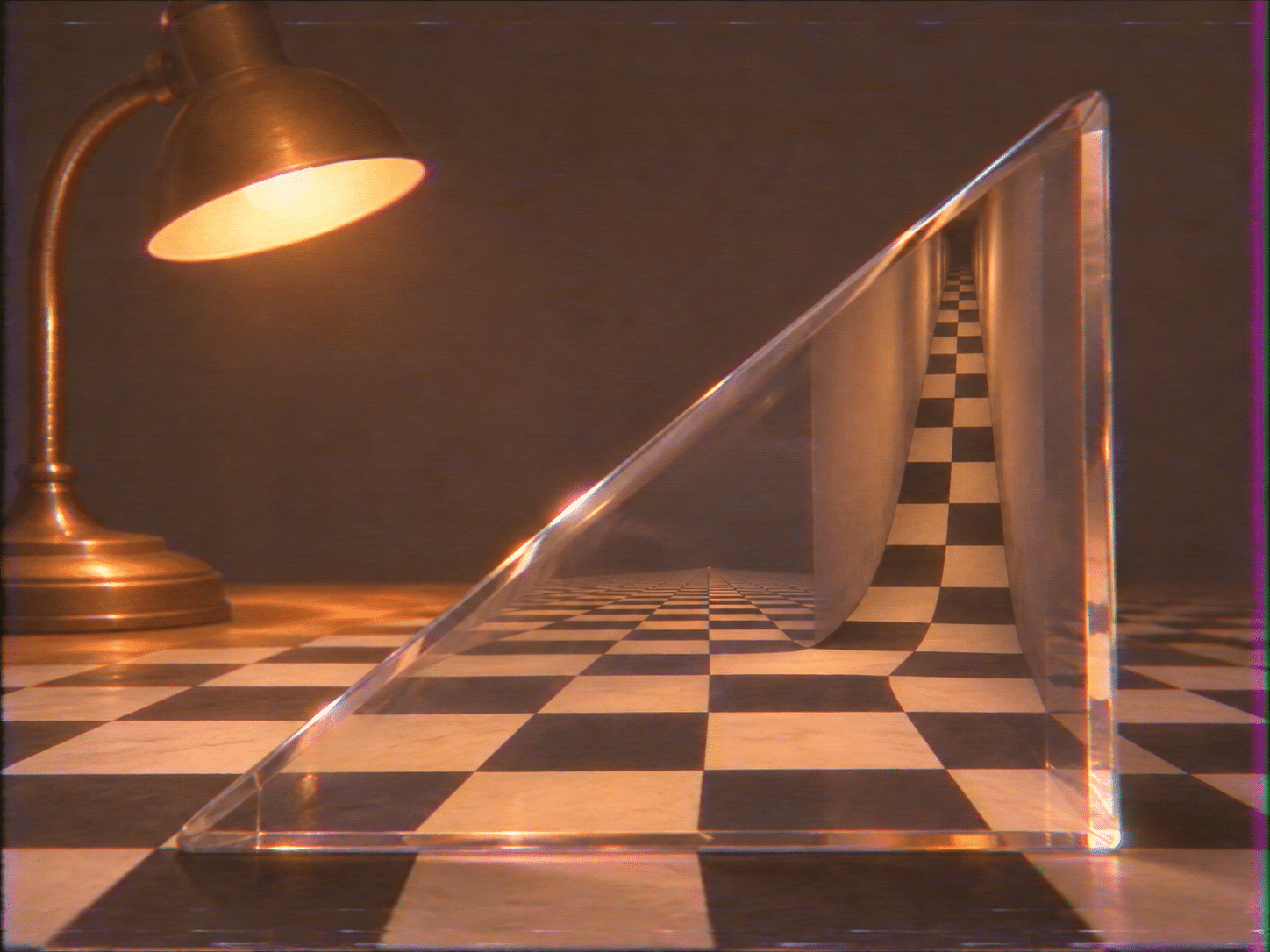
A checkerboard makes a sharp test because the viewer can count successive squares. A coastline is more forgiving: the trick lands when the horizon comes back around to meet itself. A hand holding a small wedge gives us a scale reference as well as an unmistakable front and back.
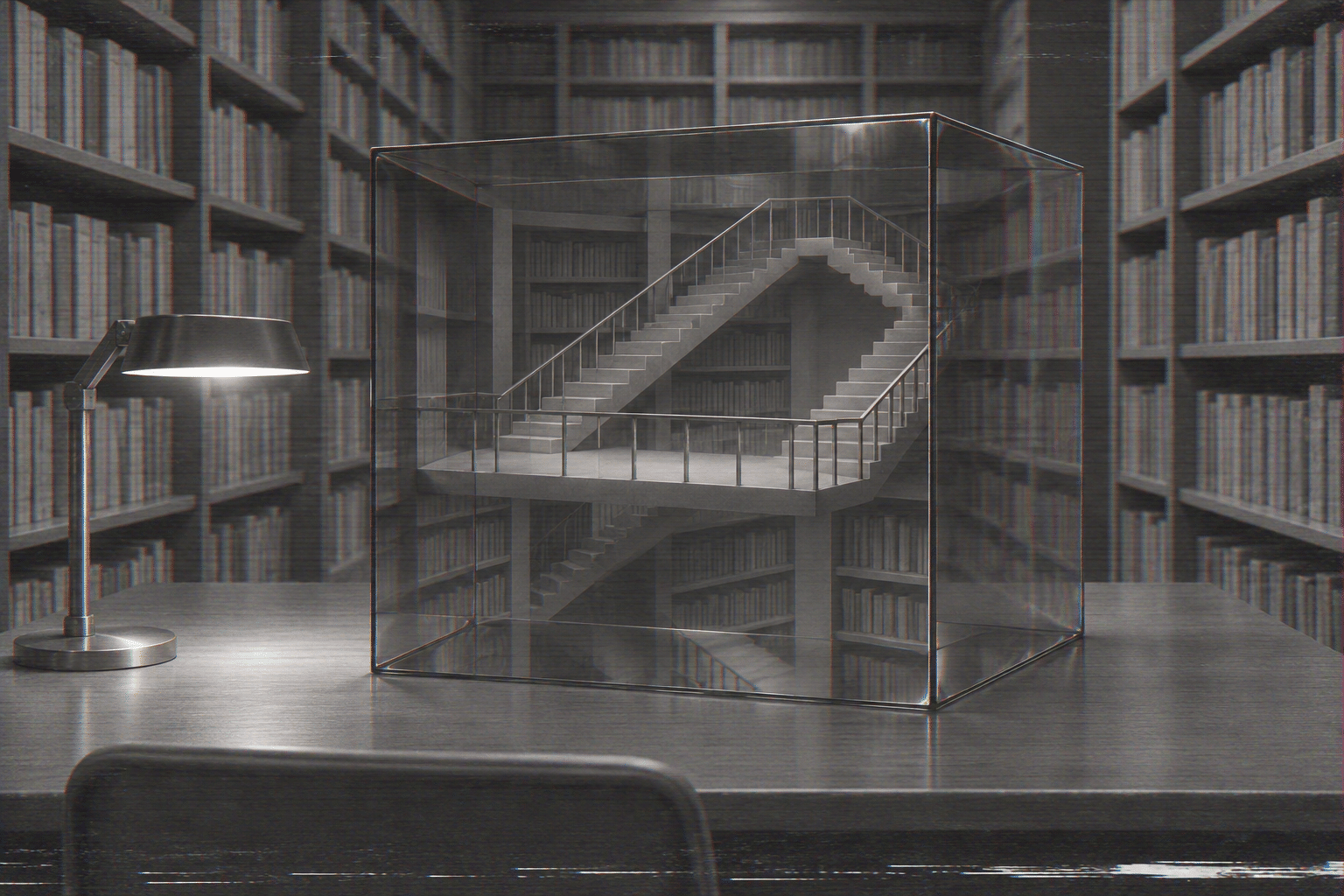
Change the evidence between studies. Library shelves can continue into a staircase that the room has no space to contain. A red cord can run from the actual floor into a view from above. In each case, let the eye follow a single object across the boundary before asking it to resolve the contradiction.
Edit with two switches
Turn the tape effects off in your mind. Is there still an impossible picture? Now cover the wedge. Is the ordinary space still intelligible? A yes to both means the geometry and the recording each contribute something. This is a useful composition for speculative album art, game environments or a short loop in which the tape rolls but the prism stays perfectly still.
The quietest variant is almost monochrome. A block that distorts three orderly shelves can be more disquieting than a city in rainbow interference. Save the brightest color, clearest silhouette or sharpest edge for the point at which the image first becomes impossible.
Positive editorial perspective
AOI editorial perspective (AI-authored). The best clue is often an unremarkable straight line. You believe the room before the object makes it impossible.
Negative editorial perspective
AOI editorial perspective (AI-authored). Heavy scan lines can swallow the seam that explains the whole picture. Quiet the playback noise and give the untouched background a reliable horizon.
Neutral editorial perspective
AOI editorial perspective (AI-authored). An AOI fiction using real optical and analog-video vocabulary; the strange interiors are compositional inventions.
Pocket-sized facts
The object changes the pictured space locally; a playback defect acts on the recorded frame.
Negative refraction has experimental precedents under particular conditions. Impossible architecture is the artistic invention.
VHS is magnetic videotape; the gallery consists of original generated artworks.
A small poetic detour
Original words from the AOI studio.
Poetry
The platform keeps its tiles in rows.
The ticket hall knows up from down.
Inside my wedge the stairway goes
sideways beneath the sleeping town.
A red buoy rounds a loop of sea.
One shelf climbs back into the stack.
A tape head sets the picture free,
then draws one stripe across its back.
I lift the glass. The rails agree.
I press rewind and let them run.
The room comes back intact to me;
the stairs come back by platform one.
The prompt workshop
Original creative exercises. These prompts create new illustrations, not documentary evidence.
Platform zero
A straight tiled subway platform with a transparent wedge: inside its facets the stairs climb sideways. Keep the surrounding grout continuous; add one low tape-tracking disturbance.
Use a single reliable vanishing point outside the wedge.
Horizon on loan
A steady view of sea and sky through a hand-sized glass disc. Only inside the disc, the horizon curls back to one red buoy. Soft analog color bleed; no titles.
Protect the outer horizon from the optical fiction.
A different floor
Monochrome stacks of library shelves, one transparent cuboid holding a staircase seen from above, subtle playback flutter at the lower edge.
Make the paradox legible before adding the recording texture.
A smile from the studio
Jokes
The projectionist filed a maintenance ticket: “Stairs run sideways, horizon meets itself, basement visible from above.” Engineering asked whether he had cleaned the tape heads. “Yes. Now I can see the problem much more clearly.”