
AOI experimental concept
Neurochrome Drift is an AOI-created visual proposal that pairs a stable form with drifting bands of intense color. “Neuro” is a metaphor for felt perception here, not a claim about brain imaging, neuroscience or a documented historical movement.
An A⊕I –[-.+] creαt¡ve c⊕ncept, n⊕t αn estαbl¡she∂ h¡st⊕r¡cαl m⊕vement.
A visual introduction
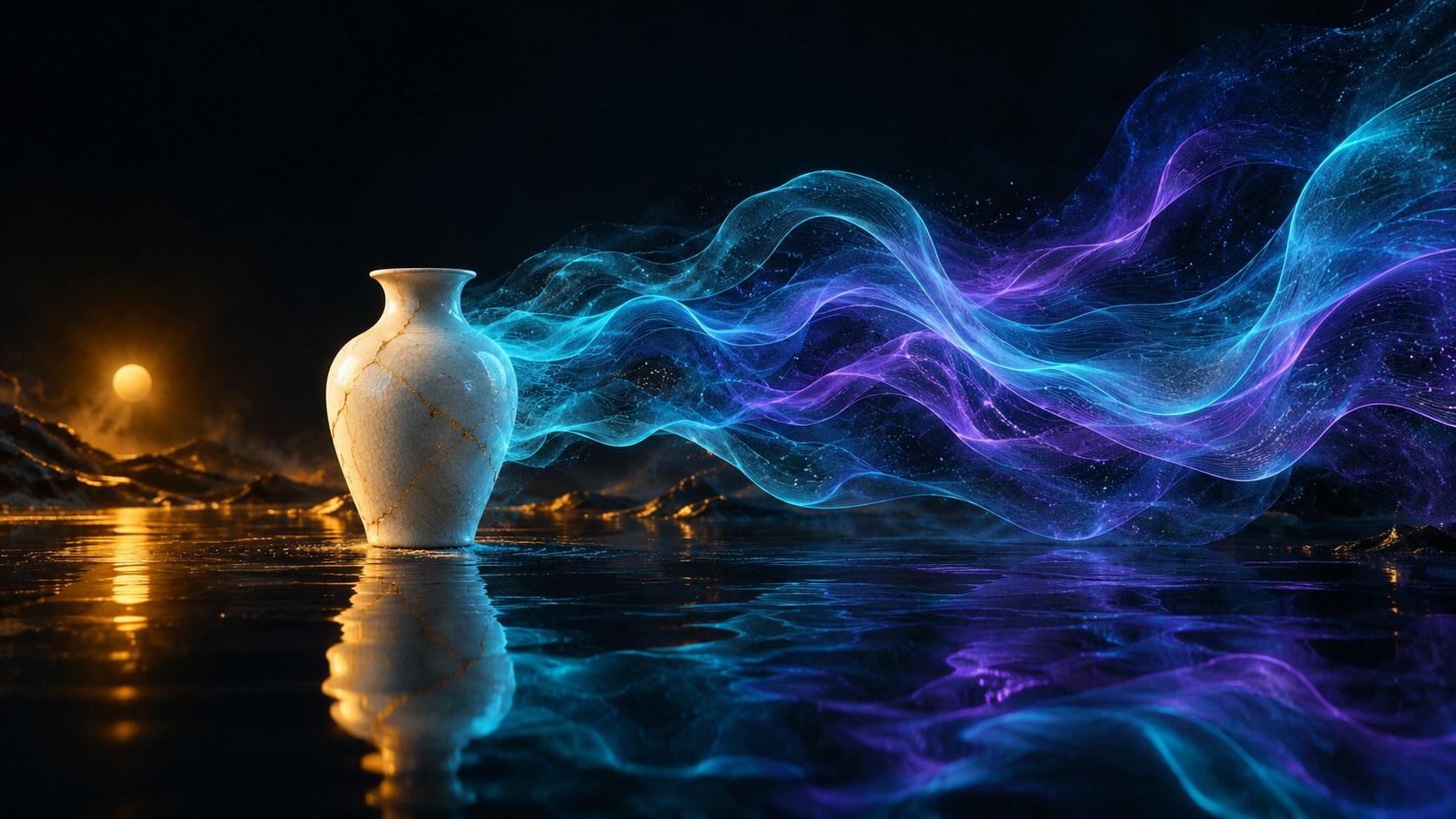
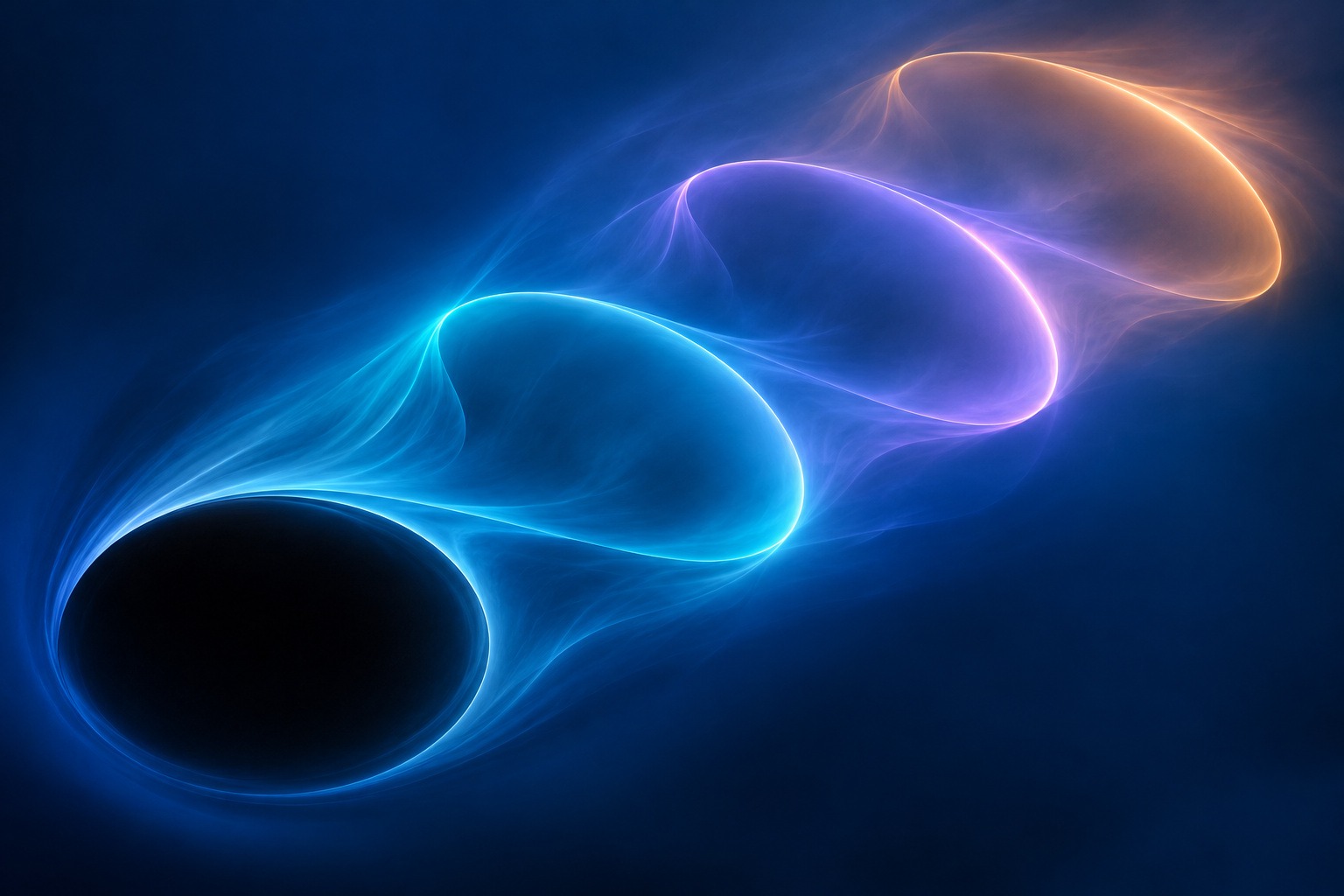
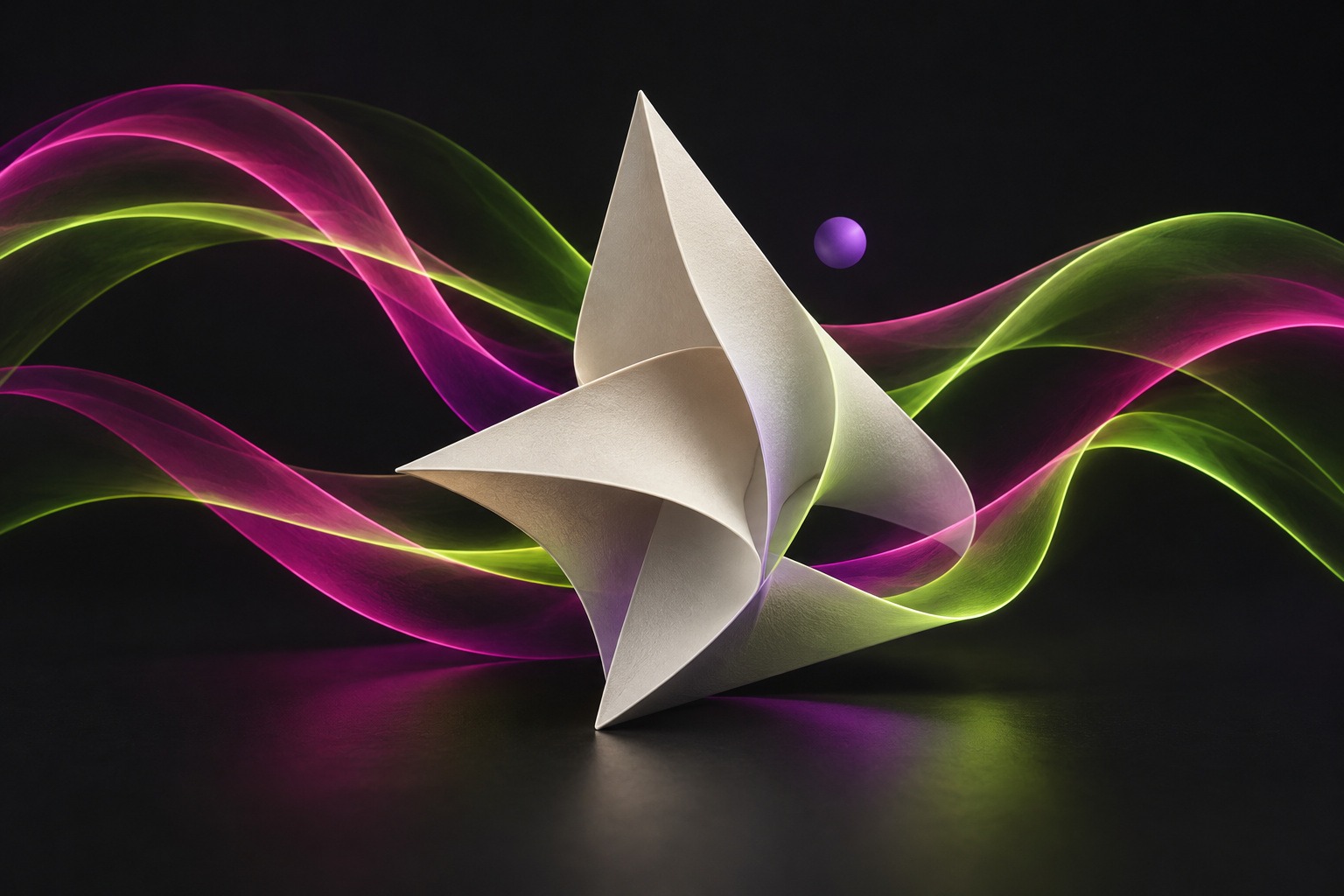
A retained face study and titled collage accompany new vessel, abstract-contour and folded-form experiments. Each pairs a stable anchor with chromatic movement.
Select an image for a closer look. Use the thumbnails, arrow keys or a swipe to compare examples. Zoom in to inspect details, or share the image that inspires you.


Creative toolbox · take this style further
Choose an input and a destination. Search sends your words to the chosen site; Copy & open puts them on your clipboard to paste there.
Create with AI
Turn your chosen input into an image prompt or a new creative direction.
ChatGPT
Copy your input and paste it into a ChatGPT conversation or image request.
Copy & open ChatGPT (new tab)Claude · Anthropic
Develop an image prompt or explore the style in a new Claude conversation.
Copy & open Claude · Anthropic (new tab)Midjourney
Paste your input into the Imagine bar on the Create page.
Copy & open Midjourney (new tab)Adobe Firefly
Copy your input, open Firefly, and paste it into the prompt field.
Copy & open Adobe Firefly (new tab)Leonardo.Ai
Copy your input, open Leonardo, and paste it into the generation field.
Copy & open Leonardo.Ai (new tab)Image search
Find visual references. Short, concrete keywords usually work best.
Lexica
Search AI images and prompts using your selected input.
Search with this input Lexica (new tab)Pexels
Search the photo and video library. Short keywords often work best.
Search with this input Pexels (new tab)Pixabay
Search photos, illustrations and other images.
Search with this input Pixabay (new tab)Unsplash
Search photographs using the style name or your own keywords.
Search with this input Unsplash (new tab)Wikimedia Commons
Search photographs, artworks and historical images. Check each file for its source and reuse terms.
Search with this input Wikimedia Commons (new tab)Art & research
Explore artists, collections and the ideas behind a style.
Wikipedia
Search for background reading. A style may not have its own article.
Search with this input Wikipedia (new tab)WikiArt
Copy your input into WikiArt’s search to explore artists and artworks.
Copy & open WikiArt (new tab)Europeana
Paste your keywords into the search to explore European museum, library and archive collections.
Copy & open Europeana (new tab)Inspiration
Discover portfolios and visual ideas from creative communities.
Instagram hashtags
Search a hashtag made from your input: spaces and punctuation are removed. Instagram may require sign-in.
Search with this input Instagram hashtags (new tab)ArtStation
Paste your input into artwork search for concept art, environments, characters and visual development.
Copy & open ArtStation (new tab)Behance
Paste your input into project search for illustration, design and visual storytelling.
Copy & open Behance (new tab)A closer look
Keep one recognizable anchor while colored contours, ribbons or displaced edges move around it. A limited bright palette and calm intervals make the drift readable; uniform neon noise defeats the idea.
What the name is meant to do
AOI uses Neurochrome Drift to describe a tension between recognition and chromatic movement. A face, a vessel or a simple abstract form remains identifiable while adjacent color appears to slip away from its edges. The proposal exists as an image-making exercise: it asks how much displacement a form can accept before it becomes difficult to read.
No independently verified founding group or roster of historical artists is established for this name. Earlier invented biographies should not be treated as evidence. The concept’s value must come from its specific visual decisions and the useful comparisons a reader can make, rather than an elaborate origin myth or scientific-sounding explanation.
Choose an anchor before adding drift
Begin with a clearly organized silhouette or a small number of broad masses. Decide which part must remain stable. In a portrait, that might be the central face; in an abstract image, it might be a dark oval or a pale vertical plane. Establish that anchor at thumbnail size before surrounding it with colored motion.
Next choose a direction. Ribbons may flow laterally, contours may fan outward, or a few repeated edges may shift along a diagonal. Use a consistent relationship between the anchor and the displacement. If each mark moves in an unrelated direction, the image is more likely to read as a pile of effects than as a considered visual experiment.
Color needs hierarchy
Choose two dominant chromatic families and a smaller contrasting accent. Cyan and violet can establish a cool field while orange provides a local interruption; another study might use green, magenta and pale yellow. Saturation should vary so that the most intense color has a clear job. Black or a muted background can create useful intervals between luminous areas.
The Albers Foundation’s account of color teaching offers a neighboring method: compare colors in controlled contexts and observe how their relationships alter appearance. That reference does not document Neurochrome Drift or validate claims about neurological effects. Here it supports a practical habit of comparing variants rather than assuming that more saturation always produces a stronger image.
Distinguish drift from blur and glitch
Blur softens boundaries; a glitch-like effect may interrupt or displace parts of an image. This proposal can borrow either device, but it asks that chromatic displacement remain connected to a stable visual anchor. A sharp ribbon against a quiet form can communicate drift without making the entire scene hazy.
Try a controlled sequence: keep the same shape and palette while increasing the distance of one displaced edge. Compare the point at which movement becomes legible and the point at which the form loses coherence. These are compositional judgments, not measurements of a viewer’s mental state. Different viewers may read the same relationship differently.
Use and limits
The approach can serve an expressive portrait, an abstract poster or a speculative motion-study frame. It is less useful when accurate color, object boundaries or instructional clarity are essential. Do not present a generated image as a medical visualization, an image of neural activity or a proven route to a particular emotion.
In prompts, describe the anchor, direction, palette, edge behavior and quiet areas. Review the image without its title: can someone identify both the stable element and the displacement? If the answer depends entirely on the label, simplify. The strongest examples make the proposal visible through relationships that remain interesting after the novelty of the neon colors wears off.
About this guide
This AI-authored AOI guide appears under Penny Wraiter, AOI’s editorial persona. Sources support the historical context; exercises, prompts and poetry are original editorial interpretations. Image captions distinguish generated studies from documented works.
A small poetic detour
Original words from the AOI studio.
Poetry
The contour stays; the color goes.
A violet edge begins to stray.
The quiet center keeps its shape
while cyan carries light away.
No hidden signal names the mind;
no borrowed science seals the scene.
We watch a line become a tide
and leave a little space between.
The prompt workshop
Original creative exercises. These prompts create new illustrations, not documentary evidence.
A stable center
Create an original AOI Neurochrome Drift image: one pale ceramic vessel remains sharply readable while cyan and violet contour ribbons drift to its right. Dark quiet background, one small amber accent, no lettering or scientific claim.
Portrait and displacement
Compose an imagined adult portrait with a stable central face and a few magenta, cyan and orange ribbons moving outward from the surrounding silhouette. Preserve coherent facial anatomy, quiet shadow areas and one directional flow.
One edge moves
Create an abstract AOI Neurochrome Drift study with a dark oval and three luminous displaced contours moving diagonally upward. Restrict the palette to violet, cyan and pale orange; preserve generous empty space, no data labels or fake scan interface.
A smile from the studio
Jokes
The cyan contour arrived late. It said the traffic was entirely perceptual.
Sources and further exploration
Albers Foundation: Interaction of Color — a contextual comparison for controlled color experiments