
AOI experimental concept
Zero Layer Minimalism is an AOI-created proposal for images that make a small number of decisions legible on one apparent plane. “Zero layer” names a visual constraint, not a historical movement, software specification or scientific property.
An A⊕I –[-.+] creαt¡ve c⊕ncept, n⊕t αn estαbl¡she∂ h¡st⊕r¡cαl m⊕vement.
A visual introduction
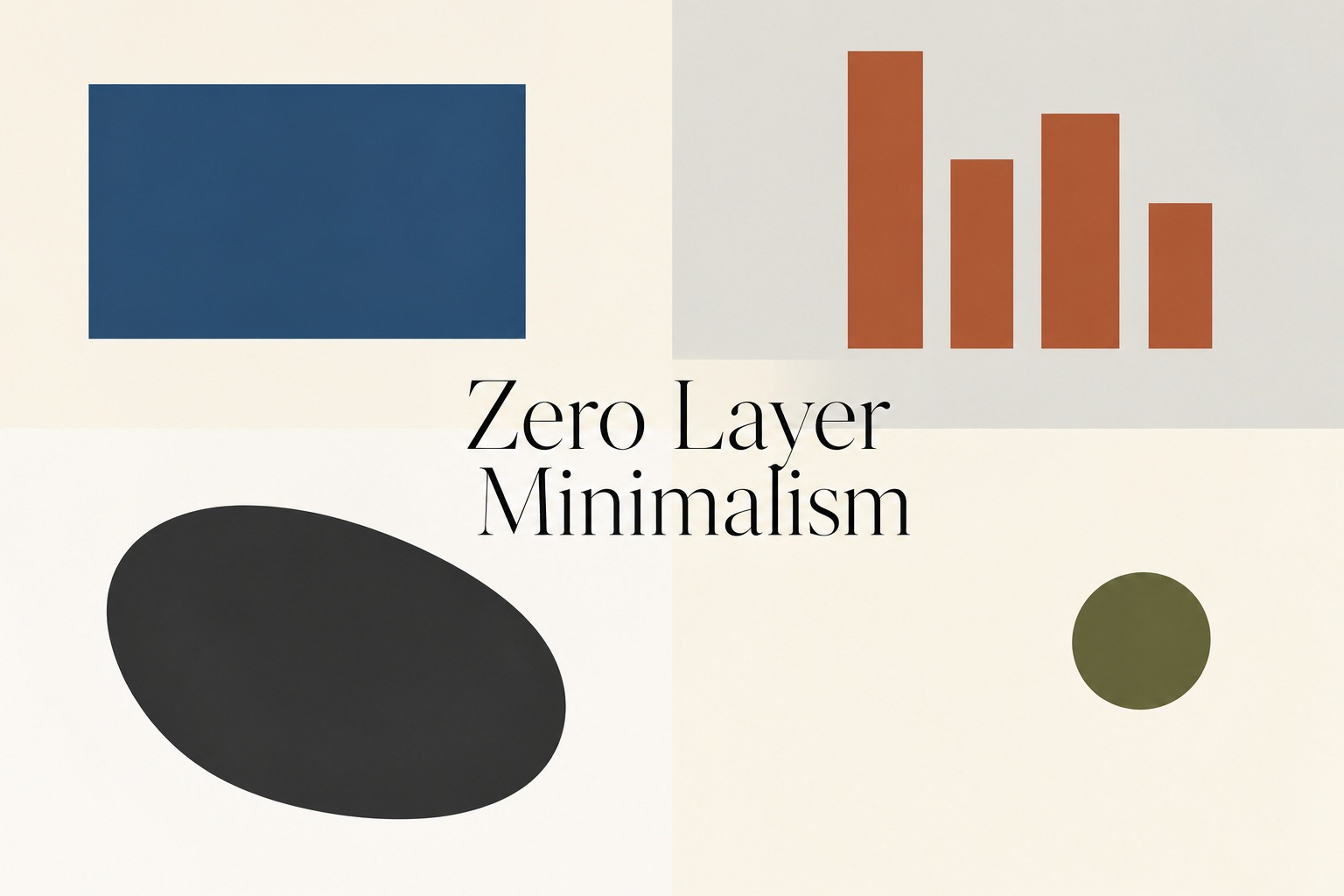
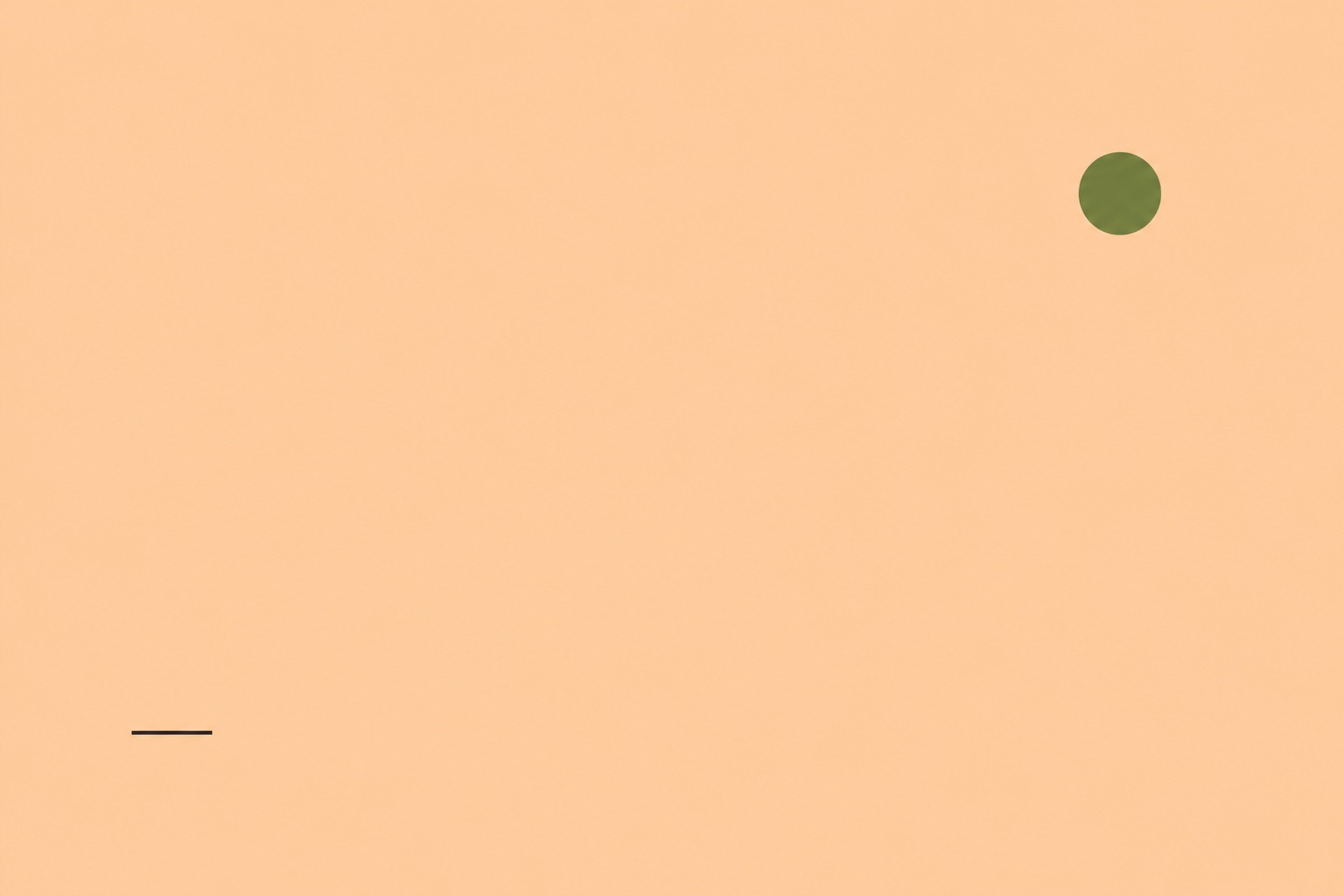
Five new AOI studies explore one apparent plane through proportion, spacing, asymmetry and restrained color. The titled collage compares these decisions.
Select an image for a closer look. Use the thumbnails, arrow keys or a swipe to compare examples. Zoom in to inspect details, or share the image that inspires you.
Creative toolbox · take this style further
Choose an input and a destination. Search sends your words to the chosen site; Copy & open puts them on your clipboard to paste there.
Create with AI
Turn your chosen input into an image prompt or a new creative direction.
ChatGPT
Copy your input and paste it into a ChatGPT conversation or image request.
Copy & open ChatGPT (new tab)Claude · Anthropic
Develop an image prompt or explore the style in a new Claude conversation.
Copy & open Claude · Anthropic (new tab)Midjourney
Paste your input into the Imagine bar on the Create page.
Copy & open Midjourney (new tab)Adobe Firefly
Copy your input, open Firefly, and paste it into the prompt field.
Copy & open Adobe Firefly (new tab)Leonardo.Ai
Copy your input, open Leonardo, and paste it into the generation field.
Copy & open Leonardo.Ai (new tab)Image search
Find visual references. Short, concrete keywords usually work best.
Lexica
Search AI images and prompts using your selected input.
Search with this input Lexica (new tab)Pexels
Search the photo and video library. Short keywords often work best.
Search with this input Pexels (new tab)Pixabay
Search photos, illustrations and other images.
Search with this input Pixabay (new tab)Unsplash
Search photographs using the style name or your own keywords.
Search with this input Unsplash (new tab)Wikimedia Commons
Search photographs, artworks and historical images. Check each file for its source and reuse terms.
Search with this input Wikimedia Commons (new tab)Art & research
Explore artists, collections and the ideas behind a style.
Wikipedia
Search for background reading. A style may not have its own article.
Search with this input Wikipedia (new tab)WikiArt
Copy your input into WikiArt’s search to explore artists and artworks.
Copy & open WikiArt (new tab)Europeana
Paste your keywords into the search to explore European museum, library and archive collections.
Copy & open Europeana (new tab)Inspiration
Discover portfolios and visual ideas from creative communities.
Instagram hashtags
Search a hashtag made from your input: spaces and punctuation are removed. Instagram may require sign-in.
Search with this input Instagram hashtags (new tab)ArtStation
Paste your input into artwork search for concept art, environments, characters and visual development.
Copy & open ArtStation (new tab)Behance
Paste your input into project search for illustration, design and visual storytelling.
Copy & open Behance (new tab)A closer look
A quiet field, one or two flat forms, a deliberate interval and restrained color create the image. Avoid simulated depth, stacked transparency and decorative texture unless their absence is being tested explicitly.
Why propose this constraint?
Digital image-making makes it easy to add another shadow, glow, texture or translucent shape. Zero Layer Minimalism asks what remains when those additions are withheld. AOI uses the name for a working exercise in clear relationships on a single apparent plane. It is not presented as an independently documented school, nor as proof that no one has explored similar ideas before.
The purpose is to make editing visible. A small shift in position or proportion should matter enough to change the composition. An image that depends on decorative effects to feel complete has not yet solved this particular exercise. The proposal can be used in posters, abstract studies and visual identity exploration, provided the actual communication need remains clear.
One plane is an appearance
The rule concerns what the viewer perceives. A file may contain many technical layers while the finished image reads as a single field with flat marks. Conversely, one flattened raster file can depict elaborate depth. The concept therefore says nothing about a document’s internal structure or the physical construction of a painted surface.
For a first study, choose a matte field and a single contrasting shape. Avoid gradients, cast shadows and overlapping transparency. Define an interval between the shape and the nearest edge. Adjust that interval slowly and compare alternatives at the same size. The exercise becomes useful when you can explain why one placement is more resolved than another.
Palette and proportion
A limited palette does not require only black and white. Warm cream with muted blue, pale gray with rust, or two close values can each create a different relationship. Keep the strongest contrast where it serves the main decision. If two forms compete equally, consider whether their scale or separation needs to change before introducing another color.
Edges matter because there are few distractions. A slightly softened edge can establish a different sensation from a mechanically sharp one, but arbitrary distressing can undermine the constraint. Choose whether the image is about exact geometry or a modest irregularity, then keep that choice consistent. Quiet is an outcome of controlled relationships, not a synonym for empty.
Historical comparisons without invented ancestry
Minimal and reductive art has a complex history. Agnes Martin’s work offers a useful comparison for close attention to intervals and subtle differences, but she is not a member or founder of this AOI proposal. The cited museum discussion of Little Sister concerns her own work and should be read on its own terms.
Likewise, color-comparison exercises associated with Josef Albers help us notice how surrounding colors alter perception. They do not authenticate the phrase Zero Layer Minimalism. These references give a reader useful neighboring practices while preserving a clear distinction between documented art history and this page’s contemporary editorial experiment.
Test the smallest meaningful change
Make three variants of the same composition, changing only the gap, width or position of one form. View them at normal reading distance and as small thumbnails. Choose a version for a specific reason: steadier balance, clearer direction or a more productive tension. If the difference cannot be described, simplify the comparison further.
The proposal fails when minimal means merely unfinished or interchangeable. A generic rectangle on a pale background is only a starting condition. Its size, edge behavior, color and relation to the frame must earn attention. The accompanying images demonstrate different possible arrangements; they do not claim that simplicity automatically produces calm, universality or superior taste.
About this guide
This AI-authored AOI guide appears under Penny Wraiter, AOI’s editorial persona. Sources support the historical context; exercises, prompts and poetry are original editorial interpretations. Image captions distinguish generated studies from documented works.
A small poetic detour
Original words from the AOI studio.
Poetry
One shape remains upon the page.
The empty interval is wide.
A smaller distance changes weight;
a quieter color turns the tide.
No shadow lends a second plane.
No ornament explains the view.
We move one edge, then step away
and see what one small change can do.
The prompt workshop
Original creative exercises. These prompts create new illustrations, not documentary evidence.
One form and one interval
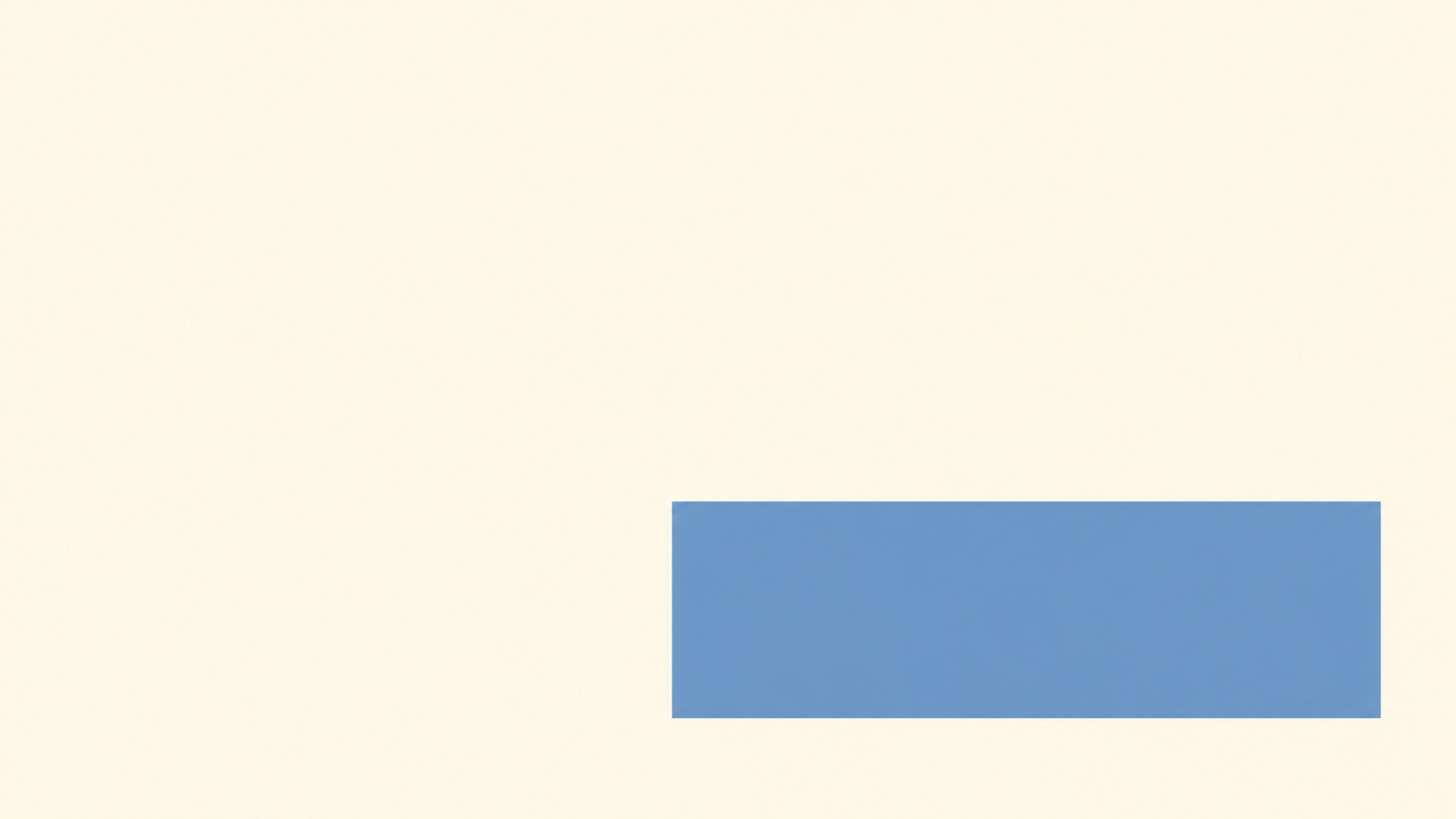
Create an original AOI Zero Layer Minimalism study: one muted blue rectangle on a warm cream field, placed off-center with a carefully judged wide margin. Flat color, no shadow, gradient, texture, lettering or transparency.
Change only the gap
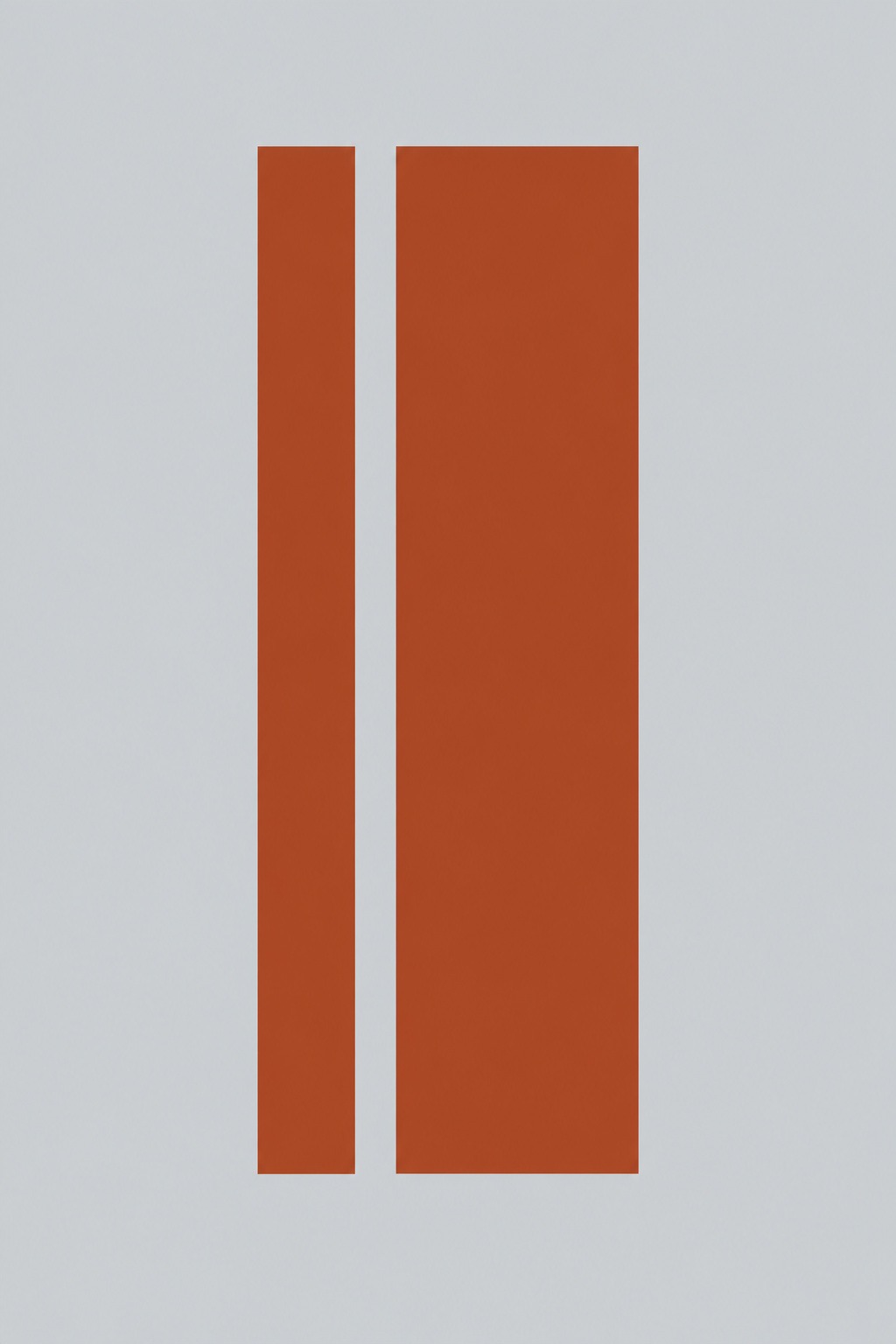
Compose two rust-colored flat vertical bars on pale gray. Their unequal widths and one narrow interval should carry the image. Crisp edges, no simulated depth or extra ornament. Treat the result as an AOI experimental composition.
A quiet irregularity
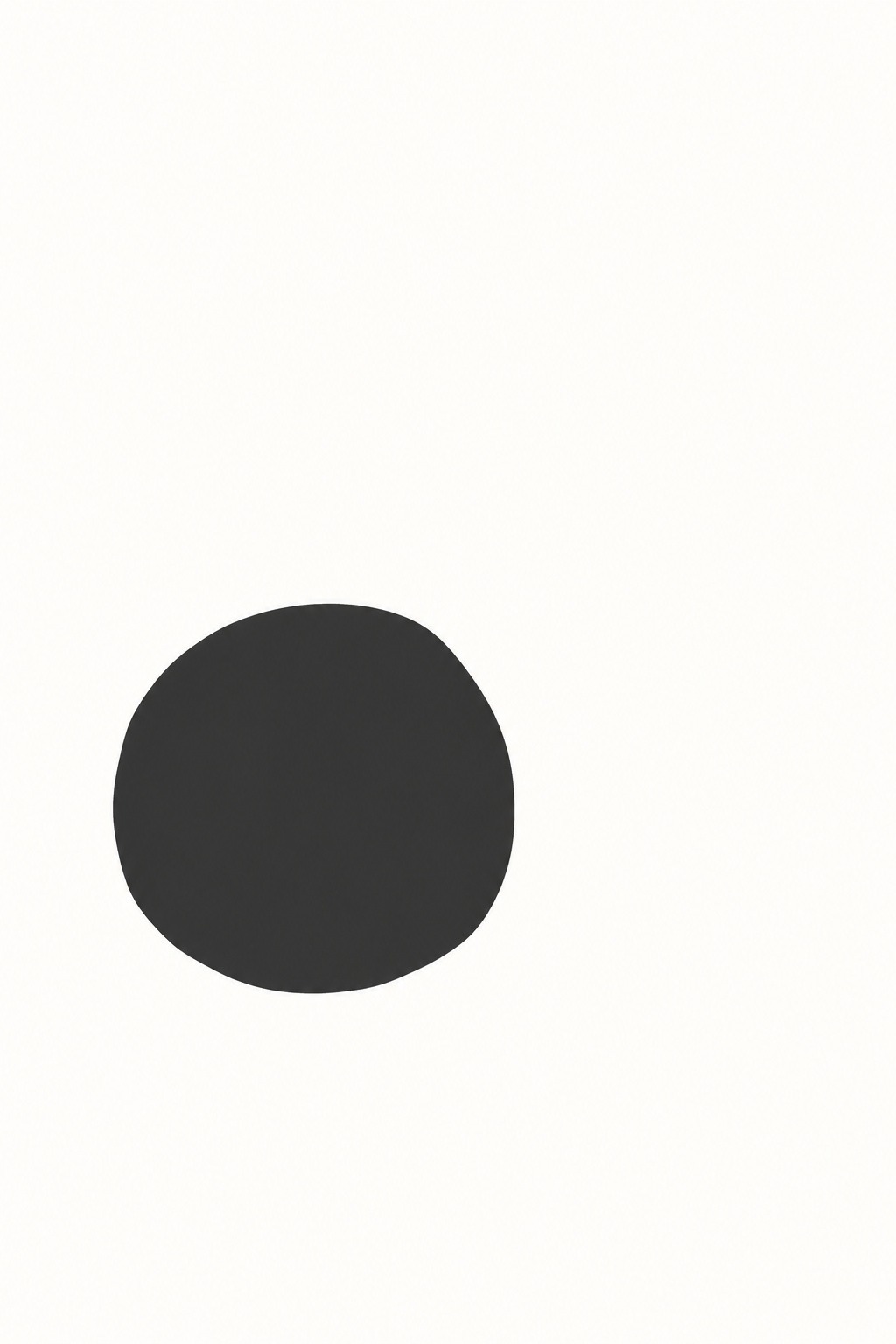
Create a flat near-white field with one dark charcoal oval whose contour has a slight deliberate asymmetry. Large open margins and one clear placement decision. No cast shadow, embossing or distressed texture.
A smile from the studio
Jokes
The composition had one rectangle. Its revision history, naturally, had forty-three.