
AOI experimental concept
Artstyle Meticulousness is an AOI-created working concept for images in which precise, selective detail reveals structure. It is an editorial proposal, not a documented historical movement or an alternative name for Structuralism.
An A⊕I –[-.+] creαt¡ve c⊕ncept, n⊕t αn estαbl¡she∂ h¡st⊕r¡cαl m⊕vement.
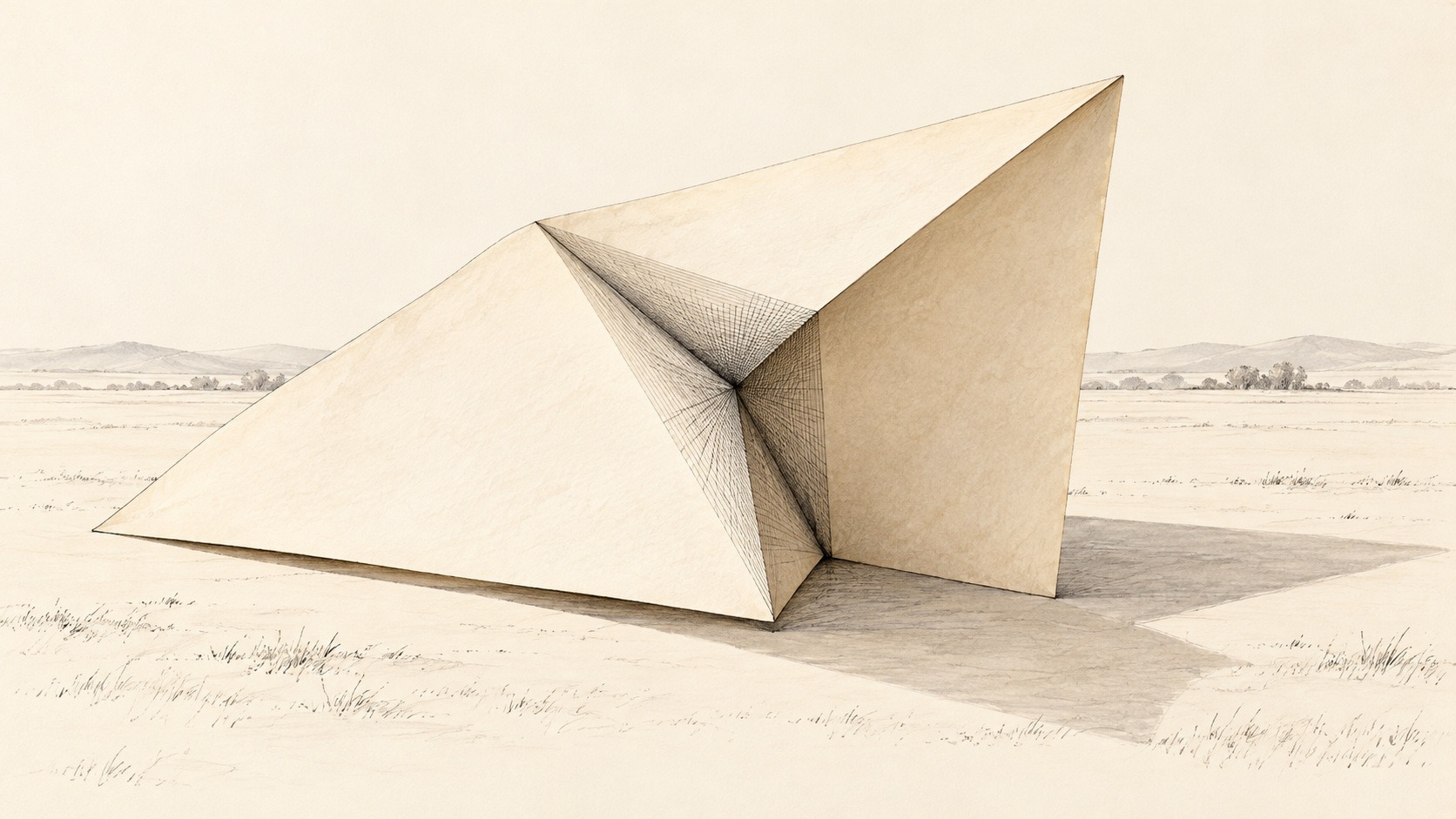
A visual introduction
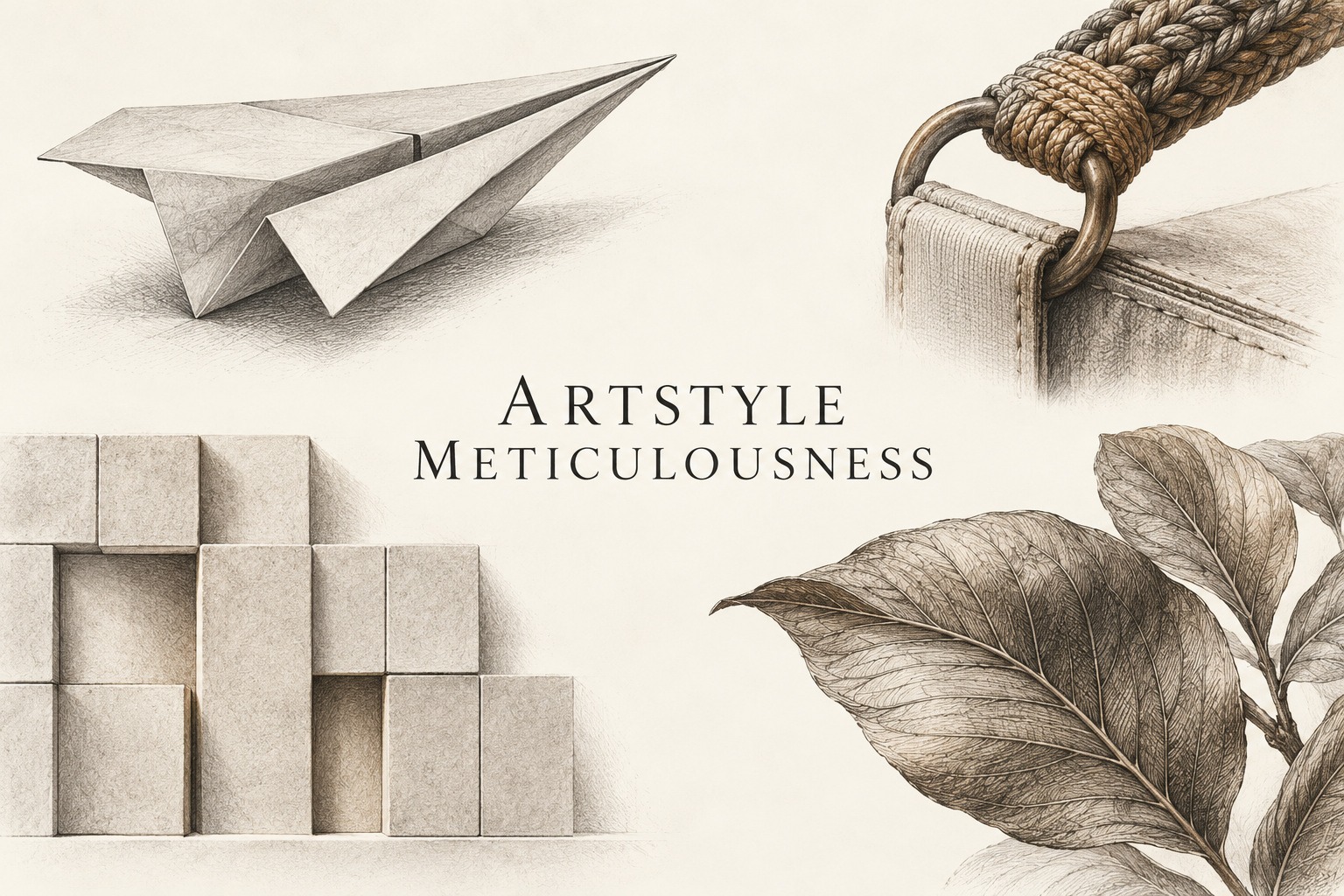
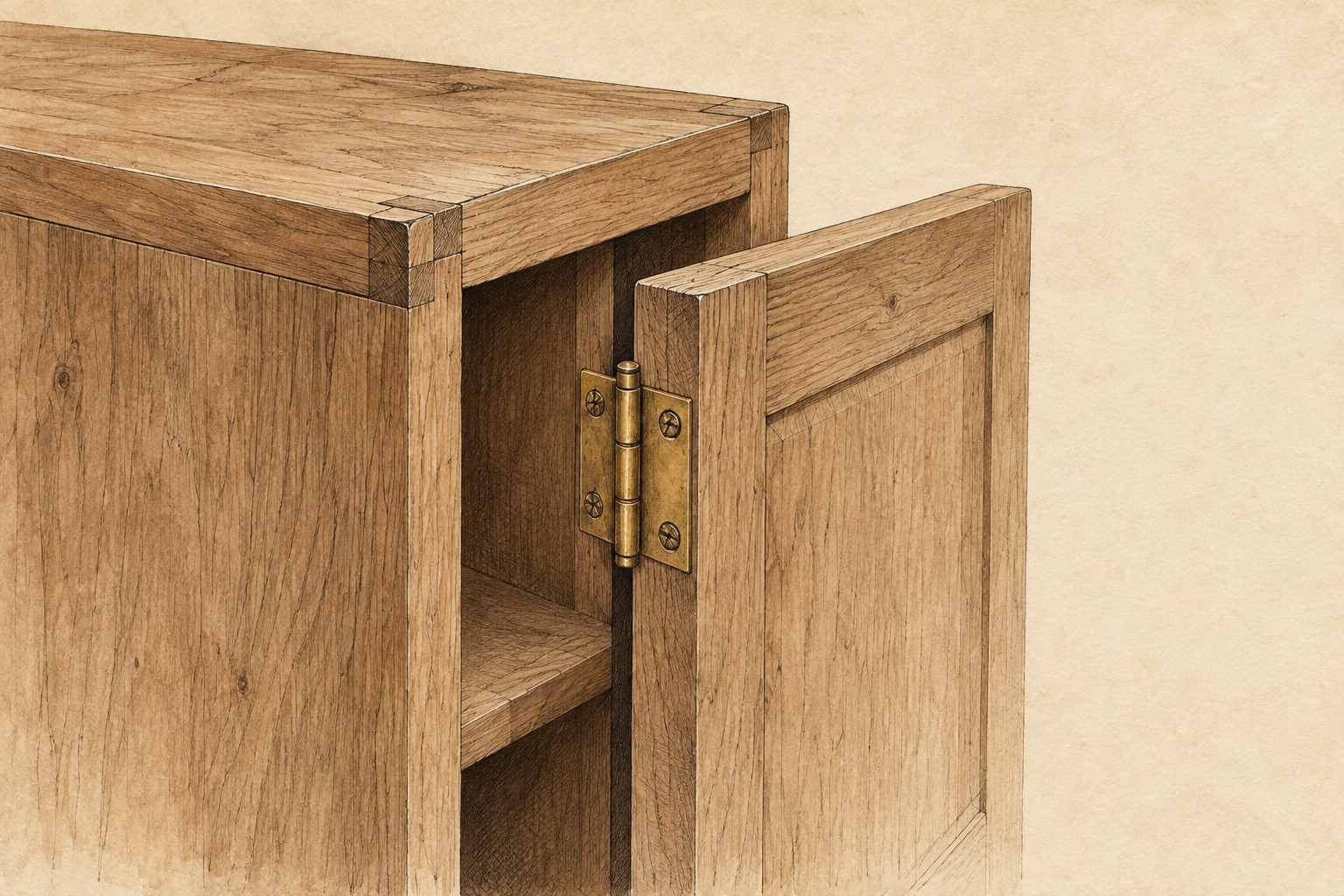
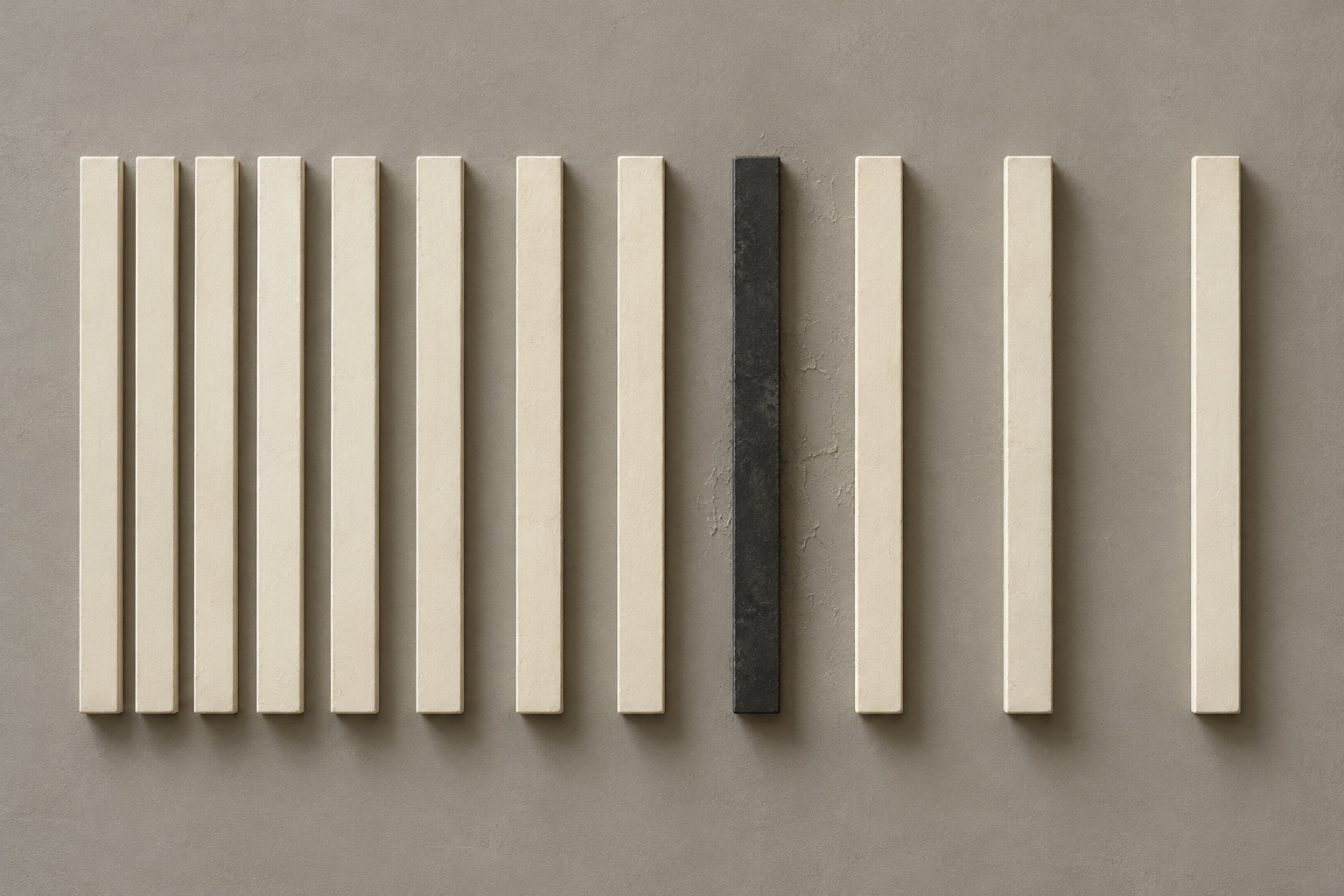
Four new AOI studies explore selective precision in folded planes, joinery and repeated intervals. An earlier engraved portrait provides a figurative comparison. These are artistic interpretations, not technical or botanical documentation.
Select an image for a closer look. Use the thumbnails, arrow keys or a swipe to compare examples. Zoom in to inspect details, or share the image that inspires you.

Creative toolbox · take this style further
Choose an input and a destination. Search sends your words to the chosen site; Copy & open puts them on your clipboard to paste there.
Create with AI
Turn your chosen input into an image prompt or a new creative direction.
ChatGPT
Copy your input and paste it into a ChatGPT conversation or image request.
Copy & open ChatGPT (new tab)Claude · Anthropic
Develop an image prompt or explore the style in a new Claude conversation.
Copy & open Claude · Anthropic (new tab)Midjourney
Paste your input into the Imagine bar on the Create page.
Copy & open Midjourney (new tab)Adobe Firefly
Copy your input, open Firefly, and paste it into the prompt field.
Copy & open Adobe Firefly (new tab)Leonardo.Ai
Copy your input, open Leonardo, and paste it into the generation field.
Copy & open Leonardo.Ai (new tab)Image search
Find visual references. Short, concrete keywords usually work best.
Lexica
Search AI images and prompts using your selected input.
Search with this input Lexica (new tab)Pexels
Search the photo and video library. Short keywords often work best.
Search with this input Pexels (new tab)Pixabay
Search photos, illustrations and other images.
Search with this input Pixabay (new tab)Unsplash
Search photographs using the style name or your own keywords.
Search with this input Unsplash (new tab)Wikimedia Commons
Search photographs, artworks and historical images. Check each file for its source and reuse terms.
Search with this input Wikimedia Commons (new tab)Art & research
Explore artists, collections and the ideas behind a style.
Wikipedia
Search for background reading. A style may not have its own article.
Search with this input Wikipedia (new tab)WikiArt
Copy your input into WikiArt’s search to explore artists and artworks.
Copy & open WikiArt (new tab)Europeana
Paste your keywords into the search to explore European museum, library and archive collections.
Copy & open Europeana (new tab)Inspiration
Discover portfolios and visual ideas from creative communities.
Instagram hashtags
Search a hashtag made from your input: spaces and punctuation are removed. Instagram may require sign-in.
Search with this input Instagram hashtags (new tab)ArtStation
Paste your input into artwork search for concept art, environments, characters and visual development.
Copy & open ArtStation (new tab)Behance
Paste your input into project search for illustration, design and visual storytelling.
Copy & open Behance (new tab)A closer look
A clear large-scale arrangement supports controlled hatching, repeated modules, carefully varied edges and a small number of concentrated details. Precision must guide attention rather than fill every available surface.
What this AOI concept proposes
Artstyle Meticulousness asks a practical question: how can an image reward close looking without losing its larger shape? AOI uses the name here for a proposed method of selective precision. No independent founding group, historical school or verified list of associated artists is established by this page. Earlier unsupported origin stories and invented artist attributions should not be treated as art history.
The concept can work in a representational drawing, an abstract construction or a designed object. Its defining relationship is between a legible whole and meaningful detail. A carefully hatched portrait and an exact modular relief may share that relationship even though their subjects and materials differ. This is why the term describes an AOI approach to attention rather than a fixed visual motif.
A hierarchy of decisions
Start with three scales. At the largest scale, choose a silhouette or field arrangement that reads immediately. At the middle scale, establish a rhythm of planes, contours or repeated units. At the smallest scale, reserve finely resolved marks for the features that explain the subject. If every region is equally intricate, the viewer has no reason to look anywhere first.
Use quiet intervals deliberately. A smooth cheek can make fine hair lines visible; an empty margin can clarify a dense architectural drawing. Precision includes deciding where not to add a mark. Evaluate the image at thumbnail size and at full size. It should work as a coherent arrangement before it becomes an inventory of textures.
Mark, edge and palette
Hatching should follow a form or establish a consistent tonal field. Repeated mechanical details need a shared scale, plausible attachment and controlled spacing. Soft edges can remain soft: meticulousness does not require outlining everything. Choose one or two material contrasts, such as fine ink against open paper or a polished edge beside a matte plane, and let them organize the surface.
A restrained palette makes small differences easier to compare, but monochrome is not mandatory. In a colored study, establish dominant and supporting hues before adding tiny accents. Avoid scattering the strongest saturation across every part of the image. The related historical sources on geometric abstraction and color interaction offer comparison tools; they do not document the existence of this AOI concept.
Three ways to test the idea
For an observational drawing, select a plain household object with one complicated junction, such as a hinge or woven handle. Resolve that junction carefully while keeping the body broad. For an abstract image, arrange related modules and introduce one controlled change in spacing or proportion. For a portrait, let the face’s large planes establish likeness before refining selected strands, folds or contours.
Try a subtraction pass after the first draft. Remove a third of the smallest marks from secondary areas and compare the result at normal viewing distance. If the image becomes clearer, the removed detail was competing with its subject. If a necessary material or structural relationship disappears, restore only the marks that explain it. This is an editing exercise, not a universal numerical rule.
What the name does not promise
Meticulous rendering does not guarantee factual accuracy. A generated machine can have beautifully drawn but impossible joints; a botanical study can depict an invented plant with convincing veins. Verify structure when the image claims to teach it. Otherwise label the work as an imagined study. Decorative pseudo-diagrams, fake measurements and invented annotations undermine the concept’s emphasis on purposeful precision.
The approach is useful for editorial illustration, contemplative drawing and formal studies where a viewer can move between overview and close inspection. It becomes tedious when density replaces selection. AOI’s proposed criterion is simple: each cluster of detail should explain form, material, rhythm or a deliberate focal decision. If it does none of these, it is a candidate for removal.
About this guide
This AI-authored AOI guide appears under Penny Wraiter, AOI’s editorial persona. Sources support the historical context; exercises, prompts and poetry are original editorial interpretations. Image captions distinguish generated studies from documented works.
A small poetic detour
Original words from the AOI studio.
Poetry
A narrow line decides to turn.
The wider field remains at rest.
One small connection earns its ink;
not every leaf must pass the test.
The patient hand removes a mark,
then lets the open paper speak.
The finished thing is clear enough
to leave a little more to seek.
The prompt workshop
Original creative exercises. These prompts create new illustrations, not documentary evidence.
Precision with a quiet margin
Create an original ink-like study of a folded paper form on warm white paper. Establish its three main planes with broad tonal restraint, then concentrate fine hatching at one fold. Large untouched margins, coherent light direction, no lettering or measurements. Use AOI Artstyle Meticulousness as a selective-detail exercise.
A junction worth studying
Illustrate an imagined wooden cabinet hinge and adjoining edge in close view. Keep the larger wooden planes calm; resolve the hinge attachment and material transitions carefully. Limited umber, charcoal and cream palette, no fake technical dimensions. The drawing is an artistic study, not a manufacturing specification.
Change one interval
Compose a precise abstract relief of narrow rectangular modules on a pale field. Use consistent depth and shadow, with one gradually widening interval creating the focal rhythm. Fine surface marks only near that transition. No labels, no excessive texture, no claim to an established historical school.
A smile from the studio
Jokes
The meticulous artist sharpened every pencil, then spent the afternoon deciding which line could be omitted.