
Pixel-art approach · Monochrome Pixel Art
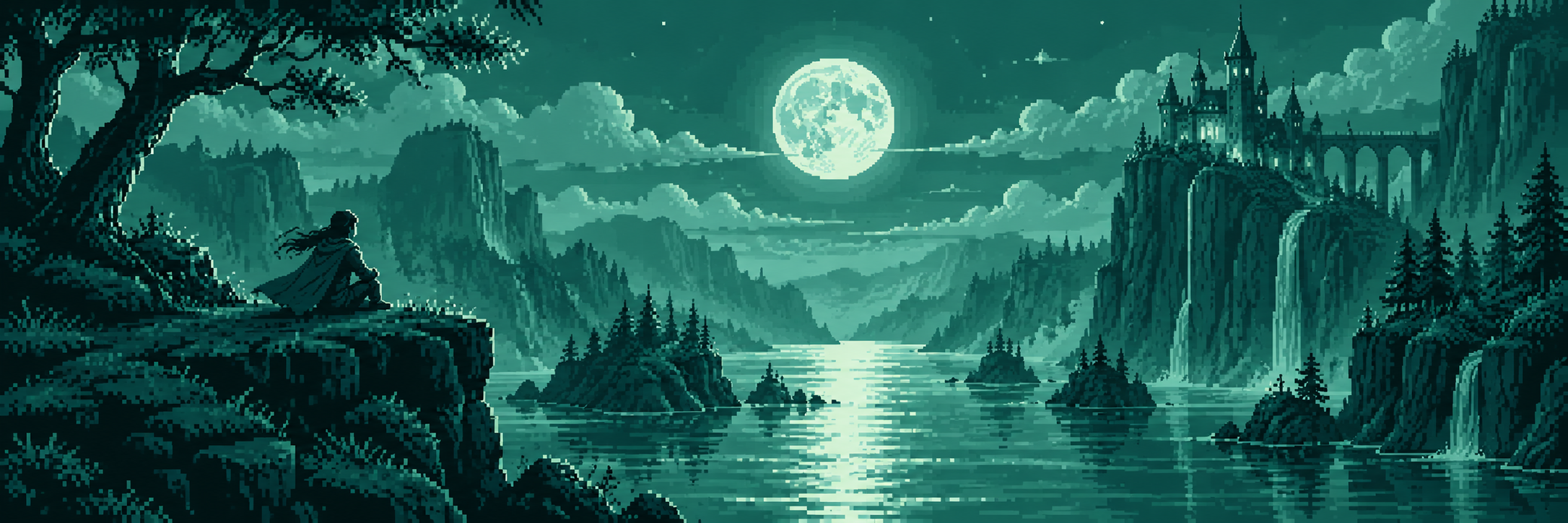
Monochrome pixel art asks one colour family to do the work of a broader palette. Value, silhouette and spacing carry the image: a pale doorway can become a focal point without introducing a second hue.
A visual introduction
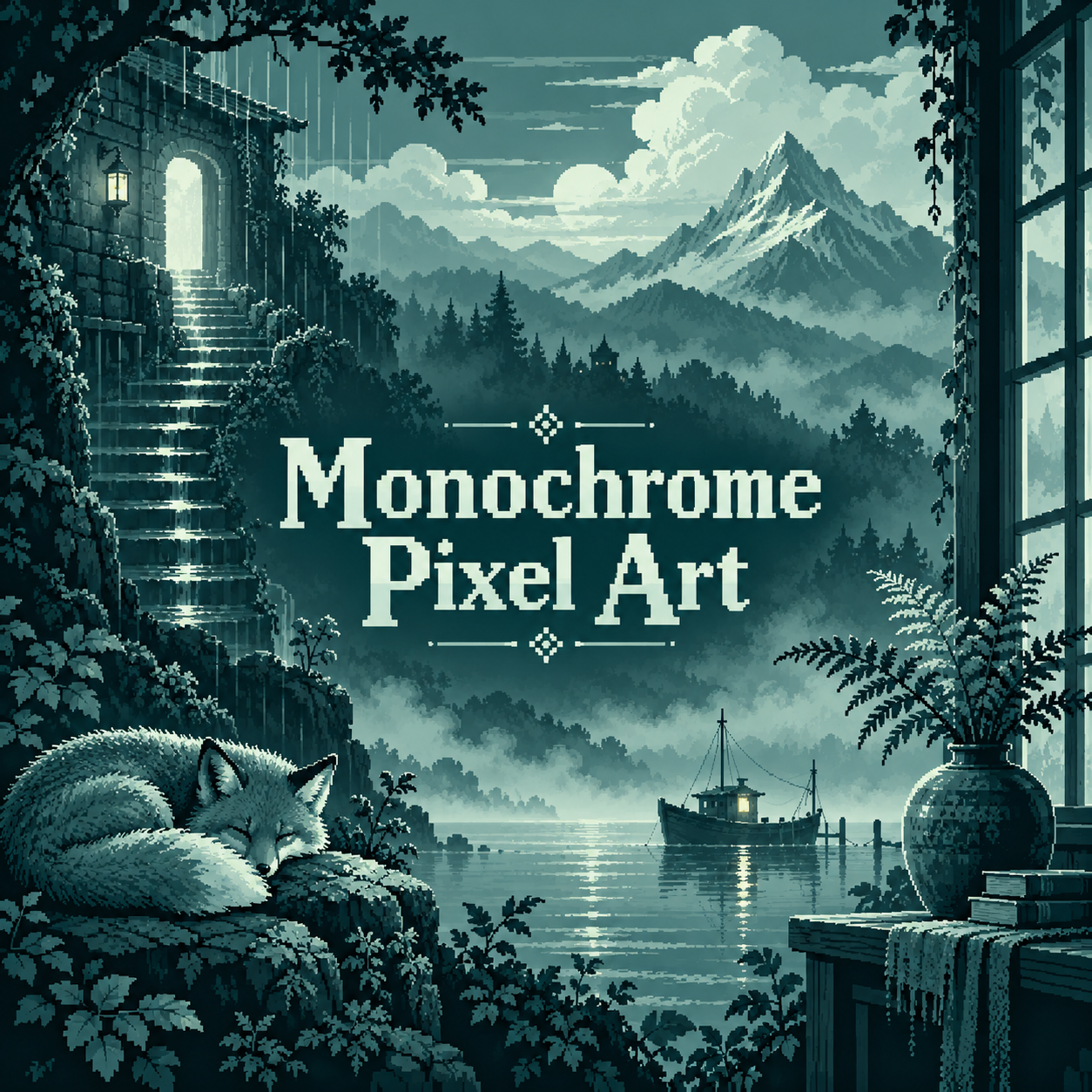
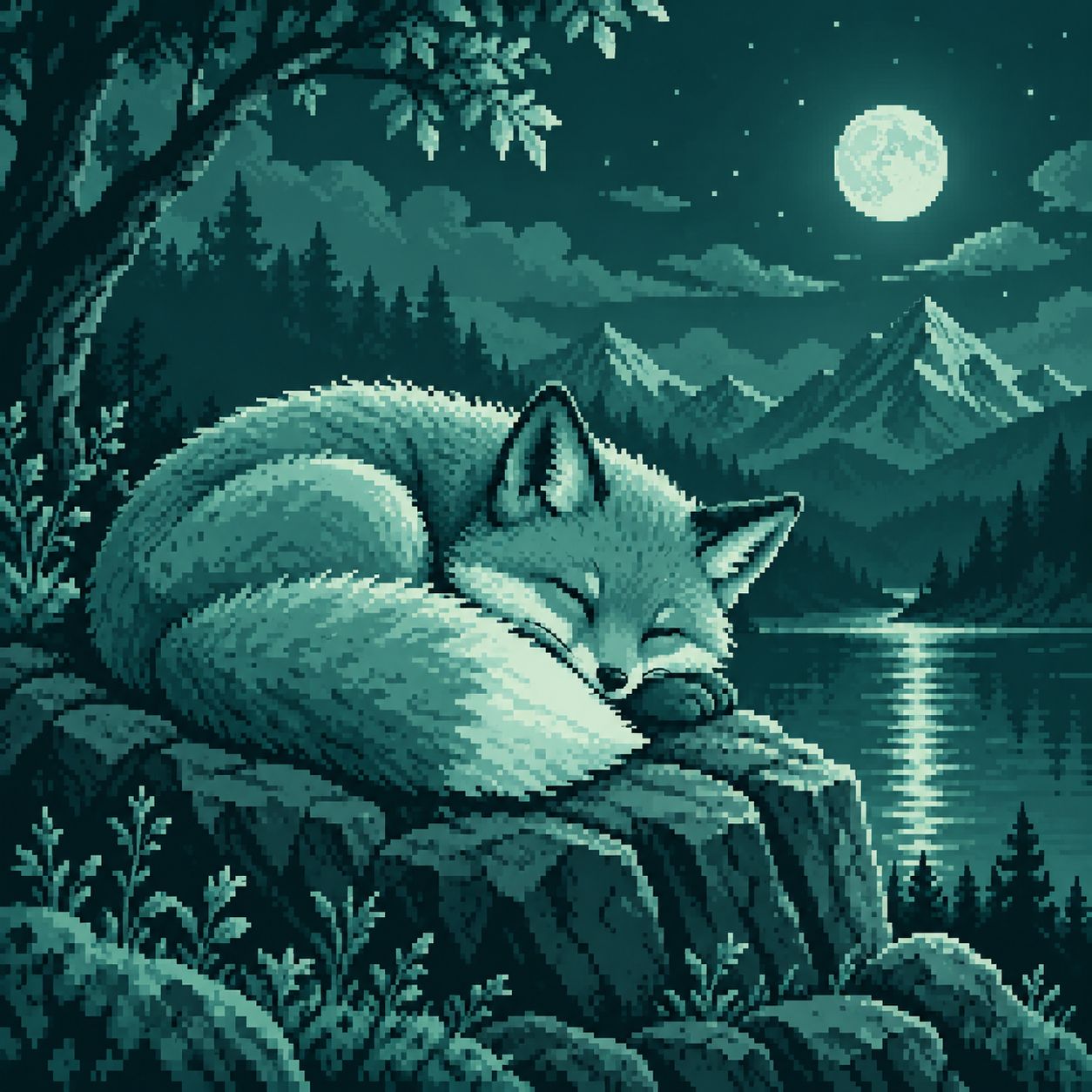
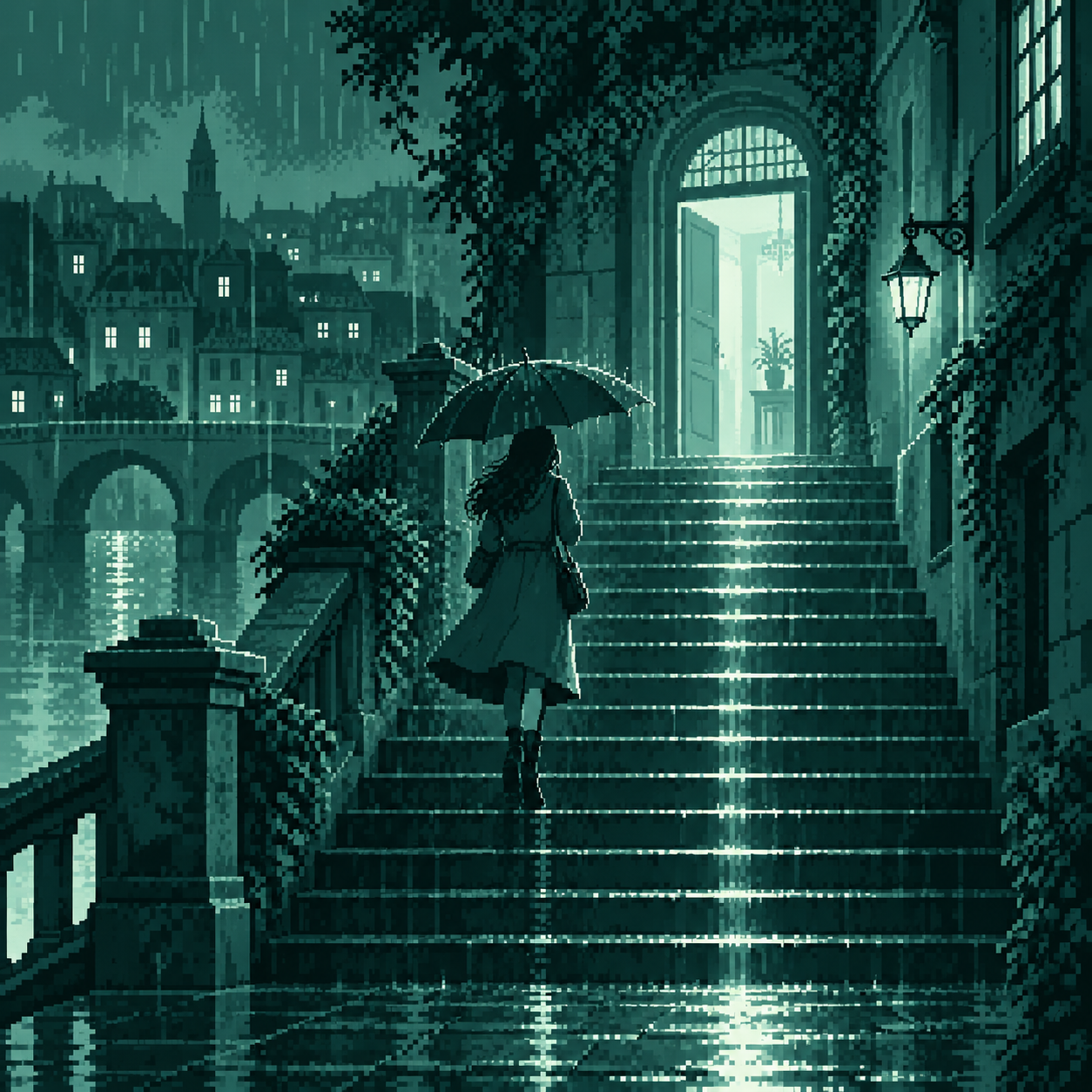
Seven original AI-generated interpretations: a dedicated banner, a centrally titled collage and five visual studies. These are contemporary illustrations, not historical game screenshots or certified hardware-ready assets.
Select an image for a closer look. Use the thumbnails, arrow keys or a swipe to compare examples. Zoom in to inspect details, or share the image that inspires you.
Creative toolbox · take this style further
Choose an input and a destination. Search sends your words to the chosen site; Copy & open puts them on your clipboard to paste there.
Create with AI
Turn your chosen input into an image prompt or a new creative direction.
ChatGPT
Copy your input and paste it into a ChatGPT conversation or image request.
Copy & open ChatGPT (new tab)Claude · Anthropic
Develop an image prompt or explore the style in a new Claude conversation.
Copy & open Claude · Anthropic (new tab)Midjourney
Paste your input into the Imagine bar on the Create page.
Copy & open Midjourney (new tab)Adobe Firefly
Copy your input, open Firefly, and paste it into the prompt field.
Copy & open Adobe Firefly (new tab)Leonardo.Ai
Copy your input, open Leonardo, and paste it into the generation field.
Copy & open Leonardo.Ai (new tab)Image search
Find visual references. Short, concrete keywords usually work best.
Lexica
Search AI images and prompts using your selected input.
Search with this input Lexica (new tab)Pexels
Search the photo and video library. Short keywords often work best.
Search with this input Pexels (new tab)Pixabay
Search photos, illustrations and other images.
Search with this input Pixabay (new tab)Unsplash
Search photographs using the style name or your own keywords.
Search with this input Unsplash (new tab)Wikimedia Commons
Search photographs, artworks and historical images. Check each file for its source and reuse terms.
Search with this input Wikimedia Commons (new tab)Art & research
Explore artists, collections and the ideas behind a style.
Wikipedia
Search for background reading. A style may not have its own article.
Search with this input Wikipedia (new tab)WikiArt
Copy your input into WikiArt’s search to explore artists and artworks.
Copy & open WikiArt (new tab)Europeana
Paste your keywords into the search to explore European museum, library and archive collections.
Copy & open Europeana (new tab)Inspiration
Discover portfolios and visual ideas from creative communities.
Instagram hashtags
Search a hashtag made from your input: spaces and punctuation are removed. Instagram may require sign-in.
Search with this input Instagram hashtags (new tab)ArtStation
Paste your input into artwork search for concept art, environments, characters and visual development.
Copy & open ArtStation (new tab)Behance
Paste your input into project search for illustration, design and visual storytelling.
Copy & open Behance (new tab)A closer look
One hue family or grayscale, distinct light-to-dark values, deliberate silhouettes and separation through contrast rather than colour variety.
One hue is not one bit
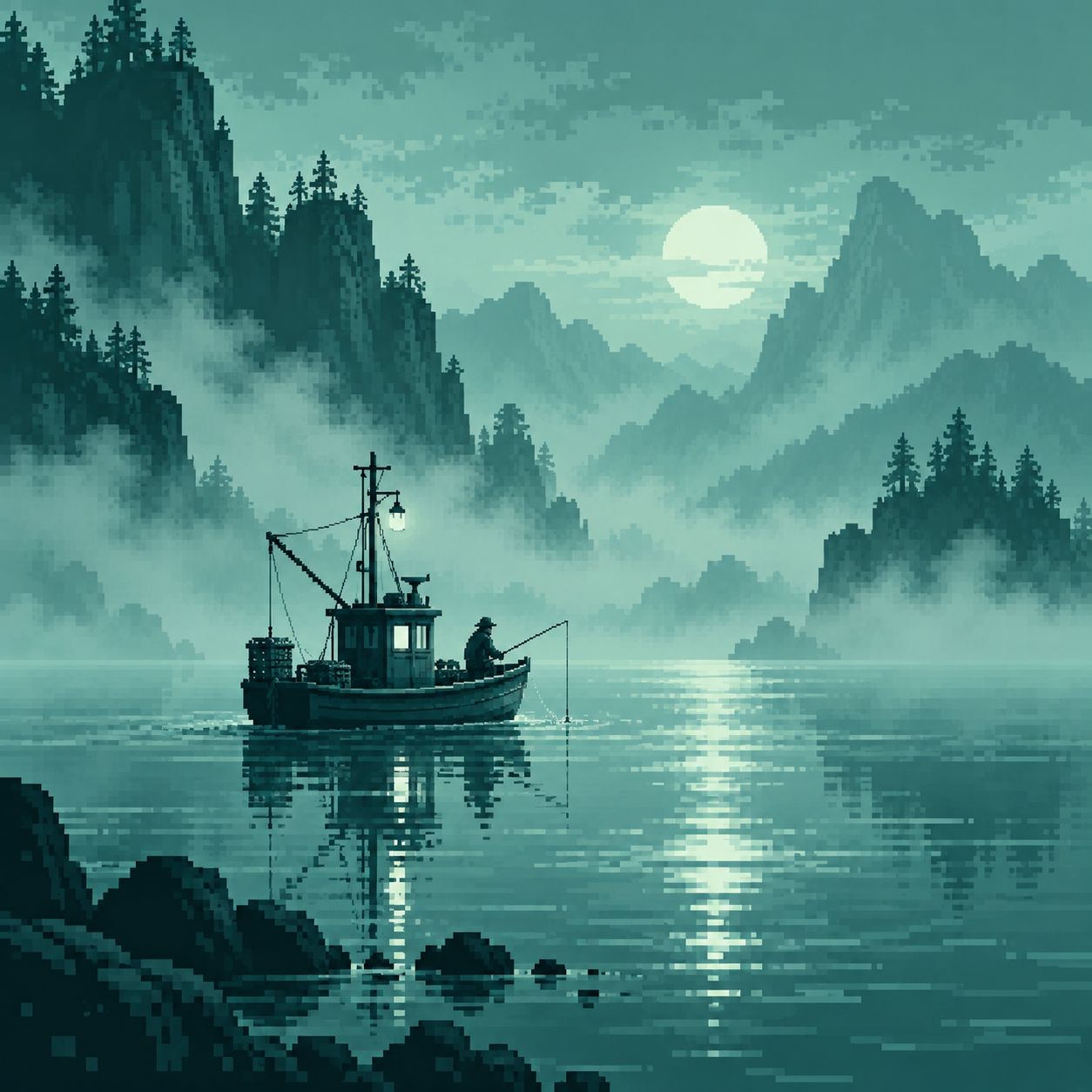
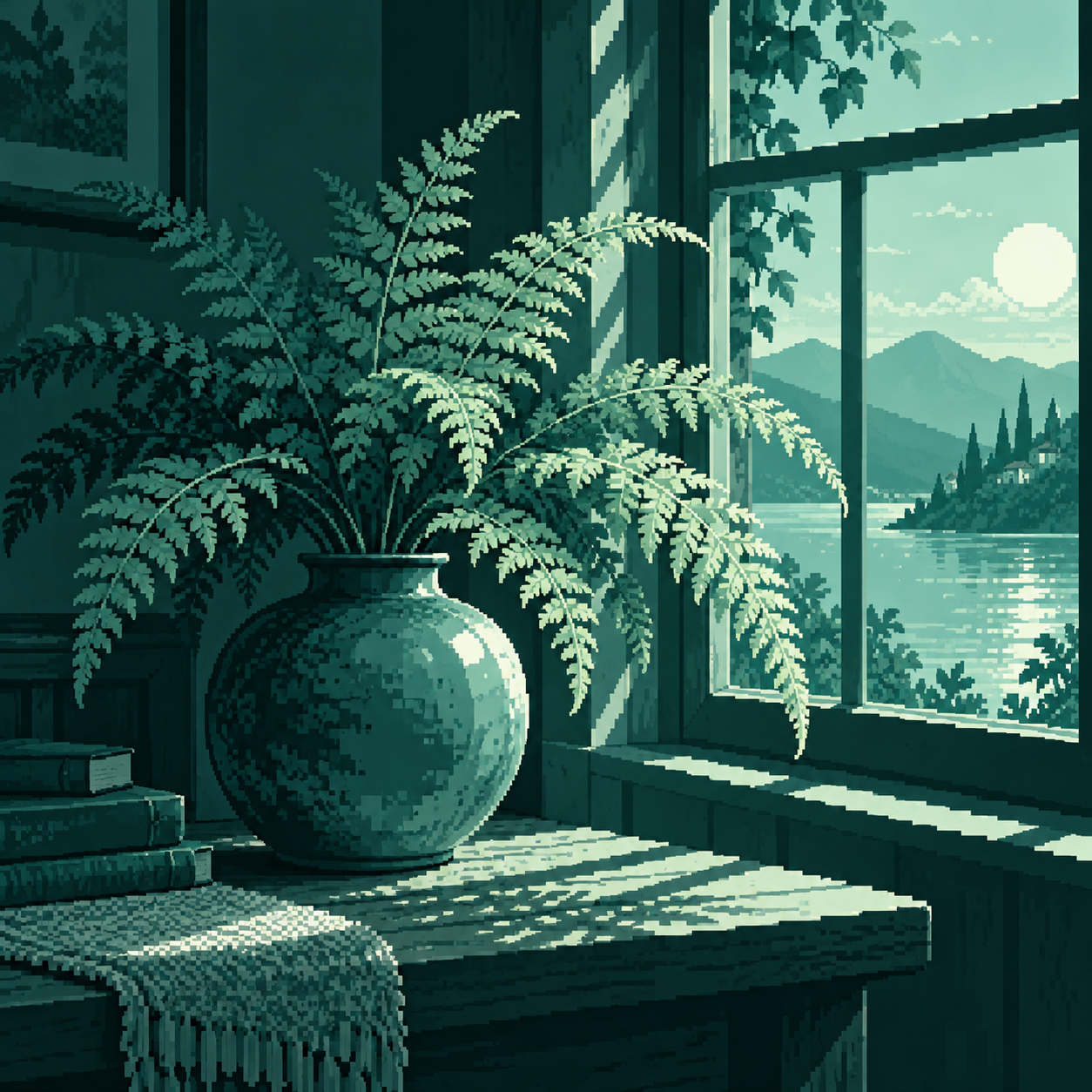
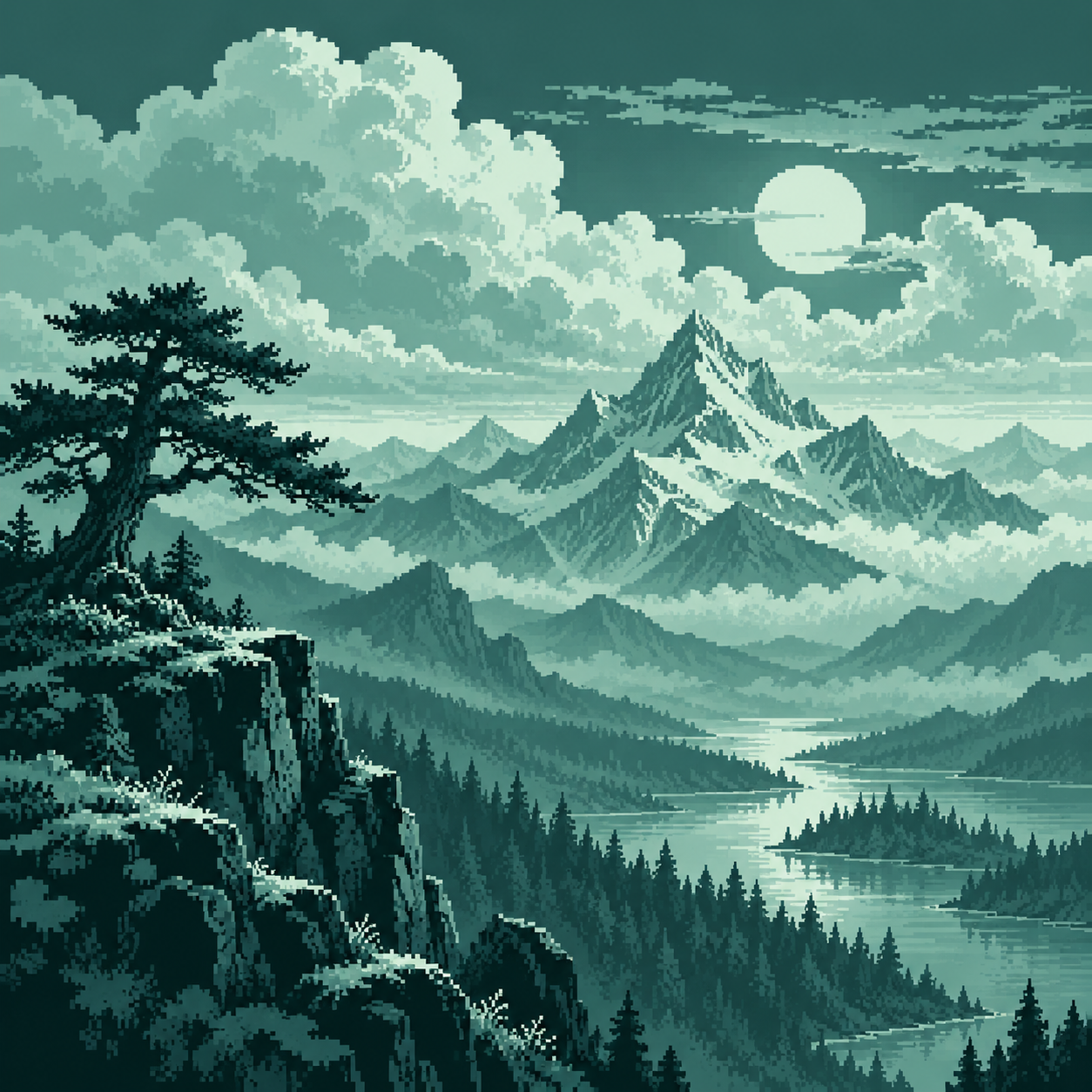
Monochrome may use several values within a single hue family; grayscale is another option. One-bit imagery is the narrower two-value case. A teal scene with multiple light and dark steps is therefore monochrome without being one-bit. The studies use one cool family to compare a resting fox, stairs, a boat, a plant and distant mountains. The approach is a palette constraint, not an exclusively historical machine style.
Assign each value a job
Begin with a dark mass, a middle field and a light focal shape. Decide whether the viewer should notice the fox, doorway or boat first. Add another value only when it separates an important plane or turns a form. Nearby objects can merge when their values match; changing their silhouette, spacing or background is often more effective than adding outlines to everything.
Edges become a second vocabulary
The fox’s crisp boundary can separate it immediately from the ground. Mist feels gentler when adjacent values are close, even if the pixel edges remain sharp. Dithering is optional: use it for a purposeful transition rather than a compulsory retro texture. Compare a three-value version with a six-value version before adding detail. This exercise suits icons, atmospheric scenes and visual studies where hierarchy must survive the loss of hue contrast.
Positive editorial assessment · AI-authored
A single hue family makes value decisions unusually clear. The bright doorway and dark boat show how a small contrast can direct attention without competing colour accents.
Negative editorial assessment · AI-authored
Monochrome can flatten depth when neighbouring shapes share similar values. Test silhouettes and spacing before adding more shades; decorative tonal ramps cannot rescue an unreadable focal object.
Neutral editorial assessment · AI-authored
This is a palette approach compatible with many pixel styles and resolutions. Multiple values are allowed, and the resulting mood depends on composition and chosen hue rather than monochrome alone.
A small poetic detour
Original words from the AOI studio.
Poetry
One colour, several distances
The river is the palest of the greens;
the boat is almost night against its shore.
A window changes everything it means
by being lighter than the darkened door.
No red arrives to tell us where to turn.
The fox is found by what surrounds its sleep.
Within one colour, little contrasts learn
how far a quiet mountain needs to keep.
The prompt workshop
Original creative exercises. These prompts create new illustrations, not documentary evidence.
Three values, one fox
Create an original monochrome pixel-art sleeping fox using three teal values. Keep the curled silhouette legible and give the background a quieter middle value. No other hues or lettering.
Make the shape readable before adding fur detail.
Lead with light
Create monochrome pixel-art rain-wet stairs leading to a pale doorway. Use a single blue-green hue family, clear value steps and selective reflections that guide the eye upward.
Keep the brightest value concentrated around the destination.
Compare value budgets
Create two monochrome pixel studies of a boat in mist: one with three values, one with six. Preserve the same silhouette and composition. No text.
Choose the version whose extra values improve depth without weakening focus.
Your next inspiration
Discover another art style
Follow a visual thread to the next subject.
A smile from the studio
Jokes
The client requested a strictly monochrome boat scene, then asked for the important boat to be red. The artist made it darker instead. “Now I can see it,” said the client. “Exactly the red I had in mind.” The artist decided this was a good moment to send the invoice, before anyone requested a more colourful shade of teal.