
Paper relief and layered image construction
A paper edge can draw twice. Its cut makes the first line. Lift the sheet a little and its shadow draws a second one on the layer below. The distance between them becomes part of the composition.
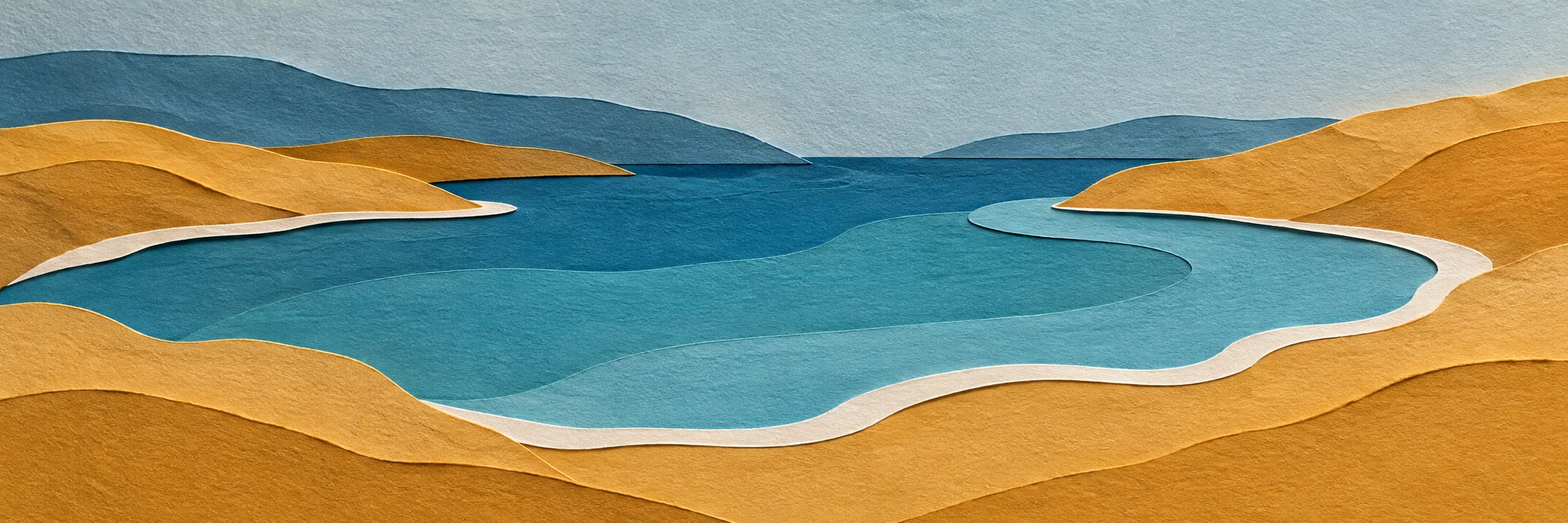
A visual introduction
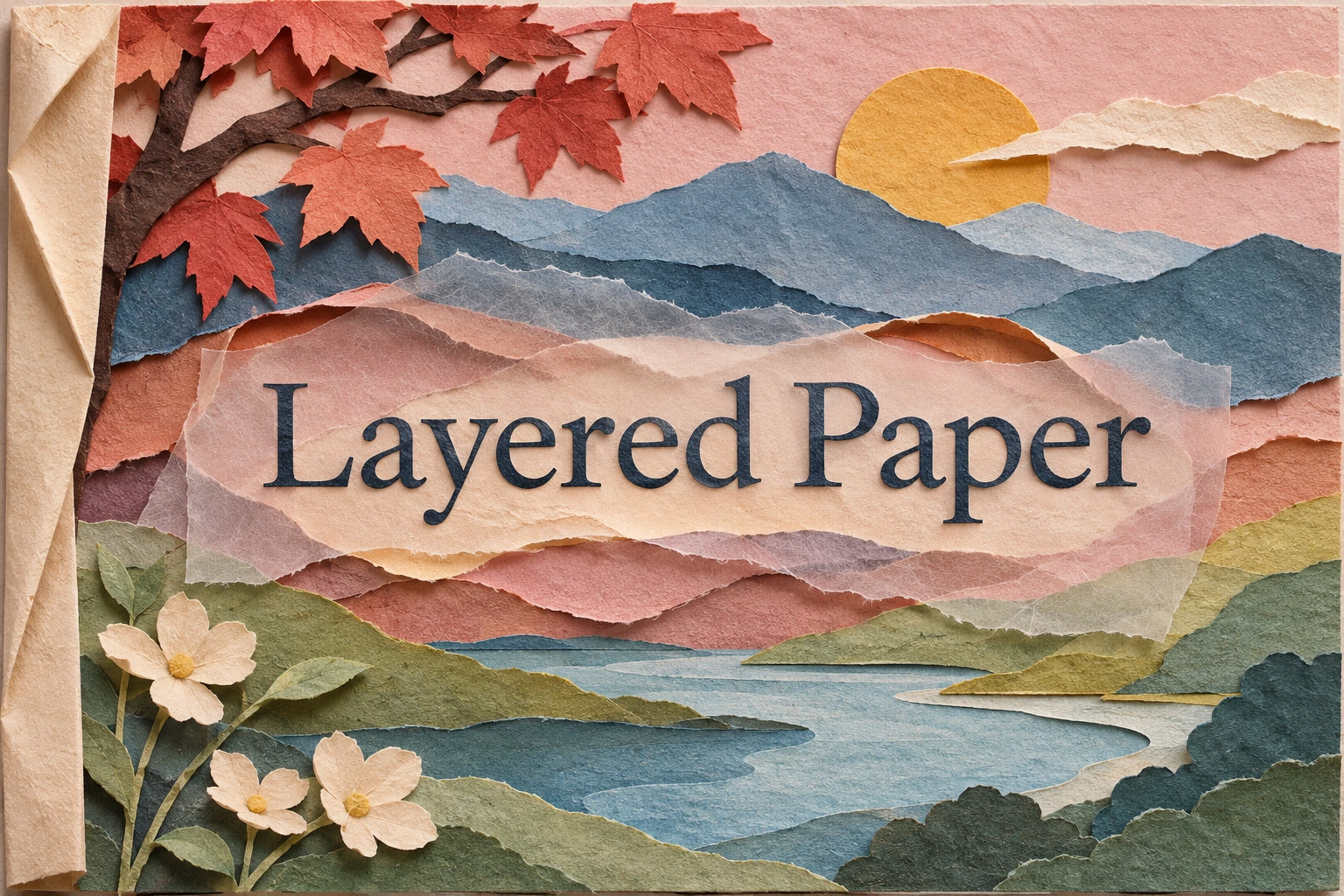
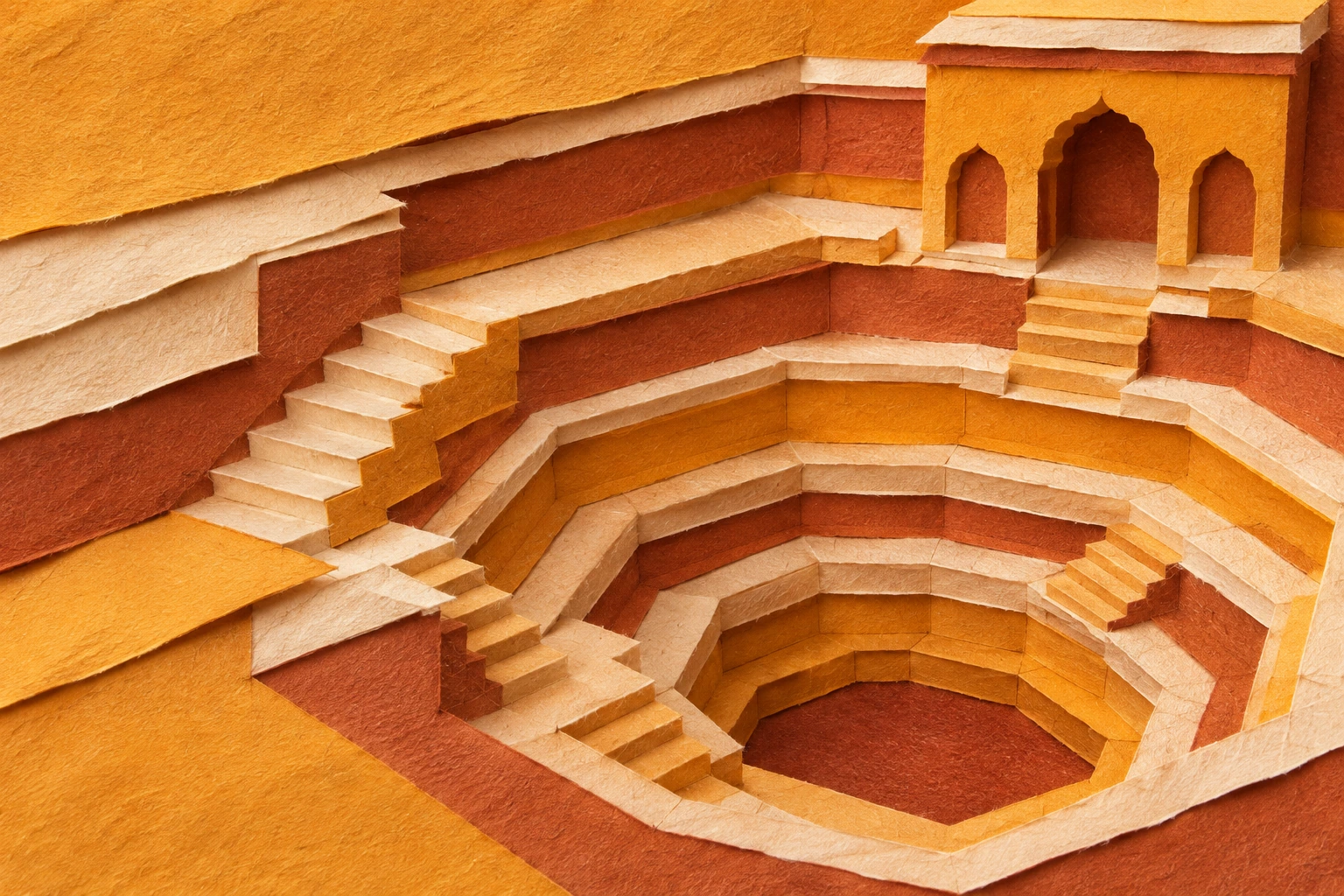
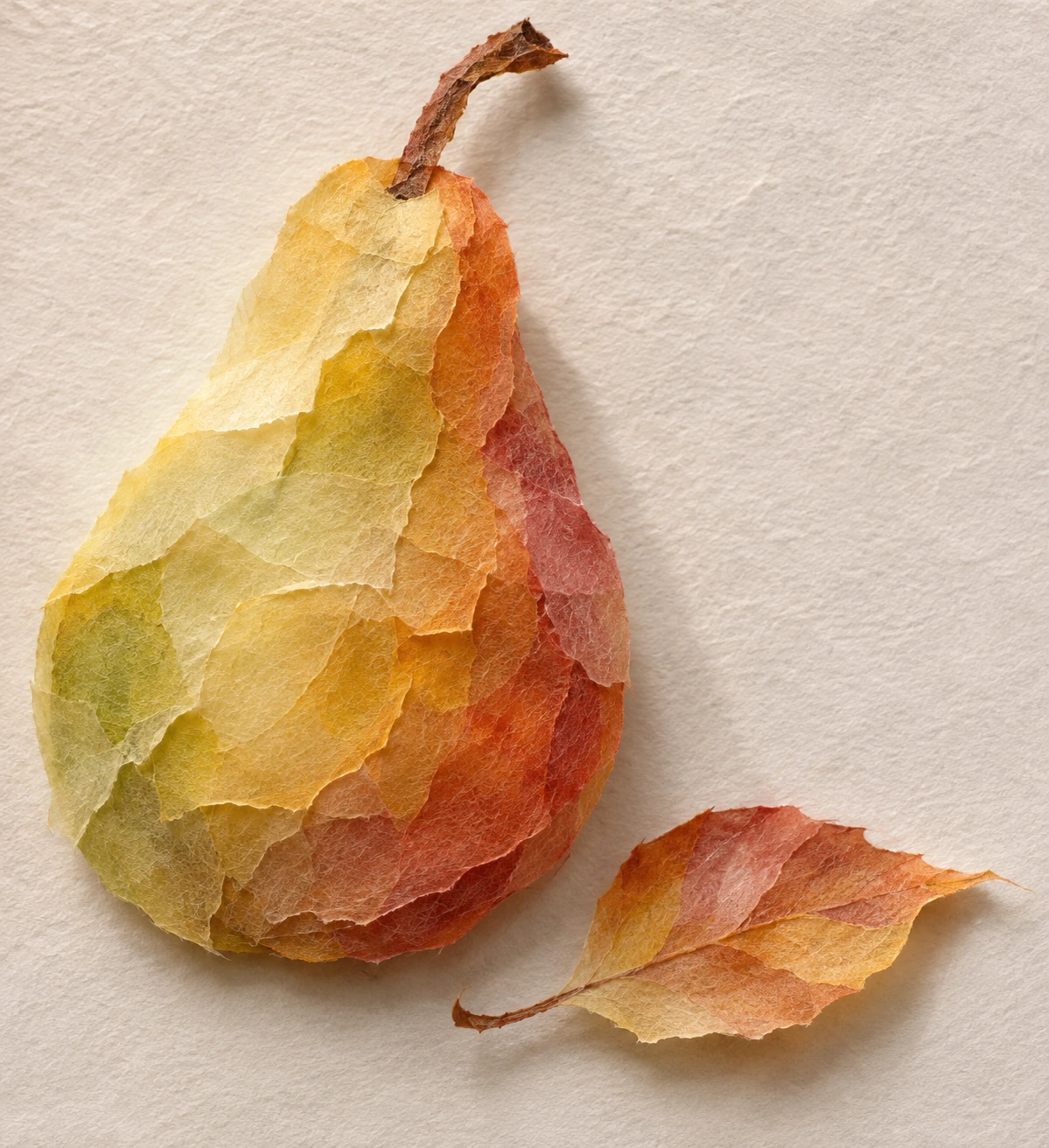
The banner, collage and five studies are AOI interpretations. The linked sources document the works and practices discussed in the article.
Select an image for a closer look. Use the thumbnails, arrow keys or a swipe to compare examples. Zoom in to inspect details, or share the image that inspires you.
Creative toolbox · take this style further
Choose an input and a destination. Search sends your words to the chosen site; Copy & open puts them on your clipboard to paste there.
Create with AI
Turn your chosen input into an image prompt or a new creative direction.
ChatGPT
Copy your input and paste it into a ChatGPT conversation or image request.
Copy & open ChatGPT (new tab)Claude · Anthropic
Develop an image prompt or explore the style in a new Claude conversation.
Copy & open Claude · Anthropic (new tab)Midjourney
Paste your input into the Imagine bar on the Create page.
Copy & open Midjourney (new tab)Adobe Firefly
Copy your input, open Firefly, and paste it into the prompt field.
Copy & open Adobe Firefly (new tab)Leonardo.Ai
Copy your input, open Leonardo, and paste it into the generation field.
Copy & open Leonardo.Ai (new tab)Image search
Find visual references. Short, concrete keywords usually work best.
Lexica
Search AI images and prompts using your selected input.
Search with this input Lexica (new tab)Pexels
Search the photo and video library. Short keywords often work best.
Search with this input Pexels (new tab)Pixabay
Search photos, illustrations and other images.
Search with this input Pixabay (new tab)Unsplash
Search photographs using the style name or your own keywords.
Search with this input Unsplash (new tab)Wikimedia Commons
Search photographs, artworks and historical images. Check each file for its source and reuse terms.
Search with this input Wikimedia Commons (new tab)Art & research
Explore artists, collections and the ideas behind a style.
Wikipedia
Search for background reading. A style may not have its own article.
Search with this input Wikipedia (new tab)WikiArt
Copy your input into WikiArt’s search to explore artists and artworks.
Copy & open WikiArt (new tab)Europeana
Paste your keywords into the search to explore European museum, library and archive collections.
Copy & open Europeana (new tab)Inspiration
Discover portfolios and visual ideas from creative communities.
Instagram hashtags
Search a hashtag made from your input: spaces and punctuation are removed. Instagram may require sign-in.
Search with this input Instagram hashtags (new tab)ArtStation
Paste your input into artwork search for concept art, environments, characters and visual development.
Copy & open ArtStation (new tab)Behance
Paste your input into project search for illustration, design and visual storytelling.
Copy & open Behance (new tab)A closer look
Read the visible edges in order. A sharp cut, torn fibre, translucent veil and cast shadow can all mark the same boundary differently. Follow one edge until it passes behind another sheet.
What the stack contributes
Consider three sheets the same shade of white. Leave one flat, lift a second by a narrow spacer and cut a doorway into the third. The surfaces share a colour. A side light distinguishes them by the width and direction of their shadows. Turn the construction around and the same aperture may appear shallower. A photographed relief therefore has two makers’ decisions built into it: how the object is assembled and where the light meets it.
Cutting inward and building outward
With nested apertures, each lower sheet can show as a narrow rim inside the one above. Slight offsets turn even a small stack into an apparent depth greater than its thickness. An additive construction works from the backing outward. A torn leaf, its stem and the paper it overlaps can all remain at nearly the same depth while fibres soften the transition. Translucent stock offers a third decision. A colour beneath can show through a sheet as well as beside it.
Two studio windows
Maud Vantours’s studio portfolio includes paper flowers, graphic compositions and set design. Choose one object photographed from an angle and follow the edges toward the background. How far can the shape be simplified before the overlap disappears? Charles Clary’s artist statement places hand-cut paper in the context of constructed worlds and personal experience. Read his account alongside the objects. The hours of repeated cutting can carry an idea quite different from a display designer’s brief.
Relief, sculpture and the miniature stage
AOI’s 3D Papercut entry follows a sheet into folded and assembled space. Papercut Diorama follows a scene back through a miniature stage. This guide asks how successive sheets make a single surface read differently. A flat pile of translucent scraps fits that question even when it depicts no scene. For a trial, hold five scraps together by one corner, photograph them under a desk lamp, then turn the stack through a quarter turn. Keep the view that makes the important edge easiest to see.
Fine paper bridges can disappear in a small web image. Compare a reduced thumbnail with a close crop. If every narrow opening closes to black, broaden selected intervals or soften the light before adding another layer. A single surviving rim can suggest more depth than a dozen invisible ones.
Positive review · AI-authored editorial assessment
One lifted edge can hold a composition together twice, once as a cut and again as a shadow. The effect pays particular dividends in a near-monochrome relief.
Negative review · AI-authored editorial assessment
Even spacing around every contour turns depth into striping. A deliberate interruption or an abrupt change of thickness can give the eye a reason to cross the layers.
Neutral review · AI-authored editorial assessment
Layering works for physical display, illustration and photographic sets. A frontal reproduction preserves the silhouette, while an oblique view conveys the construction and its thickness.
A small poetic detour
Original words from the AOI studio.
Poetry
Under the white sheet, another white.
A lamp moves half a handspan.
There is the shoreline again,
this time drawn by air.
The prompt workshop
Original creative exercises. These prompts create new illustrations, not documentary evidence.
Starting point
Photograph a shallow inlet constructed from five matte paper sheets. Cut one offset notch in the shoreline to reveal a warm underlayer and light the edges from the left.
Richer composition
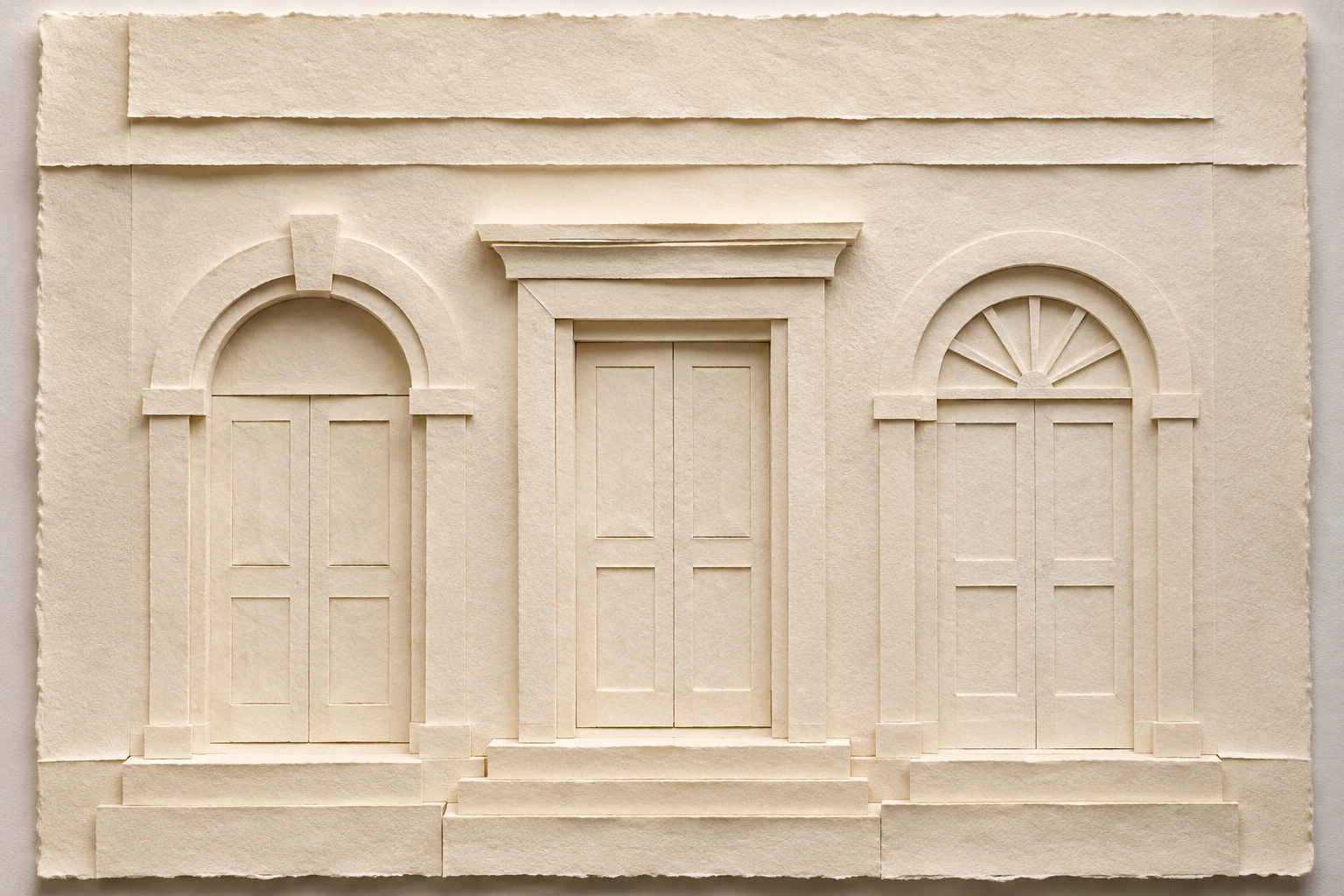
Compose three white doorways as an architectural paper relief. Change only the spacers and the opening sizes. Make the shadow of the smallest doorway fall onto the next sheet.
Experiment
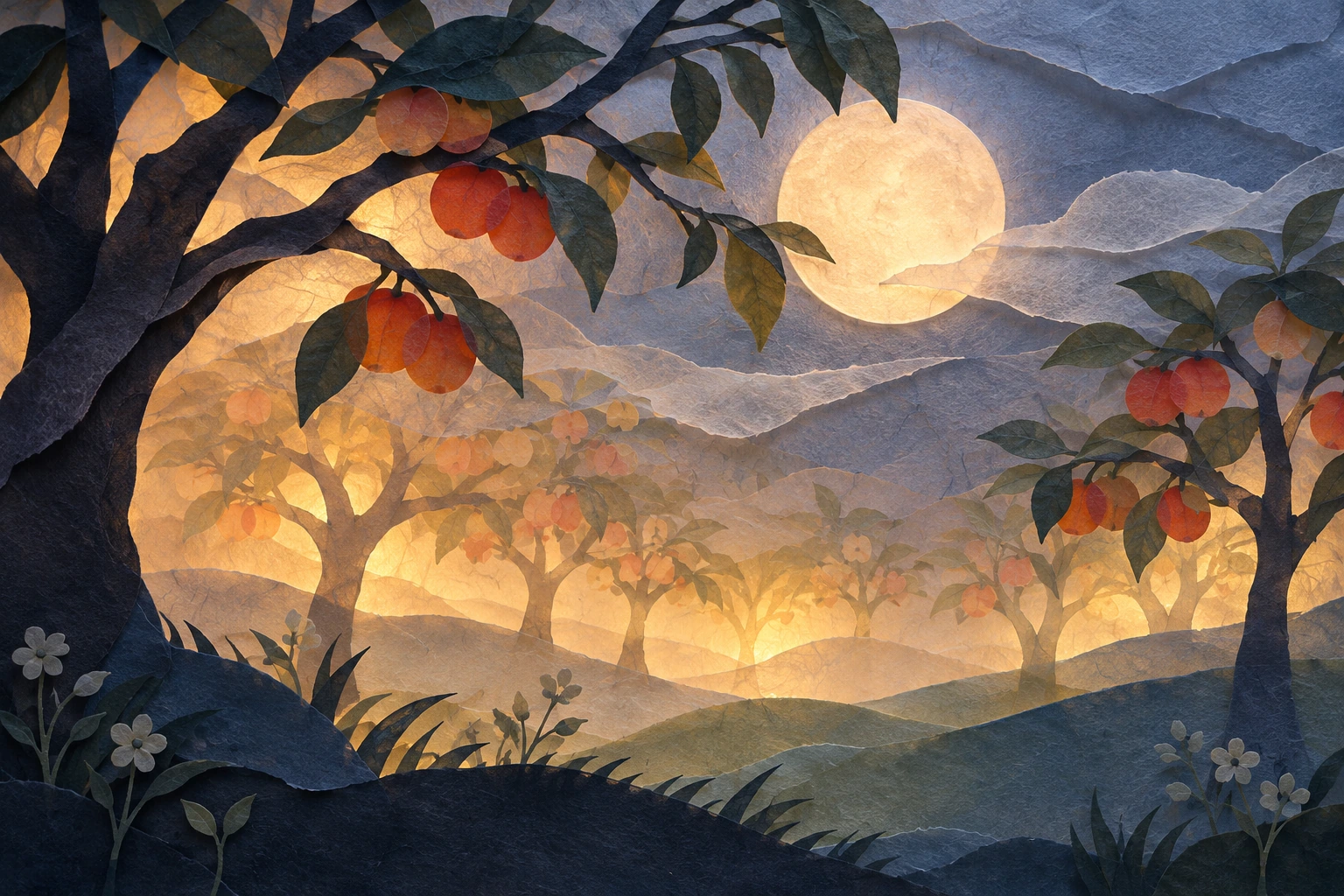
Build an orchard from torn translucent vellum. Illuminate it from behind so overlaps make new tones, and preserve a few loose fibres at the edge of a single leaf.
People & works to explore
References discussed in this article. Consult the sources below for context.
Artists and practitioners
Maud Vantours
Charles Clary
A smile from the studio
Jokes
The most productive material in the sample was the gap. It also came in well under budget.