
AI imagery and perceptual experiment
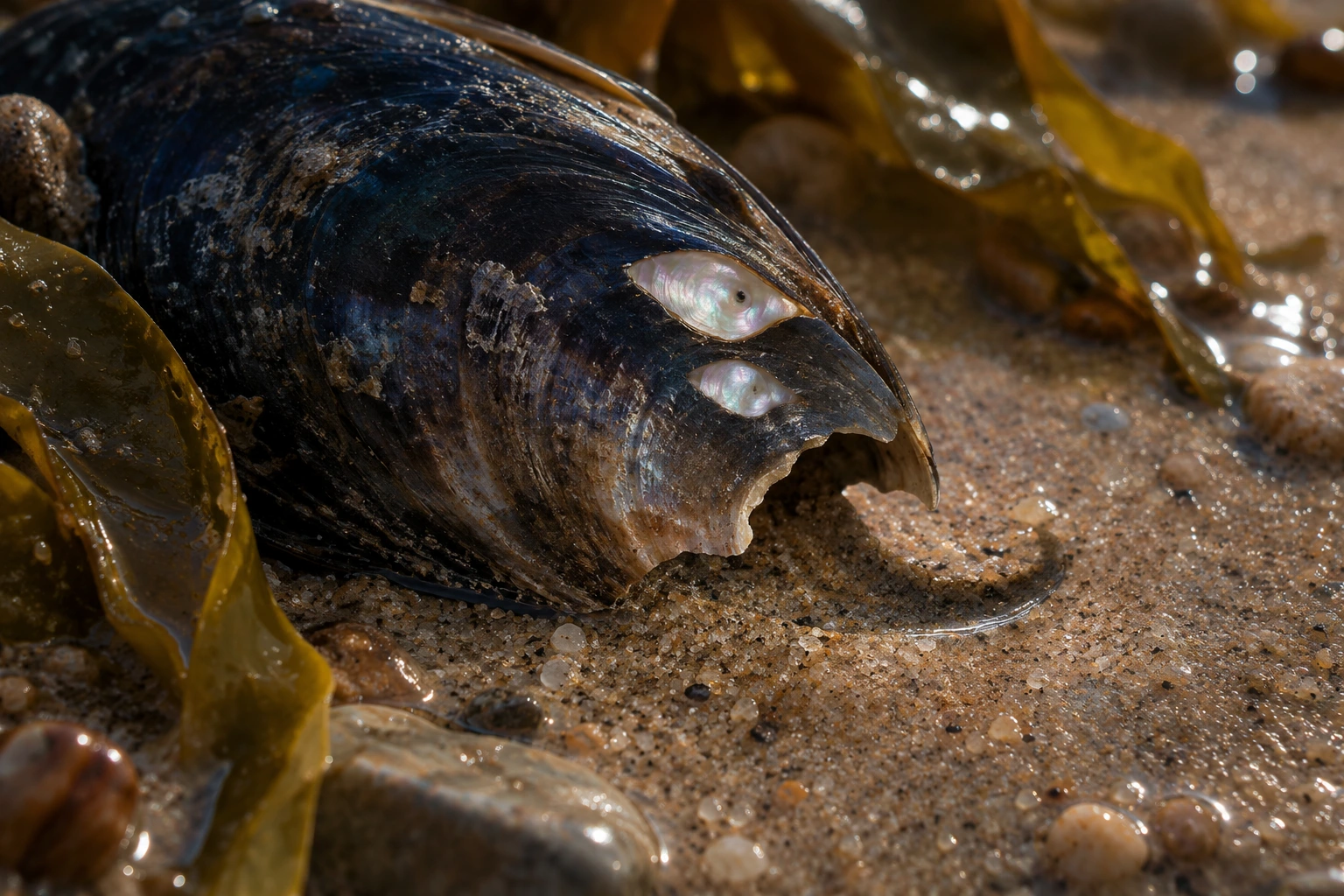
Two gleams on a mussel shell can acquire an owner in the time it takes to blink. This study follows that little act of invention across linen, plaster, rope and frost. Its creatures depend on the viewer doing some of the drawing.
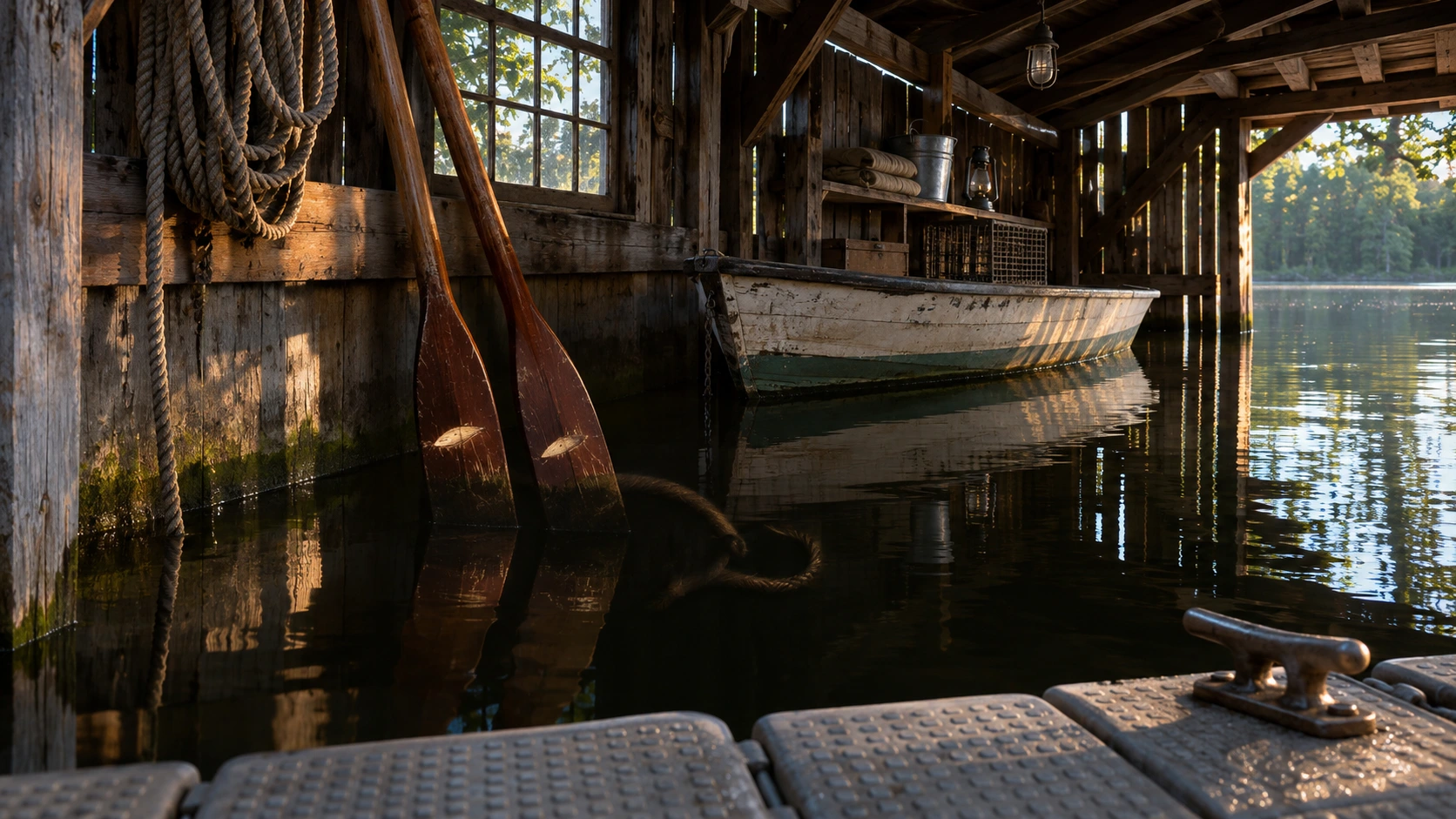
A visual introduction
The seven AOI interpretations were constructed as visual puzzles. Look at the object, look away, then see whether the same creature comes back.
Select an image for a closer look. Use the thumbnails, arrow keys or a swipe to compare examples. Zoom in to inspect details, or share the image that inspires you.
Creative toolbox · take this style further
Choose an input and a destination. Search sends your words to the chosen site; Copy & open puts them on your clipboard to paste there.
Create with AI
Turn your chosen input into an image prompt or a new creative direction.
ChatGPT
Copy your input and paste it into a ChatGPT conversation or image request.
Copy & open ChatGPT (new tab)Claude · Anthropic
Develop an image prompt or explore the style in a new Claude conversation.
Copy & open Claude · Anthropic (new tab)Midjourney
Paste your input into the Imagine bar on the Create page.
Copy & open Midjourney (new tab)Adobe Firefly
Copy your input, open Firefly, and paste it into the prompt field.
Copy & open Adobe Firefly (new tab)Leonardo.Ai
Copy your input, open Leonardo, and paste it into the generation field.
Copy & open Leonardo.Ai (new tab)Image search
Find visual references. Short, concrete keywords usually work best.
Lexica
Search AI images and prompts using your selected input.
Search with this input Lexica (new tab)Pexels
Search the photo and video library. Short keywords often work best.
Search with this input Pexels (new tab)Pixabay
Search photos, illustrations and other images.
Search with this input Pixabay (new tab)Unsplash
Search photographs using the style name or your own keywords.
Search with this input Unsplash (new tab)Wikimedia Commons
Search photographs, artworks and historical images. Check each file for its source and reuse terms.
Search with this input Wikimedia Commons (new tab)Art & research
Explore artists, collections and the ideas behind a style.
Wikipedia
Search for background reading. A style may not have its own article.
Search with this input Wikipedia (new tab)WikiArt
Copy your input into WikiArt’s search to explore artists and artworks.
Copy & open WikiArt (new tab)Europeana
Paste your keywords into the search to explore European museum, library and archive collections.
Copy & open Europeana (new tab)Inspiration
Discover portfolios and visual ideas from creative communities.
Instagram hashtags
Search a hashtag made from your input: spaces and punctuation are removed. Instagram may require sign-in.
Search with this input Instagram hashtags (new tab)ArtStation
Paste your input into artwork search for concept art, environments, characters and visual development.
Copy & open ArtStation (new tab)Behance
Paste your input into project search for illustration, design and visual storytelling.
Copy & open Behance (new tab)A closer look
Two separated light marks and one hooked shadow recur in unrelated materials. The first reading should make physical sense. The second suggests a presence. A change in viewpoint can send it back into the woodwork.
The word latent has two jobs here
In a generative model, a latent representation is a learned encoding used in image synthesis. Rombach and colleagues describe a particular latent diffusion architecture. Their paper gives the word a technical meaning. The sensation of a bird hiding in a wall has another explanation. Wardle and colleagues studied how people perceive illusory faces in ordinary objects. That research addresses human perception, a different part of this encounter.
Supercomposite, the artist Steph Maj Swanson, documented a recognizable recurring figure named Loab in a particular sequence of AI experiments. The creator’s account is evidence for that sequence. It supplies a historical comparison for this field guide, whose quiet apparitions were deliberately art-directed. They are new AOI images with their prompts recorded.
Invent a creature that can survive an explanation
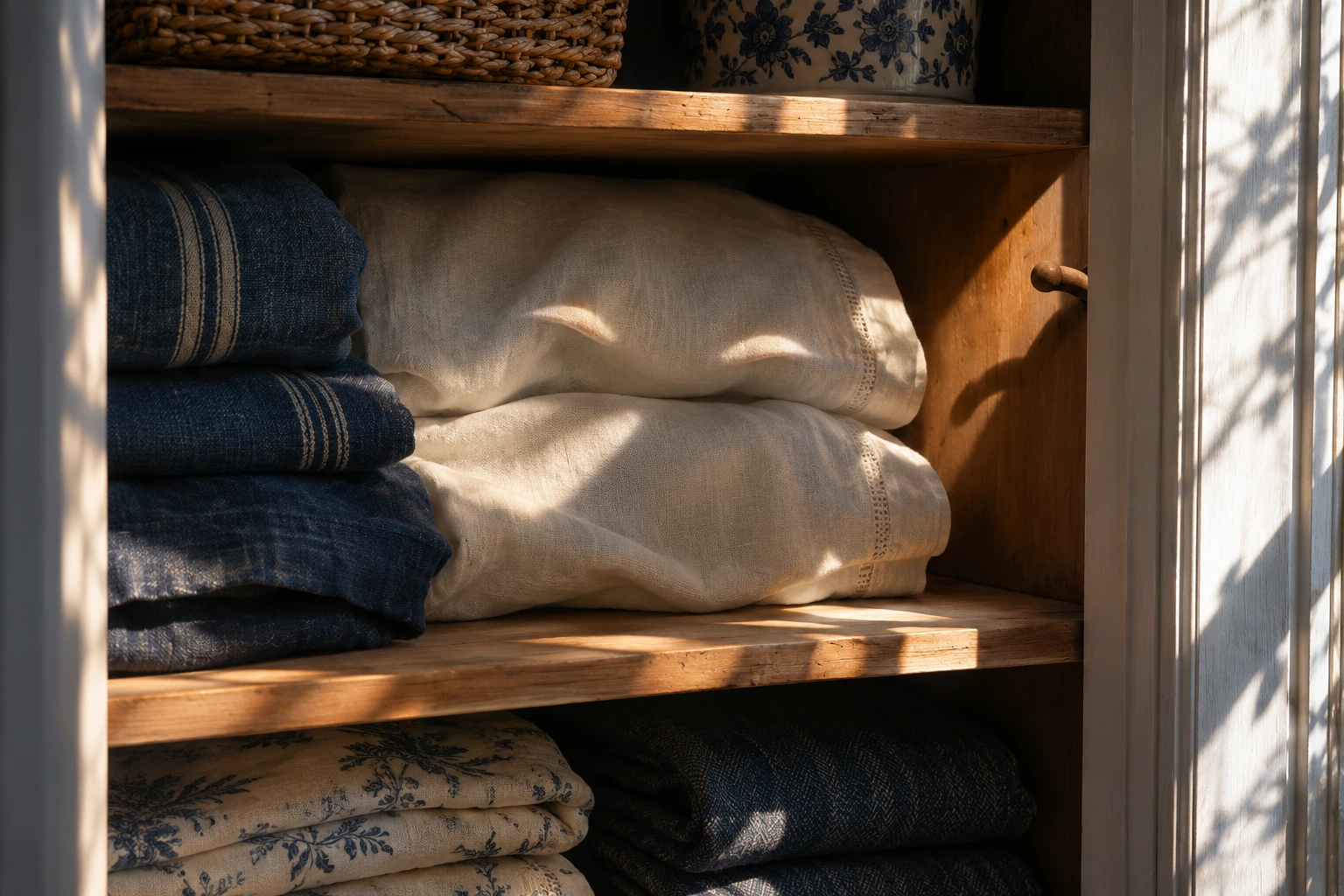
Choose three features that can be described without naming an animal. Our score uses two offset pale marks and a dark turn below them. Give each an independent physical cause. In the shell, nacre supplies the glints. On the cupboard shelf, folds catch the light. When those objects remain persuasive after the creature has vanished, the picture earns a second look.
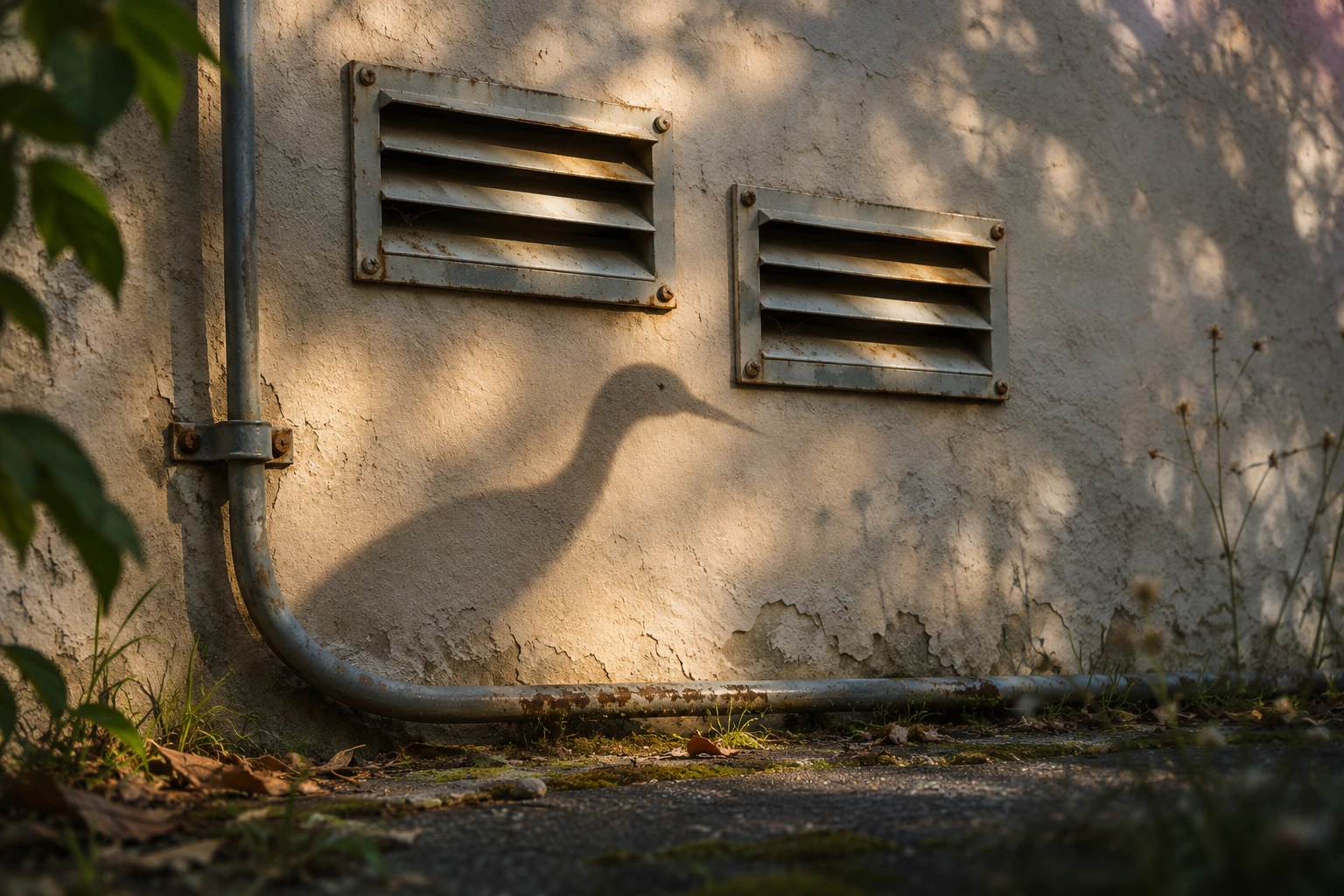
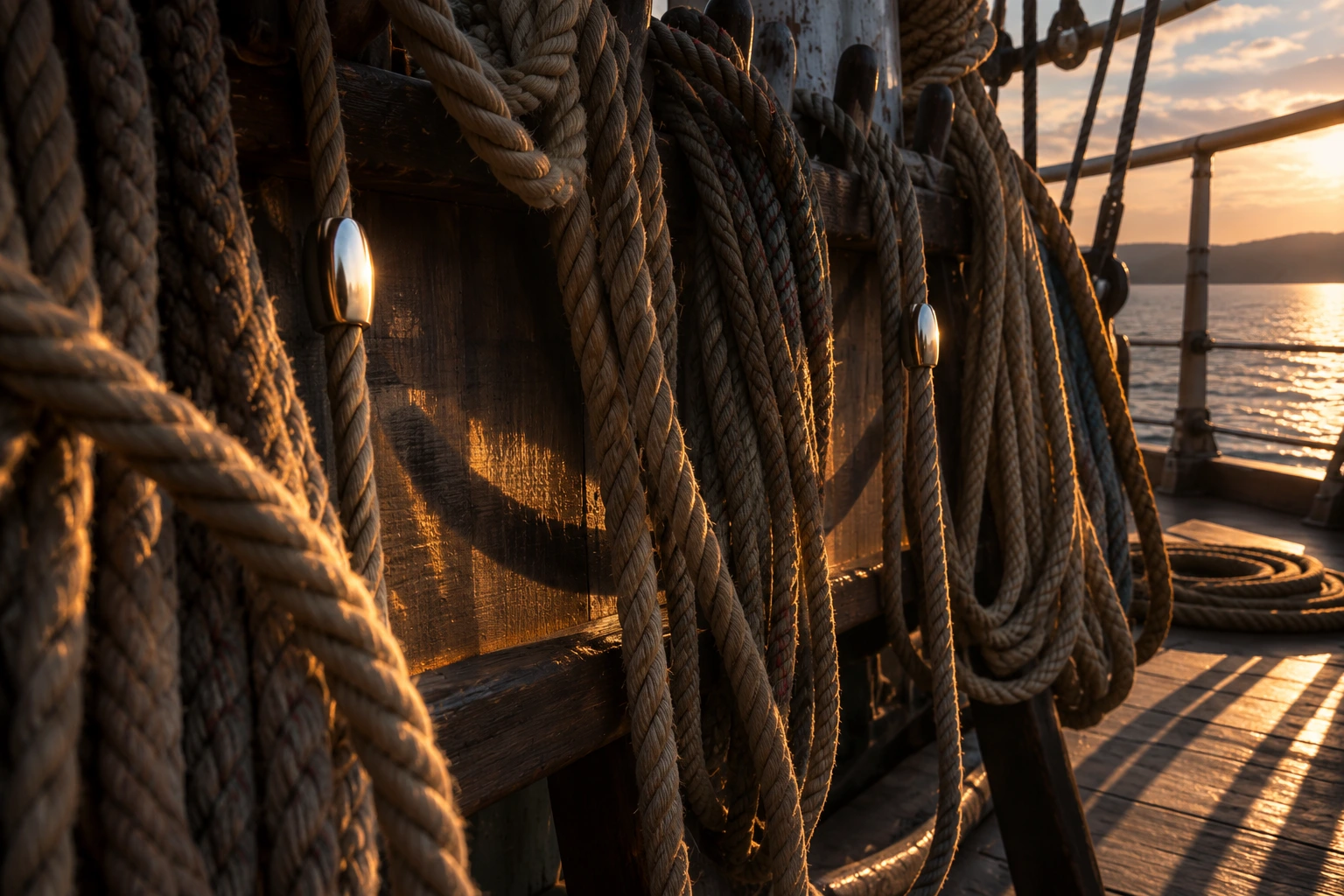
Try the inverse test on the air vents. A crisp bird-shaped shadow can be wonderfully readable, and a little too easy. Cover its head with a fingertip. If the wall becomes dull, the apparition has been doing all the work. The less conclusive rope study asks whether a deck, a sunset and good rigging can stand up on their own.
Keep the failures in the field notebook
Show an observer the image without a title and ask what they noticed first. Then name the suggested animal and ask which marks changed meaning. A confident answer after naming and a hesitant answer before it record two different encounters. A row of selected successes says little about how often a motif would recur in fresh generations.
A practical experiment needs the prompt, service, input images, selection method and the unexciting alternatives. Recurrence in this gallery was requested in the briefs. The work tests visual transfer across materials. Estimating how often a model might produce the motif spontaneously would require a different experiment.
Three readings from Penny’s desk
Positive review. The shell yields two readings and survives both. The viewer gets the pleasure of spotting something and the further pleasure of finding out how they did it.
Negative review. A stark animal-shaped shadow can settle the question too quickly. Introduce a plausible interruption or choose an angle where the third mark almost misses.
Neutral review. This is a visual-perception exercise with an AI-art history. Repeating three specified features demonstrates art direction. A fresh, unprompted and systematically recorded sample would address spontaneous recurrence.
A small poetic detour
Original words from the AOI studio.
Poetry
A shell acquires a pair of eyes.
A pillow takes the evening watch.
I move a pace along the wall.
The bird goes back to being plaster.
The prompt workshop
Original creative exercises. These prompts create new illustrations, not documentary evidence.
Build the first sighting
Place a chipped dark mussel on wet sand. Put two pale glints close together and a bent sand line beneath them. Render believable shell layers first. Let the animal reading arrive on a second look.
Move it to dry land
Rebuild the same three marks using folds of off-white linen and one peg shadow. Leave enough of the shelf visible for the viewer to reconstruct the lighting.
Keep the less persuasive result
Use separate brass fittings on a rope rack for the glints. Move the hooked shadow outside the cluster and keep the composition strong. Compare what a viewer reports before and after hearing the title.
A smile from the studio
Jokes
The society’s finest cryptid resigned after somebody folded the towels.