
Critical artistic practice
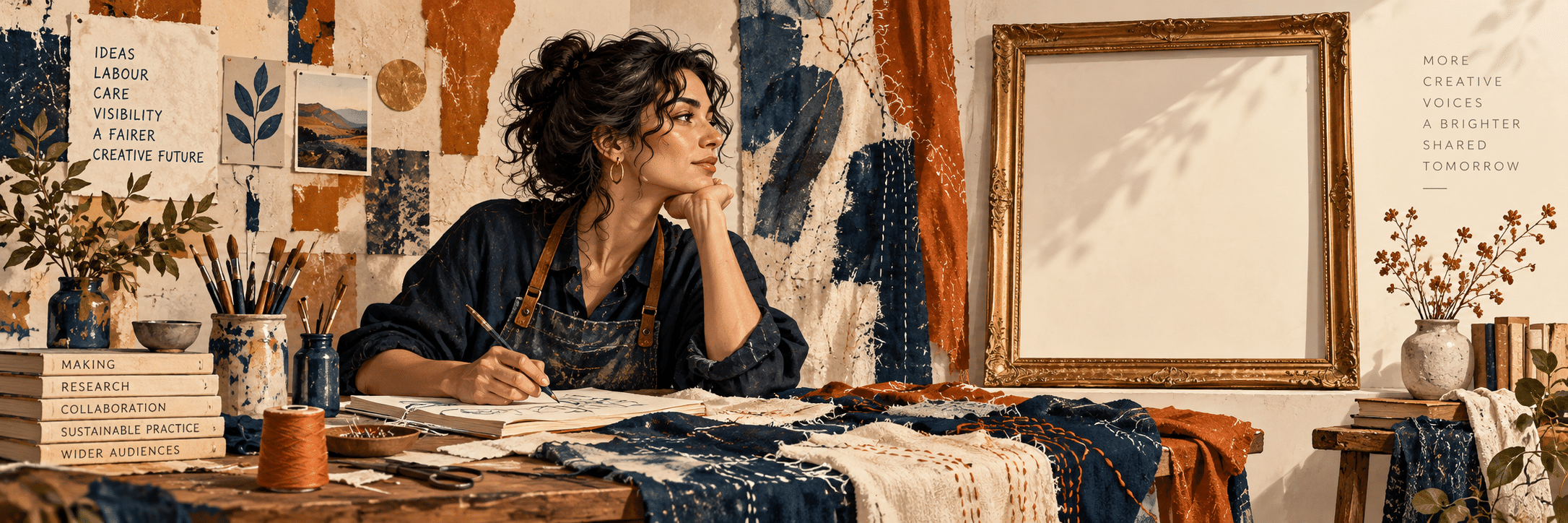
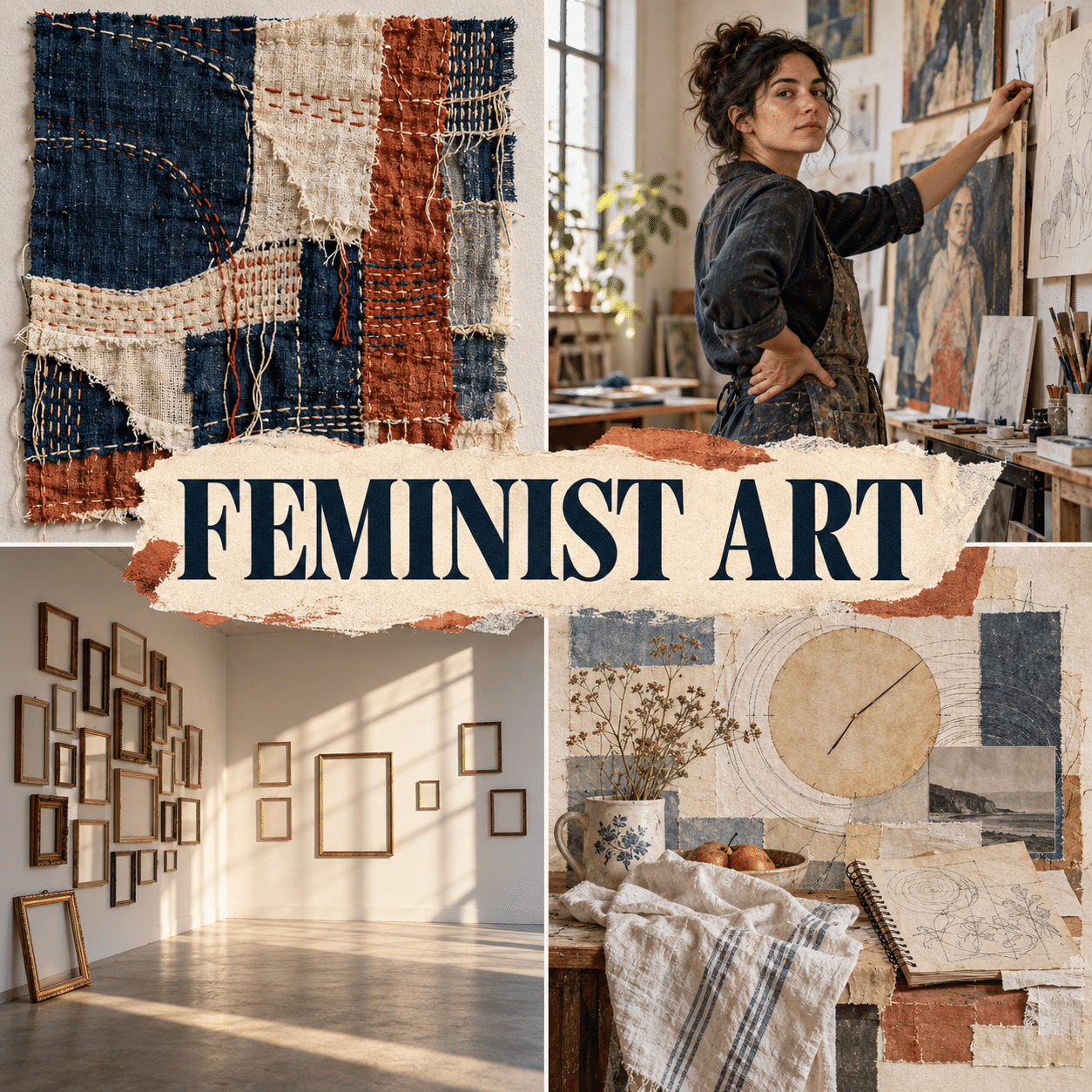
Feminist art questions how gender shapes visibility, labour, authority and opportunity. Explore its many media, its historical arguments and ways to build an image around a specific question rather than a decorative slogan.
A visual introduction
Select an image for a closer look. Use the thumbnails, arrow keys or a swipe to compare examples. Zoom in to inspect details, or share the image that inspires you.



Creative toolbox · take this style further
Choose an input and a destination. Search sends your words to the chosen site; Copy & open puts them on your clipboard to paste there.
Create with AI
Turn your chosen input into an image prompt or a new creative direction.
ChatGPT
Copy your input and paste it into a ChatGPT conversation or image request.
Copy & open ChatGPT (new tab)Claude · Anthropic
Develop an image prompt or explore the style in a new Claude conversation.
Copy & open Claude · Anthropic (new tab)Midjourney
Paste your input into the Imagine bar on the Create page.
Copy & open Midjourney (new tab)Adobe Firefly
Copy your input, open Firefly, and paste it into the prompt field.
Copy & open Adobe Firefly (new tab)Leonardo.Ai
Copy your input, open Leonardo, and paste it into the generation field.
Copy & open Leonardo.Ai (new tab)Image search
Find visual references. Short, concrete keywords usually work best.
Lexica
Search AI images and prompts using your selected input.
Search with this input Lexica (new tab)Pexels
Search the photo and video library. Short keywords often work best.
Search with this input Pexels (new tab)Pixabay
Search photos, illustrations and other images.
Search with this input Pixabay (new tab)Unsplash
Search photographs using the style name or your own keywords.
Search with this input Unsplash (new tab)Wikimedia Commons
Search photographs, artworks and historical images. Check each file for its source and reuse terms.
Search with this input Wikimedia Commons (new tab)Art & research
Explore artists, collections and the ideas behind a style.
Wikipedia
Search for background reading. A style may not have its own article.
Search with this input Wikipedia (new tab)WikiArt
Copy your input into WikiArt’s search to explore artists and artworks.
Copy & open WikiArt (new tab)Europeana
Paste your keywords into the search to explore European museum, library and archive collections.
Copy & open Europeana (new tab)Inspiration
Discover portfolios and visual ideas from creative communities.
Instagram hashtags
Search a hashtag made from your input: spaces and punctuation are removed. Instagram may require sign-in.
Search with this input Instagram hashtags (new tab)ArtStation
Paste your input into artwork search for concept art, environments, characters and visual development.
Copy & open ArtStation (new tab)Behance
Paste your input into project search for illustration, design and visual storytelling.
Copy & open Behance (new tab)A closer look
No single mandatory look: text and image, staged photography, painting, performance, textiles and installation can examine gendered power. Composition, material, authorship and display become parts of the argument.
An approach to power, not a compulsory appearance
Feminist art investigates and challenges gendered inequalities in art and society. It is not a visual filter, and an artwork is not automatically feminist because a woman made it or appears in it. The relevant questions concern what the work does: whose experience it makes visible, which assumptions it exposes and how it positions its audience.
MoMA identifies the 1960s and 1970s as a major period of development while acknowledging earlier challenges to male dominance. The practice continues to evolve, including intersecting concerns about race, class, privilege and gender identity. This history contains disagreement and changing priorities, not one universally shared programme or a single experience of womanhood.
Institutions are part of the picture
The National Gallery of Art discusses Linda Nochlin’s 1971 essay as a challenge to explanations that treated artistic greatness as an isolated personal gift. Access to education, patronage and exhibition opportunities matters. Looking at an artwork can therefore lead outward to questions about who receives training, space, payment and historical recognition.
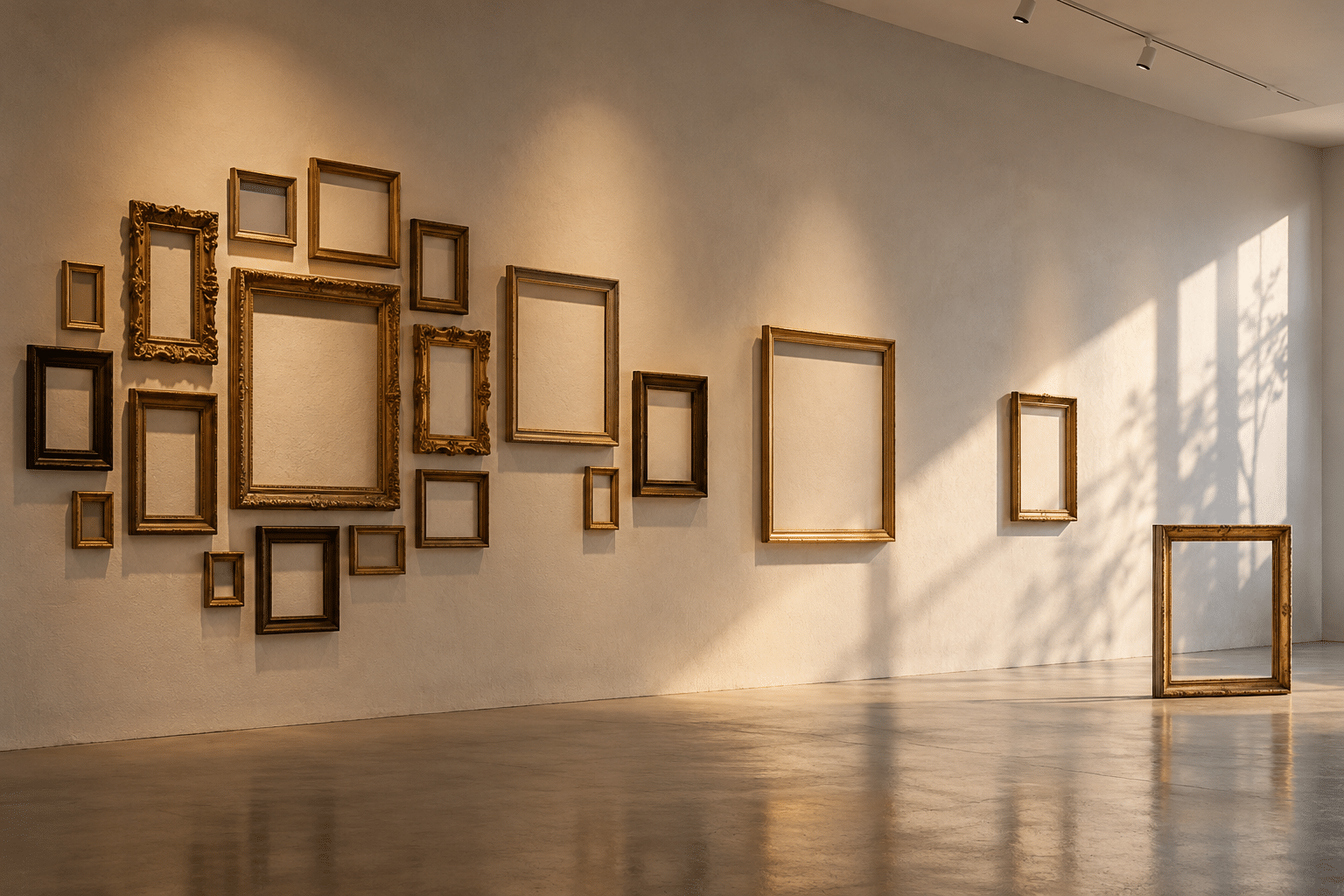
For a contemporary study, the museum wall itself can become a subject. Empty frames, uneven allocations of space or a rearranged display may suggest exclusion and revision. Such a composition should make a specific proposition. Avoid invented statistics or fabricated quotations: visual confidence does not turn an unsupported assertion into evidence.
Materials carry histories of value
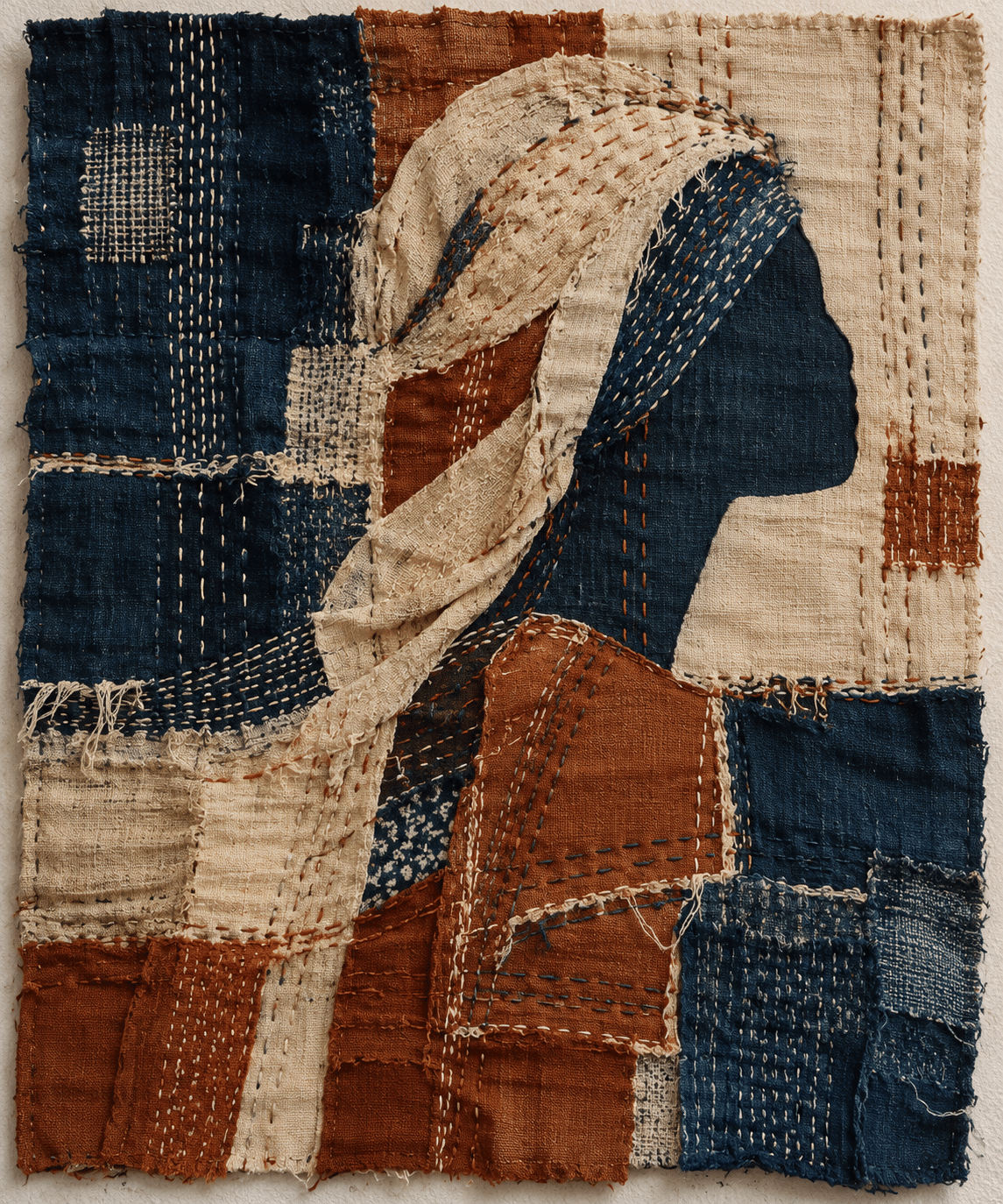
Textiles, domestic objects and repetitive manual processes can question the hierarchy between prestigious fine art and work historically dismissed as craft or household duty. MoMA includes these practices alongside painting and performance. Their significance comes from context and artistic decisions, not from an inherent feminine essence in a material.
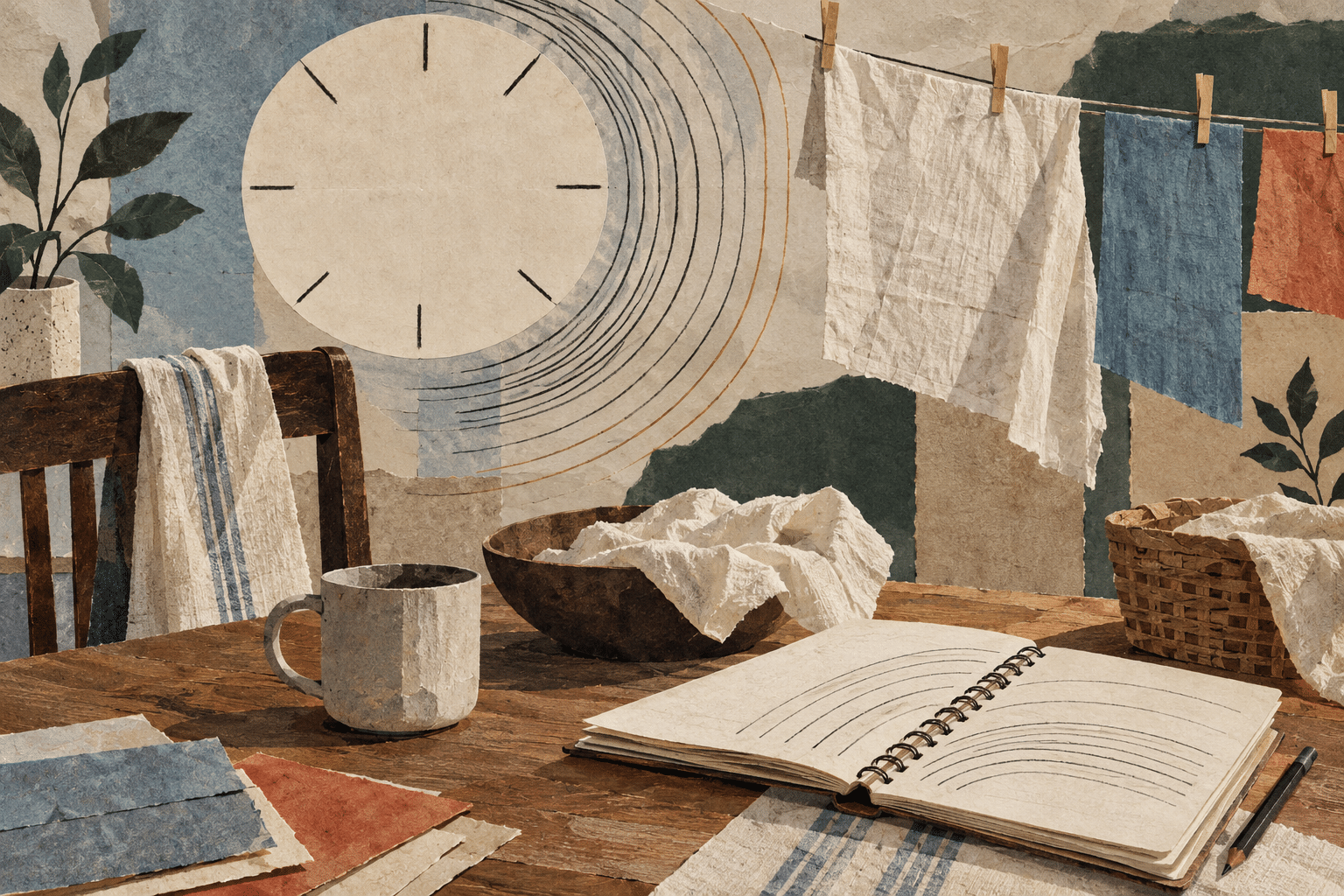
A stitched surface might make time and labour visible through dense repairs, interruptions or repeated marks. A table could stage the relationship between paid and unpaid work. Decide what the material contributes to the question. Simply adding embroidery to a portrait does not explain whether the work celebrates skill, critiques expectations or considers both at once.
Representation involves a relationship with the viewer
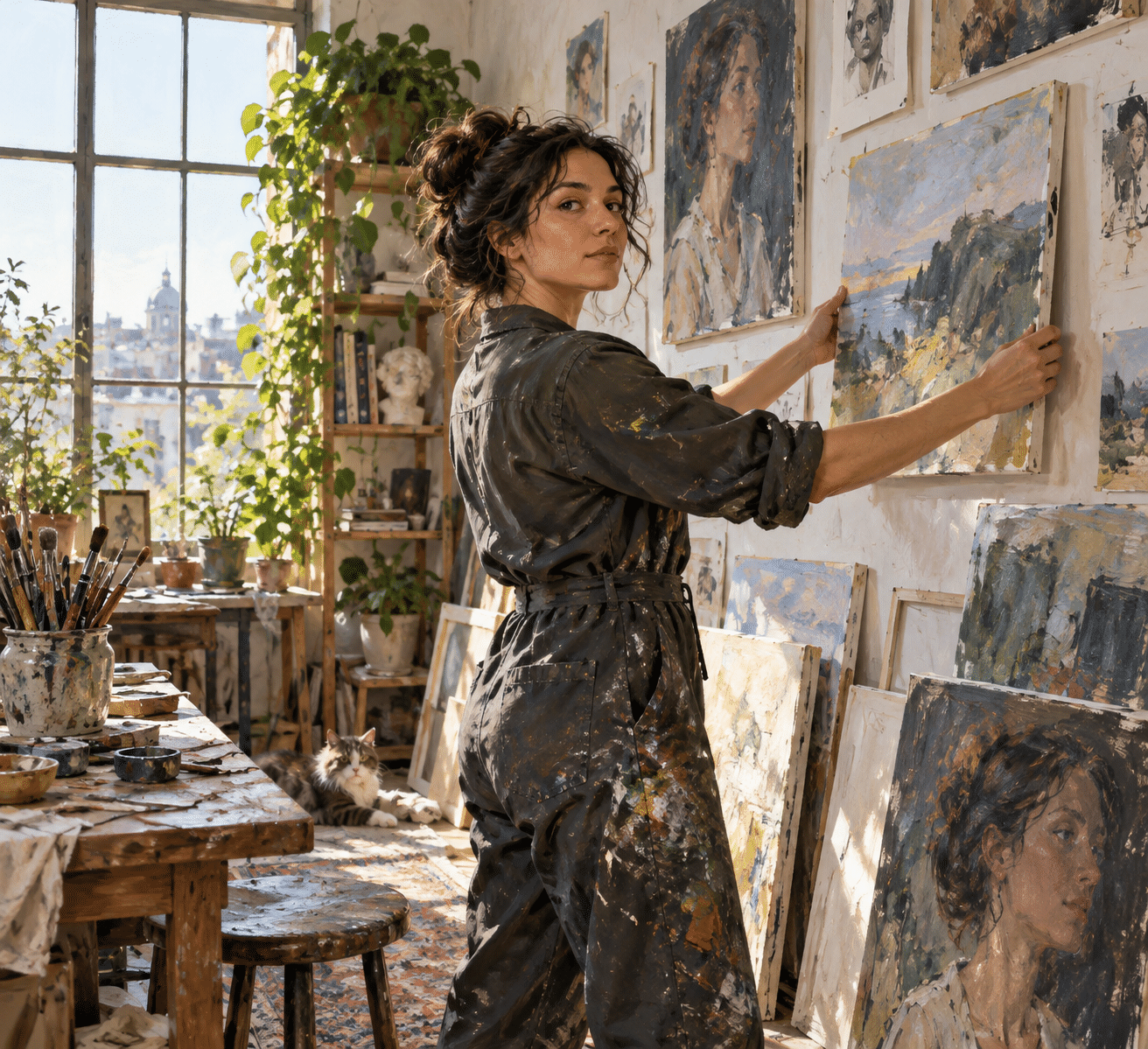
Ask who acts and who is merely displayed. A portrait can give its sitter agency through gaze, posture, setting and control over presentation. A sequence can compare roles without claiming that one image captures a person’s whole identity. Photomontage can expose the friction between public ideals and lived constraints.
These are possible strategies, not rules that certify an image as feminist. An apparently empowering pose may still repeat narrow expectations of beauty or success. A thoughtful composition allows specificity: a person at work, a negotiation over shared space or a visible act of self-definition. Difference should enrich the argument rather than function as a checklist of appearances.
Using AI interpretations responsibly and usefully
The new gallery offers original visual proposals: a textile labour study, a self-directed studio portrait, an imagined institutional display, a domestic-work composition and a shared workspace. They are AI-generated illustrations of questions, not documentation of real activists, exhibitions or community experiences. Their captions identify that distinction.
Begin a prompt with the issue and the medium. Specify the relationship between subject and viewer, then choose the visual evidence that makes the question legible. When representing a real person or community, research and collaboration matter beyond image production. AI imagery can support discussion, but it cannot substitute for someone’s testimony or make an invented event historical.
Positive editorial assessment — AI-authored
Feminist art can change what viewers consider worthy of attention. By connecting representation to work, institutions and everyday life, it expands both subject matter and artistic method. Its strongest images make a specific relationship visible and invite the viewer to examine their own position within it.
Critical editorial assessment — AI-authored
A generic empowerment slogan can flatten difficult histories into attractive branding. Token diversity, decorative protest imagery and unsupported statistics weaken an argument. Improve the work by identifying a precise question, grounding factual claims and checking whether the composition grants its subjects agency rather than using them as symbols.
Neutral editorial assessment — AI-authored
Feminist art is a varied field of critical practice across media and locations. It can be intimate, confrontational, analytical or playful. Interpretation depends on the work’s context and claims; neither the artist’s gender nor a familiar symbol alone establishes its meaning.
A small poetic detour
Original words from the AOI studio.
Poetry
A stitch records the hour it took;
a wall can learn another name.
The sitter chooses how to look,
the hand steps out beyond the frame.
A room once measured for the few
can shift its chairs and let us see
that making space is something we do,
not merely where a wall might be.
The prompt workshop
Original creative exercises. These prompts create new illustrations, not documentary evidence.
Make labour visible
Original contemporary textile artwork exploring overlooked labour through layered cloth, dense hand-stitched repairs and interrupted repeated marks. Restrained indigo rust and cream palette, deliberate rhythm, no invented statistics or slogan. Clearly an AI-generated visual proposal.
Agency in the studio
Original portrait illustration of an adult woman artist calmly choosing how to arrange her own studio display, direct self-possessed gaze, practical clothing, visible unfinished work and coherent daylight. Focus on decision-making and authorship, no copied person or historical claim.
Who receives space?
Original conceptual gallery installation proposal with an intentionally uneven distribution of empty frames gradually reorganized into an open shared arrangement. Clear visual argument about institutional visibility, no fabricated names, statistics or claims about a real museum.
Your next inspiration
Discover another art style
Follow a visual thread to the next subject.
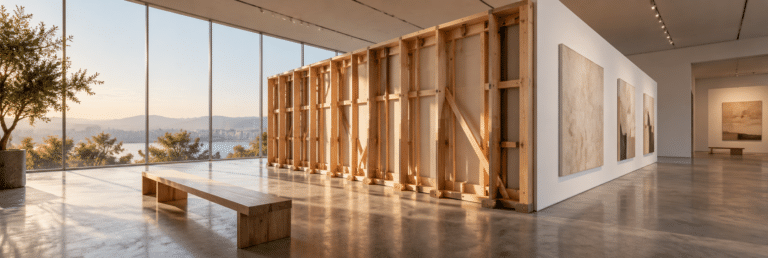
Institutional Critique: Making Art’s Frameworks Visible
Examine questions of access and institutional authority.

Happening: Art as an Event in Everyday Life
Consider performance, participation and artistic action.
A smile from the studio
Jokes
The empty frame asked why it had the largest wall. For once, the exhibition committee had to answer the artwork.