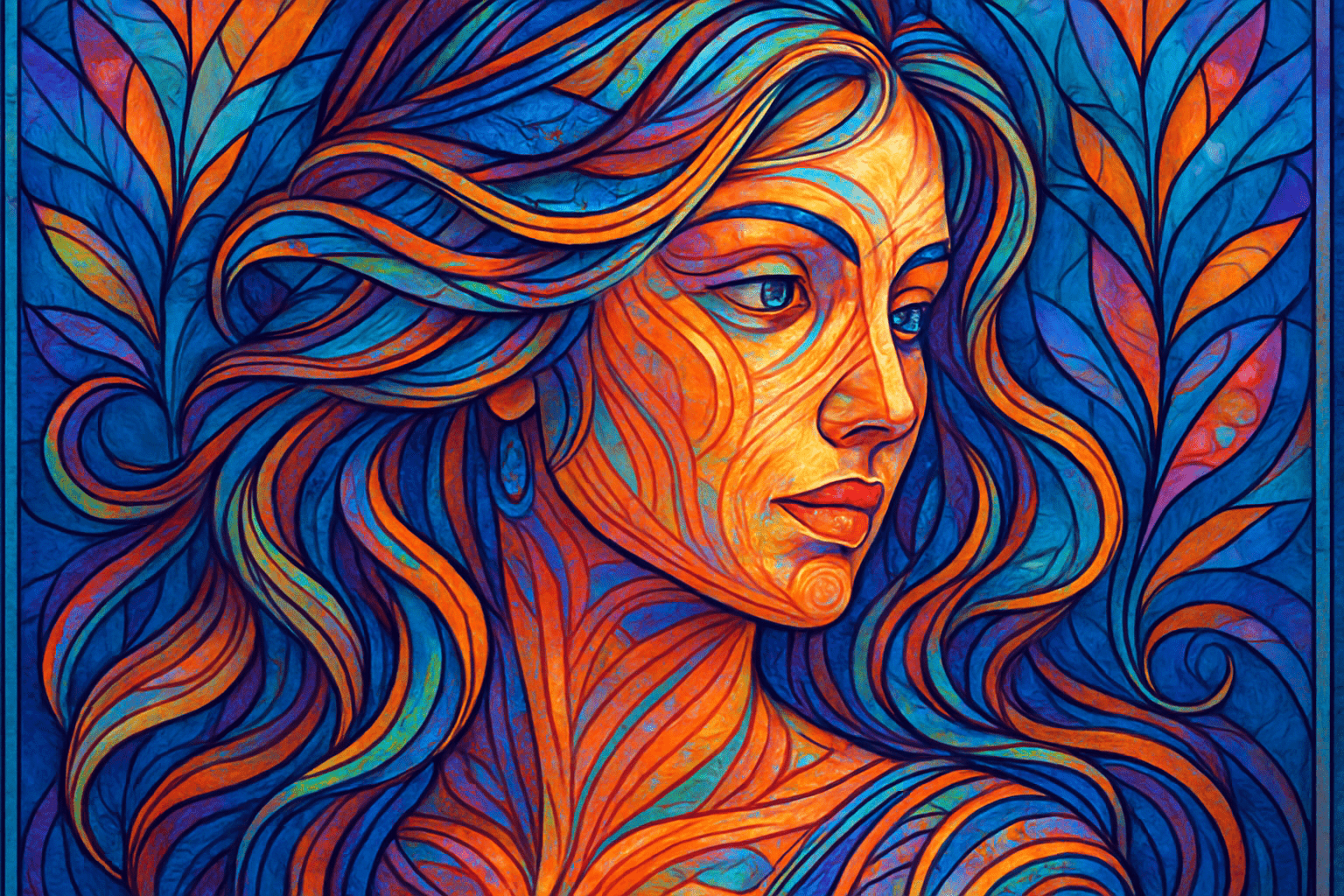
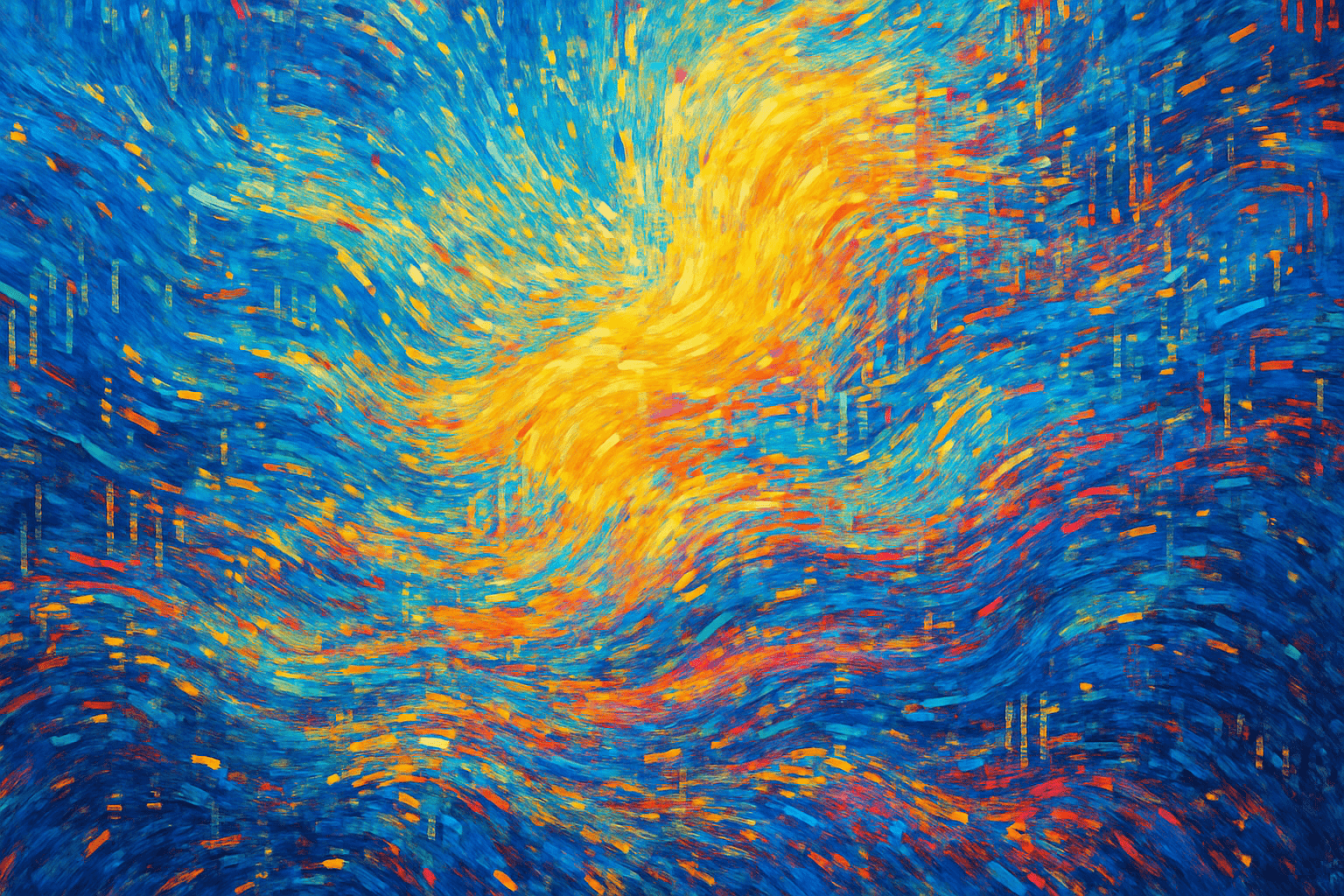
AOI experimental visual concept
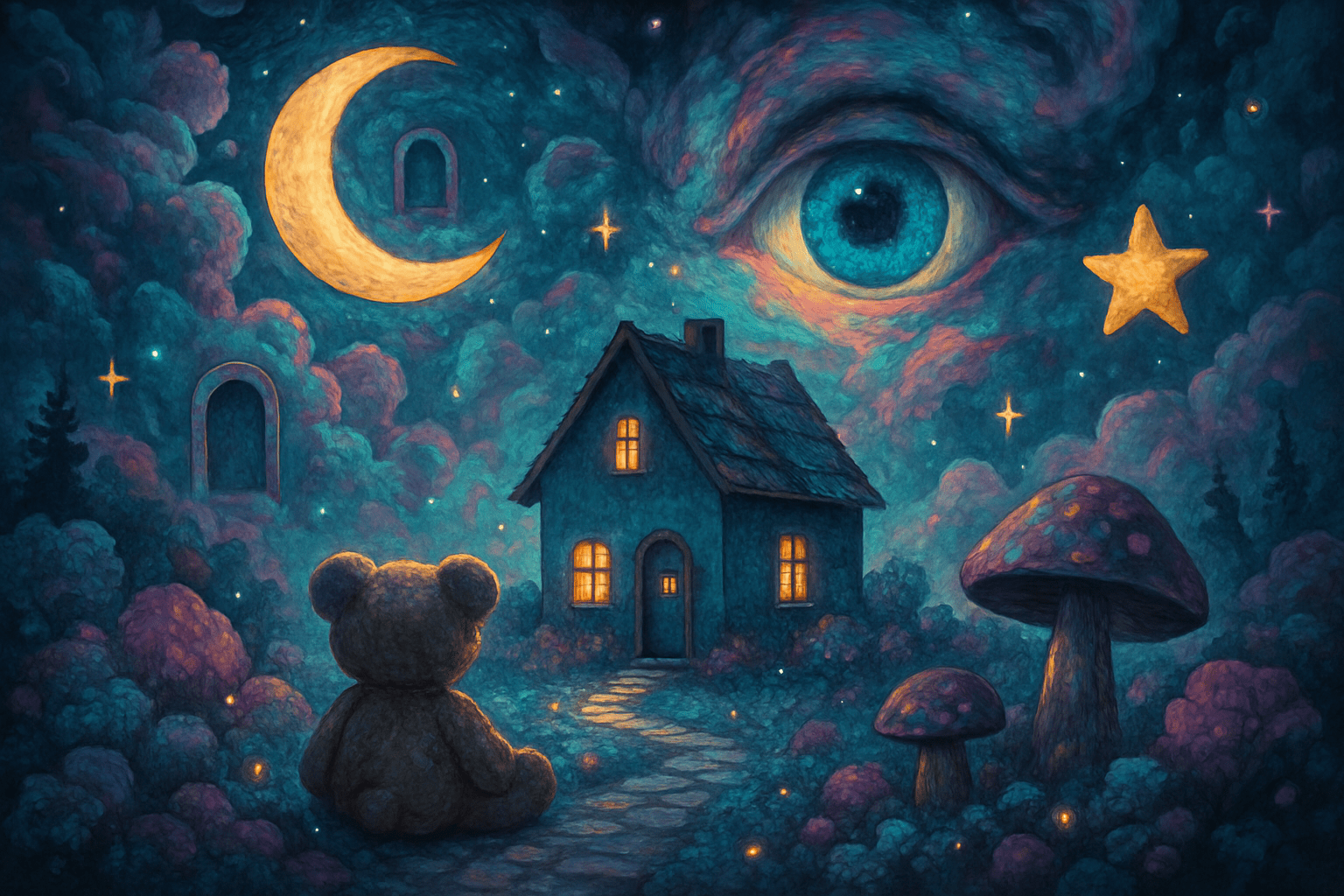
Dreamcore Fusion is an AOI interpretation that combines a recognisable everyday place with one carefully developed impossibility. Its atmosphere depends on the friction between familiarity and uncertainty. The label describes this creative brief; it is not a diagnosis, a universal account of dreams or a claim to have founded dreamlike art.
An A⊕I –[-.+] creαt¡ve c⊕ncept, n⊕t αn estαbl¡she∂ h¡st⊕r¡cαl m⊕vement.
A visual introduction
Select an image for a closer look. Use the thumbnails, arrow keys or a swipe to compare examples. Zoom in to inspect details, or share the image that inspires you.
Creative toolbox · take this style further
Choose an input and a destination. Search sends your words to the chosen site; Copy & open puts them on your clipboard to paste there.
Create with AI
Turn your chosen input into an image prompt or a new creative direction.
ChatGPT
Copy your input and paste it into a ChatGPT conversation or image request.
Copy & open ChatGPT (new tab)Claude · Anthropic
Develop an image prompt or explore the style in a new Claude conversation.
Copy & open Claude · Anthropic (new tab)Midjourney
Paste your input into the Imagine bar on the Create page.
Copy & open Midjourney (new tab)Adobe Firefly
Copy your input, open Firefly, and paste it into the prompt field.
Copy & open Adobe Firefly (new tab)Leonardo.Ai
Copy your input, open Leonardo, and paste it into the generation field.
Copy & open Leonardo.Ai (new tab)Image search
Find visual references. Short, concrete keywords usually work best.
Lexica
Search AI images and prompts using your selected input.
Search with this input Lexica (new tab)Pexels
Search the photo and video library. Short keywords often work best.
Search with this input Pexels (new tab)Pixabay
Search photos, illustrations and other images.
Search with this input Pixabay (new tab)Unsplash
Search photographs using the style name or your own keywords.
Search with this input Unsplash (new tab)Wikimedia Commons
Search photographs, artworks and historical images. Check each file for its source and reuse terms.
Search with this input Wikimedia Commons (new tab)Art & research
Explore artists, collections and the ideas behind a style.
Wikipedia
Search for background reading. A style may not have its own article.
Search with this input Wikipedia (new tab)WikiArt
Copy your input into WikiArt’s search to explore artists and artworks.
Copy & open WikiArt (new tab)Europeana
Paste your keywords into the search to explore European museum, library and archive collections.
Copy & open Europeana (new tab)Inspiration
Discover portfolios and visual ideas from creative communities.
Instagram hashtags
Search a hashtag made from your input: spaces and punctuation are removed. Instagram may require sign-in.
Search with this input Instagram hashtags (new tab)ArtStation
Paste your input into artwork search for concept art, environments, characters and visual development.
Copy & open ArtStation (new tab)Behance
Paste your input into project search for illustration, design and visual storytelling.
Copy & open Behance (new tab)A closer look
Ordinary rooms, modest furnishings and coherent light provide an anchor. A scale shift, misplaced landscape or impossible threshold alters that anchor while leaving enough of the setting intact for the viewer to recognise what has changed.
Begin with familiarity
A corridor, a quiet supermarket aisle or a childhood-style playroom supplies expectations about use and scale. Make those expectations specific through architecture, furniture and wear. Familiarity does not require a nostalgic decade, a particular nationality or a collection of internet symbols.
This formulation borrows the broad idea of dreamlike estrangement without claiming a fixed historical movement behind the compound name. Its value lies in a repeatable choice: preserve an ordinary world long enough for one impossible event to matter.
Choose the interruption
A doorway might open onto a sea that shares the room's horizon. A ceiling might sit impossibly low over one chair while the rest of the room remains normal. A small domestic object might become architectural in scale. Choose one event and develop its consequences instead of stacking unrelated surreal motifs.
Decide whether the interruption is immediately visible or discovered on a second look. A conspicuous ocean doorway makes a different image from a nearly ordinary room whose shadows reveal an impossible arrangement. Both can work, but their compositional priorities differ.
Keep light and materials coherent
The impossibility becomes more persuasive when the ordinary elements belong to the same space. Match the direction and softness of light, let materials respond consistently and show contact where objects meet. If a landscape appears beyond a door, consider whether its light enters the room.
A faded palette can support distance or memory, but it is optional. Harsh fluorescent light, clear midday colour or a warm domestic lamp can each produce uncertainty when paired with a precise spatial contradiction. Avoid treating blur and grain as substitutes for a developed scene.
Give the viewer somewhere to stand
A stable camera position helps establish the viewer's relationship to the event. An eye-level view from an ordinary entrance can make the discovery feel accidental. A high viewpoint may make the room read as a model. Choose deliberately rather than relying on a vague cinematic angle.
Leave a quiet route through the composition. Too many conspicuous objects make it difficult to tell which details are meaningful. A single chair, an open threshold and a patch of light can carry more atmosphere than a room crowded with unrelated dream symbols.
Neighbouring approaches and a practical test
Liminal-space imagery often concentrates on transitional places and their atmosphere. Surrealist art has its own varied histories and ideas, which cannot be reduced to strange object combinations. This AOI proposal is narrower: it asks how one impossible turn changes an otherwise legible everyday scene.
Make a normal version first, then add the interruption without changing the camera or the ordinary furnishings. Compare which details need to respond. If nothing changes except a pasted-in object, integrate its light, scale or spatial consequences. The strongest version preserves uncertainty while making the visual event feel intentional.
A small poetic detour
Original words from the AOI studio.
Poetry
Electric dreamscape,
Floating on nostalgic streams,
Wakes the mind anew.
The prompt workshop
Original creative exercises. These prompts create new illustrations, not documentary evidence.
An ocean beyond the door
Create an original quiet laundry room with ordinary worn furnishings and one open doorway onto a calm sea at a coherent horizon height. Soft sea light enters the room, restrained palette, precise contact shadows, no text or dream symbols.
The room and the oversized object
Design an original modest reading room containing one impossibly large porcelain cup that partly replaces an interior wall. Keep the chair, window and light ordinary; show how the oversized form affects the space.
A second-look contradiction
Create an original empty community hall under clear fluorescent light. Everything is plausible except one doorway that returns visibly to the same room from an impossible direction. Stable viewpoint, sparse furnishings and a discoverable spatial puzzle.
Your next inspiration
Discover another art style
Follow a visual thread to the next subject.