
Mixed
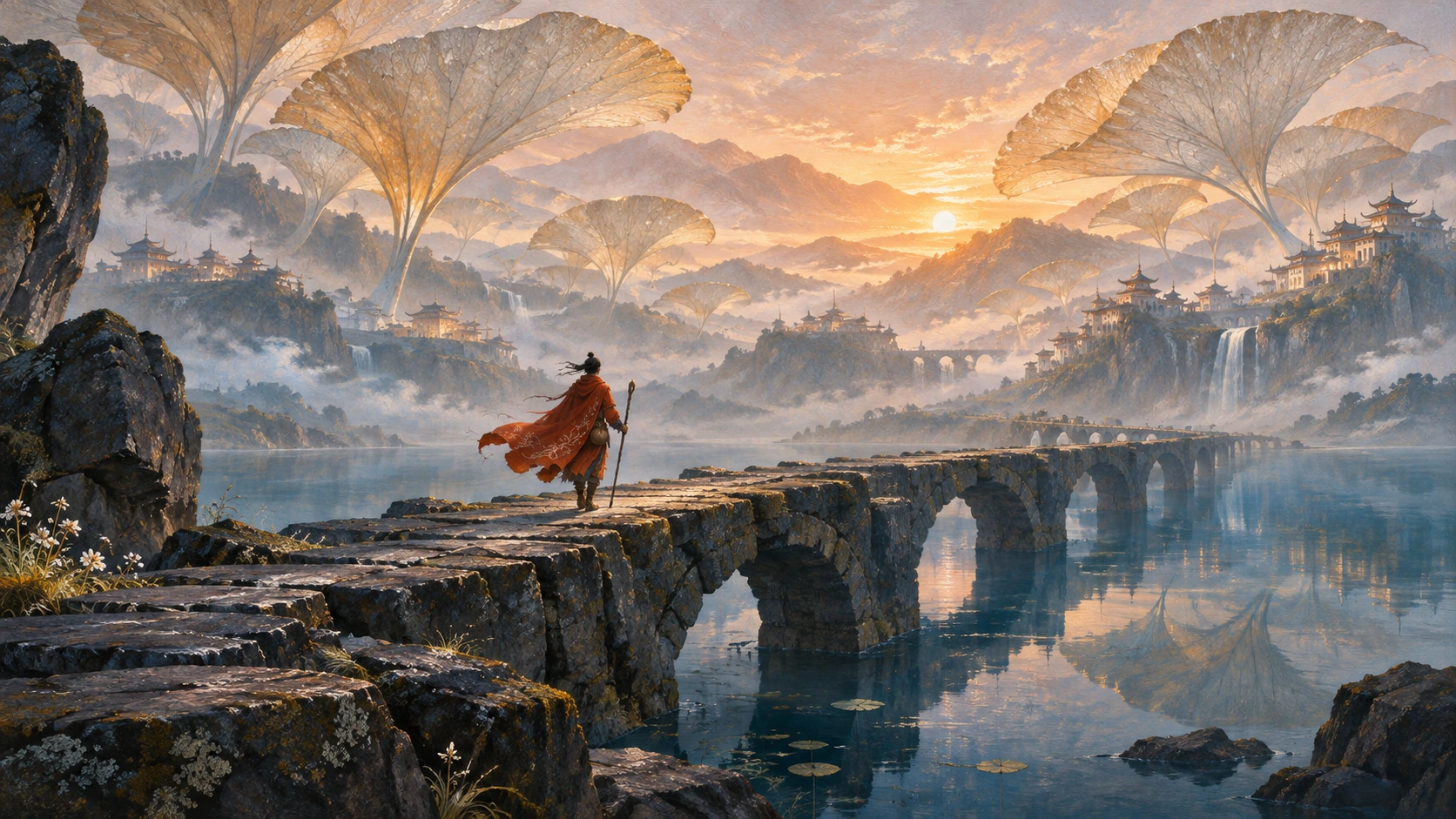
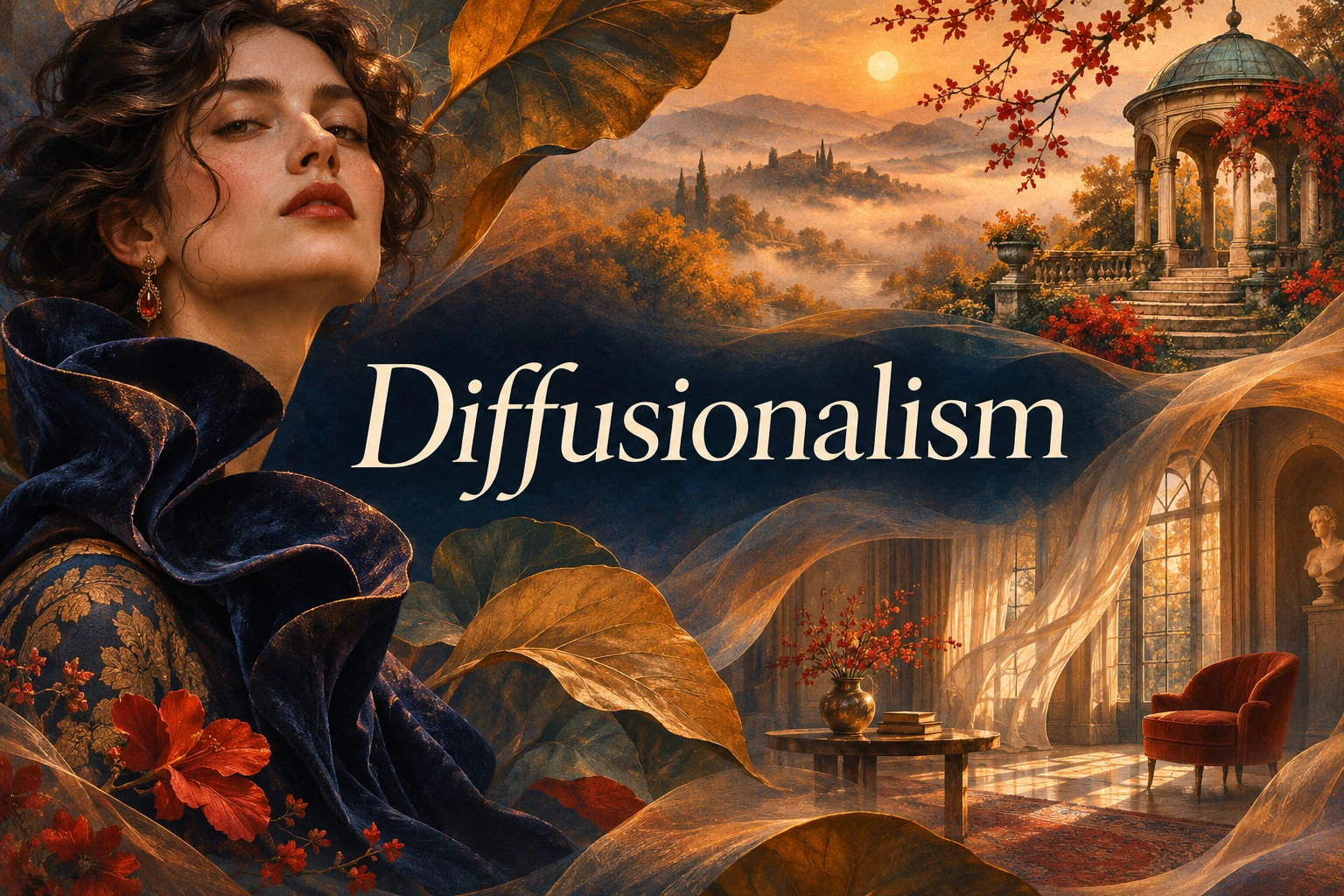
Diffusionalism is a contemporary AI style label documented in Midlibrary. This AOI interpretation develops a cinematic dream world in which atmosphere binds figures, landscape and costume together: luminous distance, concentrated color and selective softness make the scene feel remembered rather than simply photographed.
A visual introduction
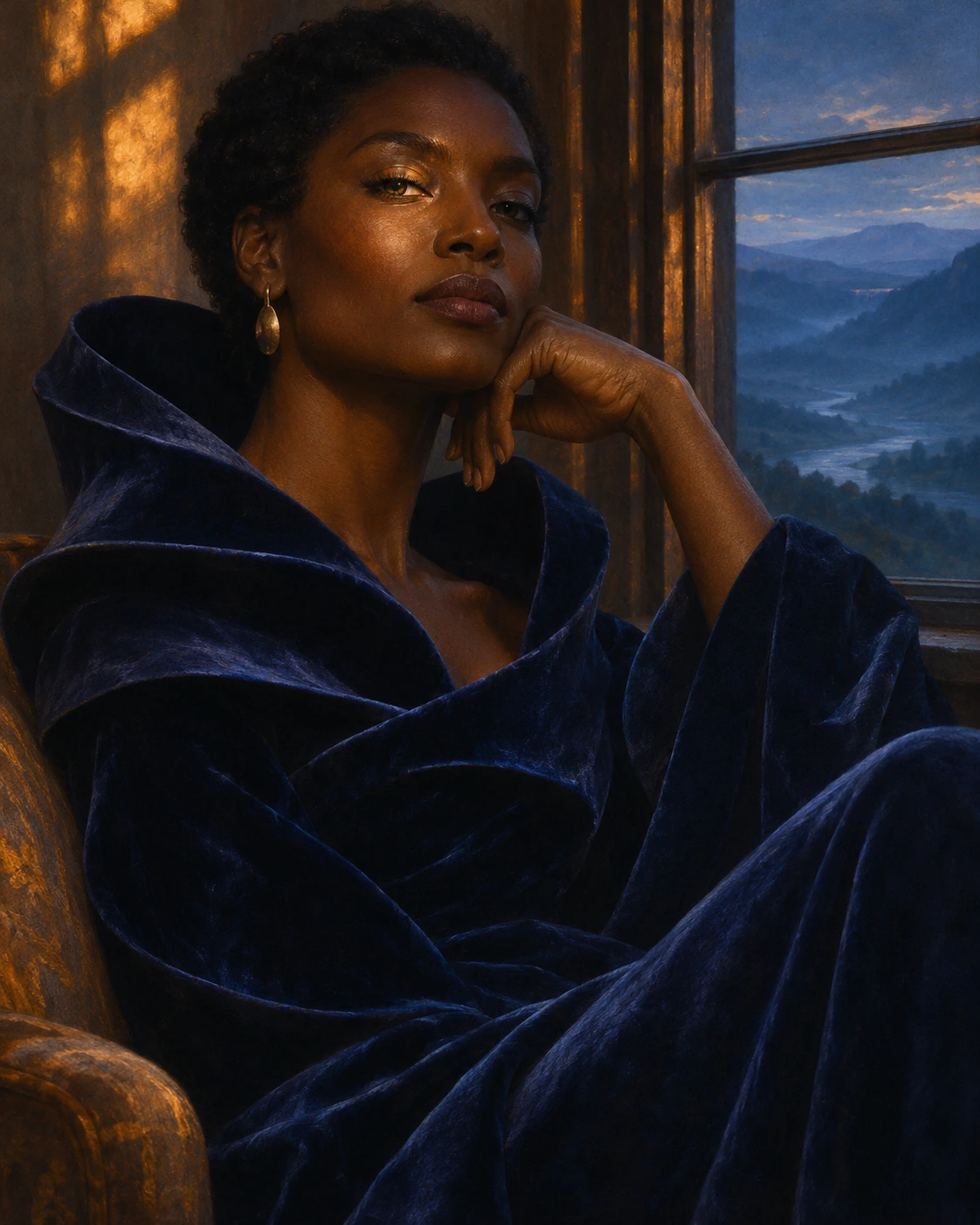
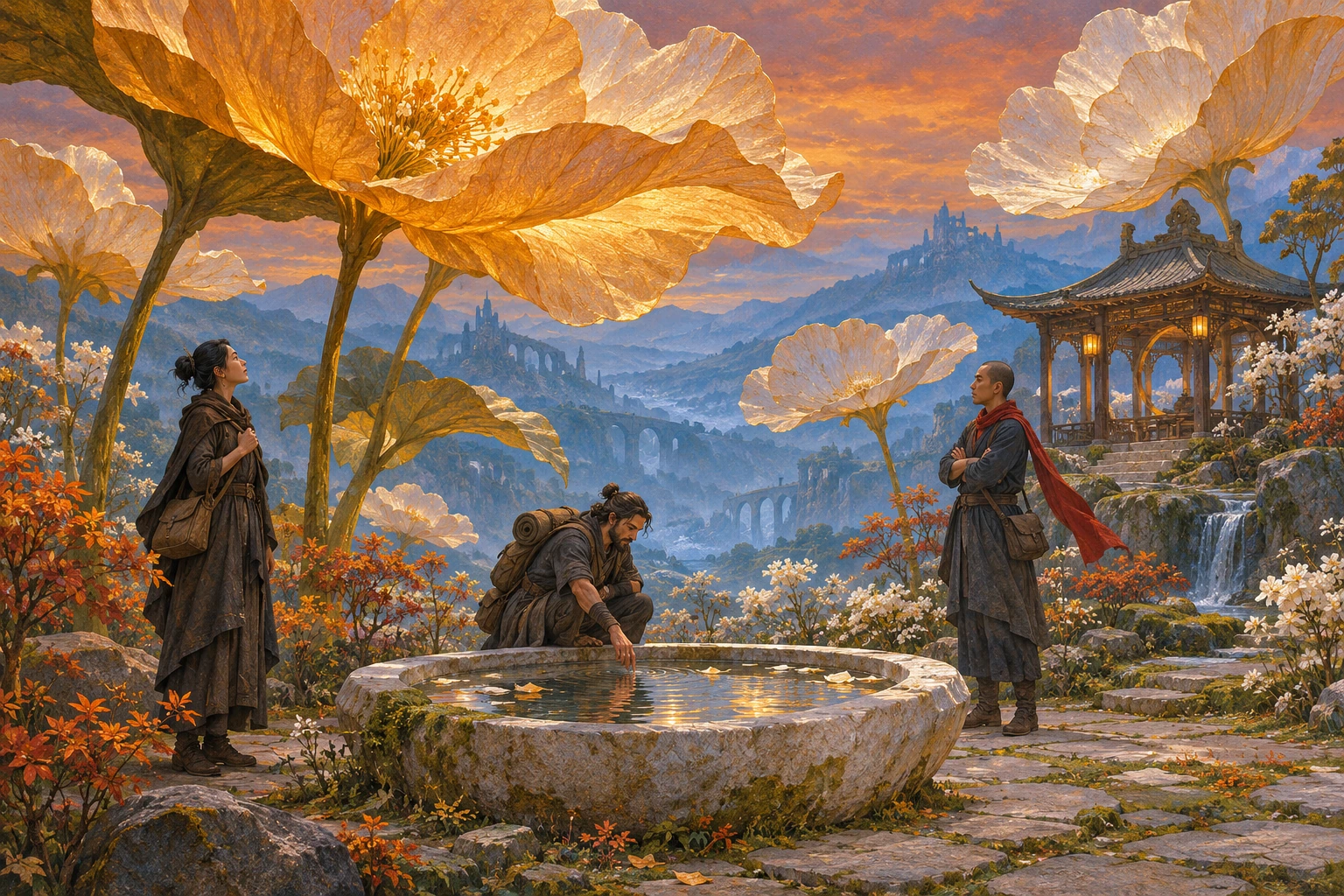
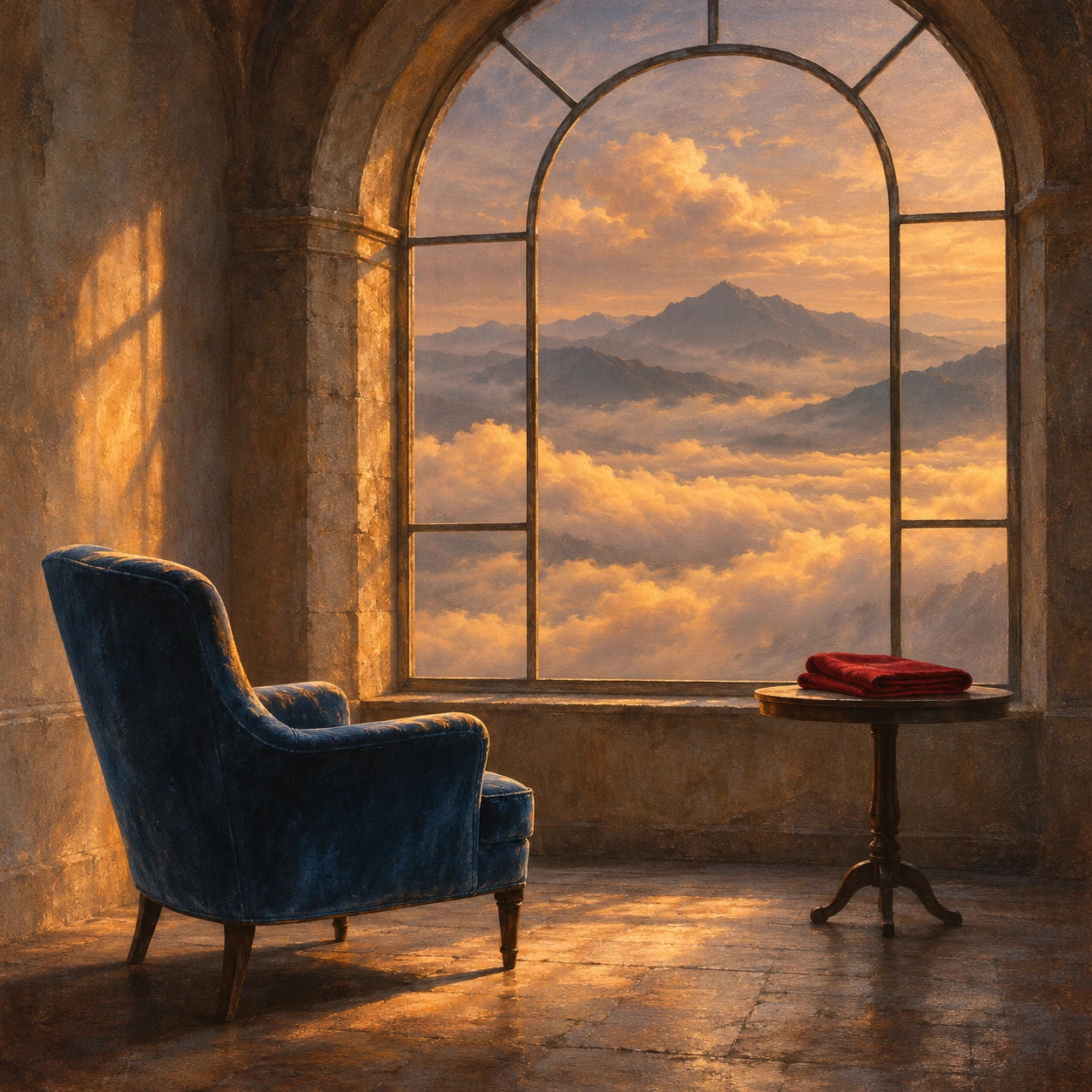
Five original AI-generated AOI interpretations: a dedicated banner, titled collage, portrait, fantastical garden and atmospheric interior. These are independent artworks, not Midjourney reference-code tests.
Select an image for a closer look. Use the thumbnails, arrow keys or a swipe to compare examples. Zoom in to inspect details, or share the image that inspires you.
Creative toolbox · take this style further
Choose an input and a destination. Search sends your words to the chosen site; Copy & open puts them on your clipboard to paste there.
Create with AI
Turn your chosen input into an image prompt or a new creative direction.
ChatGPT
Copy your input and paste it into a ChatGPT conversation or image request.
Copy & open ChatGPT (new tab)Claude · Anthropic
Develop an image prompt or explore the style in a new Claude conversation.
Copy & open Claude · Anthropic (new tab)Midjourney
Paste your input into the Imagine bar on the Create page.
Copy & open Midjourney (new tab)Adobe Firefly
Copy your input, open Firefly, and paste it into the prompt field.
Copy & open Adobe Firefly (new tab)Leonardo.Ai
Copy your input, open Leonardo, and paste it into the generation field.
Copy & open Leonardo.Ai (new tab)Image search
Find visual references. Short, concrete keywords usually work best.
Lexica
Search AI images and prompts using your selected input.
Search with this input Lexica (new tab)Pexels
Search the photo and video library. Short keywords often work best.
Search with this input Pexels (new tab)Pixabay
Search photos, illustrations and other images.
Search with this input Pixabay (new tab)Unsplash
Search photographs using the style name or your own keywords.
Search with this input Unsplash (new tab)Wikimedia Commons
Search photographs, artworks and historical images. Check each file for its source and reuse terms.
Search with this input Wikimedia Commons (new tab)Art & research
Explore artists, collections and the ideas behind a style.
Wikipedia
Search for background reading. A style may not have its own article.
Search with this input Wikipedia (new tab)WikiArt
Copy your input into WikiArt’s search to explore artists and artworks.
Copy & open WikiArt (new tab)Europeana
Paste your keywords into the search to explore European museum, library and archive collections.
Copy & open Europeana (new tab)Inspiration
Discover portfolios and visual ideas from creative communities.
Instagram hashtags
Search a hashtag made from your input: spaces and punctuation are removed. Instagram may require sign-in.
Search with this input Instagram hashtags (new tab)ArtStation
Paste your input into artwork search for concept art, environments, characters and visual development.
Copy & open ArtStation (new tab)Behance
Paste your input into project search for illustration, design and visual storytelling.
Copy & open Behance (new tab)A closer look
Look for a sharply readable focal detail surrounded by softened atmospheric layers, rich but organized color, theatrical scale and tactile grain. Light connects separate forms; darkness and quiet surfaces keep the imagined world legible.
A name with a specific online context
Midlibrary publishes Diffusionalism as a named Midjourney style reference, with examples across several subjects. Its description emphasizes vivid dream imagery, cinematic staging, atmospheric illumination, costume and enlarged natural forms. That is evidence of a contemporary AI aesthetic label, not evidence of a historical school or shared manifesto.
The artworks here are original AOI interpretations generated with OpenAI's image tool. They are not Midlibrary reproductions or tests of its Midjourney reference code. The following compositional method is our practical reading of the name and visual premise.
Build a scene that can carry a dream
Begin with a simple spatial situation: a traveler crosses a basin, a seated figure waits beside a window, or a small gathering occupies a garden. Decide who or what deserves attention before making the setting fantastic. One surprising change of scale can do more than a dozen unrelated marvels.
Keep the foreground, subject and distance distinct. A dark near shape can frame a warm middle ground while a pale horizon opens beyond it. Let atmosphere soften the farthest forms without dissolving every edge. The viewer should be able to enter the scene before becoming lost in its possibilities.
Let light connect, not erase
Choose a dominant light source and show its consequences. Amber light can touch a cheek, catch a fold of cloth and reappear on distant stone. Those repetitions make separate objects seem to inhabit the same invented air. Reserve the clearest edge or strongest local contrast for the emotional center.
A useful palette might combine deep blue shadows, bone-colored highlights and a restrained vermilion accent. Saturation should have a destination. If the sky, skin, flowers and costume all compete at full strength, the atmosphere becomes a filter instead of a place. A small grayscale preview helps reveal whether the composition still holds.
Texture, costume and scale
Use texture to distinguish what the light touches: worn velvet absorbs it, polished metal concentrates it, translucent leaves scatter its appearance. Fine grain can unify those surfaces, but grain cannot repair a weak silhouette or a confused pose.
Costume can suggest a character's role without supplying a borrowed cultural identity. Invent a cloak, mask or ceremonial garment with a small number of repeated forms. If a flower grows larger than a doorway, include an ordinary-sized object nearby so the enlargement becomes a deliberate story cue.
A label is not an algorithm
Midjourney's official documentation explains that style references guide qualities such as color, texture, medium and lighting; their behavior can depend on the model or reference version. A named look therefore does not promise identical results across tools.
The word Diffusionalism does not identify a universal diffusion-model output style. Describe the image you want in ordinary visual terms: subject, spatial arrangement, light direction, edge hierarchy and one unusual relationship. Treat the name as a starting point for art direction, then judge the result on what is actually visible.
Where it works—and when to simplify
This approach suits speculative book covers, character studies, album imagery and atmospheric environmental concepts. For a cover, leave a calm area for typography rather than hoping lettering will survive an elaborate background. For character design, make a second simpler view if construction details matter.
The common failure is decorative grandeur with no dramatic purpose. Remove an ornament, reduce one competing glow and give the subject an action or a reason to wait. A convincing dream has internal relationships, even when its events could never happen.
A small poetic detour
Original words from the AOI studio.
Poetry
The far hills borrow amber from the air;
A cloak remembers every folded night.
One face stays clear while distance loosens there,
And leaves grow large enough to shelter light.
The road returns no answer to the sky—
It only gives the dream a place to lie.
The prompt workshop
Original creative exercises. These prompts create new illustrations, not documentary evidence.
A traveler in luminous distance
Create an original Diffusionalism interpretation: a lone adult traveler crossing a dark stone causeway toward an amber horizon, enormous translucent leaves beyond, layered blue shadows, one crisp silhouette, restrained grain, cinematic spacious composition, no text.
A face held by the atmosphere
Invent an adult portrait beside a tall window, elegant sculptural collar and deep blue velvet, one clearly lit eye, warm reflected light and soft distant landscape, selective focus and rich material contrast. Make the surroundings dreamlike while preserving coherent anatomy; no text.
A garden on an impossible scale
Compose a theatrical gathering of three adult travelers beneath flowers larger than a pavilion. Clear spacing and readable gestures, quiet charcoal foreground, amber sky, a single vermilion accent, deep atmospheric layers and tactile painted grain. Original fantasy world, no logos or writing.
Your next inspiration
Discover another art style
Follow a visual thread to the next subject.
A smile from the studio
Jokes
The set designer ordered a little atmosphere. The sky delivered twelve kilometers of amber haze, the flowers requested larger dressing rooms, and the cloak developed a tragic backstory. The director kept everything except the fog's invoice.