
Drawing approach and visual storytelling
Cartoon drawing simplifies and exaggerates to make character, action and ideas readable. Explore silhouette, expression, staging and visual timing across single images, comic sequences and animation-related design.
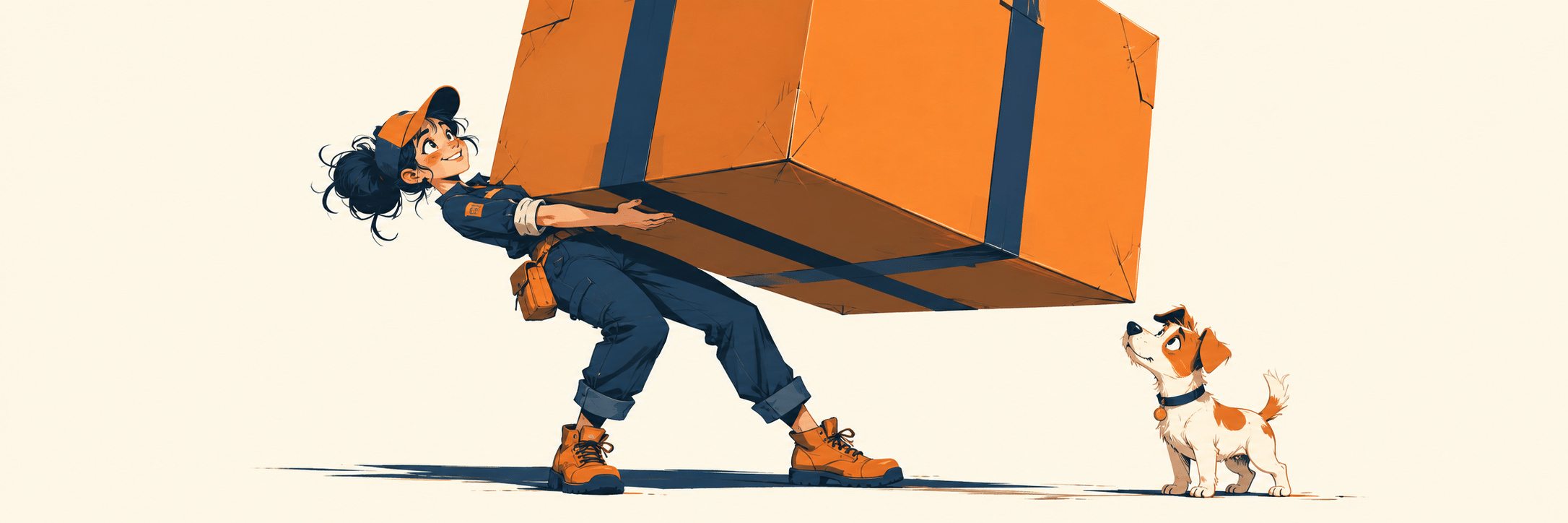
A visual introduction
Select an image for a closer look. Use the thumbnails, arrow keys or a swipe to compare examples. Zoom in to inspect details, or share the image that inspires you.
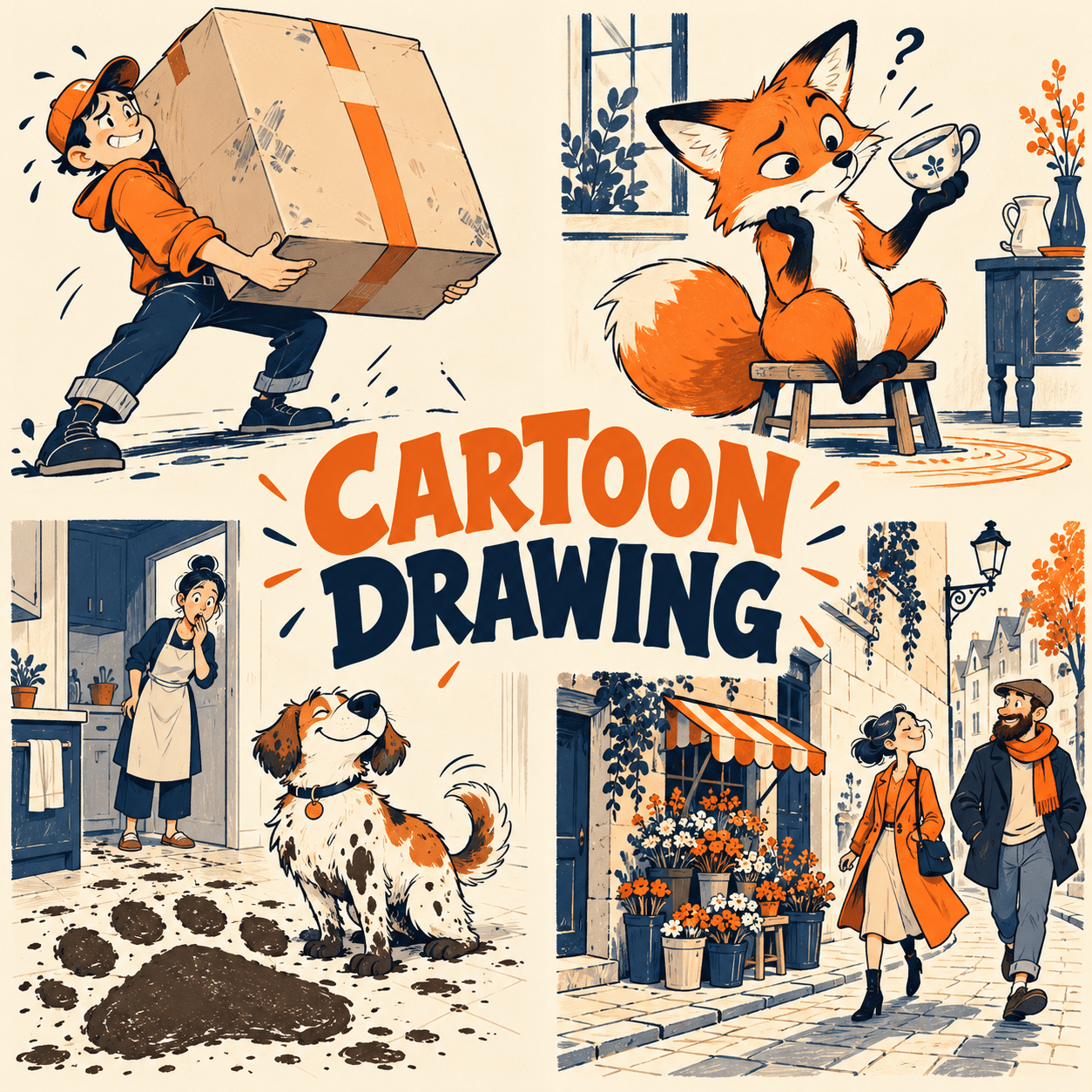
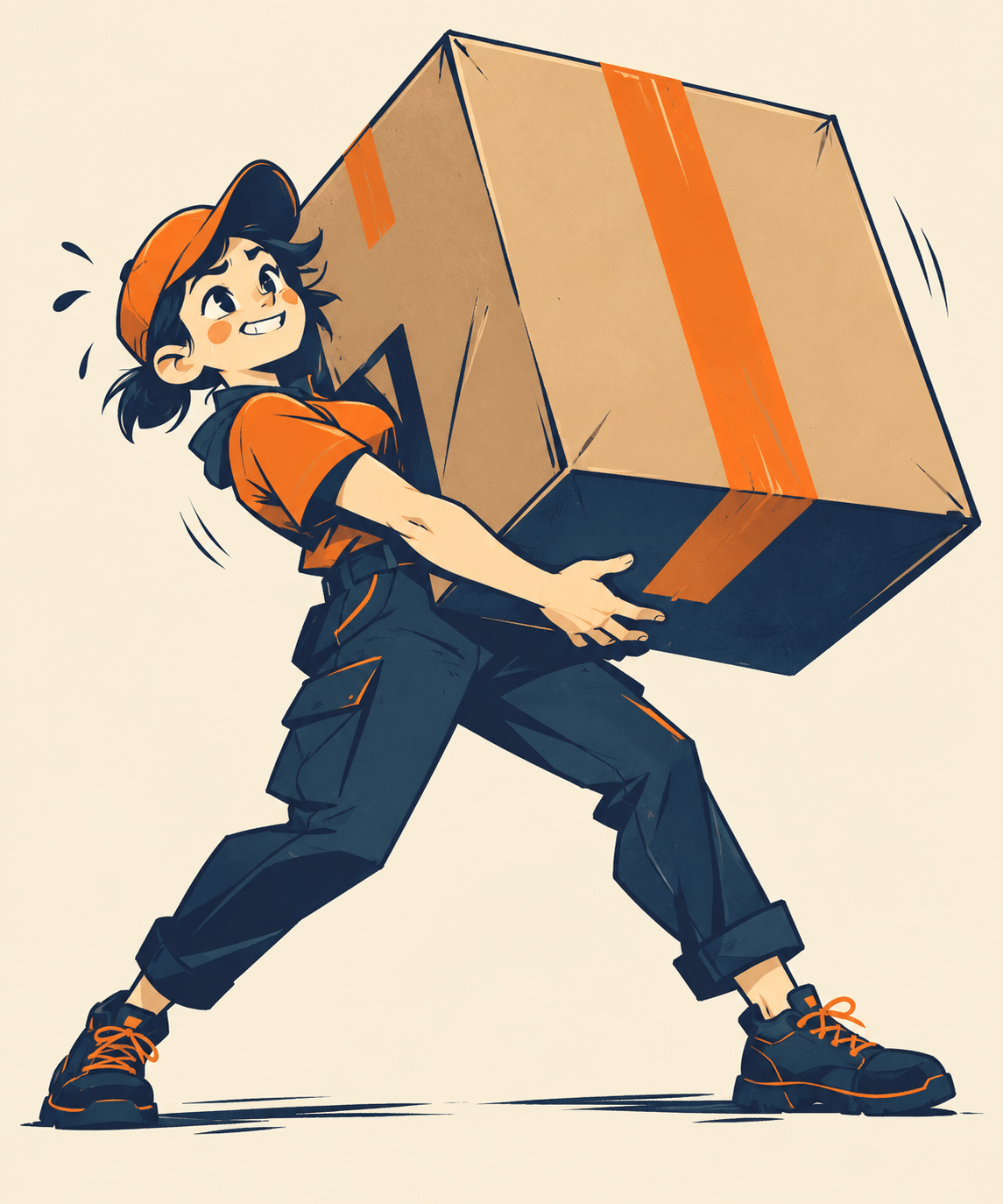
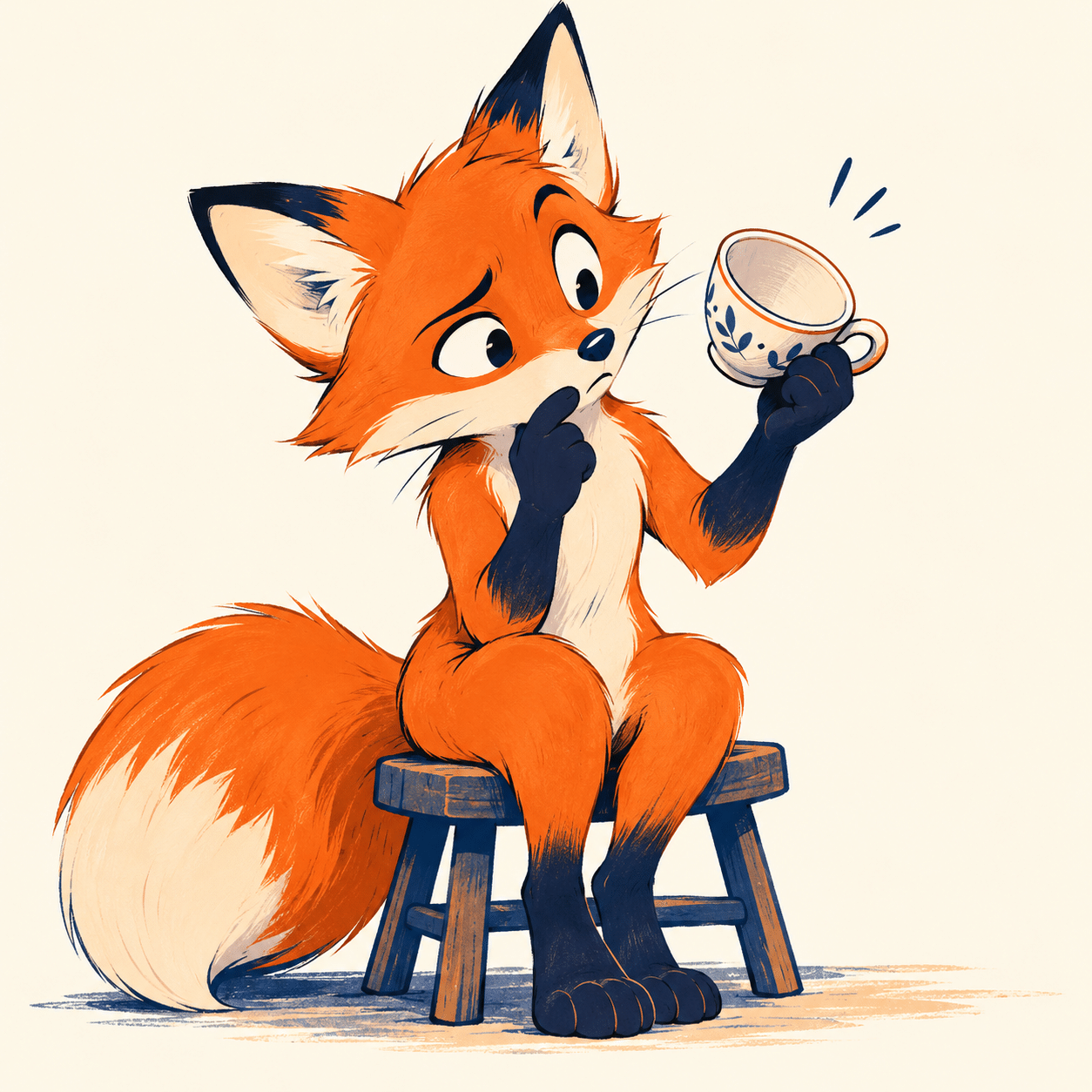


Creative toolbox · take this style further
Choose an input and a destination. Search sends your words to the chosen site; Copy & open puts them on your clipboard to paste there.
Create with AI
Turn your chosen input into an image prompt or a new creative direction.
ChatGPT
Copy your input and paste it into a ChatGPT conversation or image request.
Copy & open ChatGPT (new tab)Claude · Anthropic
Develop an image prompt or explore the style in a new Claude conversation.
Copy & open Claude · Anthropic (new tab)Midjourney
Paste your input into the Imagine bar on the Create page.
Copy & open Midjourney (new tab)Adobe Firefly
Copy your input, open Firefly, and paste it into the prompt field.
Copy & open Adobe Firefly (new tab)Leonardo.Ai
Copy your input, open Leonardo, and paste it into the generation field.
Copy & open Leonardo.Ai (new tab)Image search
Find visual references. Short, concrete keywords usually work best.
Lexica
Search AI images and prompts using your selected input.
Search with this input Lexica (new tab)Pexels
Search the photo and video library. Short keywords often work best.
Search with this input Pexels (new tab)Pixabay
Search photos, illustrations and other images.
Search with this input Pixabay (new tab)Unsplash
Search photographs using the style name or your own keywords.
Search with this input Unsplash (new tab)Wikimedia Commons
Search photographs, artworks and historical images. Check each file for its source and reuse terms.
Search with this input Wikimedia Commons (new tab)Art & research
Explore artists, collections and the ideas behind a style.
Wikipedia
Search for background reading. A style may not have its own article.
Search with this input Wikipedia (new tab)WikiArt
Copy your input into WikiArt’s search to explore artists and artworks.
Copy & open WikiArt (new tab)Europeana
Paste your keywords into the search to explore European museum, library and archive collections.
Copy & open Europeana (new tab)Inspiration
Discover portfolios and visual ideas from creative communities.
Instagram hashtags
Search a hashtag made from your input: spaces and punctuation are removed. Instagram may require sign-in.
Search with this input Instagram hashtags (new tab)ArtStation
Paste your input into artwork search for concept art, environments, characters and visual development.
Copy & open ArtStation (new tab)Behance
Paste your input into project search for illustration, design and visual storytelling.
Copy & open Behance (new tab)A closer look
Economical contours; readable silhouettes; selective exaggeration; expressive poses; clear staging; a controlled balance of shape, line and colour that supports the idea.
More than a cute drawing
In modern visual culture, cartoon drawing describes many approaches to simplified or exaggerated imagery. It can be playful, satirical, tender or unsettling. The Library of Congress’s Cartoon America exhibition distinguishes political illustration, caricature, animation, single-panel cartoons and comic strips. These forms share tools but serve different purposes; no single facial formula defines them all.
There is also an older technical meaning of “cartoon”: a full-size preparatory design for transfer to another surface. The National Gallery explains this use in Raphael’s practice, and the V&A preserves his tapestry cartoons. This article focuses on modern cartoon drawing, while keeping that historical meaning separate.
Choose what the viewer must read first
Begin with an action or relationship rather than a collection of decorative features. A small figure leaning against an enormous parcel tells a different story from the same figure standing upright beside it. Pose, scale and the space between objects can carry meaning before a caption is read. Remove details that compete with that first reading.
A silhouette test is useful: imagine the character as a solid shape. If the arms merge with the body or the important prop disappears, adjust the staging. Clear separation does not require stiff poses. A curved spine, tilted head and uneven weight distribution can produce a lively figure whose action remains understandable at thumbnail size.
Exaggeration needs a consistent logic
Exaggeration selects and amplifies. A narrow upright shape may support one character’s alert manner, while a broad relaxed shape supports another’s unhurried movement. These are design possibilities, not fixed rules about real people. Avoid turning cultural or bodily differences into automatic moral labels. Let personality emerge through choices and behaviour.
Keep the drawing’s internal rules coherent. If a head is oversized, the neck, pose and balance should still feel intentional. A simplified hand can have very few marks, but it must communicate the required gesture. Consistency matters more than photographic anatomy; unexplained extra limbs or drifting facial features weaken even a highly elastic design.
Line, colour and the pause
Line weight can separate a foreground character from a quieter setting. A thick contour around every object, however, may make the entire image equally loud. Use interior marks sparingly and let larger shapes do some of the work. Flat colour can establish grouping, while one contrasting accent identifies the focal prop or expression.
Timing is not limited to animation. In a single image, a suspended gesture can imply what just happened or what will happen next. In a sequence, a repeated composition can make one small change noticeable. A pause panel may carry more humour than another burst of action. The viewer needs enough information to infer the event without having every step explained.
A practical range of studies
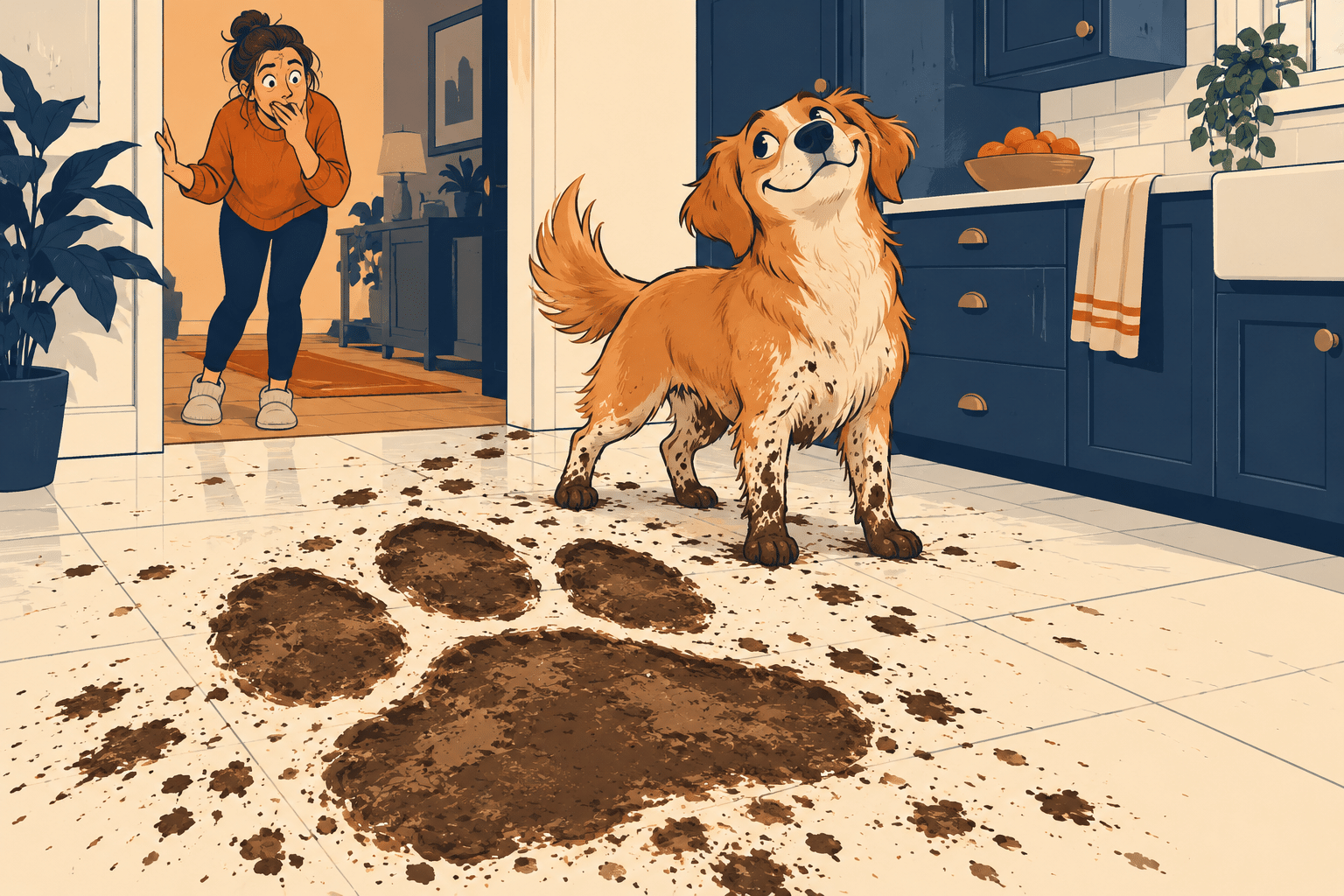
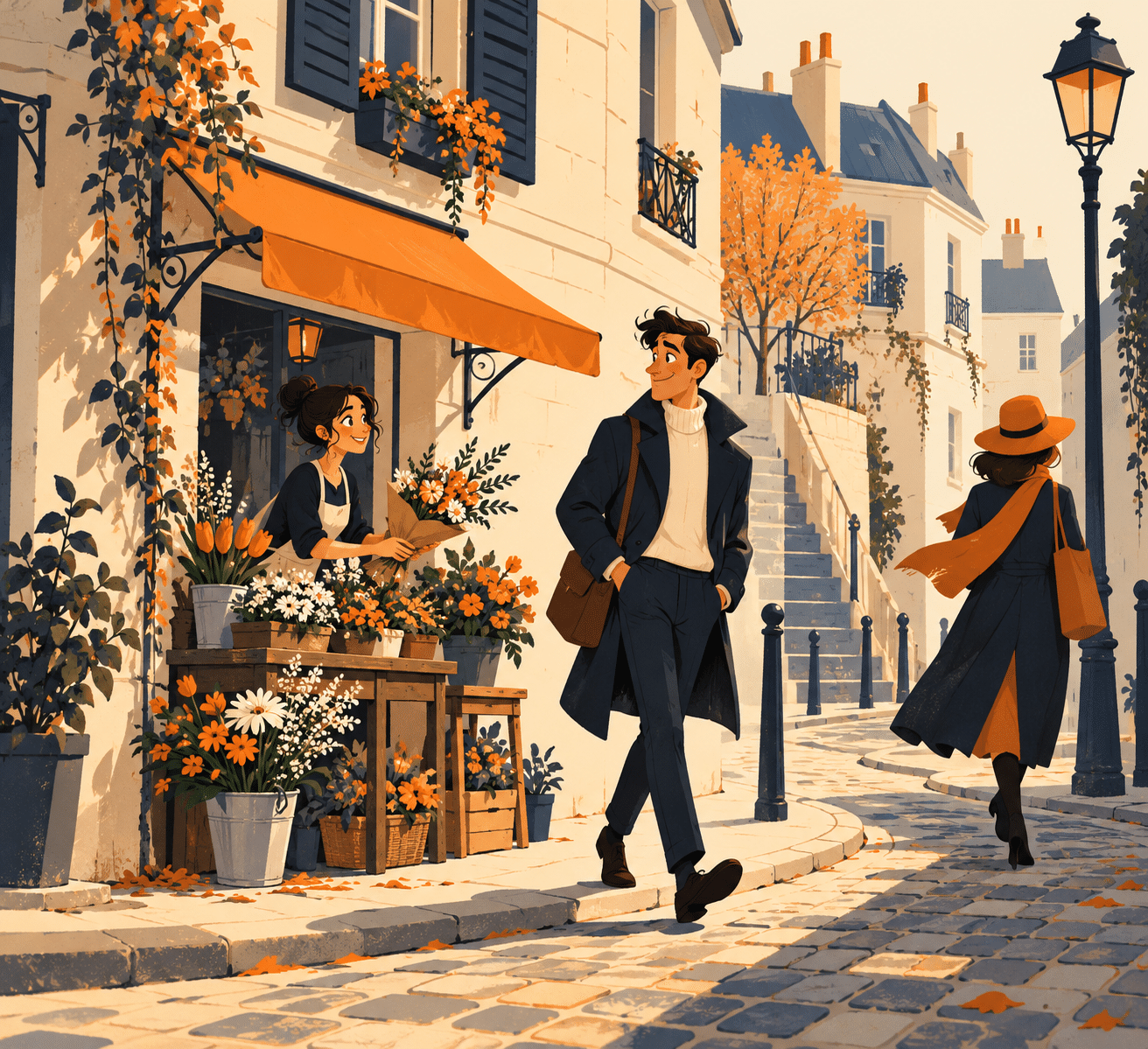
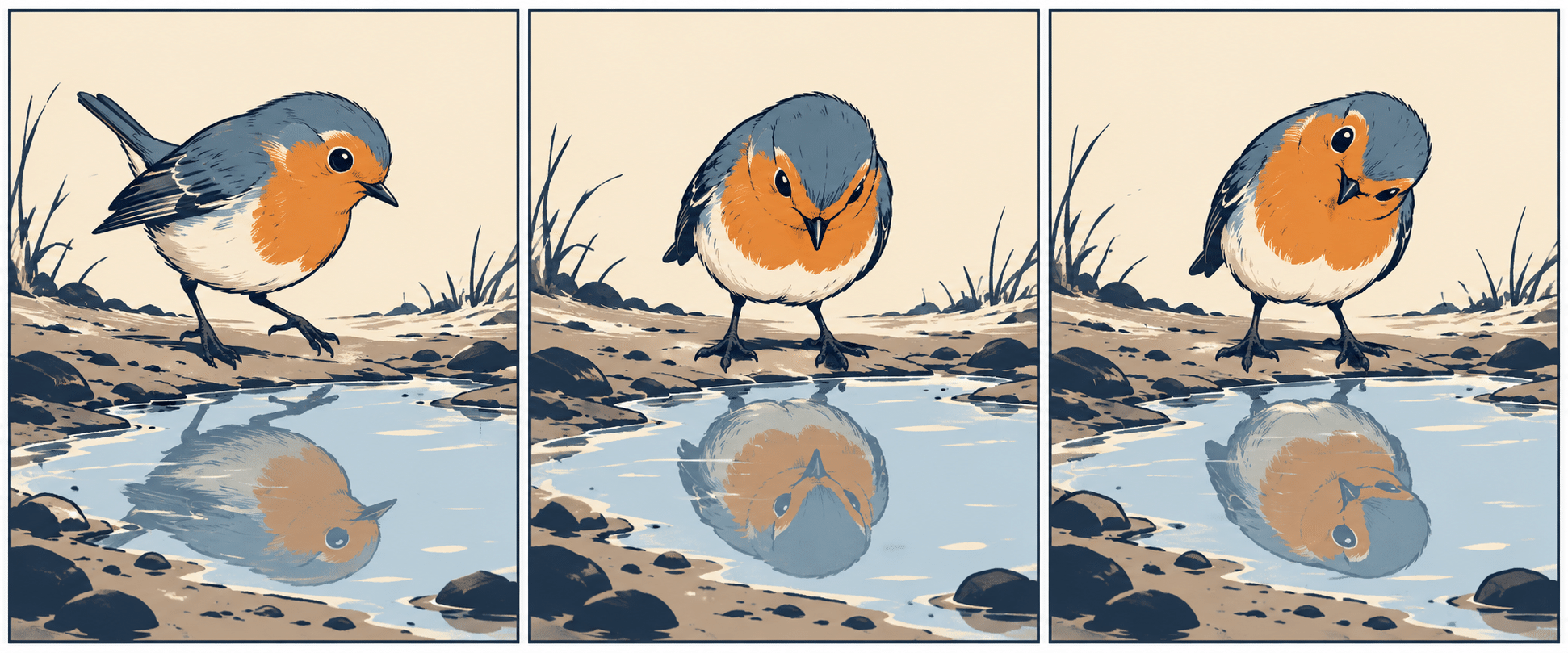
The new gallery uses an original courier, an expressive animal, a wordless everyday mishap, a whimsical street scene and a three-stage action. These AI-generated examples explore different drawing problems. They do not reproduce established franchise characters or claim to be production artwork from a studio.
For prompts, specify the character’s action, shape language, framing and line treatment. “A compact courier leaning backward under one oversized parcel, clear silhouette and two-colour ink drawing” is more useful than “funny cartoon.” Add dialogue only when the wording matters and can be checked. A wordless image is often a stronger test of visual storytelling.
Positive editorial assessment — AI-authored
Cartoon drawing can communicate a complicated emotional situation through very few marks. Its economy encourages strong decisions about pose, hierarchy and timing. The best exaggeration reveals something specific about an action or character rather than merely enlarging the eyes and smoothing the surface.
Critical editorial assessment — AI-authored
A familiar collection of rounded shapes can become a substitute for observation. Generic expressions, excessive motion marks and decorative backgrounds may obscure a weak idea. Improve the drawing by testing it without colour or words, clarifying the central action and giving the character a particular response to the situation.
Neutral editorial assessment — AI-authored
Cartoon drawing is a broad visual approach used across entertainment, editorial work and communication. Its success depends on audience, context and purpose. A single image, a comic sequence and an animation design require related but distinct decisions; simplification alone does not make them interchangeable.
A small poetic detour
Original words from the AOI studio.
Poetry
A line leans forward, takes a bow,
a dot decides to look surprised.
The smallest change can tell us how
a quiet thought became outsized.
We leave a pause between the frames;
the reader lends the moment breath.
The shapes forget their proper names
and act a little scene instead.
The prompt workshop
Original creative exercises. These prompts create new illustrations, not documentary evidence.
One readable action
Original cartoon courier carrying one comically oversized parcel, leaning backward with a determined expression. Compact angular character, clear silhouette, coherent simplified hands, navy ink and warm orange accents on cream. No logos, dialogue or existing characters.
A wordless situation
Original single-panel cartoon: a small dog sits proudly beside an enormous muddy paw print on a spotless kitchen floor while an adult pauses in the doorway. Clear eyelines, economical line, restrained colour and readable staging. No caption or franchise references.
Three beats
Original three-panel wordless cartoon of a curious bird approaching a small puddle, seeing its reflection, then tilting its head. Same character proportions and camera position in every panel, simple ink lines, pale blue accent, clear visual timing and no lettering.
Your next inspiration
Discover another art style
Follow a visual thread to the next subject.

Digital Drawing: Line, Layers and Deliberate Visual Decisions
Explore digital methods for expressive drawing.
Figuration Libre: Figures, Popular Culture and Unruly Painting
Compare cartoon references within a distinct painting movement.
A smile from the studio
Jokes
The cartoon character requested realistic proportions. The artist agreed, but the joke no longer fitted in the panel.