
AOI creative concept · Thread and tactile surfaces
Turn the changing nap of a velour-like surface into a shallow imagined landscape.
An AOI creative concept, not an established historical movement.
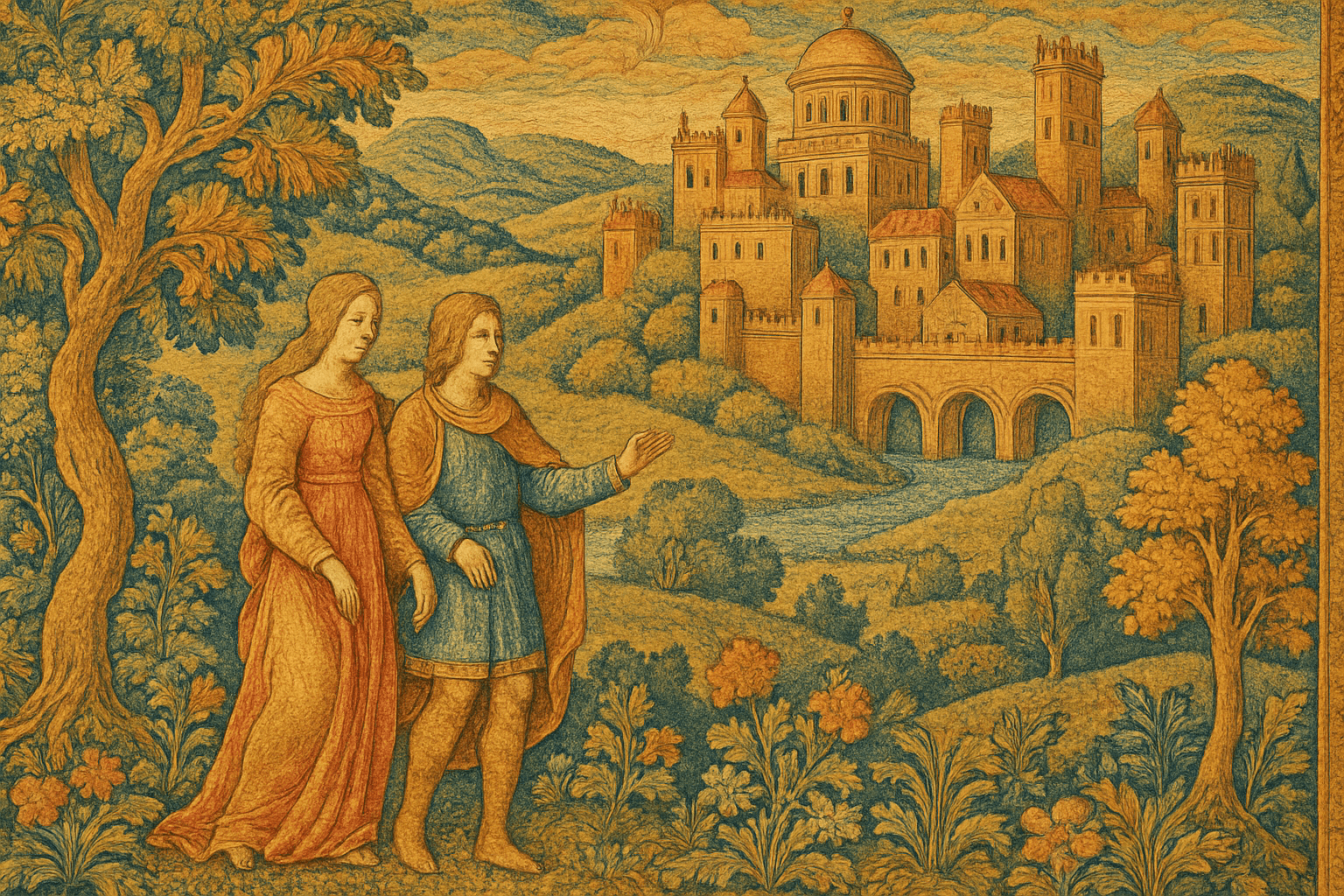
A closer look
Muted green or warm brown, soft shadow and pale highlights; directional velour pile. The focal scene: a shallow valley suggested by opposing directions of textile nap.
Let the material decide
Turn the changing nap of a velour-like surface into a shallow imagined landscape. Light and dark areas should come from directional texture, while only a few actual folds establish height. Keep the distinction between apparent terrain and physical cloth readable.
Construct the surface
Spread a muted green cloth over two low supports. Brush or depict the pile in opposing directions to create a dark valley between them. Let one small fold run diagonally across the valley as a scale cue. Use grazing light and show a loose corner at the edge so the landscape remains visibly a textile construction.
Texture needs a purpose
Adding trees and houses can make the cloth merely a background. First test whether the nap alone describes a route and a low basin. Avoid strong printed patterns, which compete with the subtle directional surface changes.
Technique notes
Use a warm brown surface and one broad circular nap change to suggest a crater, keeping the actual folds nearly absent.
When prompting an image model, spell out the rule and visible relationships. The invented style name alone is not a reliable instruction. Compare outputs against the critique above and revise the specific failed relationship.
The prompt workshop
Original creative exercises. These prompts create new illustrations, not documentary evidence.
Start with the defining rule
Create an original illustration of a shallow valley suggested by opposing directions of textile nap. Turn the changing nap of a velour-like surface into a shallow imagined landscape. Light and dark areas should come from directional texture, while only a few actual folds establish height. Keep the distinction between apparent terrain and physical cloth readable. Use muted green or warm brown, soft shadow and pale highlights; directional velour pile. Keep the composition readable, with a clear focal area and quiet surrounding space. No lettering, signatures or watermark.
Build the fuller composition
Create an original Velour Valley Relief composition. Spread a muted green cloth over two low supports. Brush or depict the pile in opposing directions to create a dark valley between them. Let one small fold run diagonally across the valley as a scale cue. Use grazing light and show a loose corner at the edge so the landscape remains visibly a textile construction. Use muted green or warm brown, soft shadow and pale highlights; directional velour pile. Preserve the defining constraint: Turn the changing nap of a velour-like surface into a shallow imagined landscape. Avoid decorative clutter, readable text and watermarks.
Try a deliberate variation
Create an experimental illustration based on this rule: Turn the changing nap of a velour-like surface into a shallow imagined landscape. Light and dark areas should come from directional texture, while only a few actual folds establish height. Keep the distinction between apparent terrain and physical cloth readable. Variation: Use a warm brown surface and one broad circular nap change to suggest a crater, keeping the actual folds nearly absent. Use muted green or warm brown, soft shadow and pale highlights; directional velour pile. Make the changed relationship unmistakable while keeping supporting details restrained. No captions, signatures or watermark.
Look closer
Explore the image gallery
Select an image to enlarge it. Browse with the arrows, and press Escape to return.
Your next inspiration
Discover another art style
Follow a visual thread to the next subject.