
Duration and installation
Temporary art makes a limited lifespan part of the work: an installation is removed, an action ends, or a material changes. Its subject is often the experience of encountering something that will not remain.
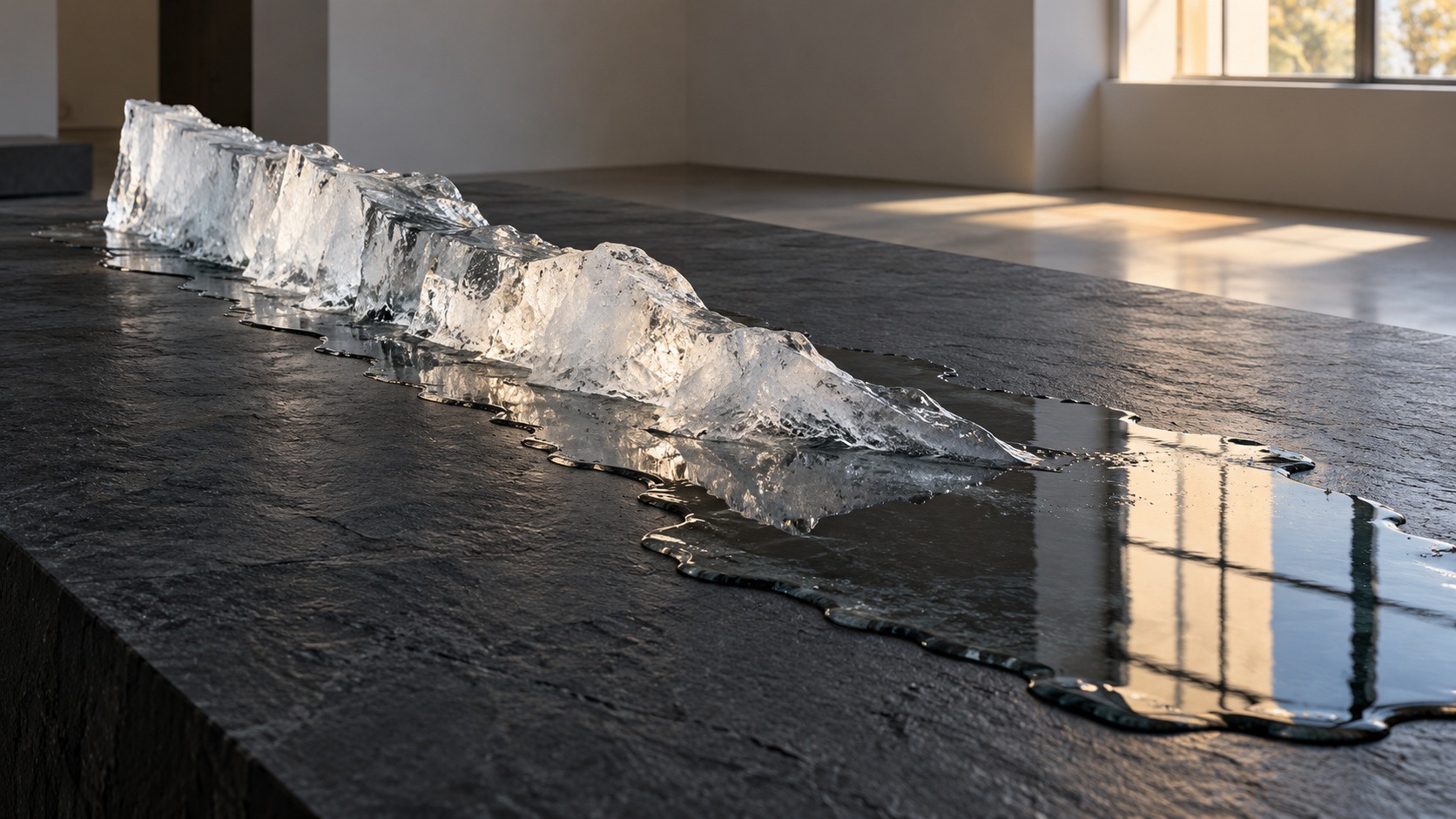
A visual introduction
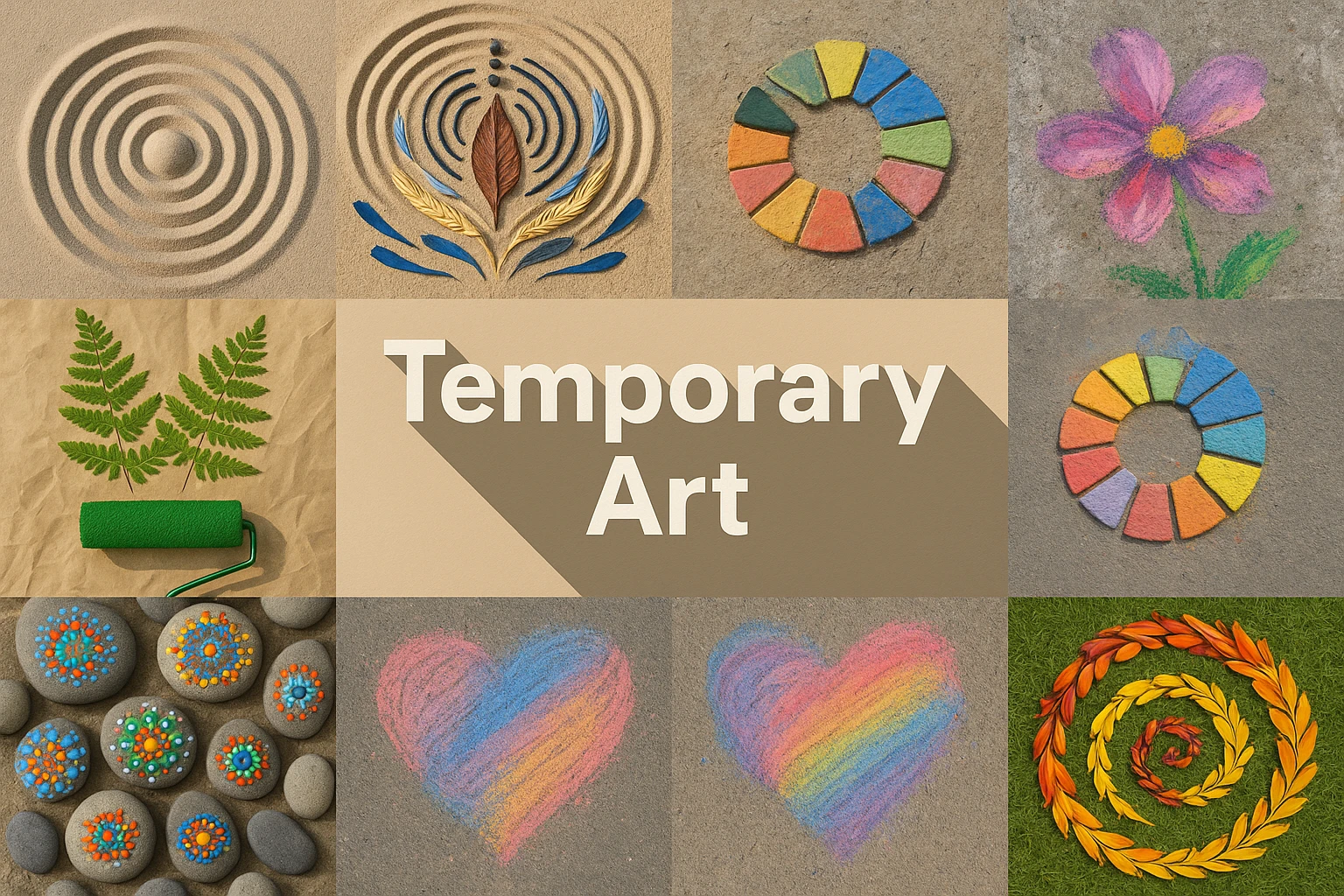
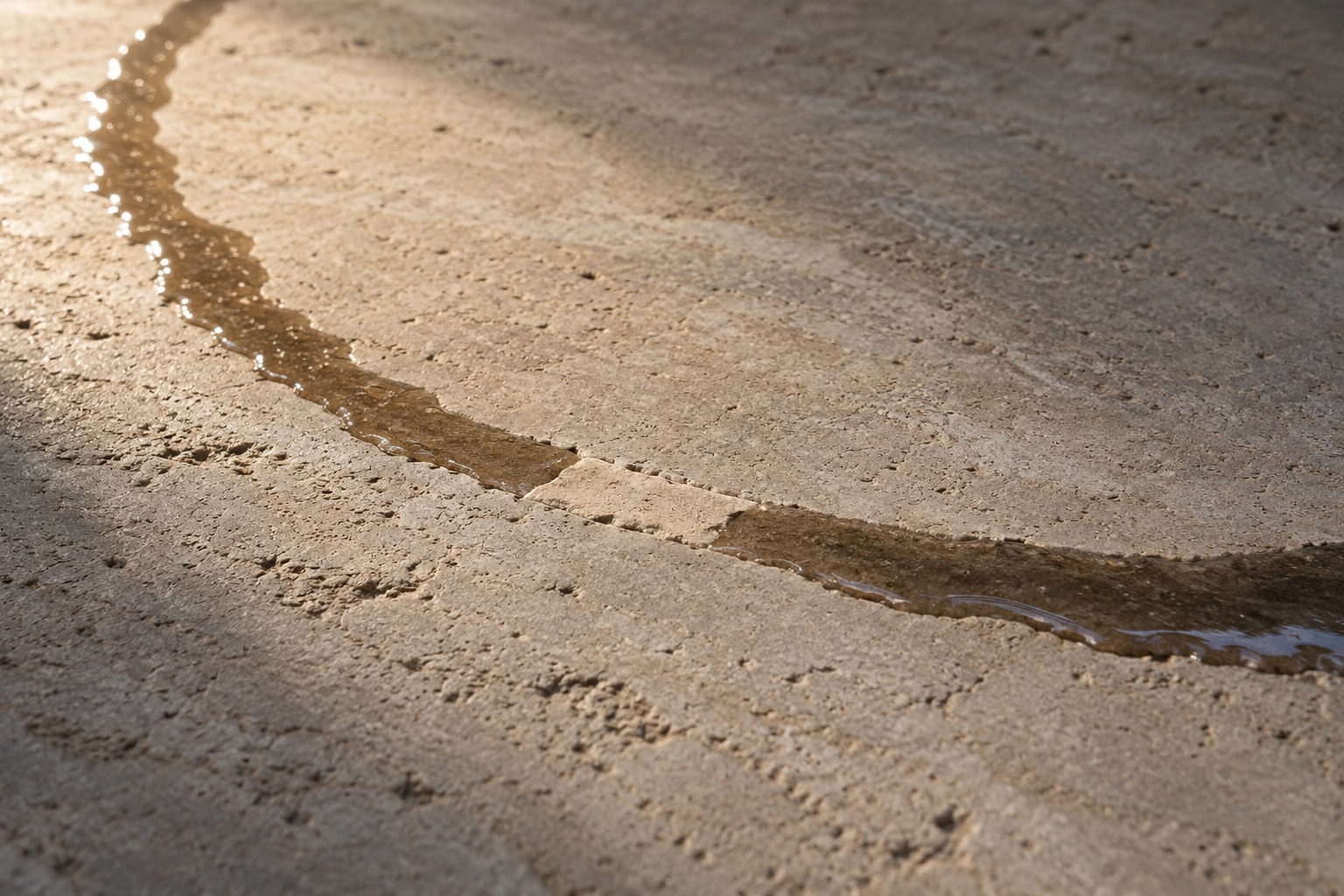
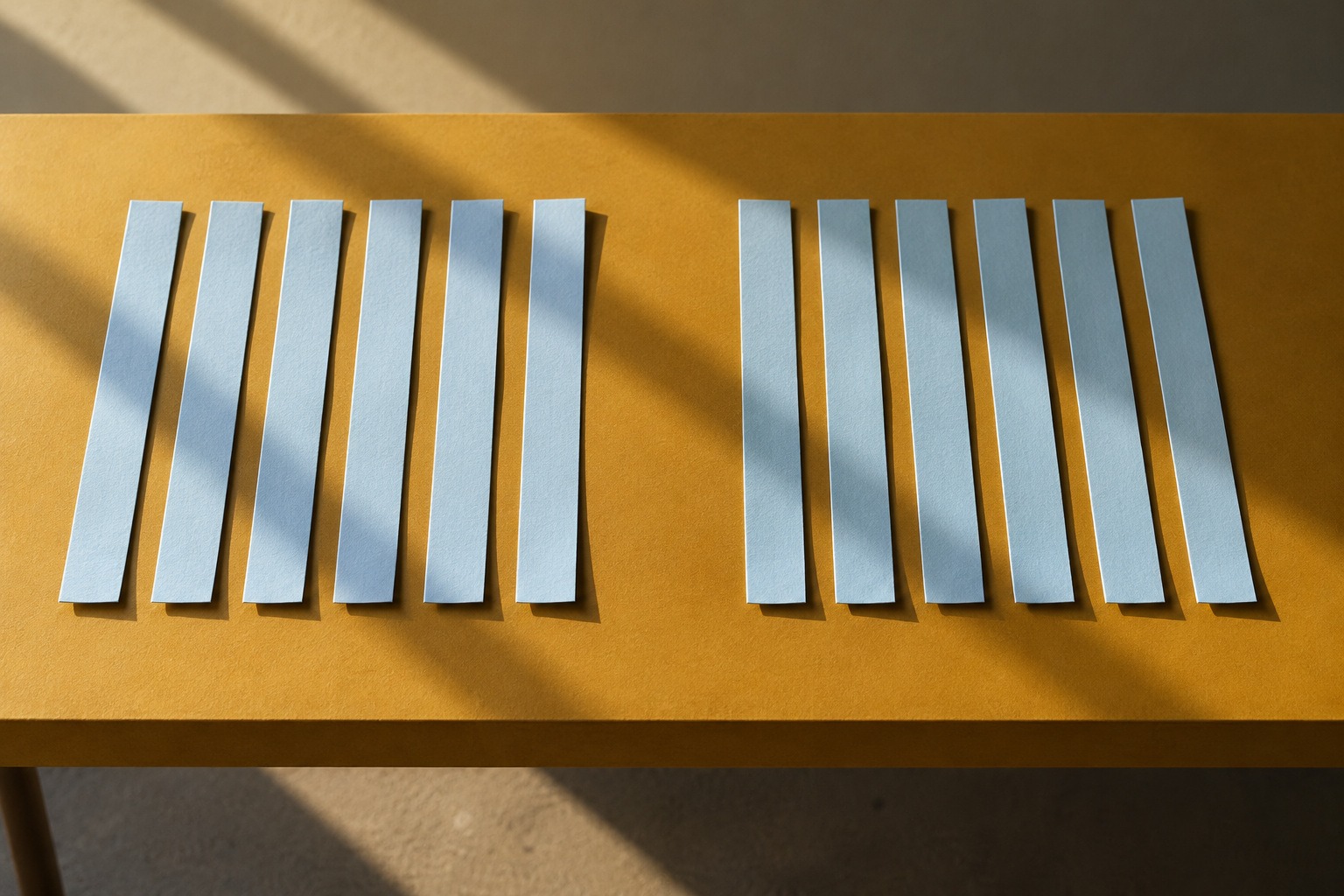
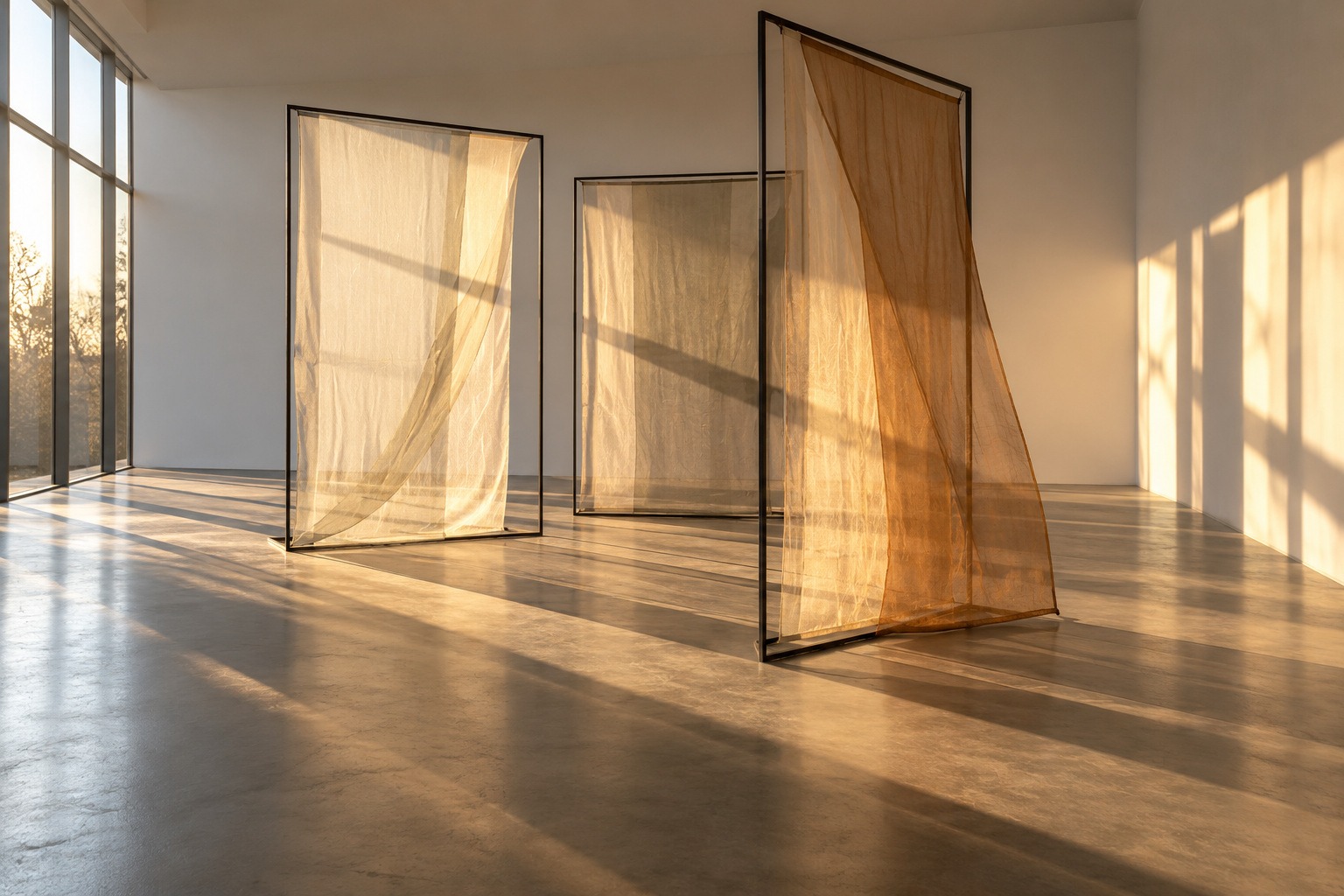
Four new imagined studies explore melting, evaporation, removal and passing light. The central-title collage is retained from the earlier AOI edition. These are concept images, not documentation of executed installations.
Select an image for a closer look. Use the thumbnails, arrow keys or a swipe to compare examples. Zoom in to inspect details, or share the image that inspires you.
Creative toolbox · take this style further
Choose an input and a destination. Search sends your words to the chosen site; Copy & open puts them on your clipboard to paste there.
Create with AI
Turn your chosen input into an image prompt or a new creative direction.
ChatGPT
Copy your input and paste it into a ChatGPT conversation or image request.
Copy & open ChatGPT (new tab)Claude · Anthropic
Develop an image prompt or explore the style in a new Claude conversation.
Copy & open Claude · Anthropic (new tab)Midjourney
Paste your input into the Imagine bar on the Create page.
Copy & open Midjourney (new tab)Adobe Firefly
Copy your input, open Firefly, and paste it into the prompt field.
Copy & open Adobe Firefly (new tab)Leonardo.Ai
Copy your input, open Leonardo, and paste it into the generation field.
Copy & open Leonardo.Ai (new tab)Image search
Find visual references. Short, concrete keywords usually work best.
Lexica
Search AI images and prompts using your selected input.
Search with this input Lexica (new tab)Pexels
Search the photo and video library. Short keywords often work best.
Search with this input Pexels (new tab)Pixabay
Search photos, illustrations and other images.
Search with this input Pixabay (new tab)Unsplash
Search photographs using the style name or your own keywords.
Search with this input Unsplash (new tab)Wikimedia Commons
Search photographs, artworks and historical images. Check each file for its source and reuse terms.
Search with this input Wikimedia Commons (new tab)Art & research
Explore artists, collections and the ideas behind a style.
Wikipedia
Search for background reading. A style may not have its own article.
Search with this input Wikipedia (new tab)WikiArt
Copy your input into WikiArt’s search to explore artists and artworks.
Copy & open WikiArt (new tab)Europeana
Paste your keywords into the search to explore European museum, library and archive collections.
Copy & open Europeana (new tab)Inspiration
Discover portfolios and visual ideas from creative communities.
Instagram hashtags
Search a hashtag made from your input: spaces and punctuation are removed. Instagram may require sign-in.
Search with this input Instagram hashtags (new tab)ArtStation
Paste your input into artwork search for concept art, environments, characters and visual development.
Copy & open ArtStation (new tab)Behance
Paste your input into project search for illustration, design and visual storytelling.
Copy & open Behance (new tab)A closer look
Read duration through changing surfaces, intervals, traces and relationships with a particular place. A temporary work can be monumental, intimate, abstract or figurative; there is no compulsory visual style.
Time is a material
Temporary art describes a condition of making and encounter, not a single movement. A sculpture commissioned for one summer, an ice form allowed to melt and a brief public action all have limited durations, but their reasons for ending differ. A painting borrowed for a temporary exhibition is not necessarily temporary art: the display ends while the work continues. Ask whether disappearance, change or removal belongs to the artistic proposition itself.
Ephemeral is often used for especially short-lived or unrepeatable work. The distinction is useful without becoming a rigid timetable. A performance can be repeated under a score, and an installation can be rebuilt from instructions; neither the repeated event nor its documentation is simply identical to the first encounter. The object, the experience and the record deserve separate descriptions.
A documented example
Christo and Jeanne-Claude’s The Gates occupied Central Park for sixteen days in February 2005. Their project account explains that the fabric structures followed existing paths and were removed afterward. Its temporary duration coexisted with extensive planning, fabrication and paid labor. Short-lived does not mean casual, inexpensive or immaterial. The artists’ archive is a source for the actual project; an AOI picture of fabric in a park would be an imagined study, not evidence of that installation.
Build a visual grammar for change
Begin with a stable element and a variable one: a stone ledge and a receding wet mark, a clear frame and moving cloth, a tiled floor and slowly shifting shadows. The stable element gives the viewer something against which to measure change. Repetition can make loss visible when one interval opens in an otherwise regular sequence. A single concentrated change is usually clearer than many unrelated effects.
Choose the viewing distance before selecting detail. At a public scale, silhouette, route and the relationship to surrounding architecture matter first. At a tabletop scale, a softened edge or shrinking pool can carry the whole event. Light and palette should reveal the process: a dark ground helps pale condensation register, while raking light exposes buckling paper. Bright festival color is one possibility, not a definition.
Plan the beginning, middle and ending
Write a small score describing what is placed, what changes, who may participate, how long it lasts and what happens to the materials afterward. For an original indoor exercise, arrange reusable paper strips across a table, remove one strip at regular intervals and photograph from the same position. The sequence becomes a study of spacing and absence. Keep the photographs labelled as documentation of your exercise, with the interval and camera position recorded.
For outdoor work, use materials and a location that allow permission, access and full removal. A beautiful image cannot establish that an intervention was harmless. Do not move protected natural materials or leave dyes, glitter or synthetic fragments behind. The end plan belongs in the concept: dismantling, reuse and return of the site can be meaningful actions rather than invisible administration.
Images, evidence and common mistakes
A still image can communicate a proposed temporary artwork but cannot prove that a change occurred. Pair a concept image with a clear duration statement; for a real event, record stages and explain what the camera omits. Avoid simulated decay presented as time-lapse evidence. Temporary work is also not automatically ecological, public, participatory or free of commercial value. Those are separate questions requiring separate evidence.
This approach is useful for thinking about attention, memory, public space and material transformation. It becomes weaker when the only idea is that the object will vanish. Ask what its ending changes in the viewer’s reading. Would a permanent version say the same thing? If so, develop the relationship between duration and meaning before adding more spectacle.
About this guide
This AI-authored AOI guide appears under Penny Wraiter, AOI’s editorial persona. Historical claims are supported by the annotated sources. Practical exercises, prompts and poetry are original editorial interpretations; generated illustrations are labelled individually.
A small poetic detour
Original words from the AOI studio.
Poetry
The wet edge walks across the stone.
A pale square loosens from the floor.
What stood here asks for nothing now
except the space it made before.
We count the gaps between the cloth,
then fold the weather out of sight.
The empty path is still a path;
we take it home in borrowed light.
The prompt workshop
Original creative exercises. These prompts create new illustrations, not documentary evidence.
A trace that changes
Create an original concept image of a temporary indoor artwork: a shallow line of water darkens a slate tabletop, with dry gaps beginning to emerge. Close viewpoint, soft side light, quiet gray palette, one clear focal transition. No lettering. Present it as an imagined study, not time-lapse documentation.
A place for a passing encounter
Design an imaginary courtyard installation using reusable pale fabric suspended within freestanding frames. Show changing shadows on the paving and generous walking space. Wide composition, coherent supports, restrained ochre and blue-gray palette. No imitation of a named historical installation. Include a separate written proposal for duration and removal.
One interval disappears
Develop a three-stage visual plan for twelve paper strips on a studio table: complete rhythm, one missing interval, and an open center. Maintain viewpoint, scale and lighting across the plan. The change in spacing is the subject; avoid decorative debris. Label the series as a proposal until it is physically performed.
A smile from the studio
Jokes
The installation has a closing date. The conversation it started has ignored the calendar.