
Drawing technique
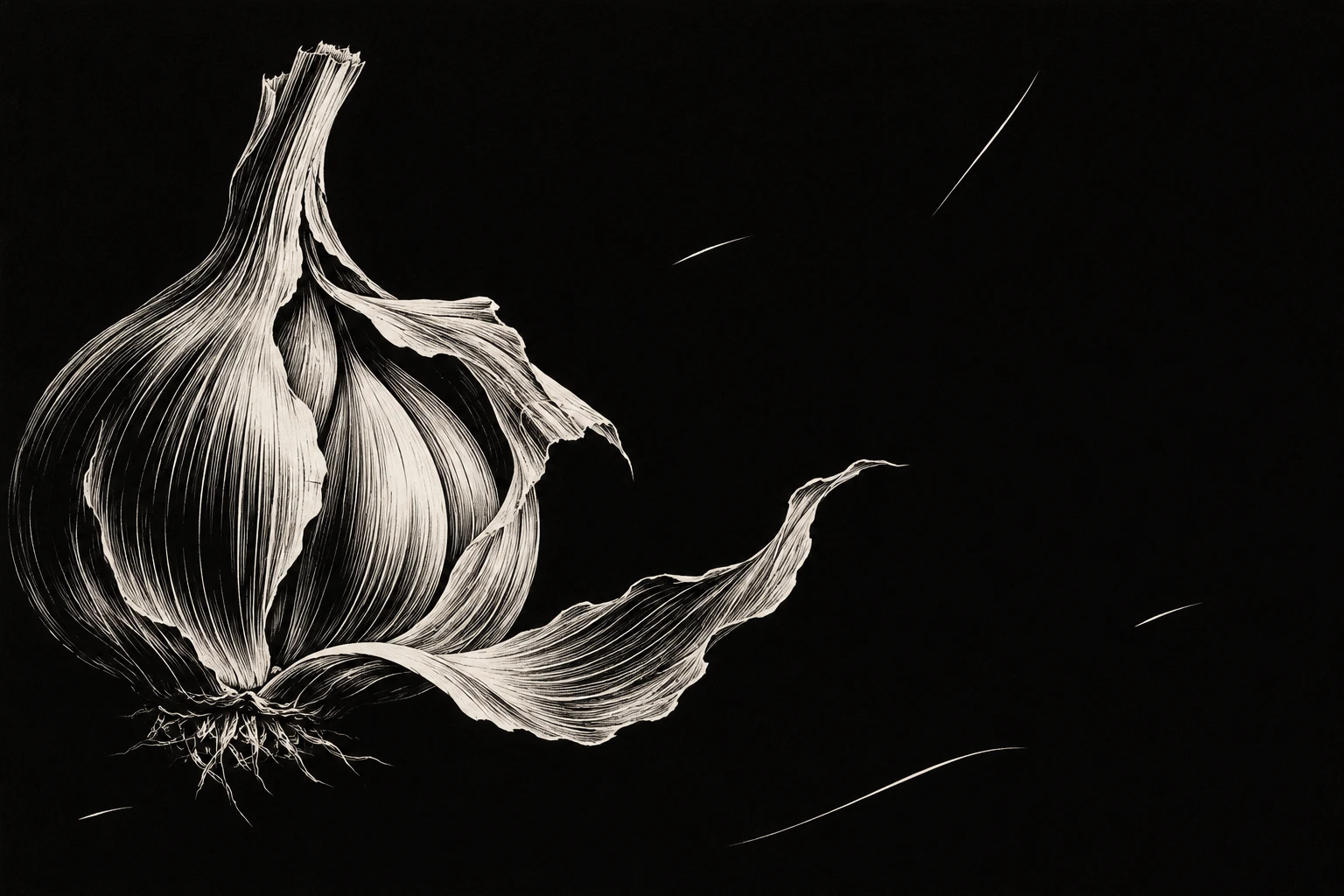
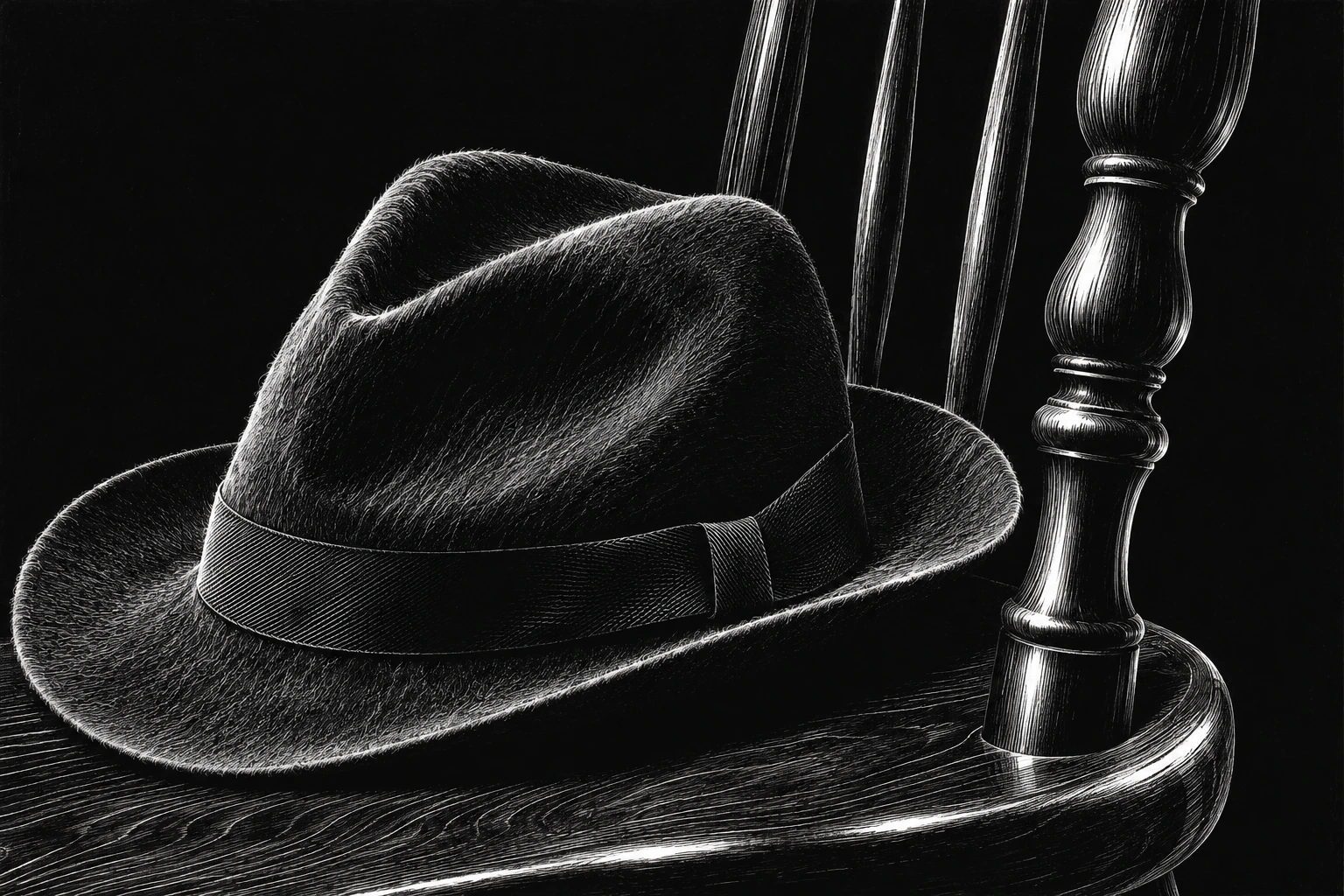
A scratchboard drawing begins with a decision about the dark. On a common black board, a thin ink layer covers a pale clay ground. A scratch lets that ground speak. Close-set scratches merge into light at a distance. An untouched patch can stand for a reflection, the hollow under a wing or a river deep enough to swallow its bank.
A visual introduction
AOI visual interpretations. The source links below lead to historical works, collection records or documented processes.
Select an image for a closer look. Use the thumbnails, arrow keys or a swipe to compare examples. Zoom in to inspect details, or share the image that inspires you.
Creative toolbox · take this style further
Choose an input and a destination. Search sends your words to the chosen site; Copy & open puts them on your clipboard to paste there.
Create with AI
Turn your chosen input into an image prompt or a new creative direction.
ChatGPT
Copy your input and paste it into a ChatGPT conversation or image request.
Copy & open ChatGPT (new tab)Claude · Anthropic
Develop an image prompt or explore the style in a new Claude conversation.
Copy & open Claude · Anthropic (new tab)Midjourney
Paste your input into the Imagine bar on the Create page.
Copy & open Midjourney (new tab)Adobe Firefly
Copy your input, open Firefly, and paste it into the prompt field.
Copy & open Adobe Firefly (new tab)Leonardo.Ai
Copy your input, open Leonardo, and paste it into the generation field.
Copy & open Leonardo.Ai (new tab)Image search
Find visual references. Short, concrete keywords usually work best.
Lexica
Search AI images and prompts using your selected input.
Search with this input Lexica (new tab)Pexels
Search the photo and video library. Short keywords often work best.
Search with this input Pexels (new tab)Pixabay
Search photos, illustrations and other images.
Search with this input Pixabay (new tab)Unsplash
Search photographs using the style name or your own keywords.
Search with this input Unsplash (new tab)Wikimedia Commons
Search photographs, artworks and historical images. Check each file for its source and reuse terms.
Search with this input Wikimedia Commons (new tab)Art & research
Explore artists, collections and the ideas behind a style.
Wikipedia
Search for background reading. A style may not have its own article.
Search with this input Wikipedia (new tab)WikiArt
Copy your input into WikiArt’s search to explore artists and artworks.
Copy & open WikiArt (new tab)Europeana
Paste your keywords into the search to explore European museum, library and archive collections.
Copy & open Europeana (new tab)Inspiration
Discover portfolios and visual ideas from creative communities.
Instagram hashtags
Search a hashtag made from your input: spaces and punctuation are removed. Instagram may require sign-in.
Search with this input Instagram hashtags (new tab)ArtStation
Paste your input into artwork search for concept art, environments, characters and visual development.
Copy & open ArtStation (new tab)Behance
Paste your input into project search for illustration, design and visual storytelling.
Copy & open Behance (new tab)A closer look
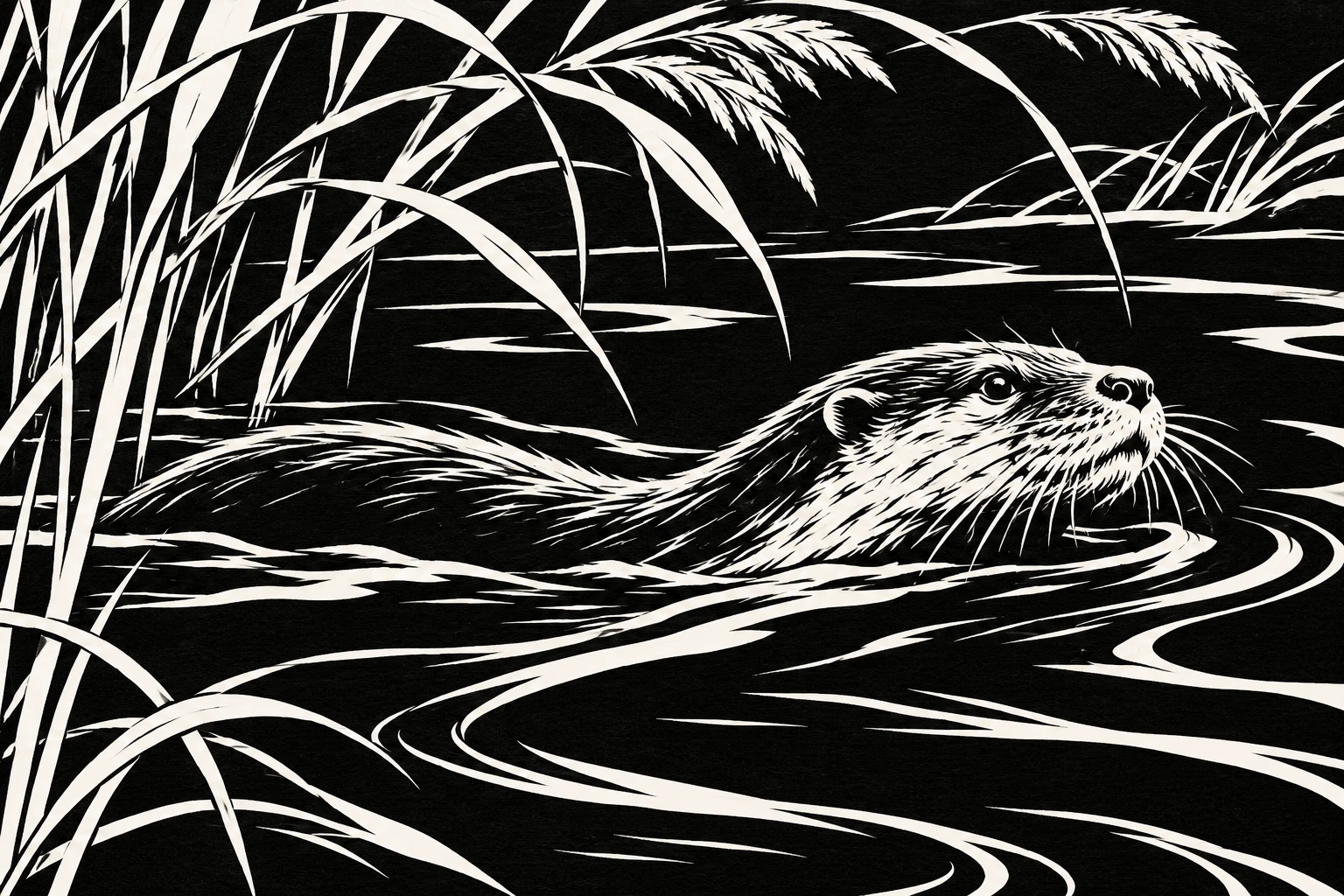
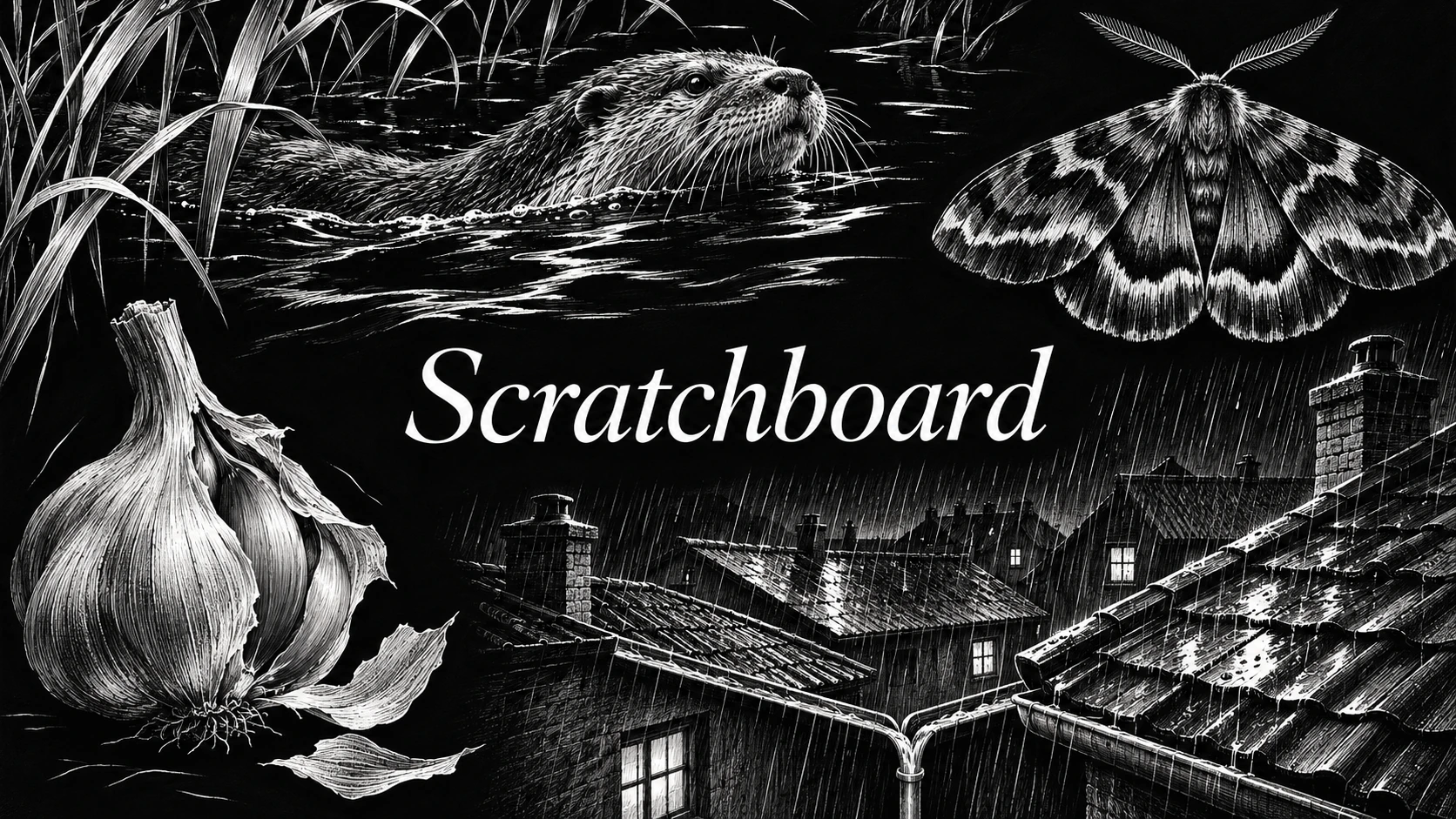
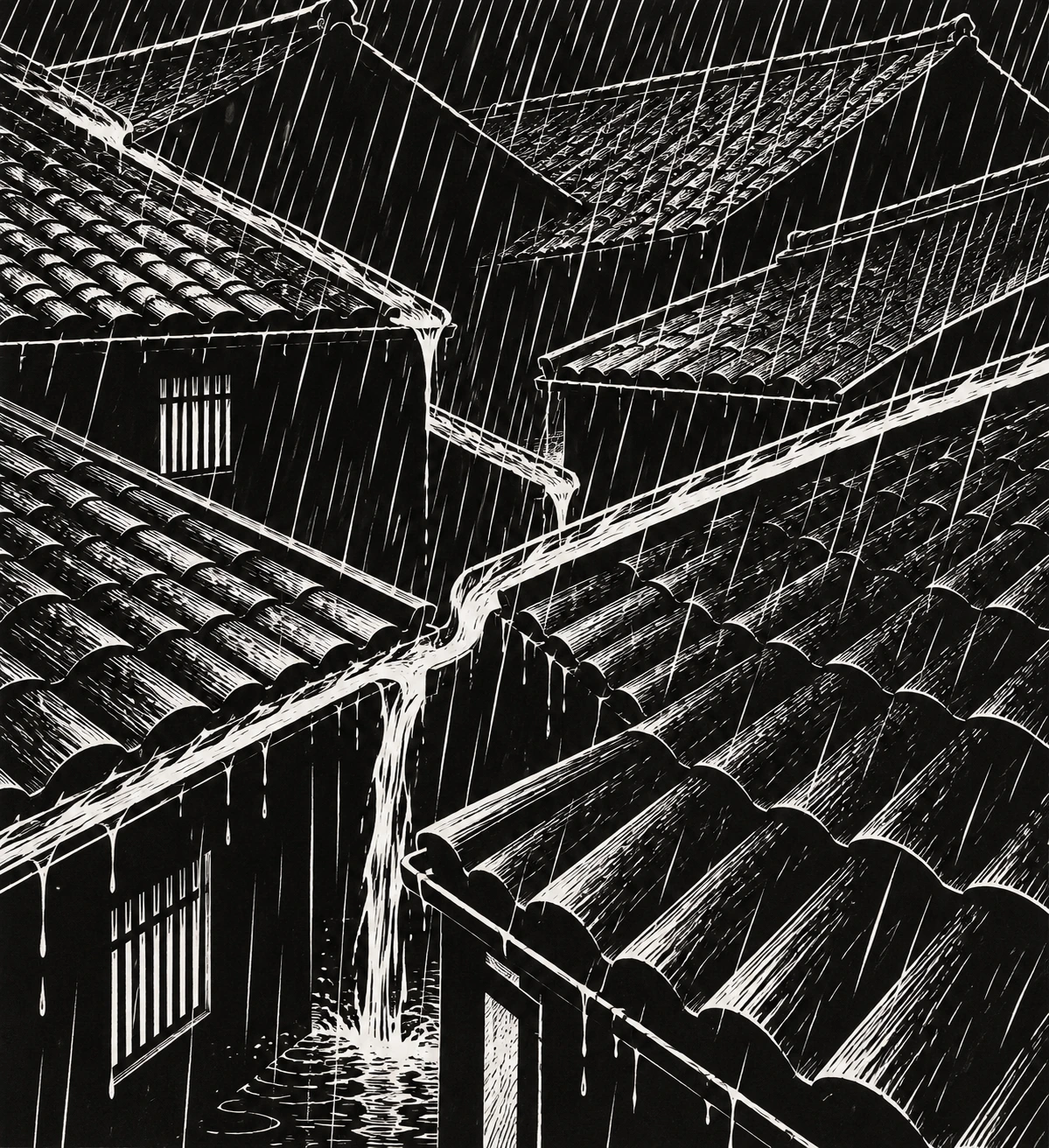
On a deep black field, narrow white incisions describe light. Their direction distinguishes fur from water, while the distance between them controls how bright a surface appears.
A line has a direction
Look at the transition from an otter’s wet shoulder to its cheek. Long strokes following the shoulder describe a surface stretched over muscle. Short crossing strokes at the cheek can make the same white material feel dry. If every stroke carries a glint, the animal looks made of wire. Leave a connected area of black running beneath the marks so that the body still has weight.
Learning from a rose
The International Society of Scratchboard Artists shows Lorna Hannett developing MaryAnn’s Rose. The petals acquire form through scratching before transparent color goes over them. Further scratches bring light back through the color. Follow one folded petal from edge to base and watch how its value changes while the hue stays relatively close. That sequence explains why a convincing digital interpretation needs a value drawing underneath its color.
Where the image lives
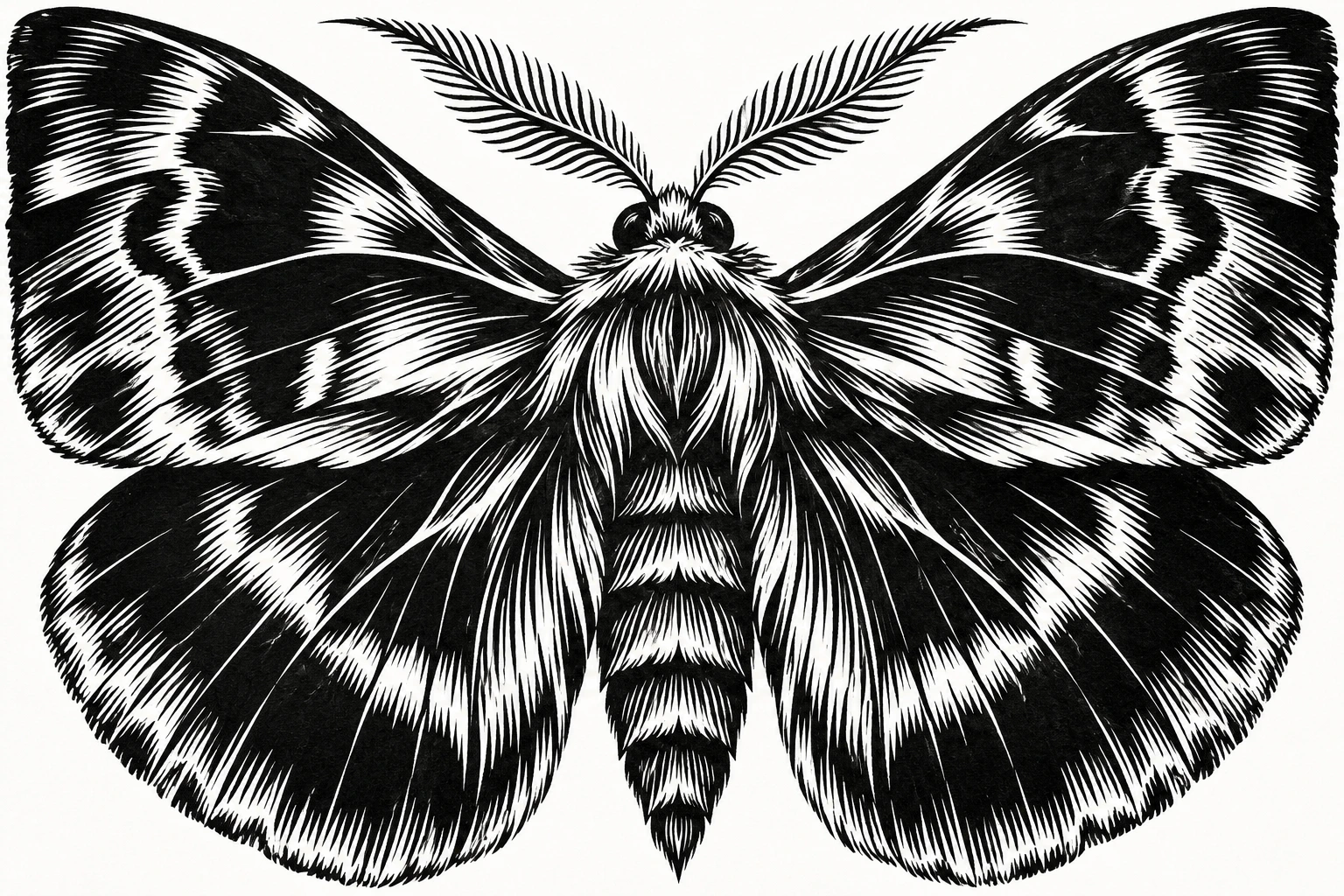
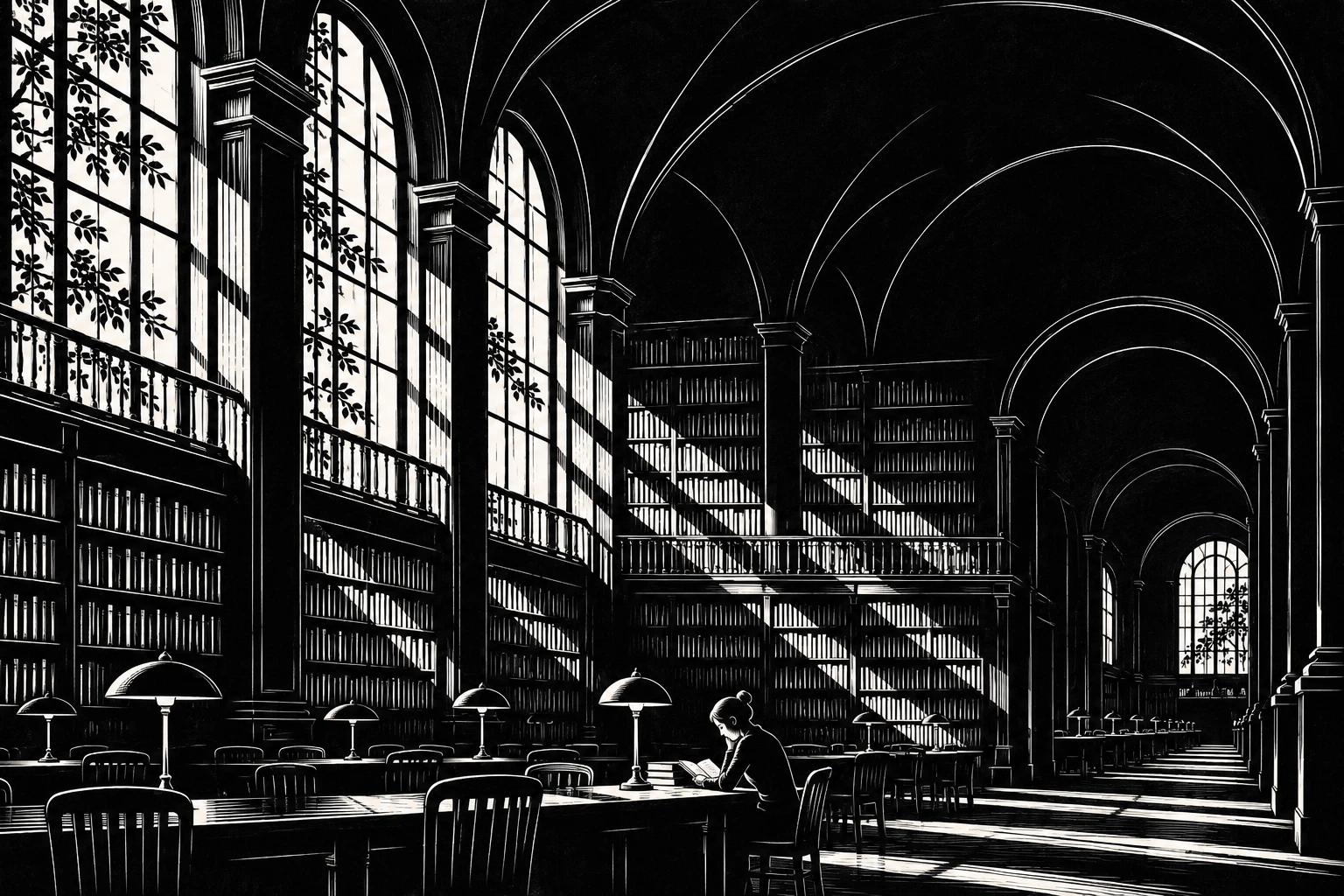
Scratchboard and a white-line woodcut can share an arresting black-and-white vocabulary. In scratchboard you look at the worked surface itself. In a woodcut you generally look at an impression transferred from an inked block. A useful prompting experiment is to exchange the moth for a reading room and keep exactly three families of scratch. Which marks still describe space when the familiar cue of fur disappears?
Three readings from Penny’s desk
These three assessments are by Penny Wraiter, the Art of AI’s fictional AI editorial voice.
Positive review · The unbroken dark gives small white cuts remarkable authority. A slender interruption can turn a flat silhouette into a wet back without drawing its entire outline.
Negative review · Equal care lavished on every hair destroys the difference between a lit edge and the rest of an animal. Choose a stretch where the fur disappears into shadow.
Neutral review · Fine incisions suit close inspection and reproduction at generous scale. A thumbnail favors boards with a simple silhouette and several genuinely dark reserves.
A small poetic detour
Original words from the AOI studio.
Poetry
River writes in black.
One white whisker parts the current.
The bank keeps the rest.
The prompt workshop
Original creative exercises. These prompts create new illustrations, not documentary evidence.
First study
Make a scratchboard pear from one white contour fragment and a cluster of closely spaced cuts near its stem. Keep the unlit side connected to the background.
Composition study
Draw a moth resting on coarse wool. Change the direction of incision where a wing crosses the fabric, keeping the wool darker than the wing.
Change one condition
Design a night library in black ink and white clay. Reduce the image to three families of scratches and see whether window light alone can suggest the height of the room.
A smile from the studio
Jokes
The easiest part of drawing a black cat at midnight is starting. The difficult part is knowing when the cat has arrived.
Sources and further exploration
International Society of Scratchboard Artists · Lorna Hannett demonstrates MaryAnn’s Rose