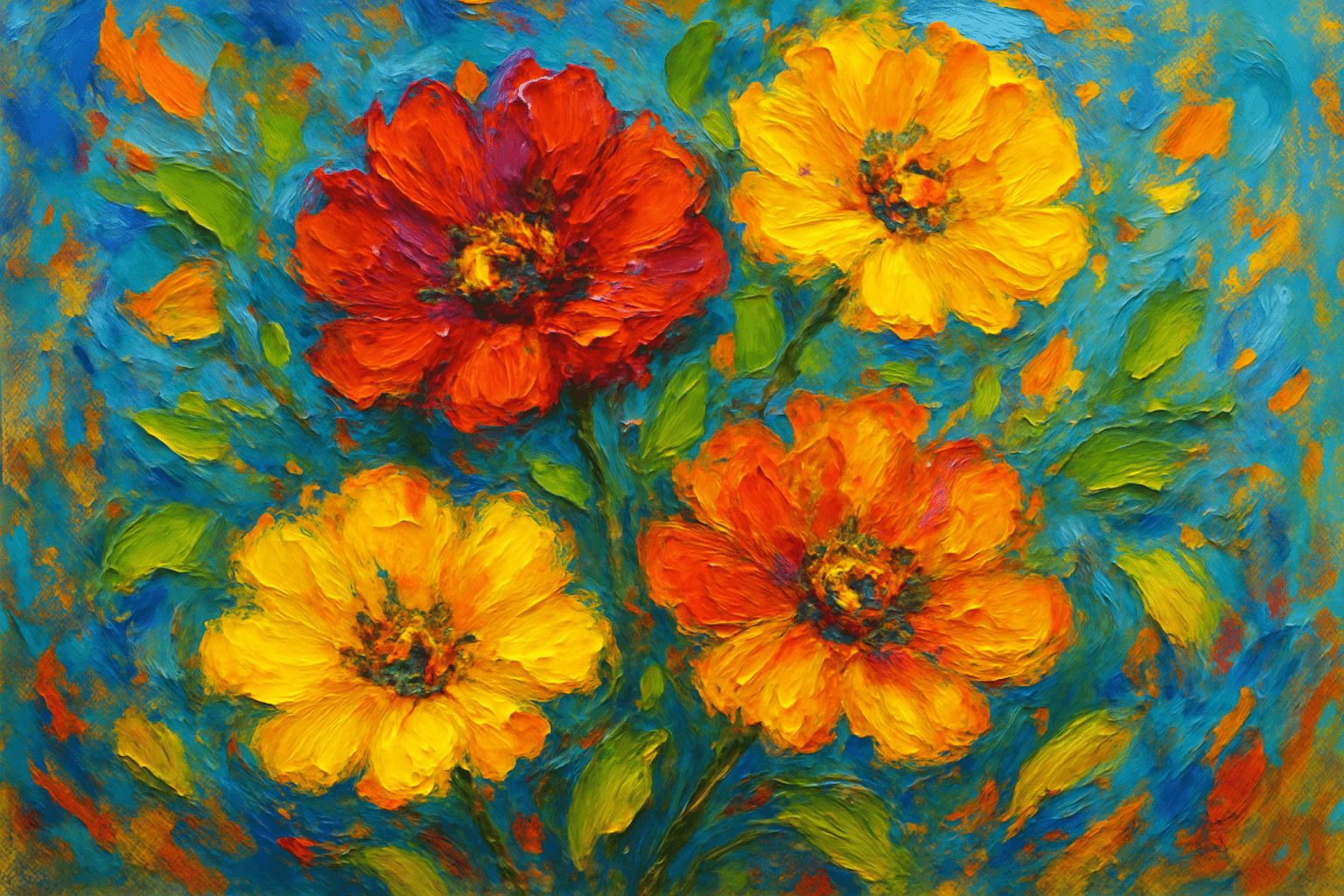
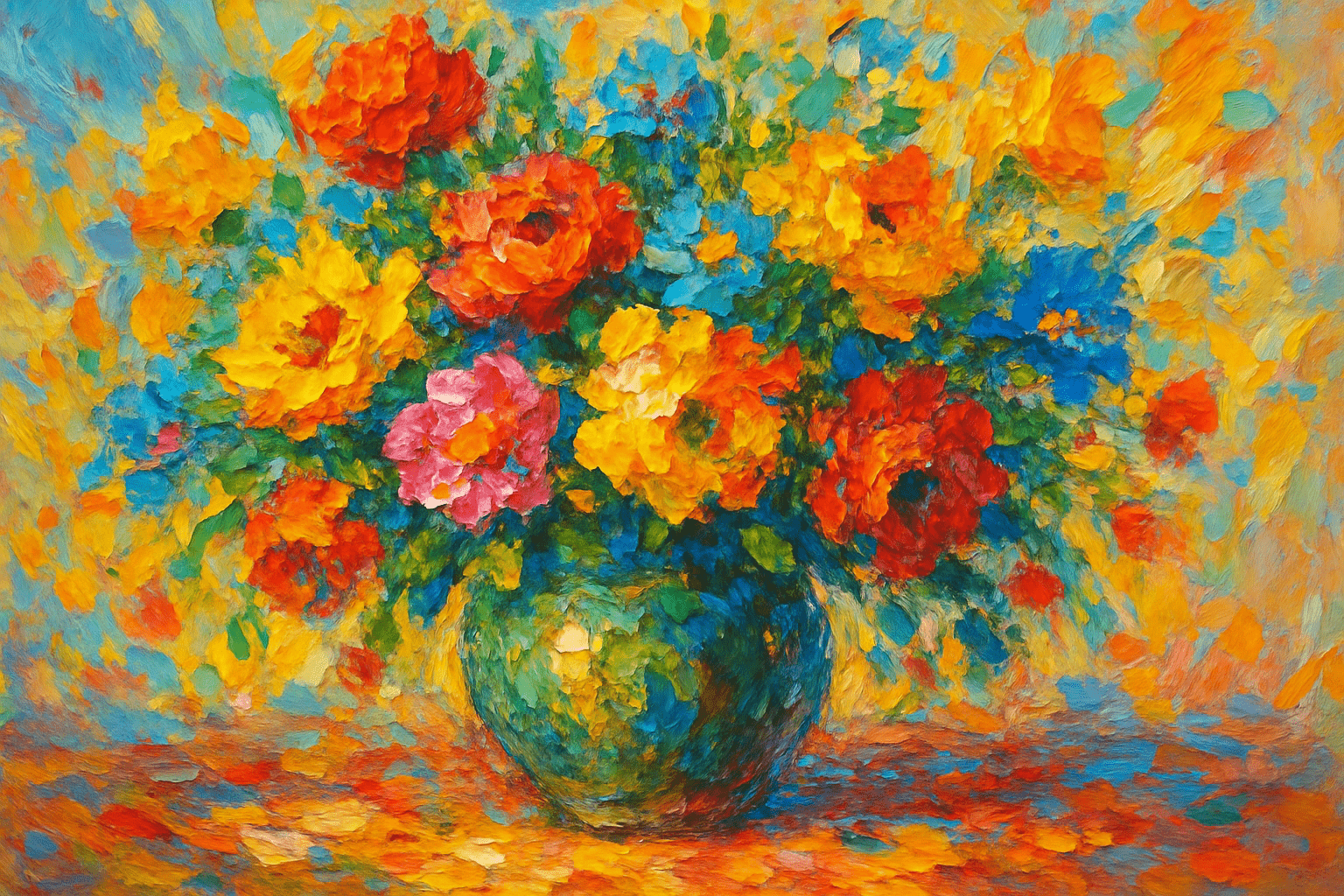
Portrait painting medium
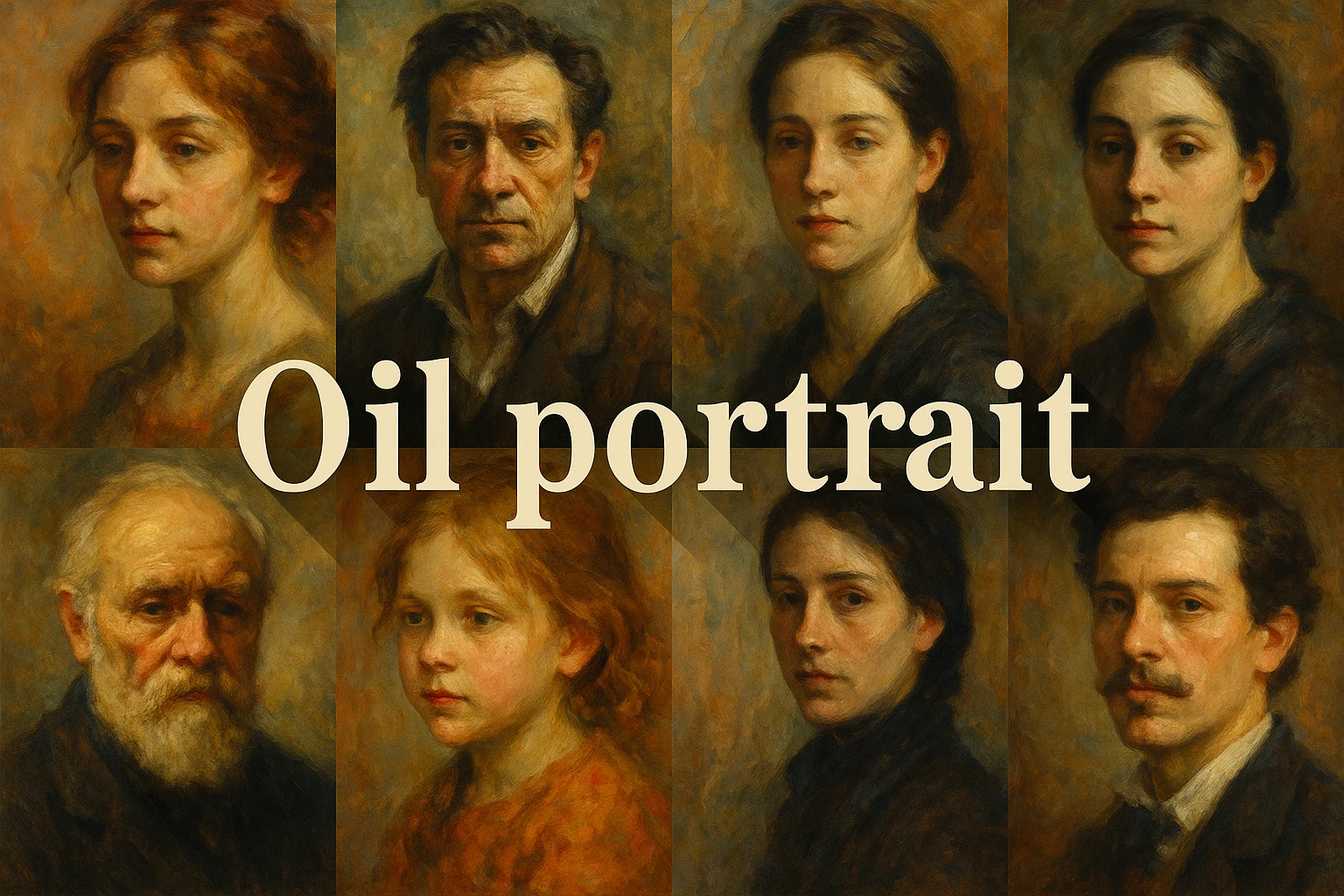
An oil portrait brings together likeness, pose, light and the physical handling of paint. Detail should serve the sitter’s presence.
A closer look
Establish the head’s overall angle and the large light-and-shadow pattern before refining features.
Understanding the subject
Oil portraiture is a medium-and-subject combination rather than one style. Artists may work with smooth transitions, visible strokes, thin layers or substantial texture. A portrait’s effect also depends on framing, gaze and the relation between face, hands and surrounding space. Highly finished skin is not the only measure of success; a few accurately placed relationships can carry more likeness than uniform detail.
AOI looking and making workshop
Establish the head’s overall angle and the large light-and-shadow pattern before refining features. Compare distances among the eyes, nose and mouth instead of treating each as an isolated symbol. Let edges vary: a cheek may merge into shadow while a collar remains sharp. Use the background to support the head’s position without forming an accidental halo. For a generated portrait, inspect anatomy and reflected light closely. An invented sitter is useful for experimentation because the goal can be presence and composition rather than an unsupported claim of likeness.
The prompt workshop
Original creative exercises. These prompts create new illustrations, not documentary evidence.
A quiet sitter
Create an original oil-portrait interpretation of an invented adult sitter in three-quarter view, soft side light, a muted green background and selective visible brushwork. Keep facial structure coherent and edges varied.
Hands and character
Create an original painted portrait of a fictional gardener seated with work-worn gloves in their lap, clear hand anatomy and warm reflected light. Let posture and objects support the portrait without clutter.
A limited palette portrait
Create an original portrait of an invented sitter using warm earth colors, black and white, broad value masses and a few precise accents. Avoid a uniformly polished or plastic skin surface.
Your next inspiration
Discover another art style
Follow a visual thread to the next subject.