
Photographic format and institutional visual history
A mugshot is an identification photograph associated with police recording, not a fine-art movement. Its frontal and profile views, restrained framing and standardized conditions have also become a recognizable visual reference in staged photography and critical art.
A visual introduction
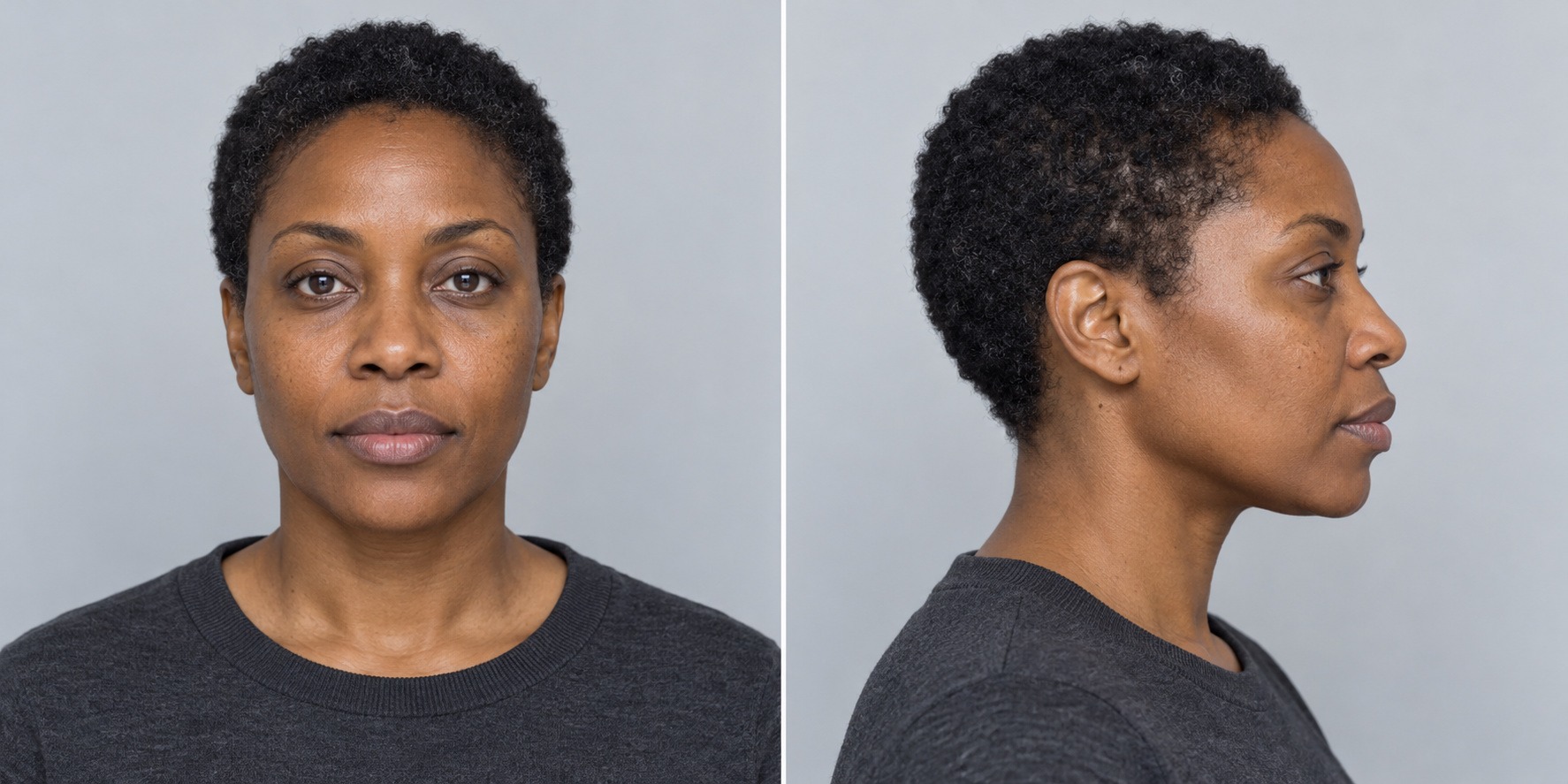
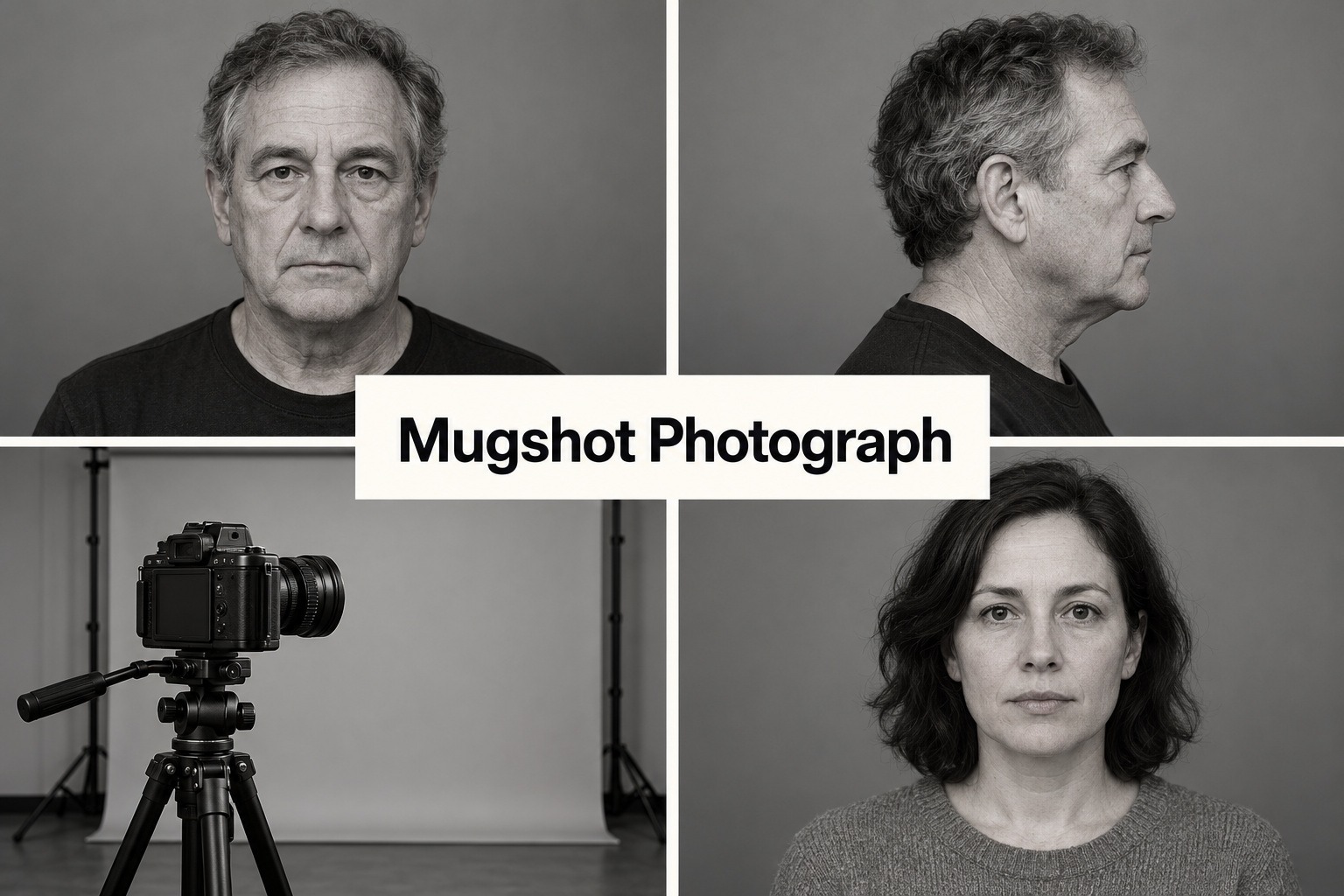
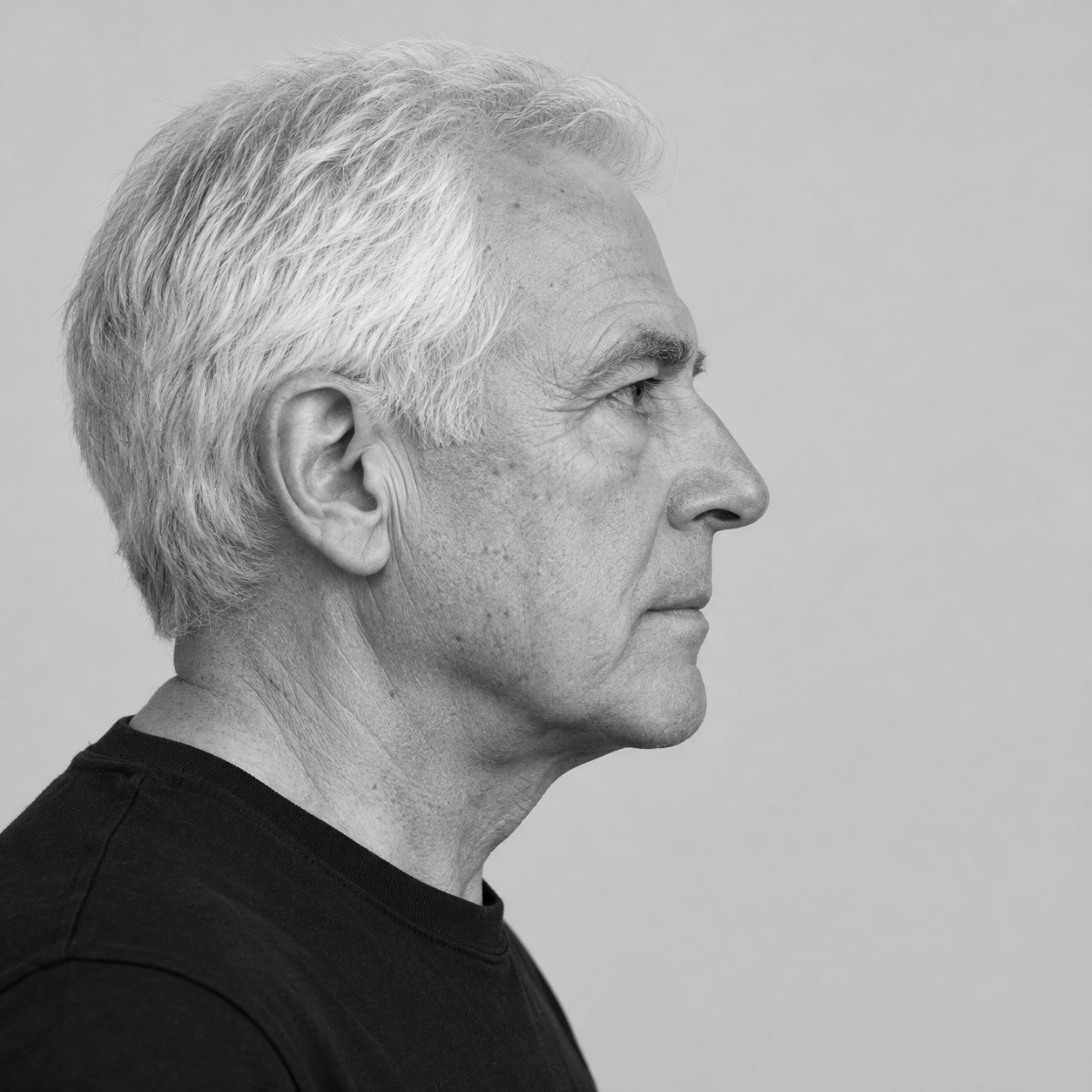
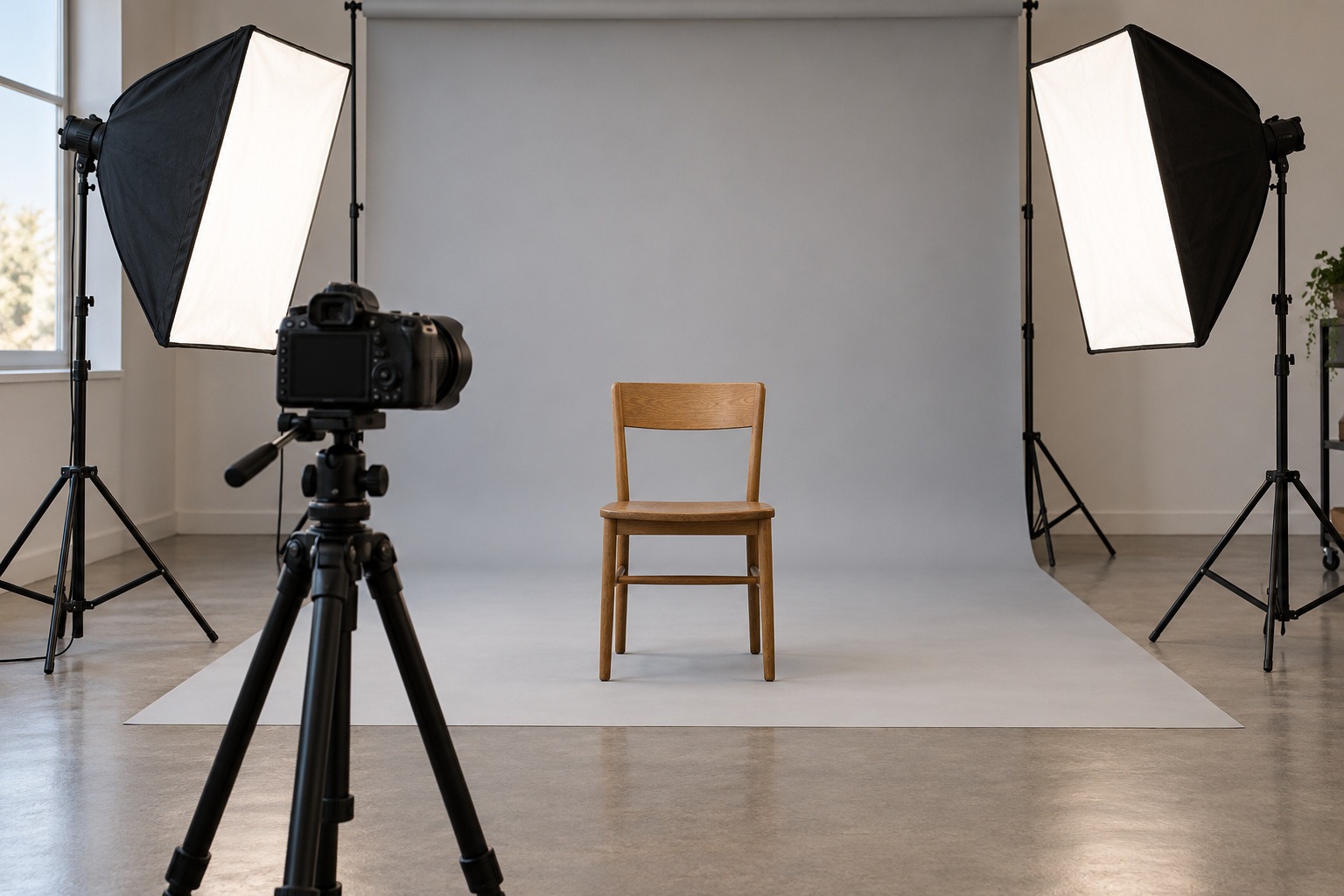
The gallery compares a paired frontal/profile demonstration, a neutral single profile, a studio arrangement and a retained theatrical illustration. All portraits shown here are illustrative AOI material, not authenticated arrest records.
Select an image for a closer look. Use the thumbnails, arrow keys or a swipe to compare examples. Zoom in to inspect details, or share the image that inspires you.

Creative toolbox · take this style further
Choose an input and a destination. Search sends your words to the chosen site; Copy & open puts them on your clipboard to paste there.
Create with AI
Turn your chosen input into an image prompt or a new creative direction.
ChatGPT
Copy your input and paste it into a ChatGPT conversation or image request.
Copy & open ChatGPT (new tab)Claude · Anthropic
Develop an image prompt or explore the style in a new Claude conversation.
Copy & open Claude · Anthropic (new tab)Midjourney
Paste your input into the Imagine bar on the Create page.
Copy & open Midjourney (new tab)Adobe Firefly
Copy your input, open Firefly, and paste it into the prompt field.
Copy & open Adobe Firefly (new tab)Leonardo.Ai
Copy your input, open Leonardo, and paste it into the generation field.
Copy & open Leonardo.Ai (new tab)Image search
Find visual references. Short, concrete keywords usually work best.
Lexica
Search AI images and prompts using your selected input.
Search with this input Lexica (new tab)Pexels
Search the photo and video library. Short keywords often work best.
Search with this input Pexels (new tab)Pixabay
Search photos, illustrations and other images.
Search with this input Pixabay (new tab)Unsplash
Search photographs using the style name or your own keywords.
Search with this input Unsplash (new tab)Wikimedia Commons
Search photographs, artworks and historical images. Check each file for its source and reuse terms.
Search with this input Wikimedia Commons (new tab)Art & research
Explore artists, collections and the ideas behind a style.
Wikipedia
Search for background reading. A style may not have its own article.
Search with this input Wikipedia (new tab)WikiArt
Copy your input into WikiArt’s search to explore artists and artworks.
Copy & open WikiArt (new tab)Europeana
Paste your keywords into the search to explore European museum, library and archive collections.
Copy & open Europeana (new tab)Inspiration
Discover portfolios and visual ideas from creative communities.
Instagram hashtags
Search a hashtag made from your input: spaces and punctuation are removed. Instagram may require sign-in.
Search with this input Instagram hashtags (new tab)ArtStation
Paste your input into artwork search for concept art, environments, characters and visual development.
Copy & open ArtStation (new tab)Behance
Paste your input into project search for illustration, design and visual storytelling.
Copy & open Behance (new tab)A closer look
Direct frontal or strict profile views, consistent head size, plain backgrounds and legible facial contours distinguish the format. Neutral illumination serves comparison; dramatic shadows and distressed styling belong to particular interpretations rather than universal requirements.
A recording format with a visual history
A mugshot photograph is made within a system of identification and record keeping. It is not defined by a striped uniform, an angry expression or a numbered board. Those elements occur in some records and in popular imagery, but they are not a universal checklist. Front and profile views are especially recognizable because they present complementary information about the same face under comparable conditions.
An art guide must distinguish three things: an actual institutional record, a historical photograph studied as an object, and a staged or generated image borrowing the format. Their similar appearance does not give them the same evidential status. A face in this layout does not establish guilt, character or a person’s history. The illustrations here are visual studies and must not be used as evidence of an arrest.
Bertillon and standardization
The Metropolitan Museum of Art explains that Alphonse Bertillon’s system combined bodily measurements, verbal description and standardized photographs. Its circa-1893 albumen print documenting his studio technique shows the identification process itself. The paired full-face and profile portrait was part of that larger administrative system, rather than a decorative portrait convention.
The National Library of Medicine dates the Paris police adoption of Bertillon’s anthropometric system to 1883. It also explains practical problems: measurements depended on equipment, training and consistent technique. Fingerprinting later displaced much of the measurement system, while photographic records remained. These sources support a history of standardization; they do not make every later mugshot procedure identical or validate judging someone’s behavior from facial appearance.
The grammar of comparability
For a fictional studio exercise, begin with a plain background and a stable camera position. Keep head size, eye height, clothing and lighting consistent across the pair. A frontal view should read directly; a profile should show the contour without drifting into a flattering three-quarter angle. Leave sufficient room around the head and shoulders so the crop does not conceal the feature being compared.
Use even light when the purpose is legibility. Deep shadows, a tilted camera and a heavily aged surface produce a different, more theatrical reading. They can be valid artistic choices if identified as such, but they should not be mistaken for necessary features of identification photography. Color and black-and-white treatments can both explore the format. The relationship between views matters more than a generic gritty finish.
What a caption changes
A sparse portrait can appear neutral until a title, number or surrounding archive gives it an institutional role. That shift is a useful subject for critical photography: the frame classifies as well as displays. A staged project can examine this effect without inventing a real criminal allegation. Use consenting participants or clearly fictional subjects, and describe the work’s status where viewers will encounter the image.
Historical photographs require their own context: maker or institutional attribution, date when known, collection and the limits of what the record establishes. Do not replace missing context with a melodramatic story about the sitter. The retained stylized portrait in this gallery is an AOI illustration, not an authenticated police record. Its dramatic treatment provides a comparison with the more neutral new studies.
Prompts and close review
Describe viewpoint, head scale, background and illumination before asking for atmosphere. In a generated pair, check that the two views plausibly depict the same fictional person: hairline, ear, clothing and face proportions should agree. Avoid invented case numbers, official seals and captions that imply a real event. An image may teach the format while remaining explicitly illustrative; it should never pretend to be a verified identification document.
About this guide
This AI-authored AOI guide appears under Penny Wraiter, AOI’s editorial persona. Sources support the historical context; exercises, prompts and poetry are original editorial interpretations. Image captions distinguish generated studies from documented works.
Separate a formal study from an allegation
A fictional portrait can explore standardized framing without inventing a criminal record for its subject. Use an invented adult character and describe the image as staged. Avoid adding a real person’s name, an official-looking case number or a fabricated accusation merely to make the composition feel convincing.
For a formal comparison, keep camera height, distance, background and illumination stable while changing only the pose. Then make a second pair in which the lighting changes. The exercise reveals how much of the apparently neutral impression depends on photographic decisions.
When presenting an actual historical photograph, retain its documented context and distinguish a collection description from conclusions about the person. Identification imagery carries institutional authority; a caption should make that authority available for scrutiny rather than silently reproducing it.
A small poetic detour
Original words from the AOI studio.
Poetry
Two views align upon the page,
A measured space around a face;
No frame can tell a person’s age
Of grief, or name an inward place.
The light describes an ear, a line,
The paper keeps what it can show;
The rest is not the lens’s sign,
And looking is not all we know.
The prompt workshop
Original creative exercises. These prompts create new illustrations, not documentary evidence.
Compare front and profile
Fictional studio identification-format study of one invented adult, shown in two equal panels: exact frontal view and exact right profile. Match head size, eye height, hair and plain clothing. Even diffuse light, neutral gray background, clear natural facial detail. No numbers, official seals, injuries or arrest claims.
Explore the record’s quiet geometry
Black-and-white photographic study of a fictional older adult in a plain dark shirt, neutral expression, isolated profile against pale gray. Precise contour, moderate contrast, consistent sharpness, generous space in front of the face. A staged visual study, not an actual police record; no lettering or dramatic crime props.
Show the apparatus, not a suspect
An empty studio arranged for an identification-portrait demonstration: a simple chair faces a tripod camera beside a plain gray backdrop and two diffuse lights. Quiet architectural photograph, parallel verticals, restrained neutral palette, clear spatial relationship. No person, labels, police logos or case documents.
A smile from the studio
Jokes
The studio’s most demanding instruction was “keep the framing consistent.” Even the tripod took it personally.