
Established
Gorpcore brings the forms and textures of outdoor clothing into everyday fashion. A roomy shell, fleece pile, articulated trousers and substantial shoes create a silhouette that suggests weather, movement and practical ingenuity.
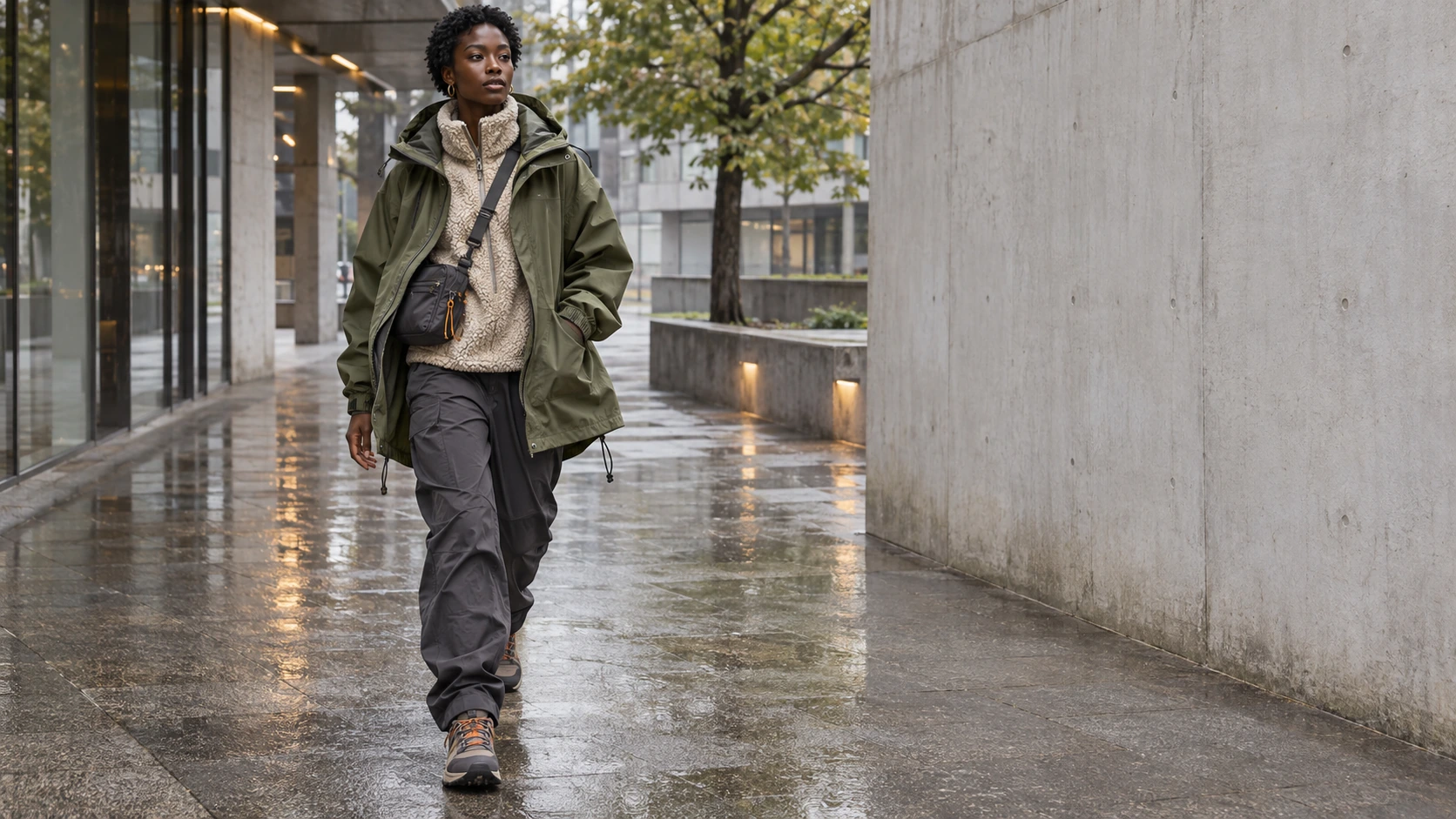
A visual introduction
Five original AI-generated studies explore this subject through a banner, a titled collage and three standalone examples.
Select an image for a closer look. Use the thumbnails, arrow keys or a swipe to compare examples. Zoom in to inspect details, or share the image that inspires you.
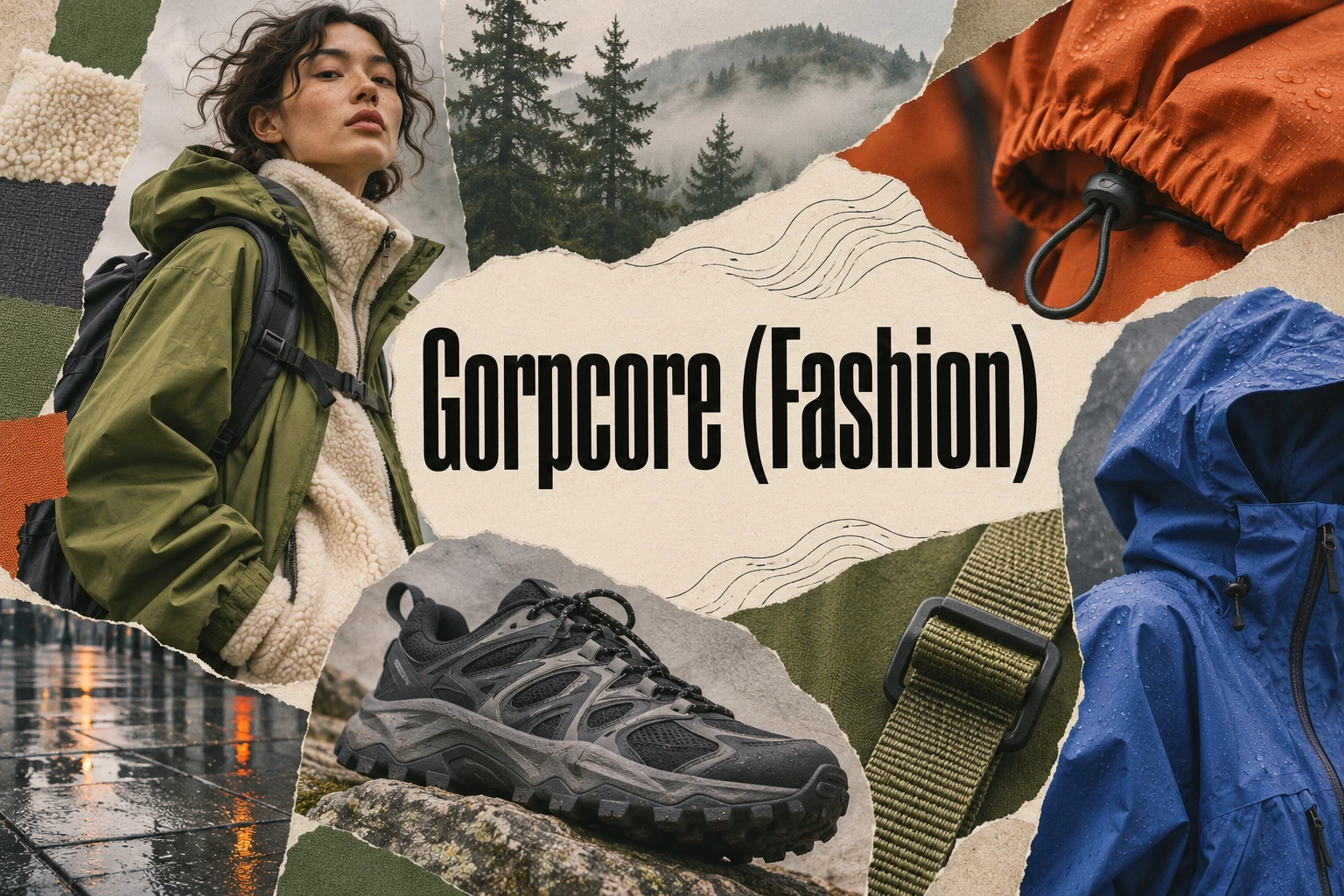
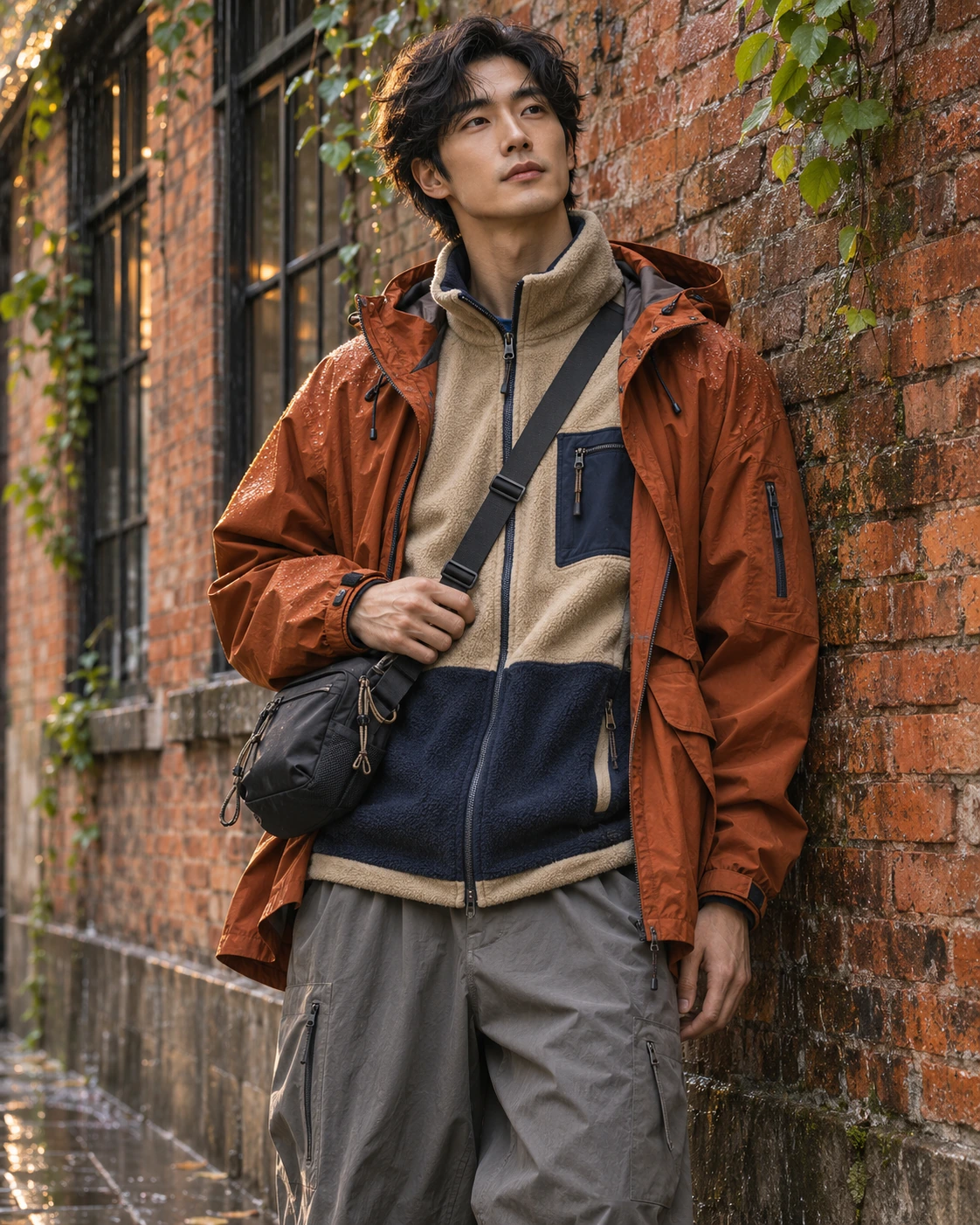
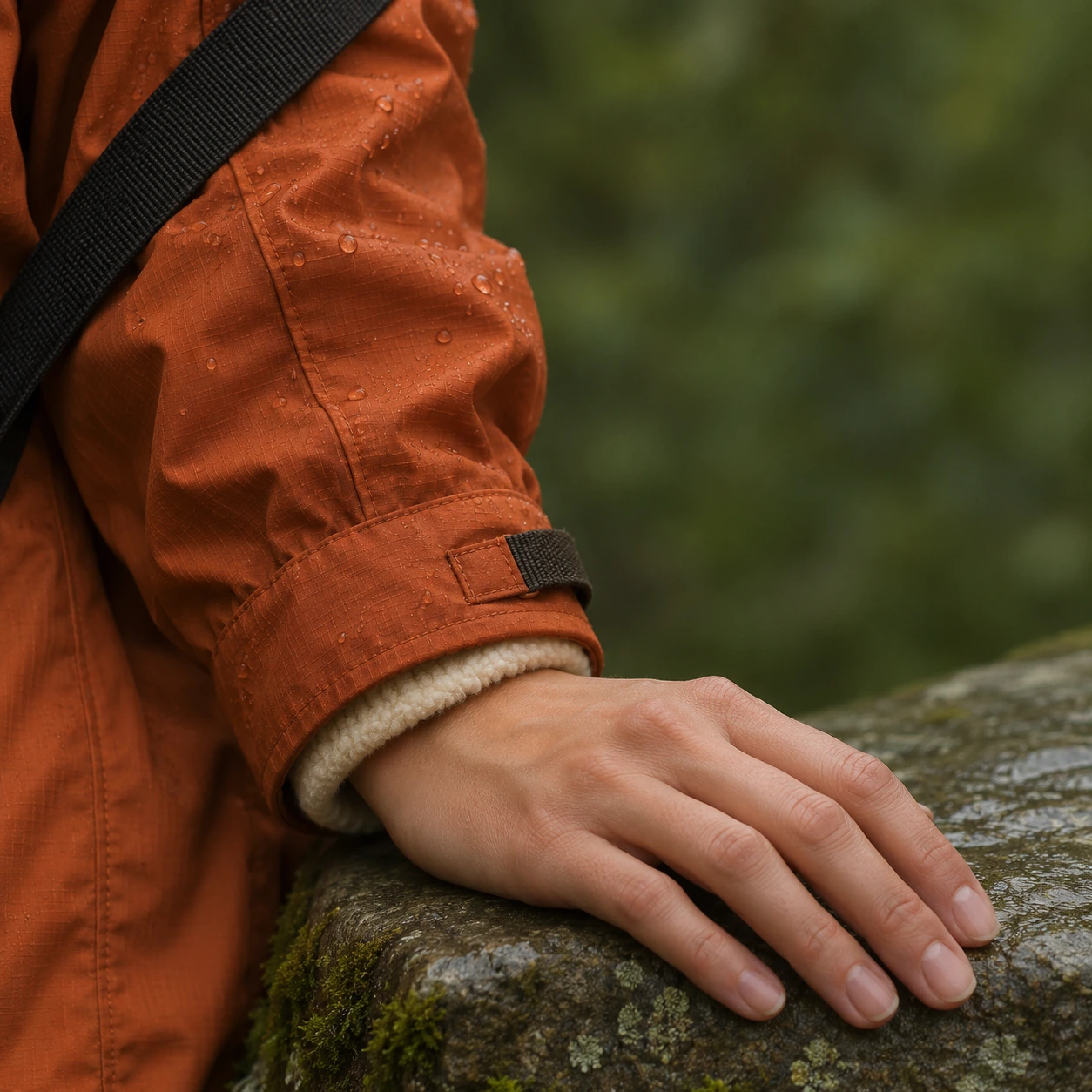
Creative toolbox · take this style further
Choose an input and a destination. Search sends your words to the chosen site; Copy & open puts them on your clipboard to paste there.
Create with AI
Turn your chosen input into an image prompt or a new creative direction.
ChatGPT
Copy your input and paste it into a ChatGPT conversation or image request.
Copy & open ChatGPT (new tab)Claude · Anthropic
Develop an image prompt or explore the style in a new Claude conversation.
Copy & open Claude · Anthropic (new tab)Midjourney
Paste your input into the Imagine bar on the Create page.
Copy & open Midjourney (new tab)Adobe Firefly
Copy your input, open Firefly, and paste it into the prompt field.
Copy & open Adobe Firefly (new tab)Leonardo.Ai
Copy your input, open Leonardo, and paste it into the generation field.
Copy & open Leonardo.Ai (new tab)Image search
Find visual references. Short, concrete keywords usually work best.
Lexica
Search AI images and prompts using your selected input.
Search with this input Lexica (new tab)Pexels
Search the photo and video library. Short keywords often work best.
Search with this input Pexels (new tab)Pixabay
Search photos, illustrations and other images.
Search with this input Pixabay (new tab)Unsplash
Search photographs using the style name or your own keywords.
Search with this input Unsplash (new tab)Wikimedia Commons
Search photographs, artworks and historical images. Check each file for its source and reuse terms.
Search with this input Wikimedia Commons (new tab)Art & research
Explore artists, collections and the ideas behind a style.
Wikipedia
Search for background reading. A style may not have its own article.
Search with this input Wikipedia (new tab)WikiArt
Copy your input into WikiArt’s search to explore artists and artworks.
Copy & open WikiArt (new tab)Europeana
Paste your keywords into the search to explore European museum, library and archive collections.
Copy & open Europeana (new tab)Inspiration
Discover portfolios and visual ideas from creative communities.
Instagram hashtags
Search a hashtag made from your input: spaces and punctuation are removed. Instagram may require sign-in.
Search with this input Instagram hashtags (new tab)ArtStation
Paste your input into artwork search for concept art, environments, characters and visual development.
Copy & open ArtStation (new tab)Behance
Paste your input into project search for illustration, design and visual storytelling.
Copy & open Behance (new tab)A closer look
Follow the changing surfaces from a crisp hood to a soft fleece collar, then down to the patterned sole. Gorpcore becomes visually convincing through layers, adjustment points and the way cloth folds around a moving body.
Outdoor clothing enters the city
Jason Chen introduced the name in The Cut in May 2017. The term identifies a fashion aesthetic whose wardrobe draws heavily on outdoor recreation. In this entry, AOI uses it as a direction for fashion imagery, textile studies and character styling.
The interesting visual event is the meeting of garment and setting. A storm-colored shell can echo a concrete station, while a small orange zipper becomes the brightest thing in the frame. The clothing carries associations with walking and weather even when the wearer is buying groceries. A convincing picture gives that encounter a particular place and moment.
Read a garment before adding accessories
Begin with the hood, shoulders and hem. An ample shell produces broad, angular folds. Fleece gives the neck and chest a softer edge. A cinched hem changes the waist silhouette and lets a longer layer appear underneath. Relaxed trousers then balance the volume above, while a substantial shoe finishes the outline near the ground.
Use pockets and fastenings as part of the construction. A pocket opening needs an accessible direction. A zipper should connect two plausible panels. A drawcord should emerge from a hem or hood channel. These small relationships tell the viewer that the clothing could be worn. Too many disconnected buckles turn an ordinary outfit into a heap of unexplained hardware.
Texture gives the palette depth
A limited palette can remain rich when its surfaces differ. Try a moss shell over oatmeal fleece and charcoal trousers, then repeat a small rust accent at the shoe or bag. Overcast light makes the texture changes easy to compare. Harder backlight can reveal fine droplets and the thin edge of a hood.
Patagonia's account of fleece development describes experiments with pile fabrics and collaboration with Malden Mills. It offers a useful material history behind a familiar fashion surface. In an illustration, distinguish pile from knit, smooth woven shell fabric and rubber. A synthetic image's appearance alone cannot establish a garment's waterproofing or other performance properties.
Three ways to compose the look
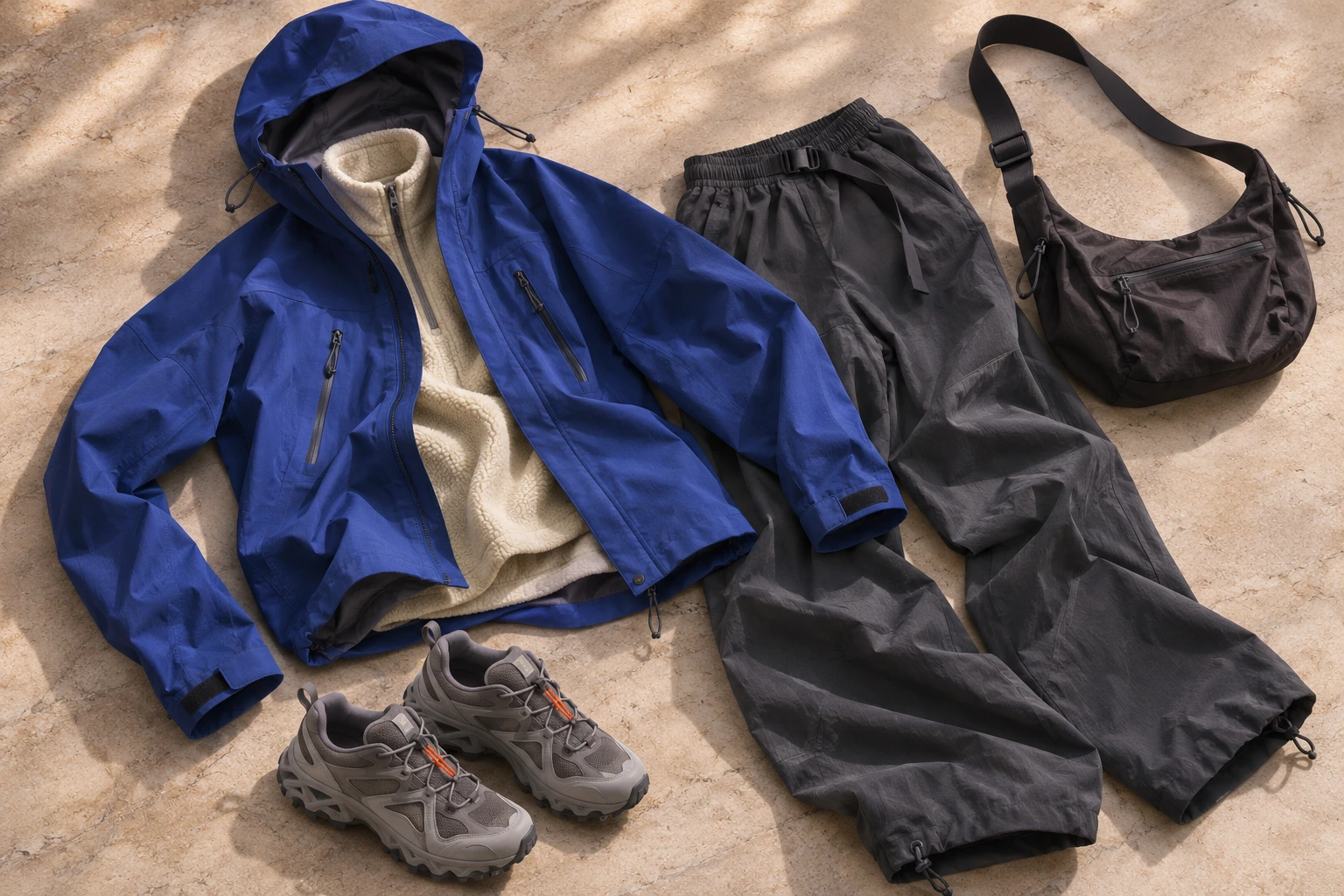
A full-length city portrait shows proportion, layering and the weight of the shoes. Leave enough space below the feet to read the ground. A close detail can isolate a cuff, drawcord and fleece edge, showing why contrasting materials matter. A laid-out outfit turns clothing into an arrangement of shapes, with a sleeve or trouser leg carrying the eye across the frame.
Our AI-generated showcase uses a wet urban passage, a warmer layered portrait, a fabric-and-fastener detail and a carefully arranged still life. The central collage brings those scales together. Invented, unbranded clothing lets the construction and styling carry the images.
Keep the wearer present
Let a person bend an elbow, shift a bag or lean into the weather. Those gestures explain where the garment has ease and where it pulls. A static fashion pose can still work, but the hands, cuffs and pockets should agree about what the body is doing.
Gorpcore becomes repetitive when every scene combines identical gray rocks, immaculate jackets and empty mountain views. Change the context or the emotional register. A repaired cuff on a commuter, soft fleece at a kitchen table or bright technical fabric beside a brick wall can make the clothing feel lived in. Reuse and repair can be part of the styling story when the image actually shows them.
A small poetic detour
Original words from the AOI studio.
Poetry
Rain beads along a shoulder seam.
The tram arrives in silver light.
A fleece cuff holds a little warmth
against the ordinary night.
One orange cord, one muddy sole,
and all the weather on the way home.
The prompt workshop
Original creative exercises. These prompts create new illustrations, not documentary evidence.
A walk through the city
Create a full-length fashion photograph of an invented adult wearing a moss shell jacket over oatmeal fleece, relaxed charcoal trousers and sturdy trail-inspired shoes. Wet brick pavement, overcast daylight, a natural walking pose and coherent pockets and seams. Unbranded clothing.
A study of three textures
Photograph an original outdoor-inspired outfit detail where a crisp rust-colored shell cuff, soft cream fleece and black woven bag strap meet. Show the hand naturally emerging from the sleeve. Quiet light, precise construction, tactile surface differences.
An outfit as a composition
Arrange an unbranded cobalt shell, pale fleece, charcoal trousers and textured walking shoes on a warm stone-colored surface. Make sleeves and cords lead through the still life. Use one orange accent and preserve plausible garment construction.
Your next inspiration
Discover another art style
Follow a visual thread to the next subject.

A smile from the studio
Jokes
I dressed for unpredictable conditions, packed an extra layer and checked every fastening. The expedition reached the bakery at 9:07. The only serious equipment failure was the paper bag beneath the warm croissant.