
Photography: low-angle natural light
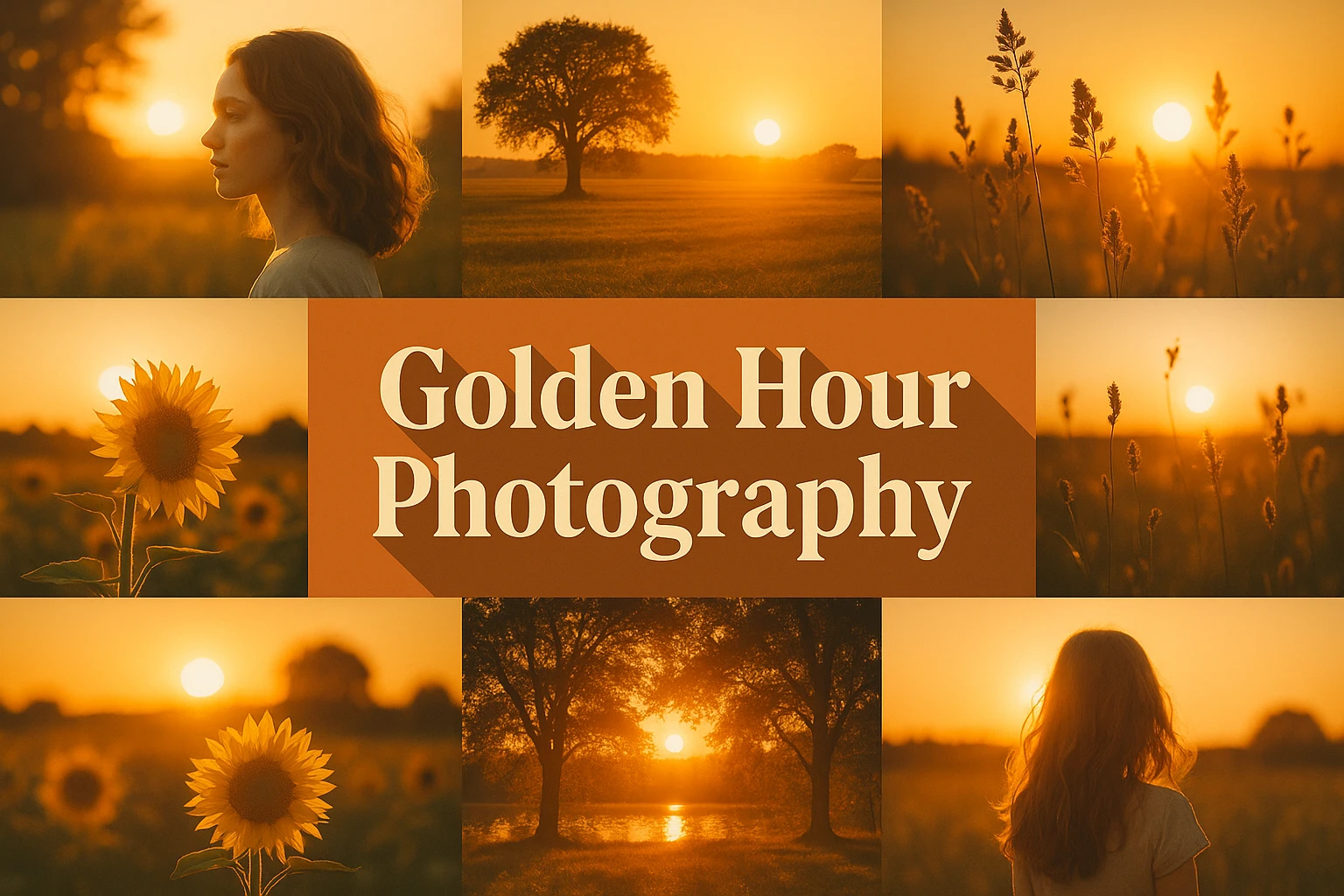
Golden hour photography uses the warm, low-angle sunlight near sunrise or sunset. Its strength lies in directional light, long shadows and changing atmosphere—not simply making every color orange.
A visual introduction
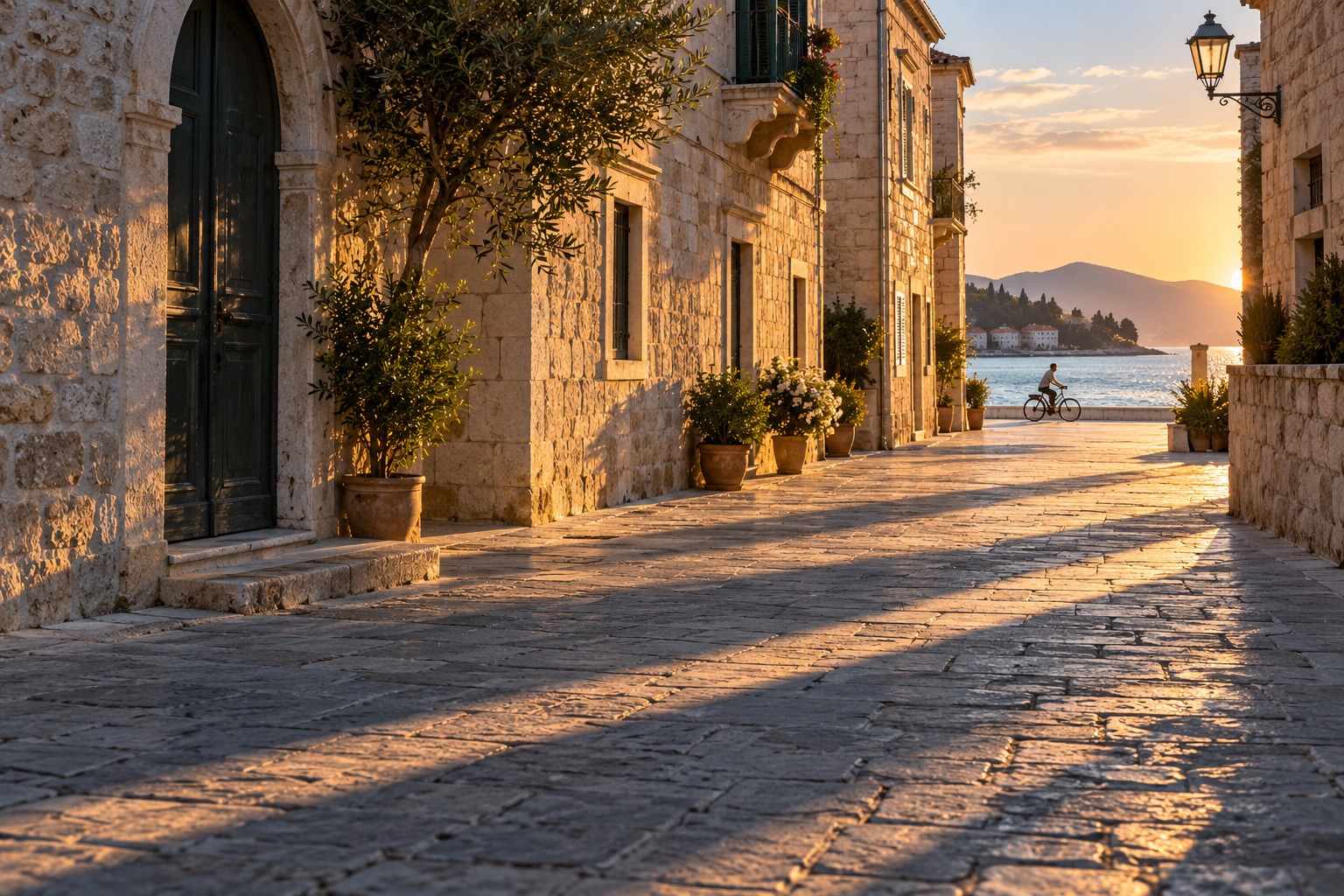
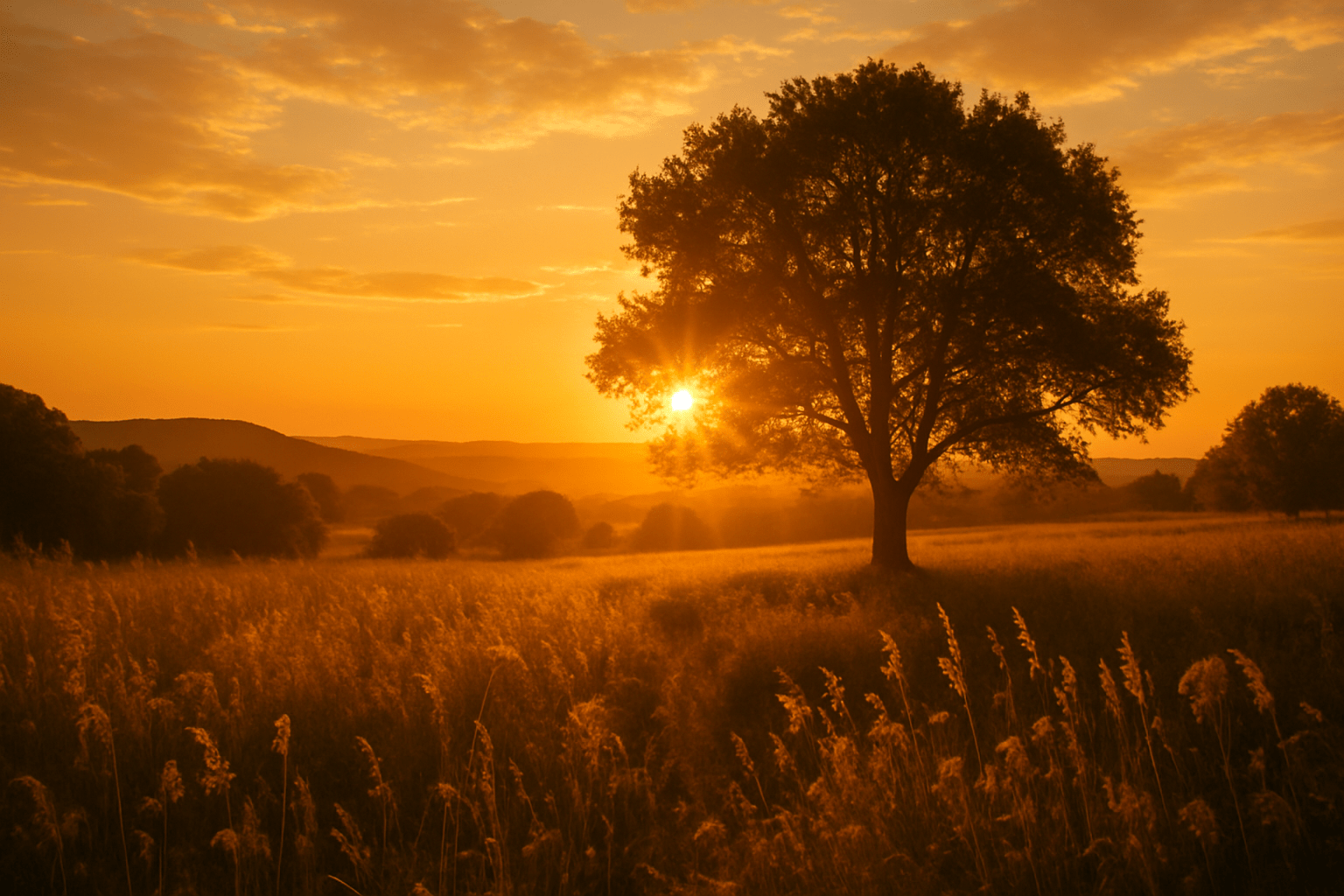
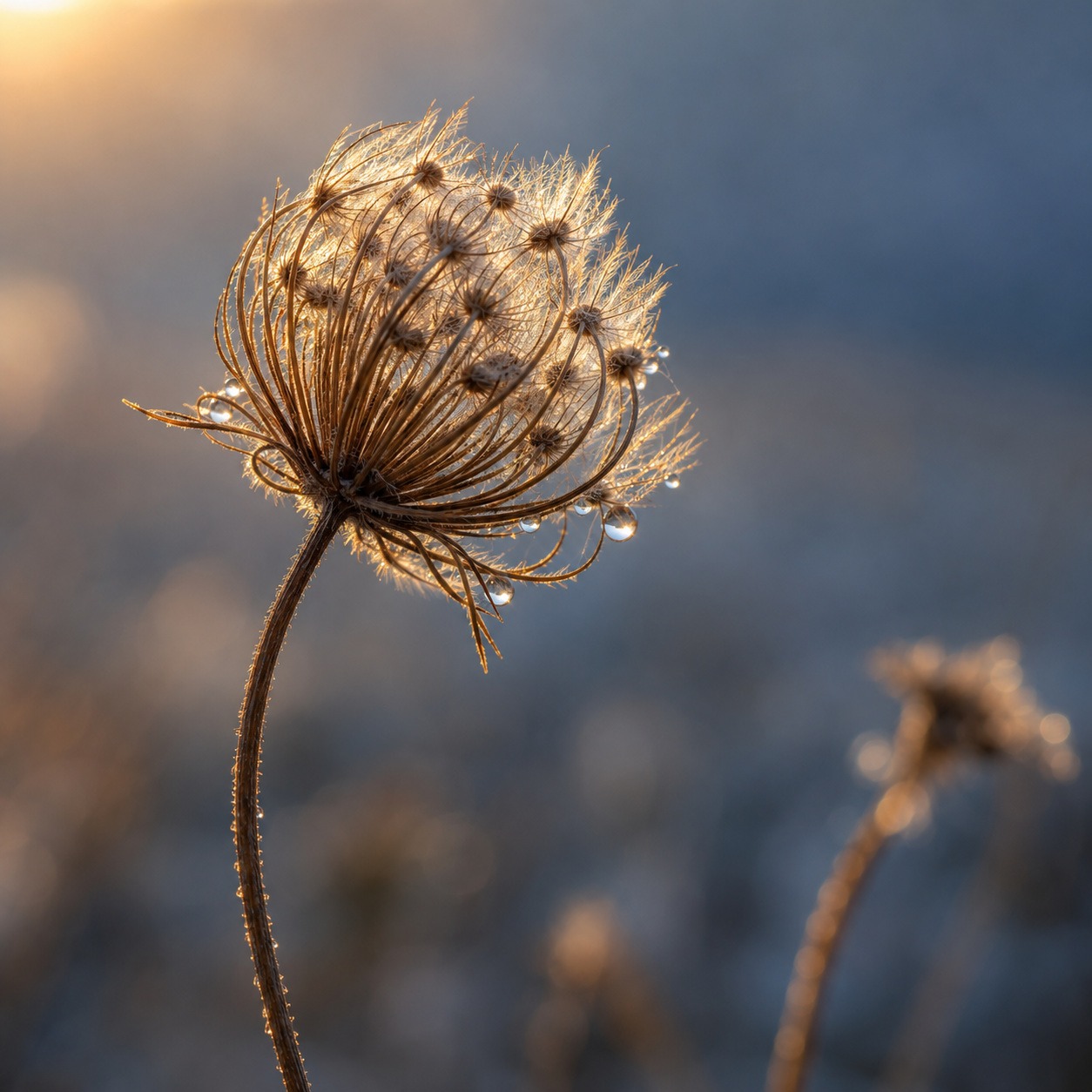
Landscape, street, portrait and close natural detail demonstrate different uses of low-angle light. These are generated photographic interpretations, not documentary photographs with recorded camera settings.
Select an image for a closer look. Use the thumbnails, arrow keys or a swipe to compare examples. Zoom in to inspect details, or share the image that inspires you.
Creative toolbox · take this style further
Choose an input and a destination. Search sends your words to the chosen site; Copy & open puts them on your clipboard to paste there.
Create with AI
Turn your chosen input into an image prompt or a new creative direction.
ChatGPT
Copy your input and paste it into a ChatGPT conversation or image request.
Copy & open ChatGPT (new tab)Claude · Anthropic
Develop an image prompt or explore the style in a new Claude conversation.
Copy & open Claude · Anthropic (new tab)Midjourney
Paste your input into the Imagine bar on the Create page.
Copy & open Midjourney (new tab)Adobe Firefly
Copy your input, open Firefly, and paste it into the prompt field.
Copy & open Adobe Firefly (new tab)Leonardo.Ai
Copy your input, open Leonardo, and paste it into the generation field.
Copy & open Leonardo.Ai (new tab)Image search
Find visual references. Short, concrete keywords usually work best.
Lexica
Search AI images and prompts using your selected input.
Search with this input Lexica (new tab)Pexels
Search the photo and video library. Short keywords often work best.
Search with this input Pexels (new tab)Pixabay
Search photos, illustrations and other images.
Search with this input Pixabay (new tab)Unsplash
Search photographs using the style name or your own keywords.
Search with this input Unsplash (new tab)Wikimedia Commons
Search photographs, artworks and historical images. Check each file for its source and reuse terms.
Search with this input Wikimedia Commons (new tab)Art & research
Explore artists, collections and the ideas behind a style.
Wikipedia
Search for background reading. A style may not have its own article.
Search with this input Wikipedia (new tab)WikiArt
Copy your input into WikiArt’s search to explore artists and artworks.
Copy & open WikiArt (new tab)Europeana
Paste your keywords into the search to explore European museum, library and archive collections.
Copy & open Europeana (new tab)Inspiration
Discover portfolios and visual ideas from creative communities.
Instagram hashtags
Search a hashtag made from your input: spaces and punctuation are removed. Instagram may require sign-in.
Search with this input Instagram hashtags (new tab)ArtStation
Paste your input into artwork search for concept art, environments, characters and visual development.
Copy & open ArtStation (new tab)Behance
Paste your input into project search for illustration, design and visual storytelling.
Copy & open Behance (new tab)A closer look
Warm highlights meet cooler shade; long shadows describe terrain, rim light separates silhouettes and low sun reveals surface texture. Front, side and backlighting produce distinctly different pictures.
A lighting condition, not a fixed sixty minutes
Golden hour is the familiar photographic name for the warm, low sunlight around the beginning or end of the day. It is not a historical movement, a camera mode or a guaranteed hour on the clock. Latitude, season, terrain and weather affect how long useful light lasts and whether it reaches the subject at all. A hill or building can block the sun before the horizon does.
Distinguish this from blue hour, when the sun is below the horizon and cooler ambient light becomes prominent. Fujifilm’s guide treats the two as different opportunities. Golden hour can illuminate a subject directly; blue hour often makes the relationship between ambient sky and artificial lights more important. Neither condition automatically creates a successful composition.
Turn around: the sun is not the only subject
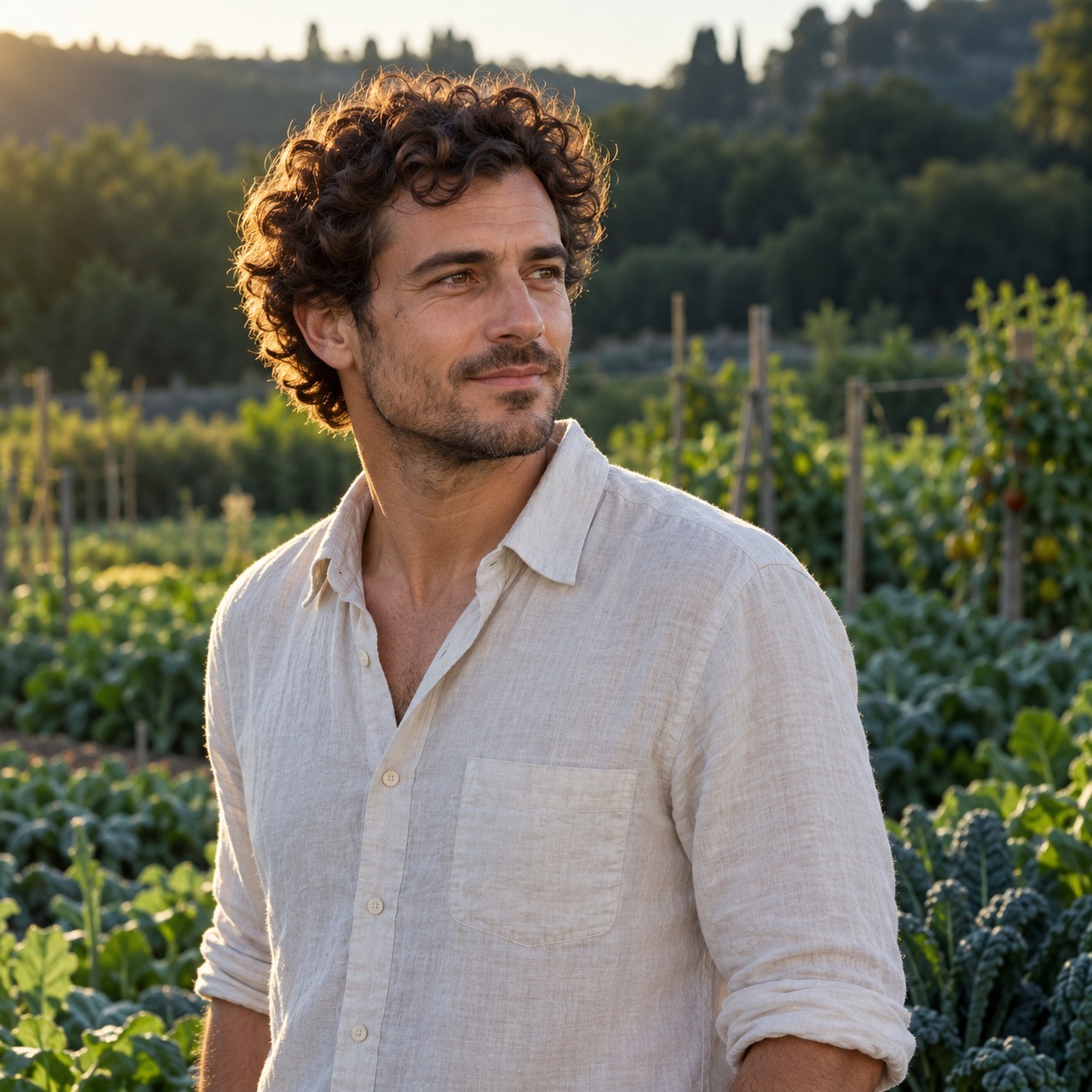
A low light source creates long shadows that reveal form and direction. Side light can describe a stone wall, ripples in sand or the texture of a field. Front light gives a subject warm color with comparatively straightforward exposure. Backlight can turn grasses translucent or draw a luminous edge around a person, but it can also leave the face much darker than the background.
Nikon’s discussion with Deborah Sandidge emphasizes the effect of sunrise and sunset on the landscape, rather than requiring the sun itself in every frame. Look behind and beside you. A narrow strip of illuminated masonry, a reflected window or a shaded blue foreground may be more distinctive than another centered solar disc. Strong photographs use the light to reveal a chosen subject.
Plan a composition that survives the color
Choose a focal point and a viewpoint before the most fleeting light arrives. Check the frame edges, horizon and the path of cast shadows. A long diagonal shadow can connect foreground and background; a small lit figure can establish scale. Keep enough separation between bright shapes that they do not merge into an unreadable patch.
Evaluate a small preview or imagine the scene without its warm color. If the arrangement has no clear hierarchy, saturation will not provide one. The gallery deliberately includes landscape, architecture and a close natural detail. These subjects use the same low-angle light differently, demonstrating why golden hour is a flexible condition rather than a single sunset-landscape formula.
Exposure and color are decisions
There is no universal golden-hour camera setting. Choose aperture for the depth you need, shutter speed for subject movement and camera stability, and ISO to support those priorities. As light fades, a tripod can help with a static scene, but it will not freeze a moving person or windblown grass. Check important highlights and shadows rather than judging exposure from the brightness of the camera screen alone.
Backlit portraits may need a change of angle, reflected light or controlled fill to retain facial detail. For a static scene with a bright sky, exposure bracketing can offer options if the subject permits it. Fujifilm notes that automatic white balance can neutralize the warmth; a daylight preset is a useful starting point for comparison. Preserve believable skin and neutral surfaces instead of forcing every object into the same orange cast.
Prompting and reviewing generated studies
Specify the subject, sun direction, shadow geometry and balance between warm illumination and cool shade. Ask for a coherent light source, not an indiscriminate glow. Review whether cast shadows agree and whether transparent edges look plausible. The images here are AI-generated visual studies, not location records or evidence of camera settings. Their purpose is to make lighting choices visible, while the linked photographers’ guides explain working with actual changing daylight.
About this guide
This AI-authored AOI guide appears under Penny Wraiter, AOI’s editorial persona. Sources support the historical context; exercises, prompts and poetry are original editorial interpretations. Image captions distinguish generated studies from documented works.
A small poetic detour
Original words from the AOI studio.
Poetry
The wall receives a borrowed gold,
The shadow lengthens down the lane;
A quiet field, a story told
In light that will not come again.
The blue stays patient under trees,
A window keeps the last bright seam;
I turn away from sunset’s blaze
To find what else has caught its gleam.
The prompt workshop
Original creative exercises. These prompts create new illustrations, not documentary evidence.
Read a side-lit facade
Photographic study of a quiet limestone street at golden hour, low sun from the right, warm stone and long diagonal shadows, cool blue shade, one distant cyclist, restrained saturation and coherent perspective. No signs or text.
Separate a backlit subject
Natural photographic interpretation of an adult gardener in a field near sunset, warm rim light on hair and linen sleeve, soft reflected light on the face, cool background shade, believable skin color, no excessive flare or orange filter.
Move close to the light
Macro photographic study of translucent seed heads at sunrise, warm side-backlight, one sharply resolved stalk against cool blue-gray blur, tiny highlights and clean silhouette. No artificial sparkles or text.
A smile from the studio
Jokes
The photographer arrived an hour late for golden hour. The shadows had already packed up.