
AOI creative concept · Thread and tactile surfaces
Suggest small invented creatures through the frayed edges of otherwise simple fabric scraps.
An AOI creative concept, not an established historical movement.
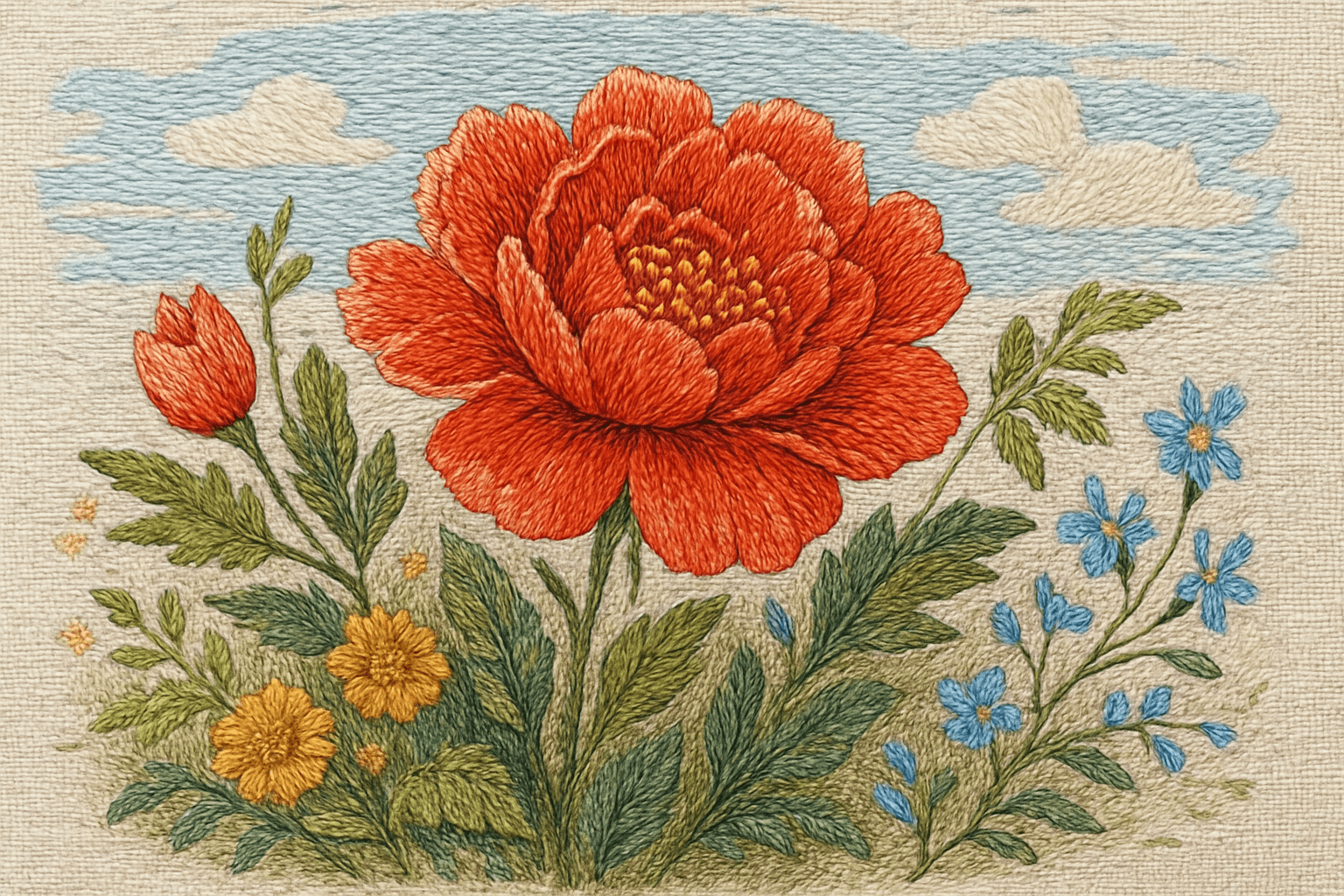
A closer look
Muted ochre, pale gray and dark thread; frayed woven cloth. The focal scene: a triangular fabric scrap animated by three loose fibers.
Let the material decide
Suggest small invented creatures through the frayed edges of otherwise simple fabric scraps. A few loose fibers become limbs or feelers, while the intact cloth supplies the body. The character should emerge from the edge rather than from added facial features.
Construct the surface
Place an irregular triangular scrap on a pale tabletop. Pull three longer fibers from one side to suggest legs and leave a short tuft at the opposite point. Add a tiny shadow beneath the body to imply a cautious lift. Keep the surface pattern plain so the viewer notices the fibers' direction and tension.
Texture needs a purpose
Eyes pasted onto any scrap create an easy mascot but weaken the material idea. First see whether the creature's posture reads without a face. Avoid too many fibers; a controlled few can communicate movement while a fringe simply looks like damaged fabric.
Technique notes
Create two scraps facing opposite directions, with one shared loose fiber linking them like an uncertain handshake rather than a literal limb.
When prompting an image model, spell out the rule and visible relationships. The invented style name alone is not a reliable instruction. Compare outputs against the critique above and revise the specific failed relationship.
The prompt workshop
Original creative exercises. These prompts create new illustrations, not documentary evidence.
Start with the defining rule
Create an original illustration of a triangular fabric scrap animated by three loose fibers. Suggest small invented creatures through the frayed edges of otherwise simple fabric scraps. A few loose fibers become limbs or feelers, while the intact cloth supplies the body. The character should emerge from the edge rather than from added facial features. Use muted ochre, pale gray and dark thread; frayed woven cloth. Keep the composition readable, with a clear focal area and quiet surrounding space. No lettering, signatures or watermark.
Build the fuller composition
Create an original Frayedge Creatures composition. Place an irregular triangular scrap on a pale tabletop. Pull three longer fibers from one side to suggest legs and leave a short tuft at the opposite point. Add a tiny shadow beneath the body to imply a cautious lift. Keep the surface pattern plain so the viewer notices the fibers' direction and tension. Use muted ochre, pale gray and dark thread; frayed woven cloth. Preserve the defining constraint: Suggest small invented creatures through the frayed edges of otherwise simple fabric scraps. Avoid decorative clutter, readable text and watermarks.
Try a deliberate variation
Create an experimental illustration based on this rule: Suggest small invented creatures through the frayed edges of otherwise simple fabric scraps. A few loose fibers become limbs or feelers, while the intact cloth supplies the body. The character should emerge from the edge rather than from added facial features. Variation: Create two scraps facing opposite directions, with one shared loose fiber linking them like an uncertain handshake rather than a literal limb. Use muted ochre, pale gray and dark thread; frayed woven cloth. Make the changed relationship unmistakable while keeping supporting details restrained. No captions, signatures or watermark.
Look closer
Explore the image gallery
Select an image to enlarge it. Browse with the arrows, and press Escape to return.
Your next inspiration
Discover another art style
Follow a visual thread to the next subject.