
Plural regional histories
European art is a broad geographic umbrella. Choosing a period, place and medium makes it possible to say something precise.
A closer look
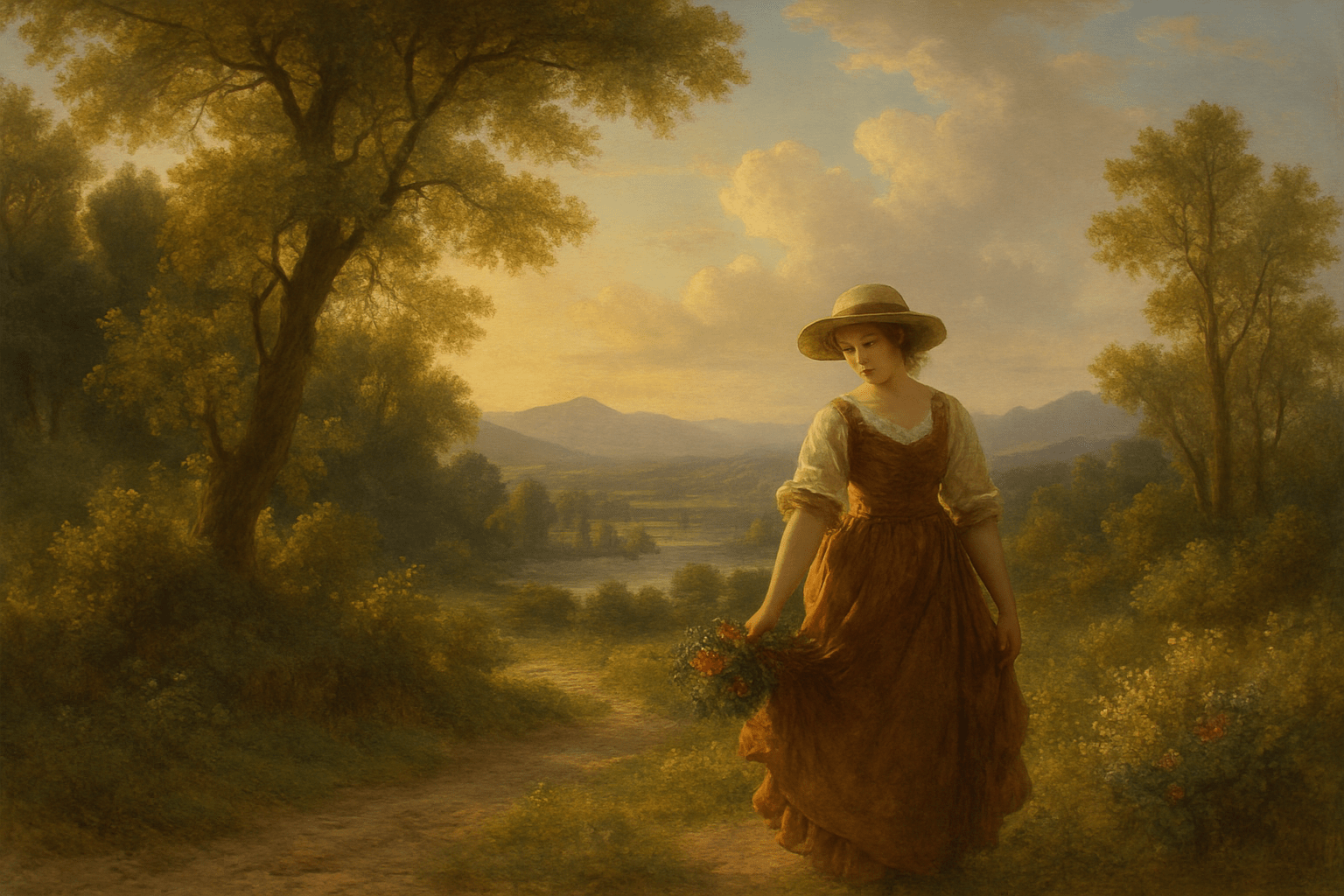
Begin a study with a focused comparison: two interiors from different periods, several approaches to portraiture or one material across regions.
Understanding the subject
European art includes many languages, communities, institutions and exchanges across a long history. A marble sculpture, a manuscript, a landscape painting and a contemporary installation cannot be explained by one continental style. Museum collections reflect particular histories of collecting and selection. They are useful resources, but they should not be mistaken for a complete or neutral map of every artistic practice in Europe.
AOI looking and making workshop
Begin a study with a focused comparison: two interiors from different periods, several approaches to portraiture or one material across regions. Describe what changes in viewpoint, scale, function and audience before assigning broad cultural traits. For an original image, name the actual formal choices—soft window light, shallow relief or geometric construction—instead of asking for “European style.” Avoid combining landmarks into a decorative summary of a continent. A narrow, well-observed exercise is more informative than a grand image that treats diverse histories as interchangeable scenery.
The prompt workshop
Original creative exercises. These prompts create new illustrations, not documentary evidence.
A focused interior
Create an original painting of a modest stone-built interior with a wooden table and cool window light, emphasizing material and spatial relationships. Avoid national stereotypes or copied historical artworks.
A comparison of spaces
Create an original diptych comparing a vaulted reading room and a modern community library, consistent viewpoint and attention to how architecture shapes gathering. Use no labels or recognizable monuments.
Material across time
Create a contemporary still life of carved stone, woven cloth and a bent metal sheet, exploring contrasting surfaces and historical associations without claiming to represent all European art.
Your next inspiration
Discover another art style
Follow a visual thread to the next subject.

Sources and further exploration
Collection overview | Paintings | The National Gallery, London