
An original Art of AI concept
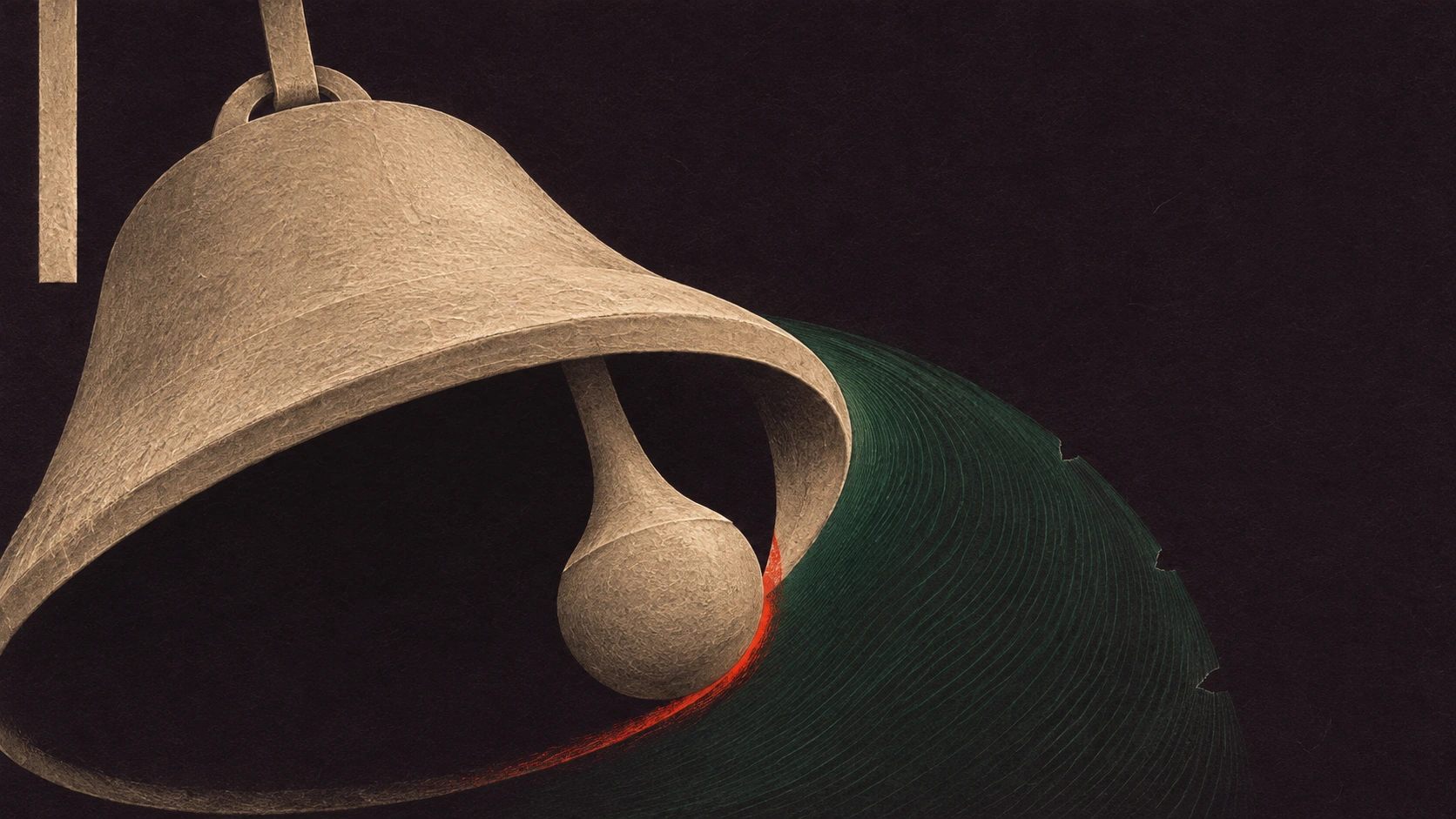
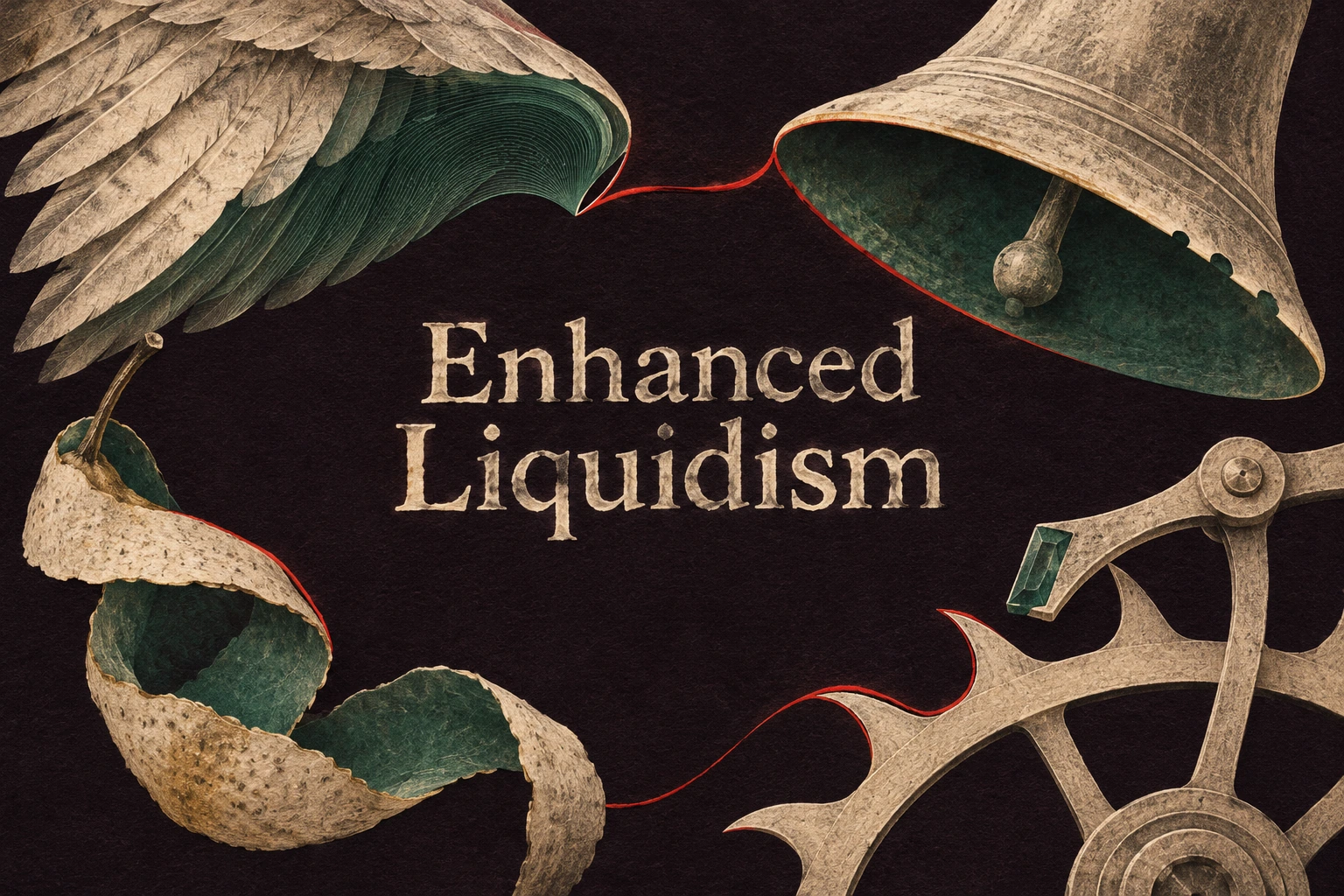
A bell rings, a stitch pulls tight, a slice of toast leans out of its rack. Enhanced Liquidism lets each subject keep a thin red trace of where its edge was a moment ago.
An A⊕I –[-.+] creαt¡ve c⊕ncept, n⊕t αn estαbl¡she∂ h¡st⊕r¡cαl m⊕vement.
A visual introduction
Ten original AI interpretations share a written set of constraints. Start with the bell, follow the displaced line through the gallery, and open the umbrella at full height. The toast rack is the final test.
Select an image for a closer look. Use the thumbnails, arrow keys or a swipe to compare examples. Zoom in to inspect details, or share the image that inspires you.
Creative toolbox · take this style further
Choose an input and a destination. Search sends your words to the chosen site; Copy & open puts them on your clipboard to paste there.
Create with AI
Turn your chosen input into an image prompt or a new creative direction.
ChatGPT
Copy your input and paste it into a ChatGPT conversation or image request.
Copy & open ChatGPT (new tab)Claude · Anthropic
Develop an image prompt or explore the style in a new Claude conversation.
Copy & open Claude · Anthropic (new tab)Midjourney
Paste your input into the Imagine bar on the Create page.
Copy & open Midjourney (new tab)Adobe Firefly
Copy your input, open Firefly, and paste it into the prompt field.
Copy & open Adobe Firefly (new tab)Leonardo.Ai
Copy your input, open Leonardo, and paste it into the generation field.
Copy & open Leonardo.Ai (new tab)Image search
Find visual references. Short, concrete keywords usually work best.
Lexica
Search AI images and prompts using your selected input.
Search with this input Lexica (new tab)Pexels
Search the photo and video library. Short keywords often work best.
Search with this input Pexels (new tab)Pixabay
Search photos, illustrations and other images.
Search with this input Pixabay (new tab)Unsplash
Search photographs using the style name or your own keywords.
Search with this input Unsplash (new tab)Wikimedia Commons
Search photographs, artworks and historical images. Check each file for its source and reuse terms.
Search with this input Wikimedia Commons (new tab)Art & research
Explore artists, collections and the ideas behind a style.
Wikipedia
Search for background reading. A style may not have its own article.
Search with this input Wikipedia (new tab)WikiArt
Copy your input into WikiArt’s search to explore artists and artworks.
Copy & open WikiArt (new tab)Europeana
Paste your keywords into the search to explore European museum, library and archive collections.
Copy & open Europeana (new tab)Inspiration
Discover portfolios and visual ideas from creative communities.
Instagram hashtags
Search a hashtag made from your input: spaces and punctuation are removed. Instagram may require sign-in.
Search with this input Instagram hashtags (new tab)ArtStation
Paste your input into artwork search for concept art, environments, characters and visual development.
Copy & open ArtStation (new tab)Behance
Paste your input into project search for illustration, design and visual storytelling.
Copy & open Behance (new tab)A closer look
Warm bone and petrol green sit on dark plum paper. A narrow opening shows where a form has yielded. Fine green curves gather beside it, and a single vermilion line gives the eye an earlier position to remember.
Where was that edge a moment ago?
A bell can keep ringing after the hand that set it moving has gone. A drawing has a harder job. The bell, its clapper and the air around them must all fit into the same silent instant. In The Bell Keeps Its Swing the clapper comes within a breath of the rim. A stroke of red slips round its underside, and a deep green fan opens into the empty right side of the picture. I can almost tell how big the room is from the space that fan requires.
Enhanced Liquidism is an original Art of AI style built around that interval between two positions. The broader Liquidism study asked how much an outline could yield and remain recognisable. For this independent companion we asked where the old outline goes when the new one takes its place. We kept a small piece of it in vermilion. Each of the ten images began with a fresh text prompt. They share a written set of constraints, and each subject had to supply its own reason for a line to move.
Four colours and a very small allowance of red
Begin with a sheet the colour of a plum skin in shadow. Lay down a warm bone shape that a reader could identify across the room. Choose a single part that bends, releases, lifts or turns. Give the bend a small opening through which the dark ground can show. Bring the green up to that opening and run a handful of close curved lines through it. Their direction describes the pull as clearly as an arrow would, while leaving the picture free of instructions.
Now draw the part of the outline you remember from a moment earlier. Vermilion gets only that job. On the stair it cuts across empty space. On the owl it barely parts company with the edge of a feather. A few little gaps in an inked margin can suggest a moment when the pressure eased. We asked for three. Some results make the three easy to count, while the owl all but absorbs them into the feather tips. Concentrate the effort wherever the subject makes the decision worth seeing.
A stitch, a wing and a strip of pear skin
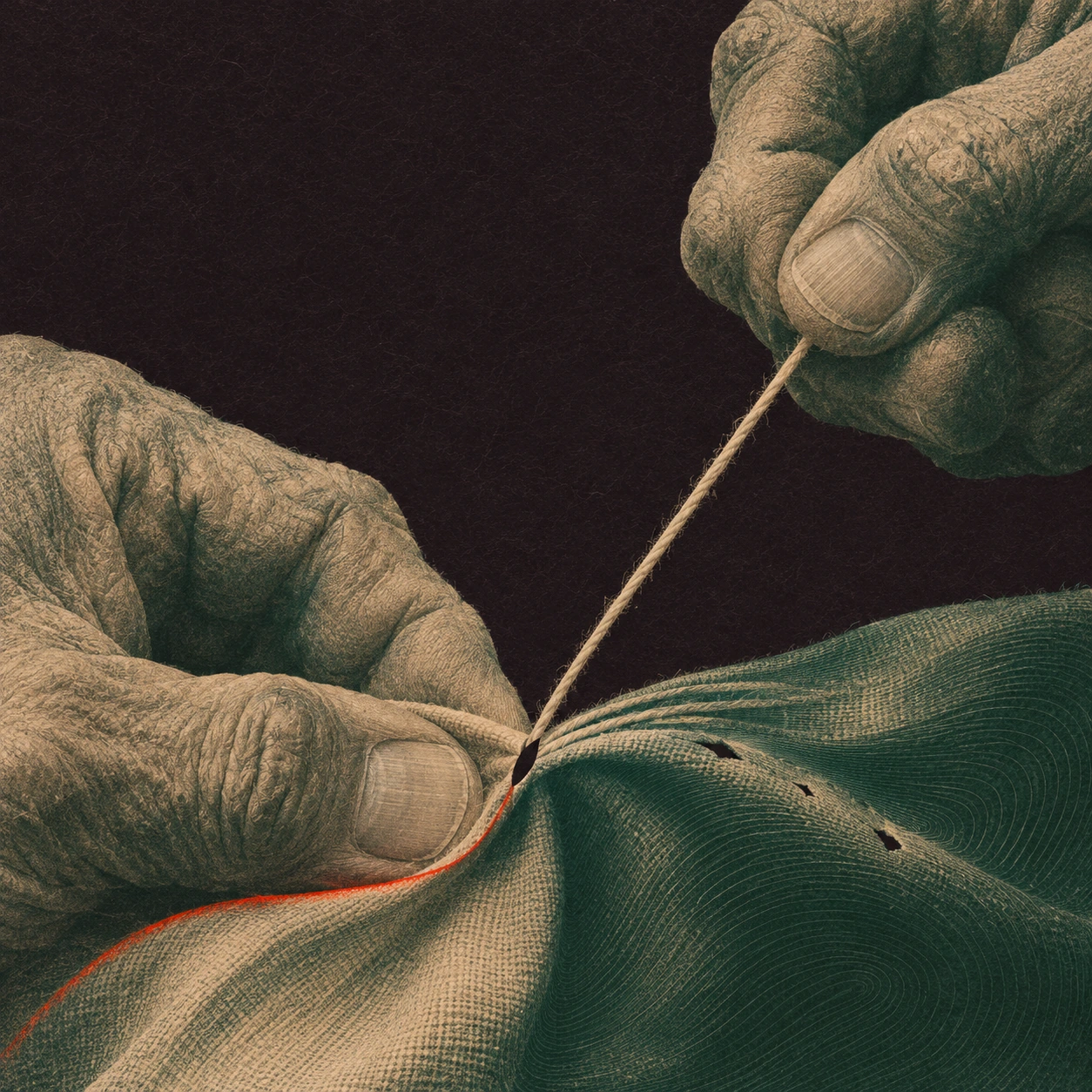
The Sailmaker’s Last Stitch comes closest to fitting two directions of force inside one thumbnail. The upper hand draws a length of pale thread away. The lower thumb keeps the seam from following it. At the point where the two efforts meet, a black slit and a short red edge are enough. The ripples in the sailcloth lie almost flat. The thumbnail, written with dozens of small scratches, gets to keep its own quite different texture.
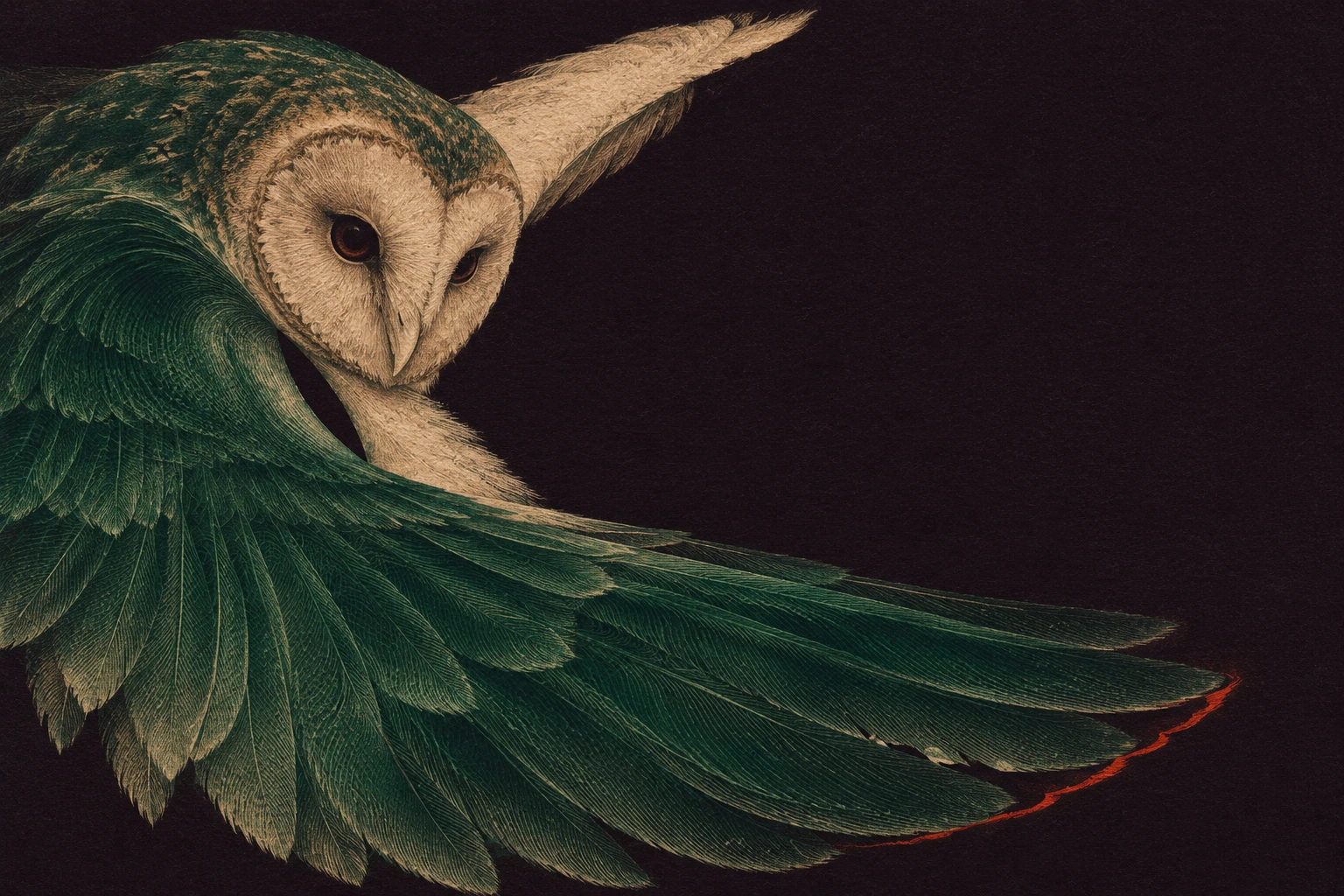
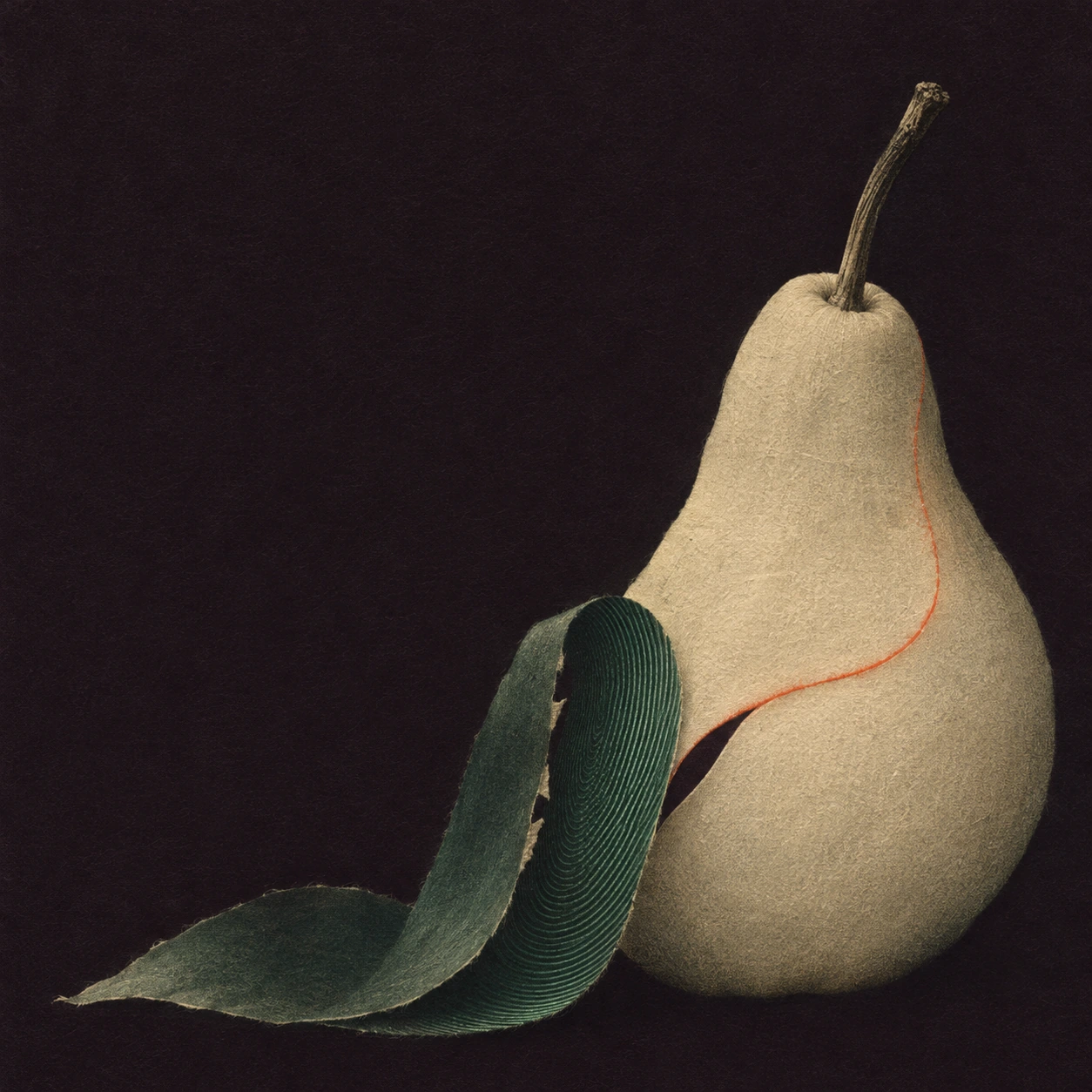
In Banking Through Midnight, first cover the large green wing. The pale heart of the owl’s face still looks down and ahead. Uncover the wing and it sweeps such a distance across the paper that the quiet face seems to turn the entire sheet. In One Long Peel the stem performs that steadying job. The liveliest line runs through the inside of the peel. Turning the fruit itself into a swirl would have cost us the ordinary pear that makes the lift of skin so peculiar.
A building can leave a trace too
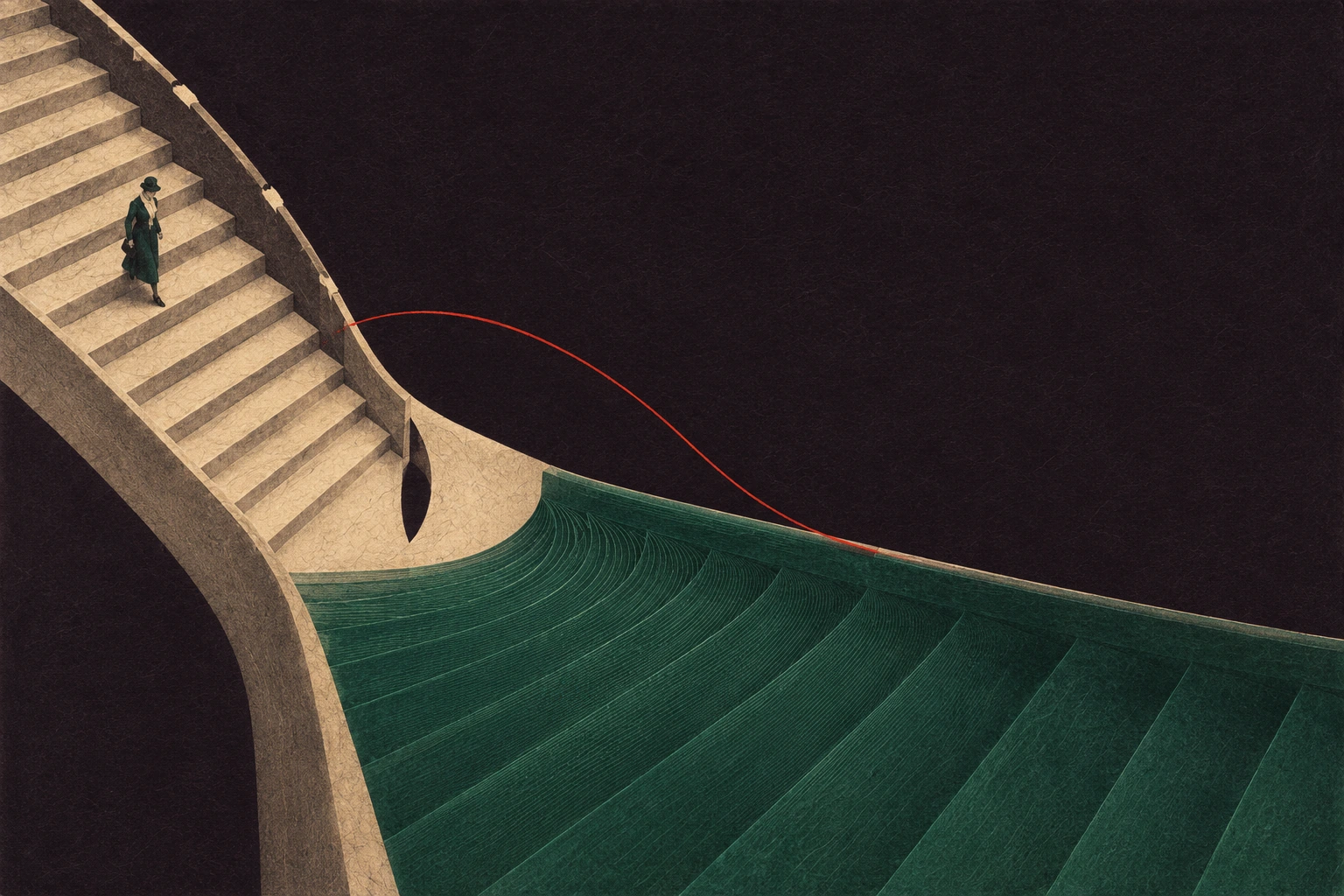
Look at the small figure high up on The Stair at the Turn. The regular pale treads give that person a plausible route. At the landing, a narrow leaf of darkness opens in the stone. The red line leaves one rail, crosses the open well and finds the rail again. Trace it with your finger. It is an excellent route for an eye and a rather poor route for a pedestrian.
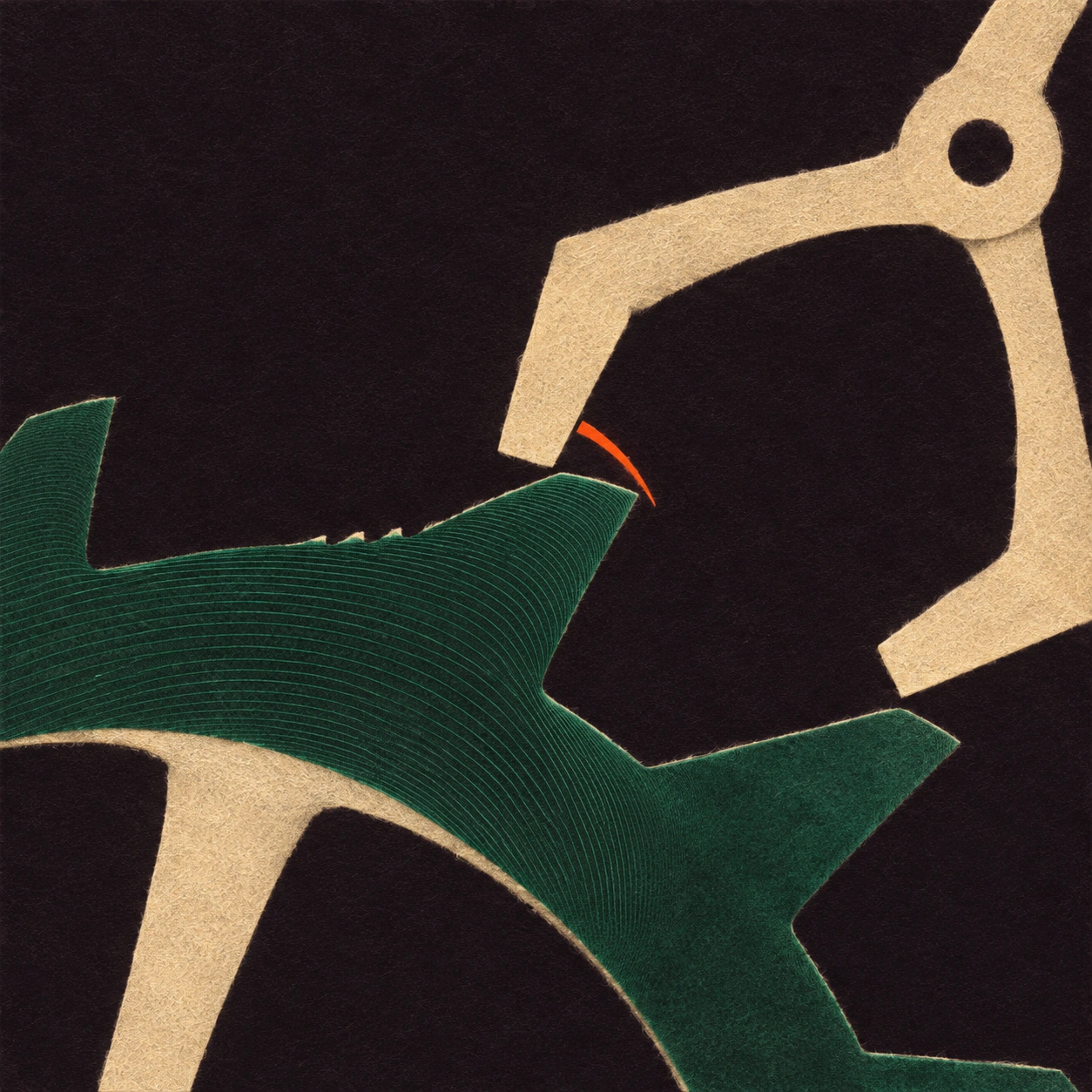
The Tooth That Lets Go gives the eye a much shorter journey. The round axle and the angles of the teeth survive in flat silhouette. A red crescent floats in the interval where the pale anchor has just cleared the green tooth. Most of the square is doing absolutely nothing, which makes that tiny release feel surprisingly loud. This is an invented close-up of an event in a clock. A clockmaker would need more information to build a working mechanism.
An ordinary room and an improbable tide
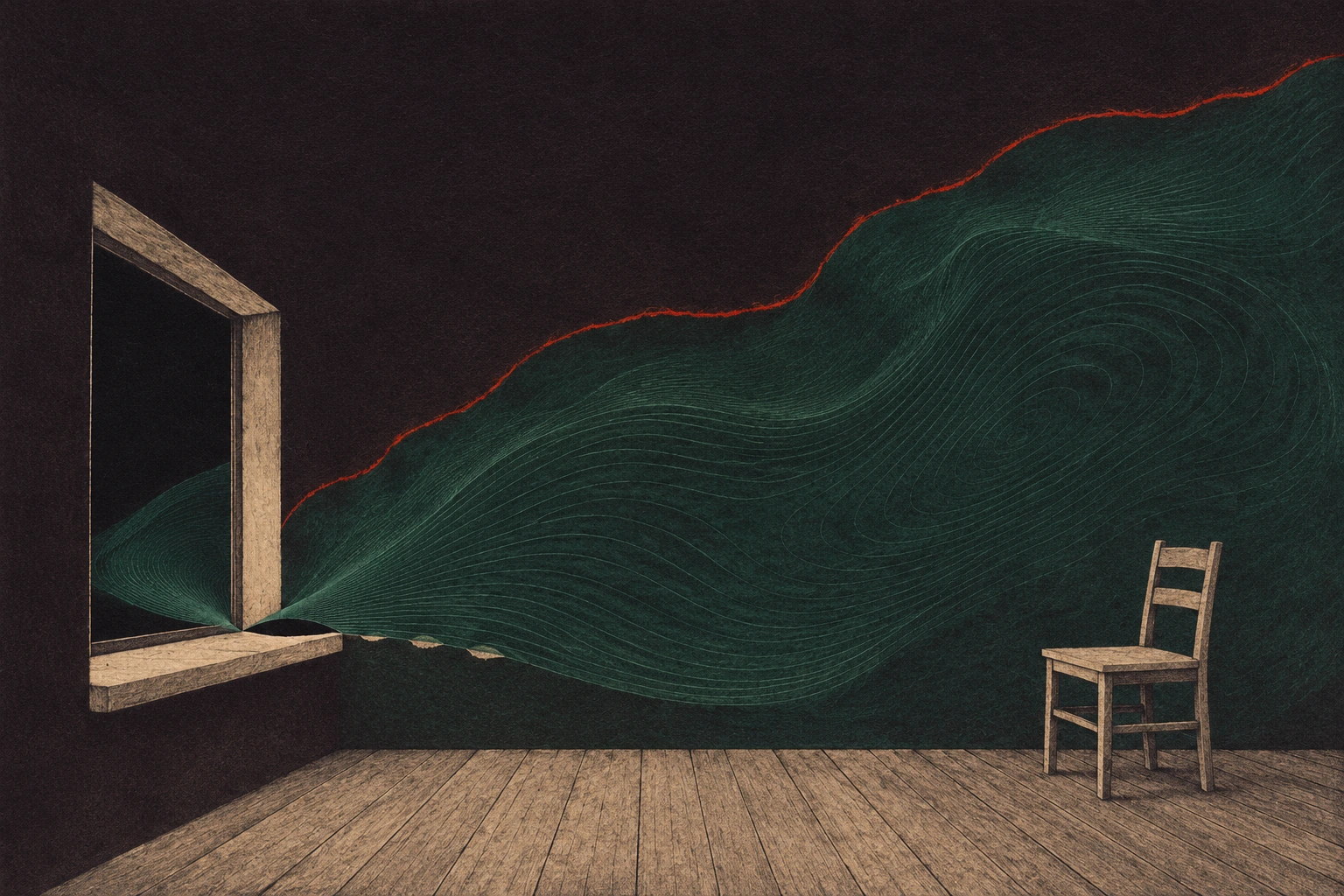
Low Tide in a Borrowed Room pushes the idea into a place it could scarcely occur. The near leg of a chair rests on a dry board. On the opposite wall, a complete green tide withdraws through the corner of a window. Follow the fine parallel lines as they funnel past the sill. The floor gives us the reassuring width of a room. The tide gives us a coast too big to fit inside it. The thin red upper boundary lets both scales stay in view.
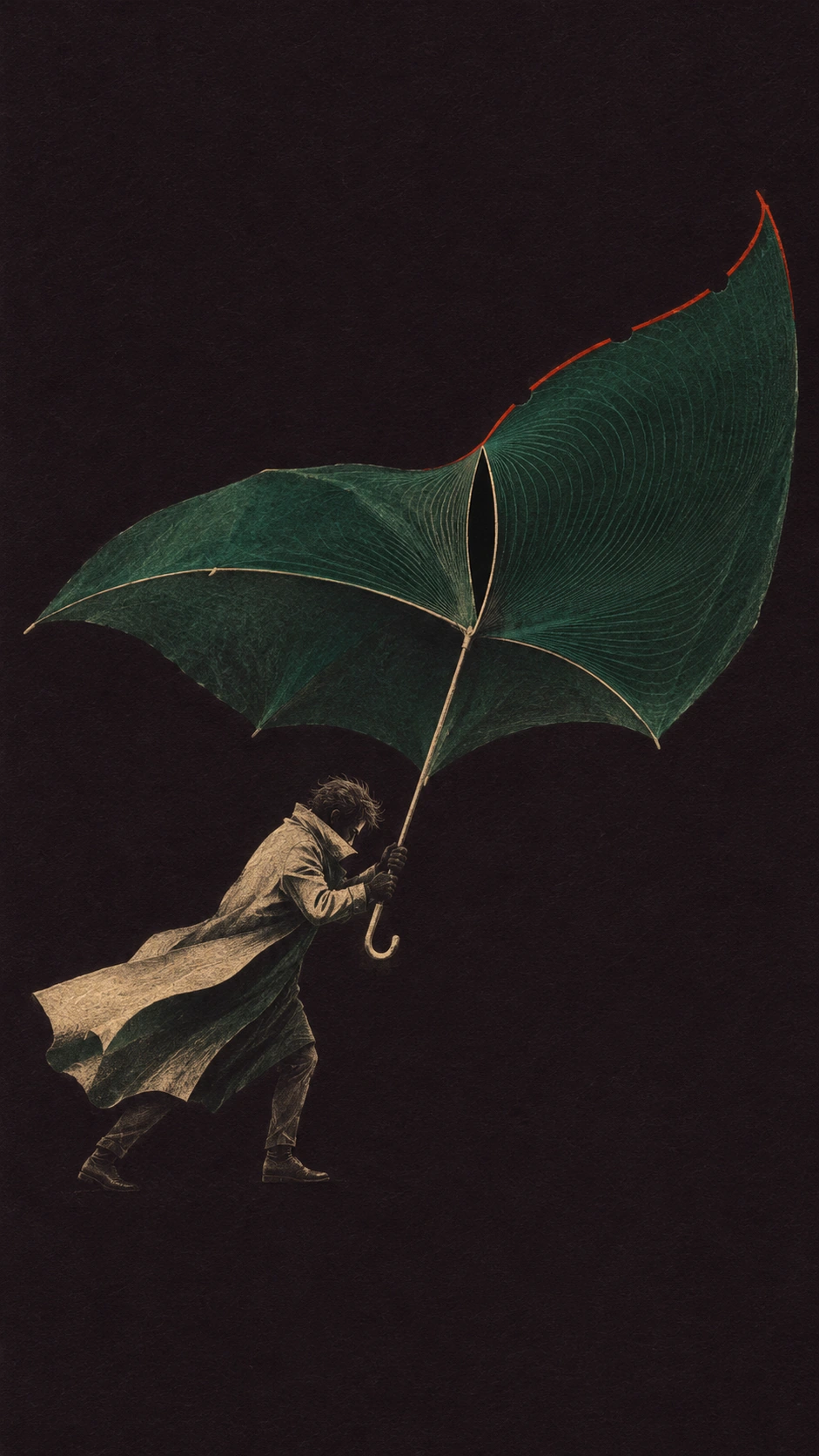
At full height, The Umbrella Answers the Wind uses much the same economy. Two boots, gloved hands and a J-shaped handle occupy the lower half. The upper half belongs to a canopy whose right side has turned into a steep green sail. A black opening remains along a rib at the bend. A little red catches the high margin. On a phone, try covering the person. The canopy reads like an unfamiliar leaf. Reveal the hands and the whole shape becomes weather again.
Could the style survive breakfast?
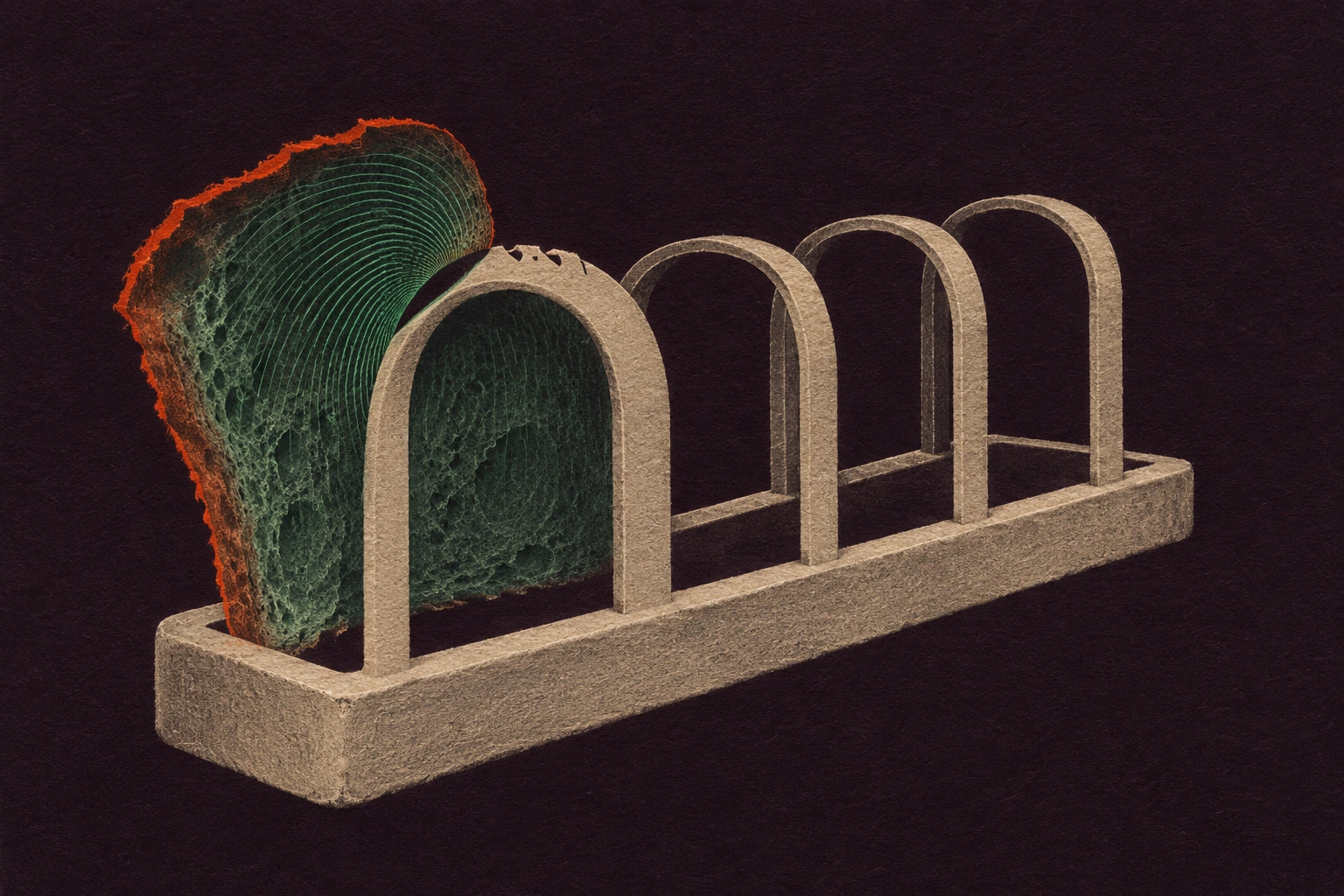
We chose a toast rack as the transfer test when planning the series. It has four plain arches and very little glamour. In Breakfast Holds Still all four dividers keep their shape. One slice leans away at the front. A dark gap opens beside the first arch, green lines run across the bread, and the red gathers along its crust. The clock could surrender almost everything except a tooth and a pivot. Breakfast requires the stubborn repetition of the empty slots.
We compared the ten finished images at thumbnail size and measured the strongest red pixels in each full-size original using one colour threshold. In every image they occupy less than one percent of the sheet. The clock is near 0.08 percent and the toast rack near 0.84 percent. Fainter red fringes fall outside that measurement. The figures help explain a surprise in the small previews. The butterless slice looks almost flamboyant beside the ringing bell.
Three readings from Penny’s desk
Positive review. The sailmaker is the picture I would keep beside my desk. I can find the entire action with a thumbnail over half the frame. The bright thread leads straight to a hole the width of a fingernail, and the red stays with the thumb holding the cloth. That little opposition gives the hands a job to do.
Negative review. The toast has a real compositional problem. Its orange crust and green interior are so emphatic that breakfast briefly looks like a specimen in a display case. The four quiet arches rescue the subject. At this size a thinner mark along just the lifting corner would give the toast back some of its domestic plainness.
Neutral review. The clock and the stair use the same dark interval on different timescales. The clock gives the eye a short hop between two pieces. The rail gives it most of a landing to travel. One reads as a release and the other as a turn, even before either image has a caption.
Make the difficult choice before choosing the ink
Try a subject we left out. A book half closed on a ribbon will do. Draw the book twice on scrap paper, once open and once at rest against the ribbon. Choose the one segment of the first drawing that you would miss in the second. That is where a red mark earns its place. Keep the hinge of the binding plain enough to explain the movement. If the two drawings are equally legible without that surviving segment, choose a more interesting moment.
For technical context, Musashino Art University explains how registration marks position a sheet for successive impressions. MoMA’s account of monotype describes a plate inked and passed through a press to make a print. These digital artworks imagine the look of ink catching or skipping on a surface. The little red departures are editorial choices made for each scene. The museum and university sources below describe the physical processes for readers who would like to try ink on real paper.
A small poetic detour
Original words from the AOI studio.
Poetry
The bell has spent its bronze.
A red hair stays in the air.
On the sill, when the tide goes out,
there is room again for a chair.
The prompt workshop
Original creative exercises. These prompts create new illustrations, not documentary evidence.
Give a bell a second instant
Enhanced Liquidism. Show a pale bell at the instant after the clapper touches the rim. Keep the hanging strap straight. Leave a narrow opening at the contact. Put fine petrol-green arcs on its far side, and allow one vermilion trace to follow the clapper’s previous position. Black-plum paper, bone ink, empty space on the right.
Check whether the strike still reads when the image is reduced to the size of a postcard.
Let the cloth resist the hand
Two hands pull a stitch through a folded sail. One thumb holds the fabric while the other hand lifts the thread. Keep the thread straight. Gather fine green contours against the anchoring thumb. Leave dark paper in the stitch and let a thin red edge remember the slack in the cloth. Crop close.
Place the trace on the part that yields. The two hands have different jobs.
A house key turning for the last time
A bone key has turned halfway in a green keyhole plate. Keep the teeth precisely legible. Give only the departing shoulder one vermilion edge. Bend several fine green ridges around the place it has left. Let the dark of the door show inside the bow of the key. Quiet plum-black paper with a small interruption at the point of pressure.
An unillustrated transfer exercise. Choose the direction of rotation before placing the second edge.
Make an upright composition feel the wind
A fully dressed adult braces against an inverted umbrella in a high, narrow picture. Keep the J-handle, both feet and the canopy tip in the frame. Let one bent rib split the deep green canopy into a dark opening. Trace the previous lip of the fabric in interrupted vermilion. Leave generous dark paper above the figure.
The straight shaft lets the reader judge what the wind has done to the cloth.
The breakfast test
Four pale metal loops fixed to a long, low toast rack, one slice partly lifted. Leave three intervals quiet. At the first arch show the dark gap that the moving crust has just opened. Put the red on one short piece of crust and the fine green grain inside the slice. Work on plum-black paper.
The unoccupied dividers carry recognition. Save the disturbance for the slice.
A smile from the studio
Jokes
The toast rack sat perfectly still for its portrait. One slice asked for a little movement in the crust.