
Animation studio visual reference
DreamWorks Animation is a studio, not a single art style. Its films offer different approaches to character shape, performance, lighting and surface treatment; useful visual study begins with a specific production and artistic problem.
A visual introduction
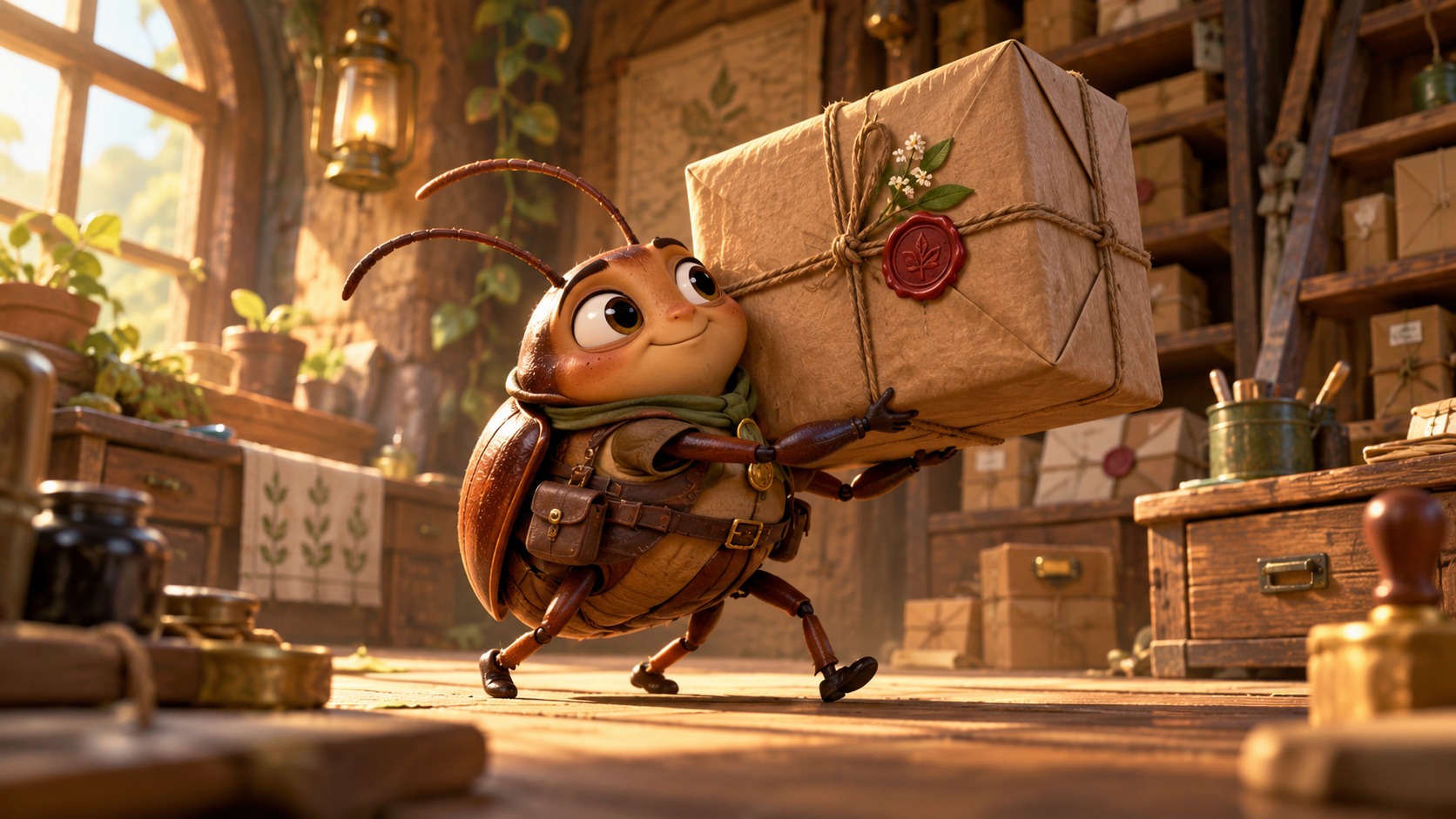
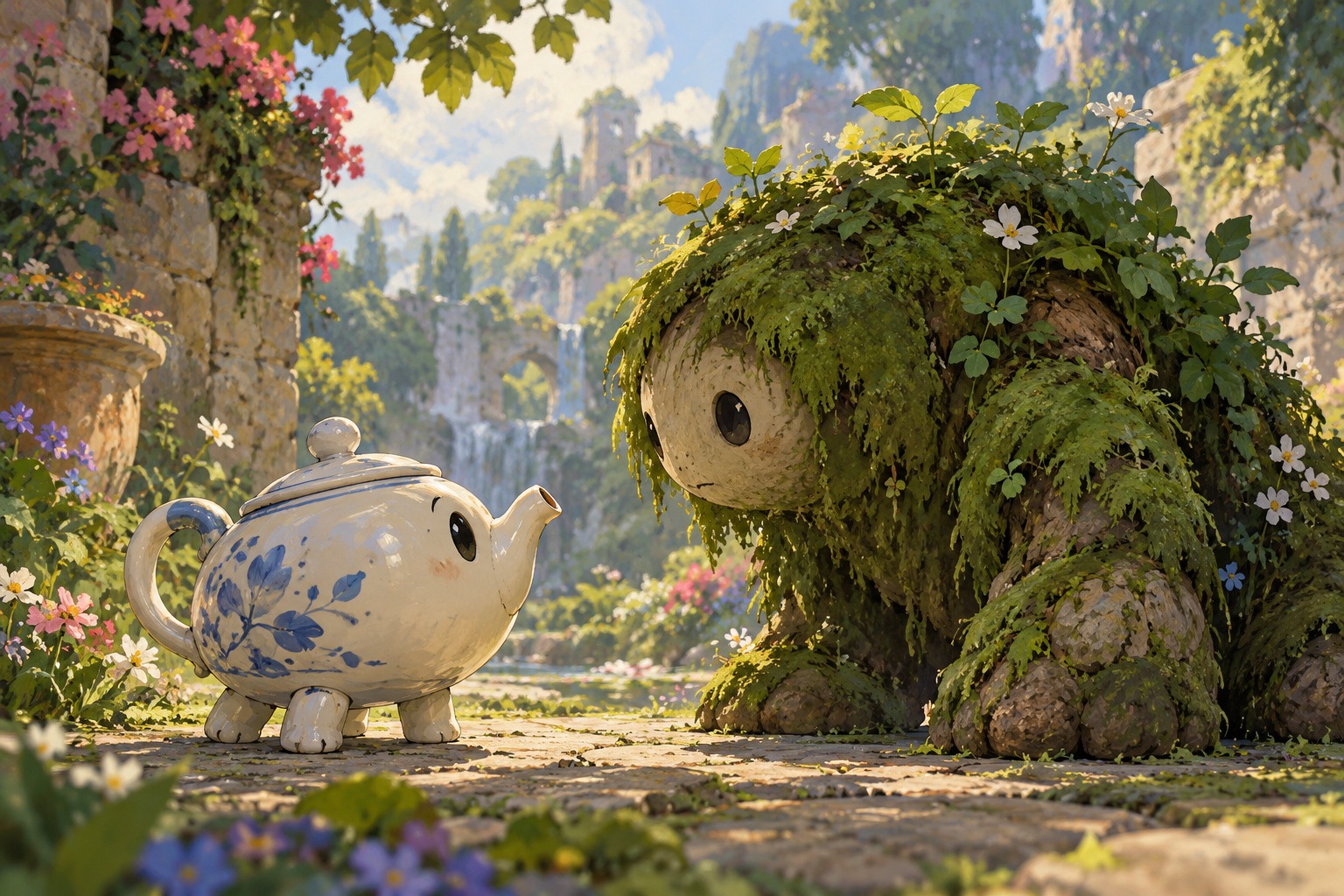
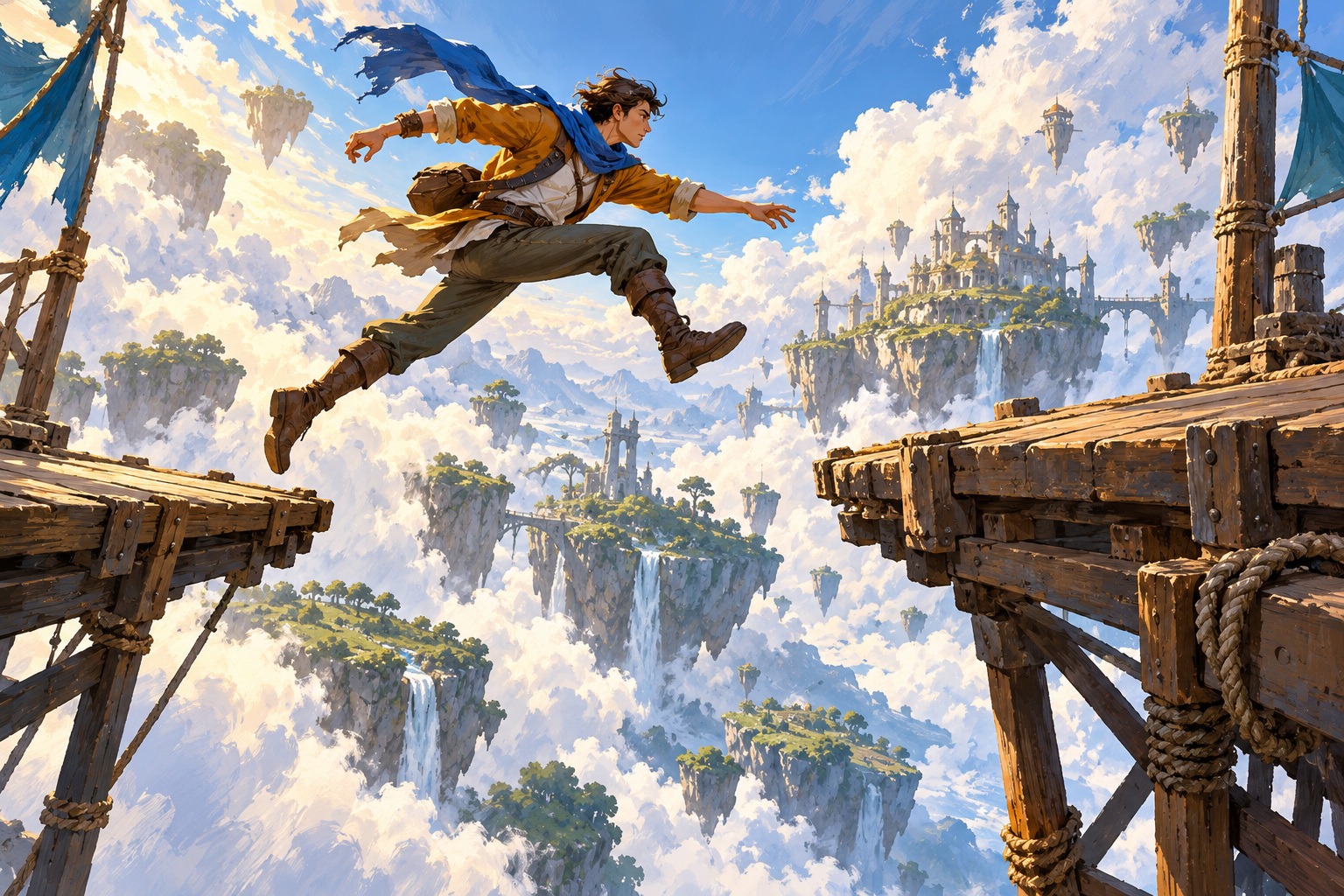
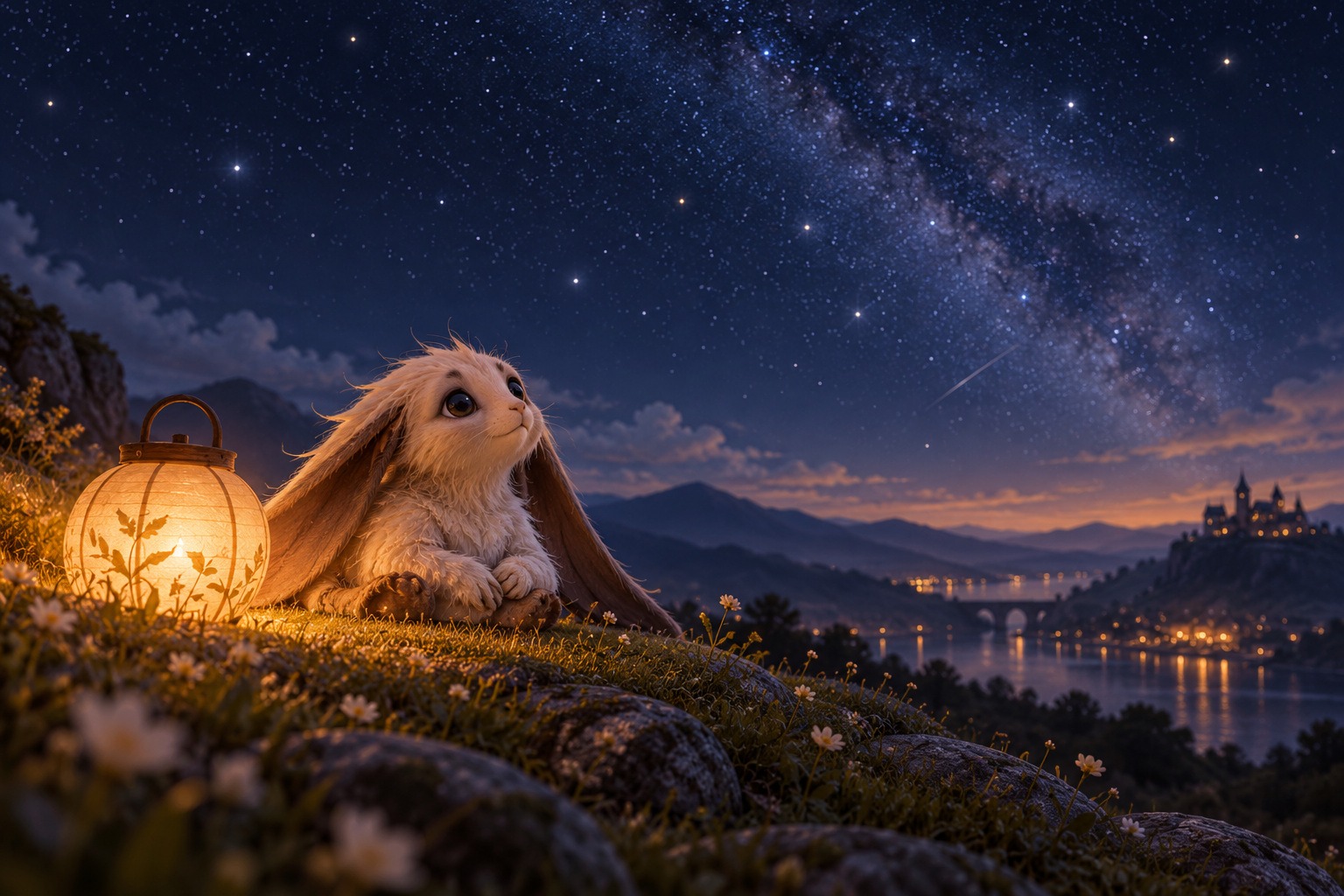
Four new independent animation studies explore comic staging, contrasting surfaces, dynamic action and quiet atmosphere. The retained titled collage uses recognizable character references as an earlier editorial comparison; it is not official studio artwork.
Select an image for a closer look. Use the thumbnails, arrow keys or a swipe to compare examples. Zoom in to inspect details, or share the image that inspires you.

Creative toolbox · take this style further
Choose an input and a destination. Search sends your words to the chosen site; Copy & open puts them on your clipboard to paste there.
Create with AI
Turn your chosen input into an image prompt or a new creative direction.
ChatGPT
Copy your input and paste it into a ChatGPT conversation or image request.
Copy & open ChatGPT (new tab)Claude · Anthropic
Develop an image prompt or explore the style in a new Claude conversation.
Copy & open Claude · Anthropic (new tab)Midjourney
Paste your input into the Imagine bar on the Create page.
Copy & open Midjourney (new tab)Adobe Firefly
Copy your input, open Firefly, and paste it into the prompt field.
Copy & open Adobe Firefly (new tab)Leonardo.Ai
Copy your input, open Leonardo, and paste it into the generation field.
Copy & open Leonardo.Ai (new tab)Image search
Find visual references. Short, concrete keywords usually work best.
Lexica
Search AI images and prompts using your selected input.
Search with this input Lexica (new tab)Pexels
Search the photo and video library. Short keywords often work best.
Search with this input Pexels (new tab)Pixabay
Search photos, illustrations and other images.
Search with this input Pixabay (new tab)Unsplash
Search photographs using the style name or your own keywords.
Search with this input Unsplash (new tab)Wikimedia Commons
Search photographs, artworks and historical images. Check each file for its source and reuse terms.
Search with this input Wikimedia Commons (new tab)Art & research
Explore artists, collections and the ideas behind a style.
Wikipedia
Search for background reading. A style may not have its own article.
Search with this input Wikipedia (new tab)WikiArt
Copy your input into WikiArt’s search to explore artists and artworks.
Copy & open WikiArt (new tab)Europeana
Paste your keywords into the search to explore European museum, library and archive collections.
Copy & open Europeana (new tab)Inspiration
Discover portfolios and visual ideas from creative communities.
Instagram hashtags
Search a hashtag made from your input: spaces and punctuation are removed. Instagram may require sign-in.
Search with this input Instagram hashtags (new tab)ArtStation
Paste your input into artwork search for concept art, environments, characters and visual development.
Copy & open ArtStation (new tab)Behance
Paste your input into project search for illustration, design and visual storytelling.
Copy & open Behance (new tab)A closer look
Readable poses, clear silhouettes, expressive timing and a coherent relationship between characters and their world are useful comparison points. Polished CG surfaces, graphic effects and painterly environments should not be treated as interchangeable.
Replace the studio stereotype with a question
A studio name is a convenient search term but an imprecise visual instruction. Different projects organize shape, color, texture and movement differently. Before making an image, choose what you want to investigate: a comic expression, a broad adventure composition, a tactile environment or a quiet emotional exchange.
Use the official film catalog to identify the production you mean, then seek material about its particular design decisions. A memorable face or familiar franchise silhouette is not a complete account of a film’s visual language. The exercises here use original imagined characters so that the formal decisions can be discussed independently of recognition.
A documented example: The Wild Robot
In an NBCUniversal interview, producer Jeff Hermann describes The Wild Robot’s painterly approach as informed by impressionistic painting rather than photorealism. He also explains the contrast between cleaner-looking robots and the wilderness, with the central robot’s appearance becoming more painterly as the story develops. This is a production-specific example of visual design carrying narrative meaning.
The useful lesson is to connect appearance to the story. A character and environment can begin with contrasting surface qualities, then become more visually related. That relationship need not involve a robot or forest in an original exercise. Try a polished ceramic creature in a rough paper-built town, or a precise little machine in an irregular painted garden.
Shape and performance before finish
Start with a clear action that can be understood in silhouette. A hesitant reach, a proud stance or a sudden recoil should remain legible before detailed fur, cloth or reflections are added. Compare the head, torso and limb proportions as a whole; a large eye alone does not create an expressive character.
Facial expression and body gesture should agree unless their contradiction is intentional. If a character looks delighted but its shoulders and hands suggest fear, the viewer needs a reason for that tension. In a still image, choose a decisive moment. Animation timing cannot be proven by one frame, but a well-chosen pose can imply what happened just before and what may follow.
Choose a coherent world
Decide how the environment relates to the character. Rounded forms can echo one another; angular structures can create contrast; rough brush-like surfaces can coexist with smooth ones when the distinction is deliberate. Light should clarify the action and important relationships rather than decorate every edge with the same glow.
Vary the palette according to the scene’s purpose. A comedy, a dangerous crossing and a quiet reunion need not share the same saturation or contrast. Establish the main color masses first, then reserve small accents for narrative details. A background that is beautifully detailed but louder than the character can weaken the scene.
Prompting across several approaches
Describe an original character, a readable action, the intended medium-like finish and the environment’s role. Compare a clean sculptural treatment with a graphic action treatment and a painterly atmospheric one. Change one or two major decisions at a time so the differences remain understandable.
The four new accompanying images are independent AI-generated animation studies, not DreamWorks production art or evidence of a studio workflow. A retained editorial collage includes recognizable character interpretations and is labeled separately. Avoid copied logos and claims of affiliation. Judge the results by coherent anatomy, expression, staging and material relationships. A useful study explains why its visual decisions fit the scene rather than relying on a studio name to supply quality.
About this guide
This AI-authored AOI guide appears under Penny Wraiter, AOI’s editorial persona. Sources support the historical context; exercises, prompts and poetry are original editorial interpretations. Image captions distinguish generated studies from documented works.
Compare films before naming a studio look
DreamWorks is a studio credit, not the name of one uniform drawing method. Its official film catalogue includes projects as different as The Prince of Egypt, Shrek, Kung Fu Panda and The Wild Robot. A useful comparison identifies a specific film and a specific design question instead of borrowing a generic expression or assuming that every production has the same materials and proportions. [1]
Compare how a scene organises bodies against its setting: are poses held as strong silhouettes, is movement described through continuous volume, and how much surface detail competes with performance? These questions also make it possible to recognise variation within one film. Quiet dialogue and rapid action may need different densities of detail while remaining part of the same designed world.
Build a visual rulebook for an original cast
Start with contrasting silhouettes and a shared construction language. A tall narrow figure and a compact broad figure can have distinct personalities while using compatible edge treatment, eye scale and material response. Test both in neutral light before relying on a dramatic render to make them appealing.
Then give the setting a related set of rules: characteristic curves or angles, a hierarchy of materials and a limited pattern of colour accents. Design one scene in which the characters must act together, such as carrying an awkward object through a doorway. If the action reads in silhouette, detail can reinforce an already clear performance. The goal is a coherent original animated world, with the studio's films serving as comparative references rather than a template for copying a recognisable character.
A small poetic detour
Original words from the AOI studio.
Poetry
A small face turns before the leap.
The waiting world becomes a stage.
A crooked parcel starts the joke;
a quiet glance can fill the page.
The painted leaves receive the light,
the polished creature learns the rain.
A scene is built from chosen shapes
that make us want to look again.
The prompt workshop
Original creative exercises. These prompts create new illustrations, not documentary evidence.
Character first
Create an original animated-film-style scene of a small round beetle courier balancing a large parcel. Readable silhouette, comic but coherent pose, clean sculptural surfaces and a simple warm workshop. No existing franchise character, logo or studio credit.
A painterly encounter
Imagine a polished ceramic creature meeting a shaggy moss-covered creature in a painted garden. Let their different surface qualities support a quiet curious exchange; broad atmospheric color, restrained detail and original designs.
Graphic action
Create an original animation concept frame of an adult sky-sailor leaping between two floating wooden platforms. Strong diagonal staging, clear limb separation, graphic brush-like accents and coherent spatial scale, no copied costume or franchise elements.
A smile from the studio
Jokes
The character asked for a bigger emotional arc. The storyboard artist gave it a smaller parcel first.