
Historical animation studio and period survey
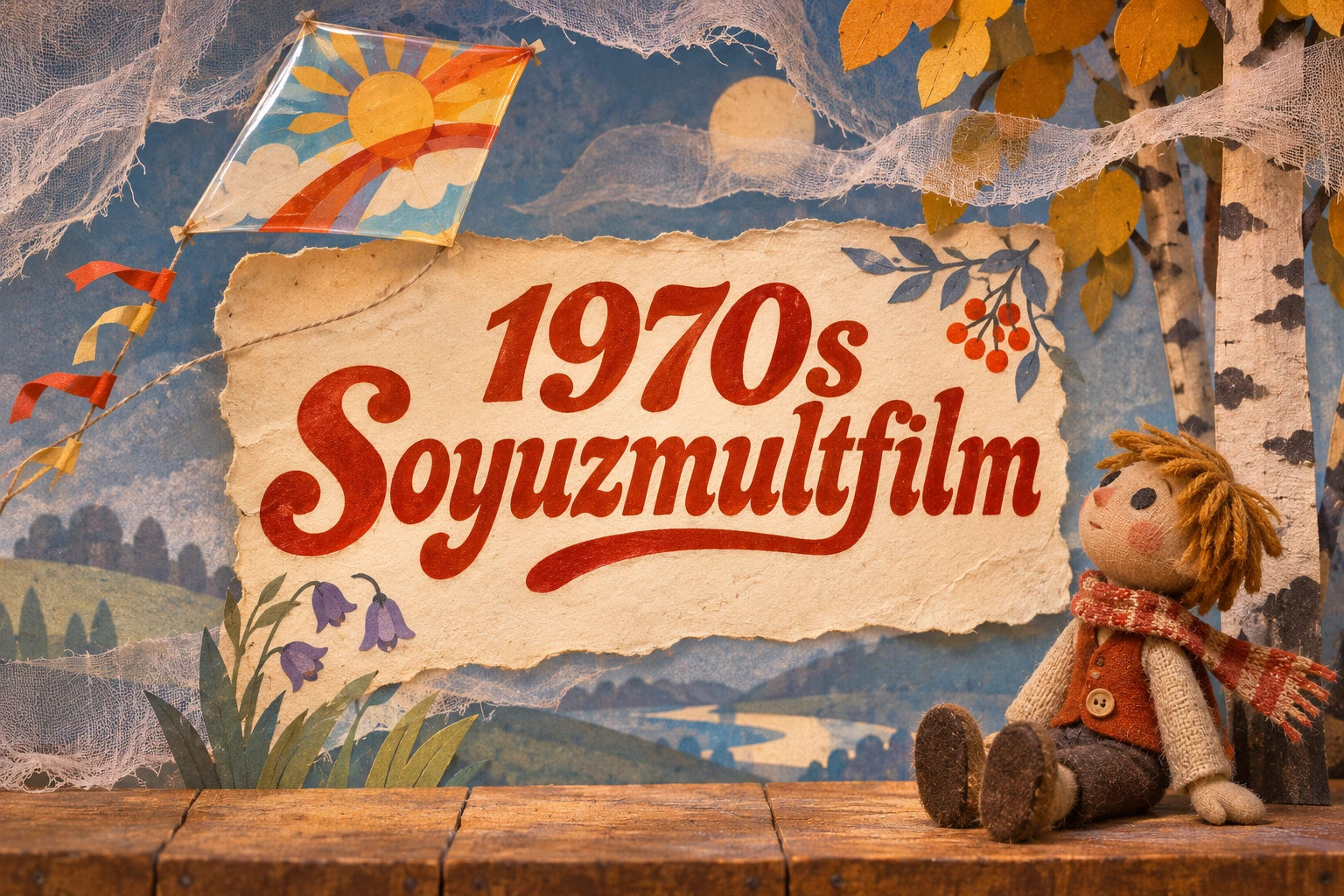
A kite can be funny as a flat red shape. A curtain can be moving because the light gets through it. A heavy button can make a puppet feel as if it has weight. All three belong in a study of the Moscow studio Soyuzmultfilm in the 1970s.
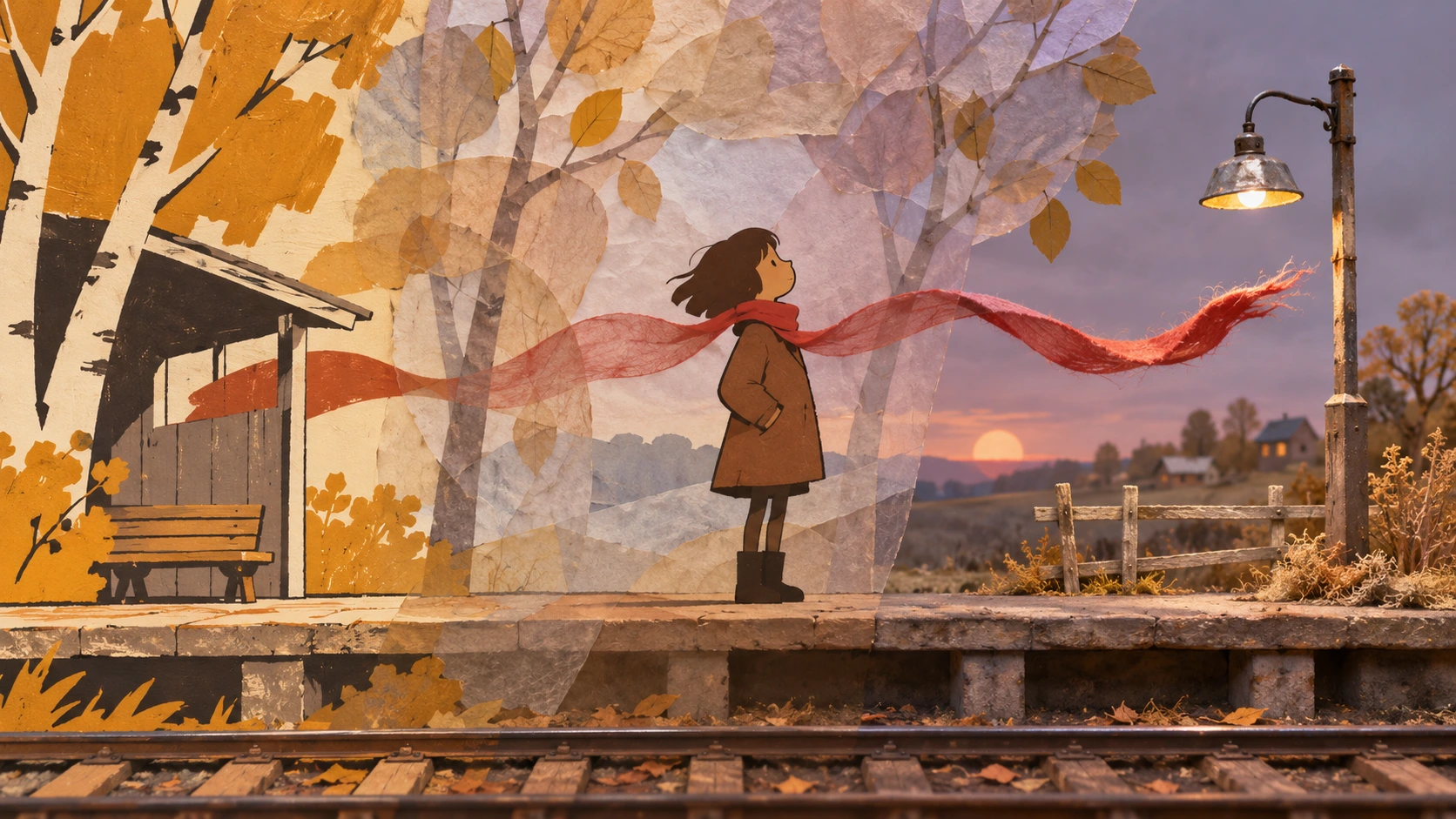
A visual introduction
Seven invented AOI scenes examine different material decisions. The historical films and their makers are documented in the reading list.
Select an image for a closer look. Use the thumbnails, arrow keys or a swipe to compare examples. Zoom in to inspect details, or share the image that inspires you.
Creative toolbox · take this style further
Choose an input and a destination. Search sends your words to the chosen site; Copy & open puts them on your clipboard to paste there.
Create with AI
Turn your chosen input into an image prompt or a new creative direction.
ChatGPT
Copy your input and paste it into a ChatGPT conversation or image request.
Copy & open ChatGPT (new tab)Claude · Anthropic
Develop an image prompt or explore the style in a new Claude conversation.
Copy & open Claude · Anthropic (new tab)Midjourney
Paste your input into the Imagine bar on the Create page.
Copy & open Midjourney (new tab)Adobe Firefly
Copy your input, open Firefly, and paste it into the prompt field.
Copy & open Adobe Firefly (new tab)Leonardo.Ai
Copy your input, open Leonardo, and paste it into the generation field.
Copy & open Leonardo.Ai (new tab)Image search
Find visual references. Short, concrete keywords usually work best.
Lexica
Search AI images and prompts using your selected input.
Search with this input Lexica (new tab)Pexels
Search the photo and video library. Short keywords often work best.
Search with this input Pexels (new tab)Pixabay
Search photos, illustrations and other images.
Search with this input Pixabay (new tab)Unsplash
Search photographs using the style name or your own keywords.
Search with this input Unsplash (new tab)Wikimedia Commons
Search photographs, artworks and historical images. Check each file for its source and reuse terms.
Search with this input Wikimedia Commons (new tab)Art & research
Explore artists, collections and the ideas behind a style.
Wikipedia
Search for background reading. A style may not have its own article.
Search with this input Wikipedia (new tab)WikiArt
Copy your input into WikiArt’s search to explore artists and artworks.
Copy & open WikiArt (new tab)Europeana
Paste your keywords into the search to explore European museum, library and archive collections.
Copy & open Europeana (new tab)Inspiration
Discover portfolios and visual ideas from creative communities.
Instagram hashtags
Search a hashtag made from your input: spaces and punctuation are removed. Instagram may require sign-in.
Search with this input Instagram hashtags (new tab)ArtStation
Paste your input into artwork search for concept art, environments, characters and visual development.
Copy & open ArtStation (new tab)Behance
Paste your input into project search for illustration, design and visual storytelling.
Copy & open Behance (new tab)A closer look
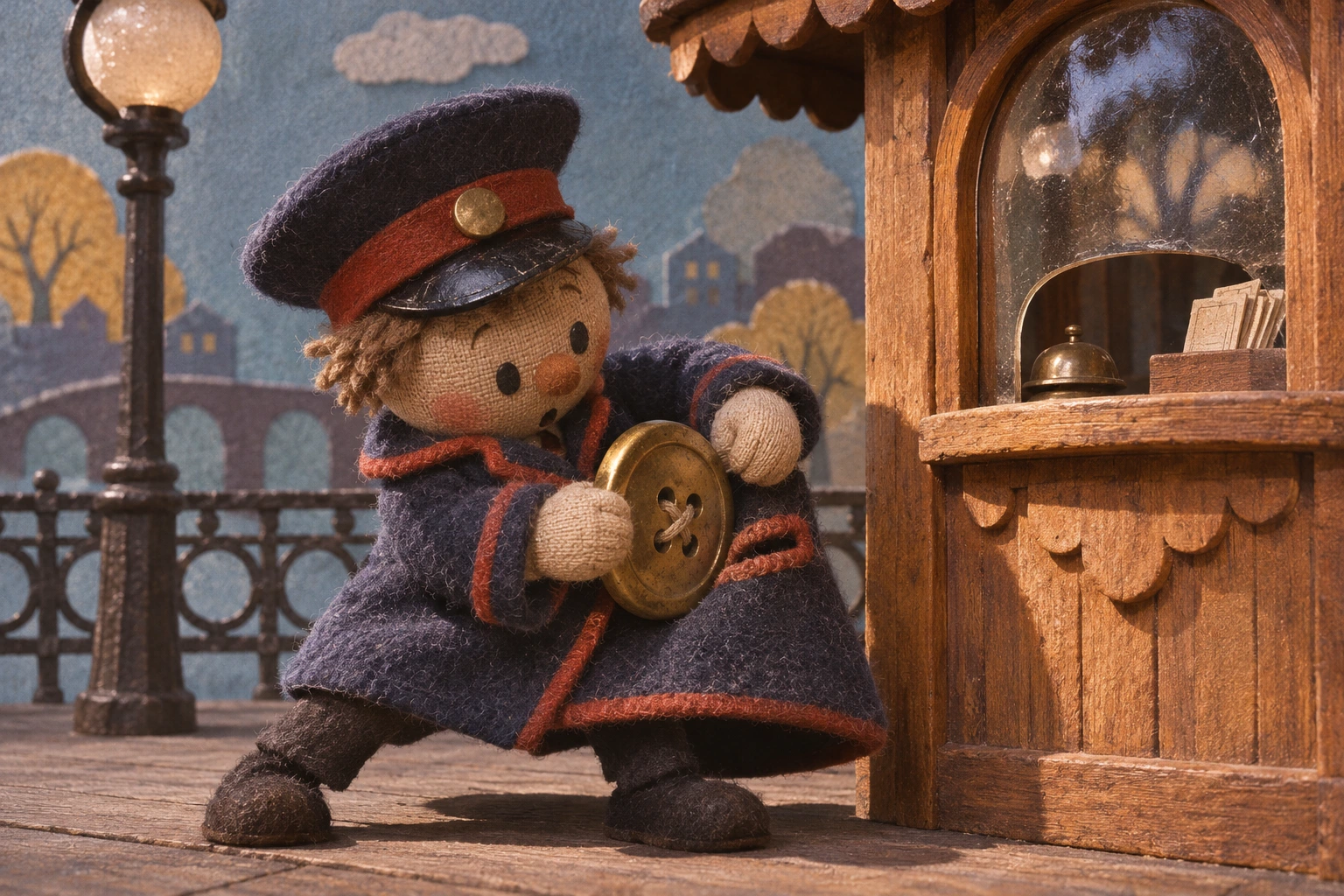
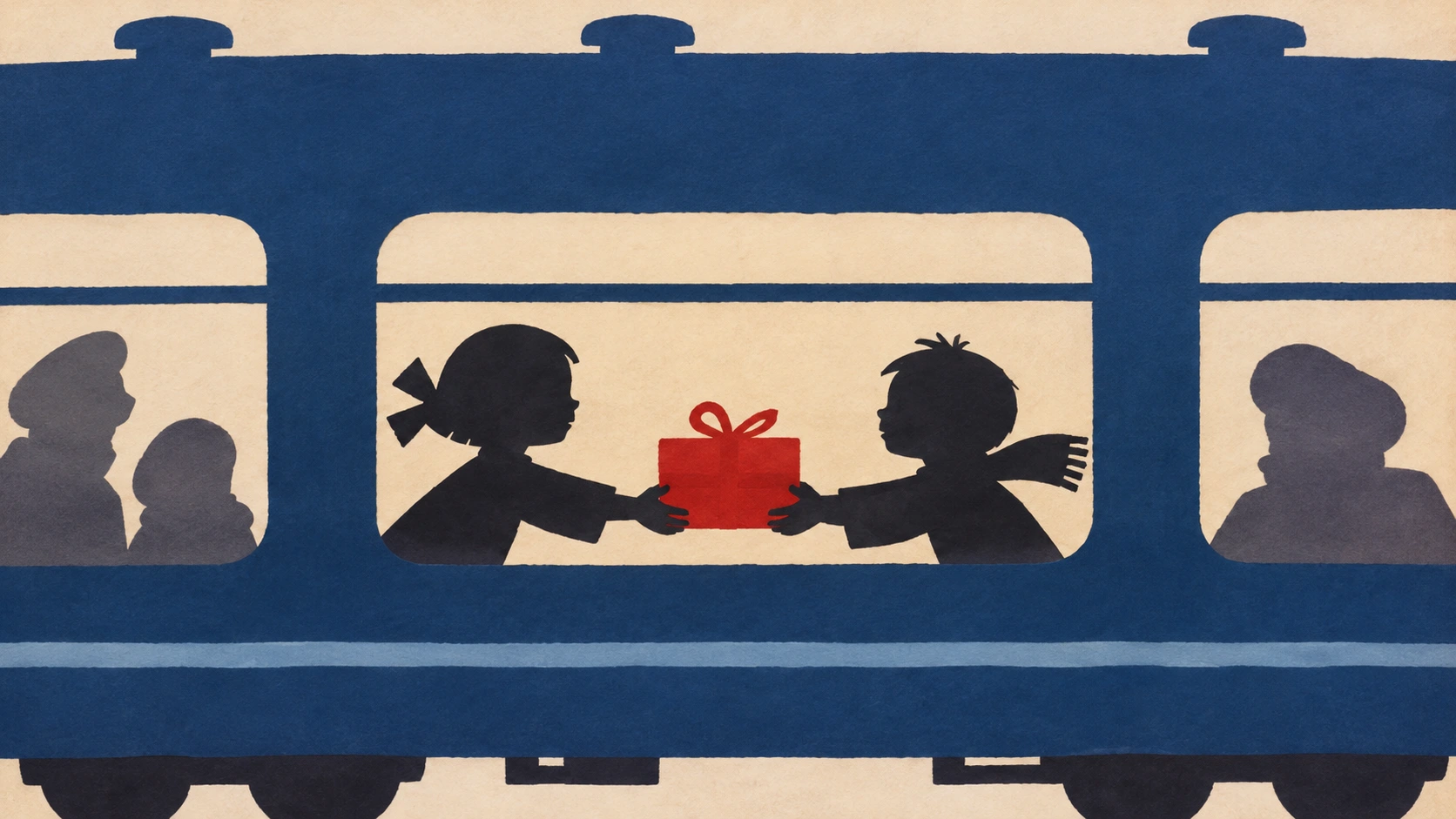
Compare a graphic drawn contour, a partly translucent stack of cut planes and a miniature object with a contact shadow. A material decision changes how long an action seems to take, even in a still frame.
One studio housed several visual languages
Fyodor Khitruk directed the 1971 Winnie-the-Pooh Is Going on a Visit. Look at how silhouettes and a brief exchange carry drawn comedy. Roman Kachanov’s Cheburashka, also from 1971, belongs to another production tradition. A puppet occupies a constructed miniature set, where a sleeve has thickness and the floor receives a small but precise shadow. The Russian Animation Database identifies the teams behind both films.
Yuri Norstein’s Hedgehog in the Fog (1975) and Tale of Tales (1979) supply other questions again. Production designer Francheska Yarbusova and cinematographer Aleksandr Zhukovsky are important to an account of the former. Stacked picture planes, atmospheric veils and carefully chosen intervals of visibility do more than an adjective like dreamy can explain. The cited archives document the films. The gallery contains newly invented scenes.
What a cut, a drawing and a miniature each offer
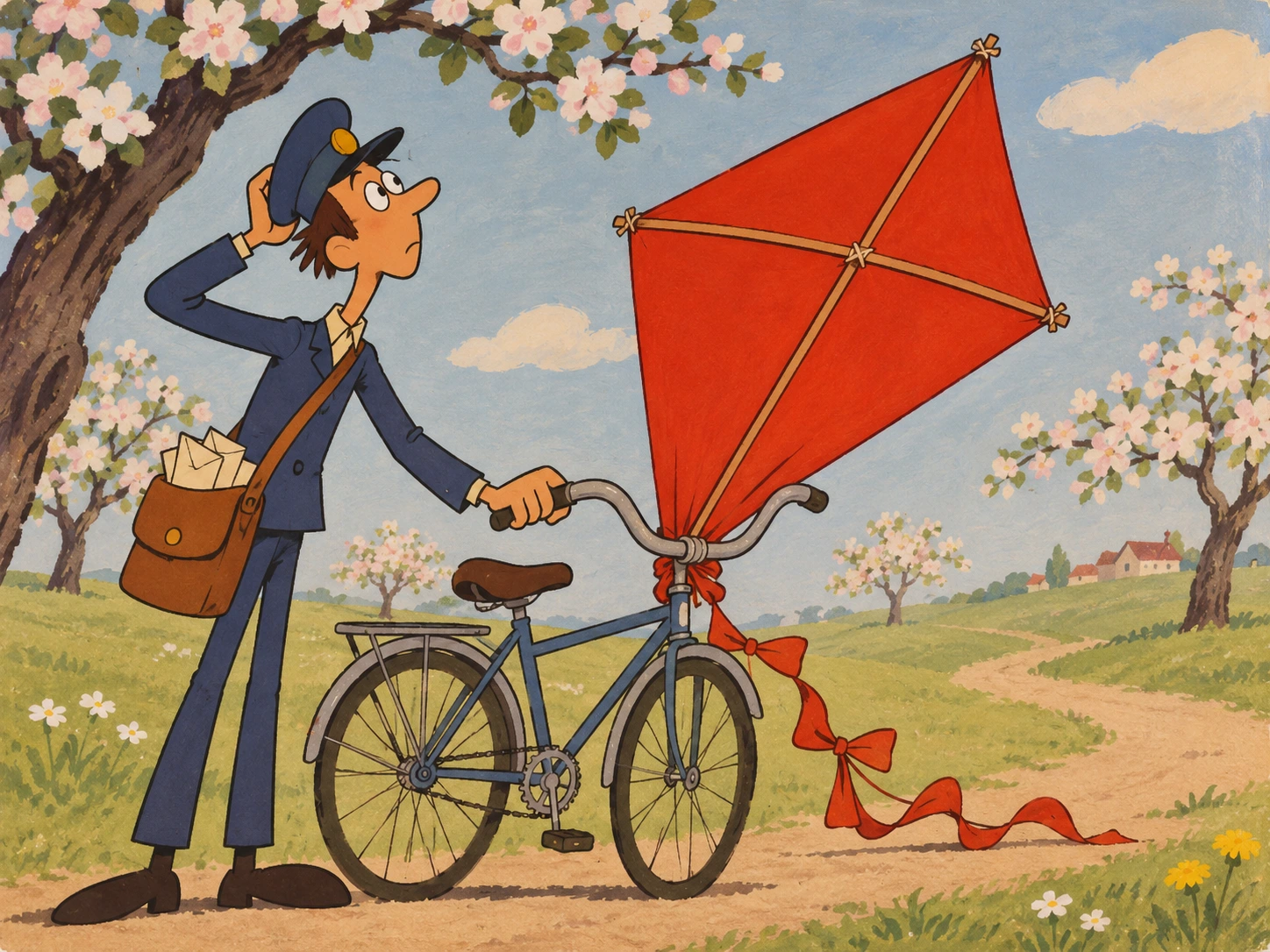
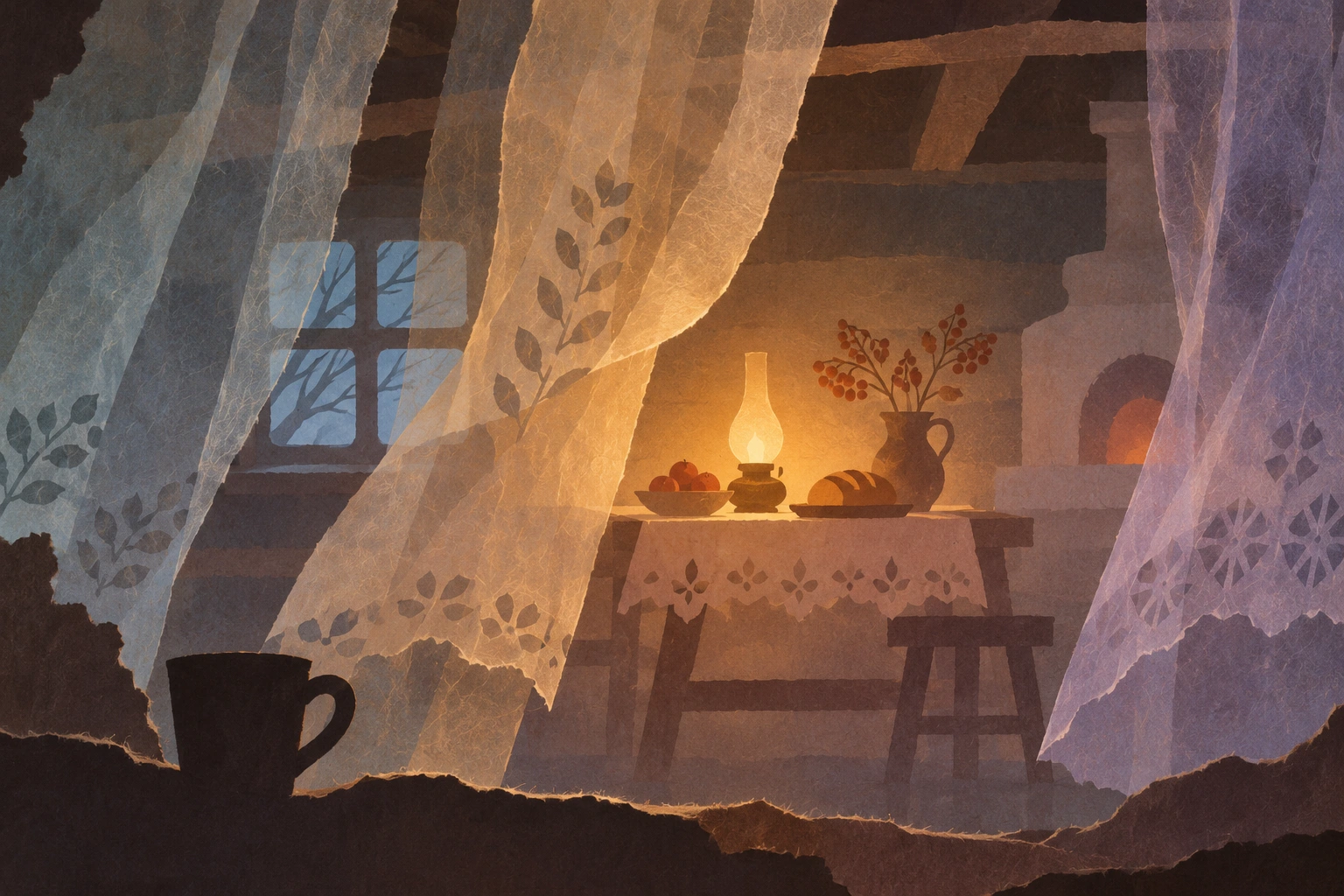
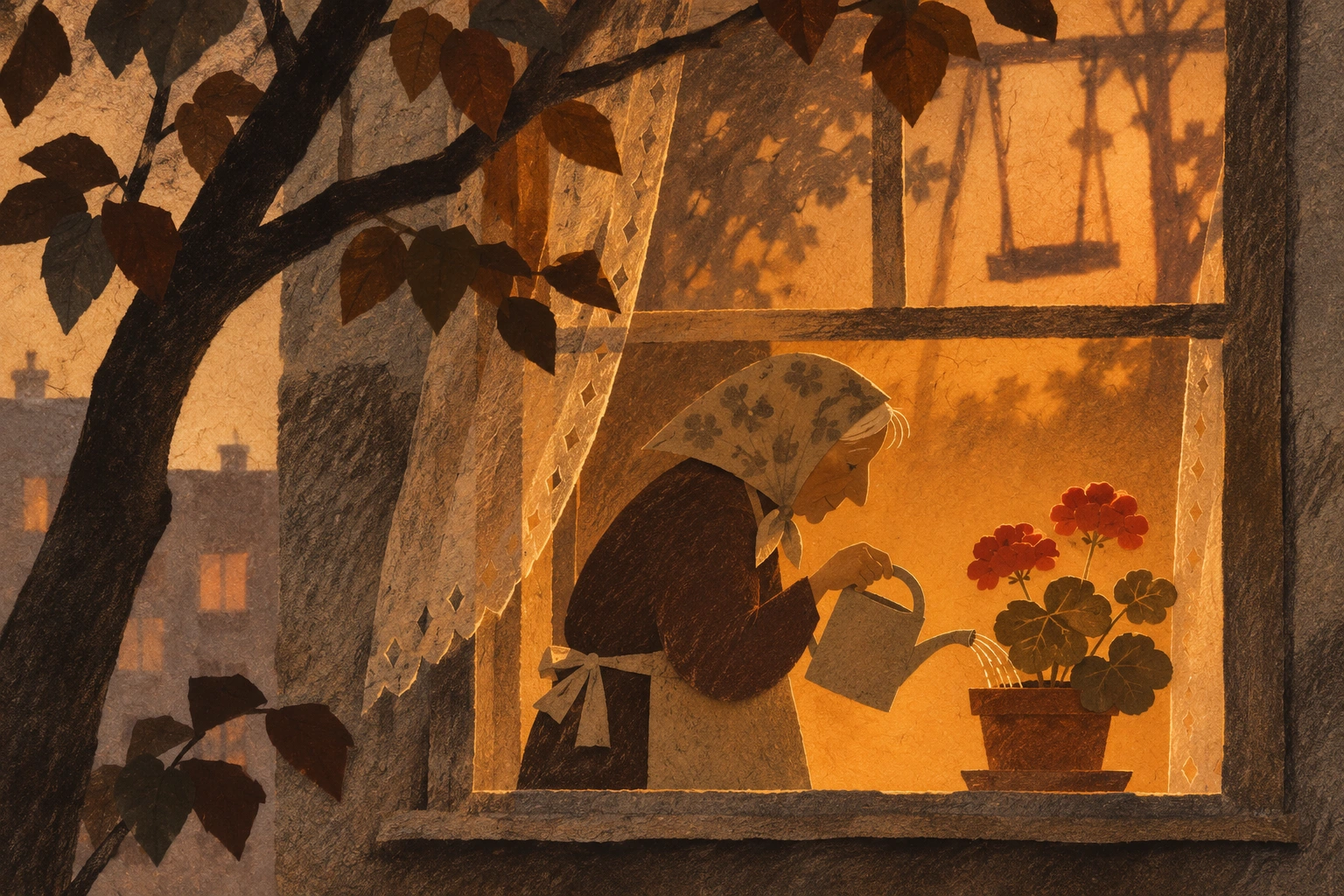
In our postman scene the red kite reads across a room. A large simple shape lets an audience understand the problem before examining the bicycle. In the supper scene, the table occupies very little space. An opaque cup near the viewer and partially obscuring planes create an interval the eye must travel.
The conductor’s difficulty belongs to another scale. A felt sleeve, the wooden booth and a stubborn button all seem to resist a gesture. Translate that situation into flat cel color and the joke would become brisker. Material influences timing long before a character actually moves.
An exercise in patient attribution
When researching a studio period, name the film, year, director and the collaborator whose contribution explains the detail you discuss. A studio credit alone is too broad for a claim about a particular hand. A photographic texture on an AI image also tells you very little about how a historical film was fabricated.
To make a new frame, give it one event worth holding. A parcel passing across a train window supplies a clean pause. A swing glimpsed in a reflection asks for a different one. Describe the event, the arrangement of planes and what the light touches. Those directions travel further than asking for a single national look.
Three readings from Penny’s desk
Positive review. The change from paper curtains to the conductor’s heavy button reveals how many different pauses a still image can suggest. The comparison gives the decade room to breathe.
Negative review. Nostalgic grain over every scene would erase the differences under study. Start with a hard contour, a light-transmitting plane or a shadow under a solid prop.
Neutral review. These plates introduce material choices at the studio. Film credit records and screenings remain essential for studying actual movement, editing, sound and individual authorship.
A small poetic detour
Original words from the AOI studio.
Poetry
A line can catch a bicycle.
A veil can hold a room away.
A wooden button takes its time.
Three stations on the same short line.
The prompt workshop
Original creative exercises. These prompts create new illustrations, not documentary evidence.
Test a drawn pause
An invented bicycle postman stops because a red kite has caught in the handlebars. Economical ink contour and opaque red against a quietly painted orchard. Hold the instant before he reaches for the knot.
Organize the picture in depth
An invented cottage table in amber light, seen through three translucent paper curtains. Use a dark, hard-edged cup in front, a softer middle veil and a distant lamp.
Let a puppet meet resistance
A small wool-clad conductor tries to fasten an oversized button by a ticket booth. Show a solid floor, the weight of one foot and an attached shadow.
A smile from the studio
Jokes
The conductor blamed the delay on his button. On a miniature railway that is an entirely credible mechanical fault.