
Figurative painting genre
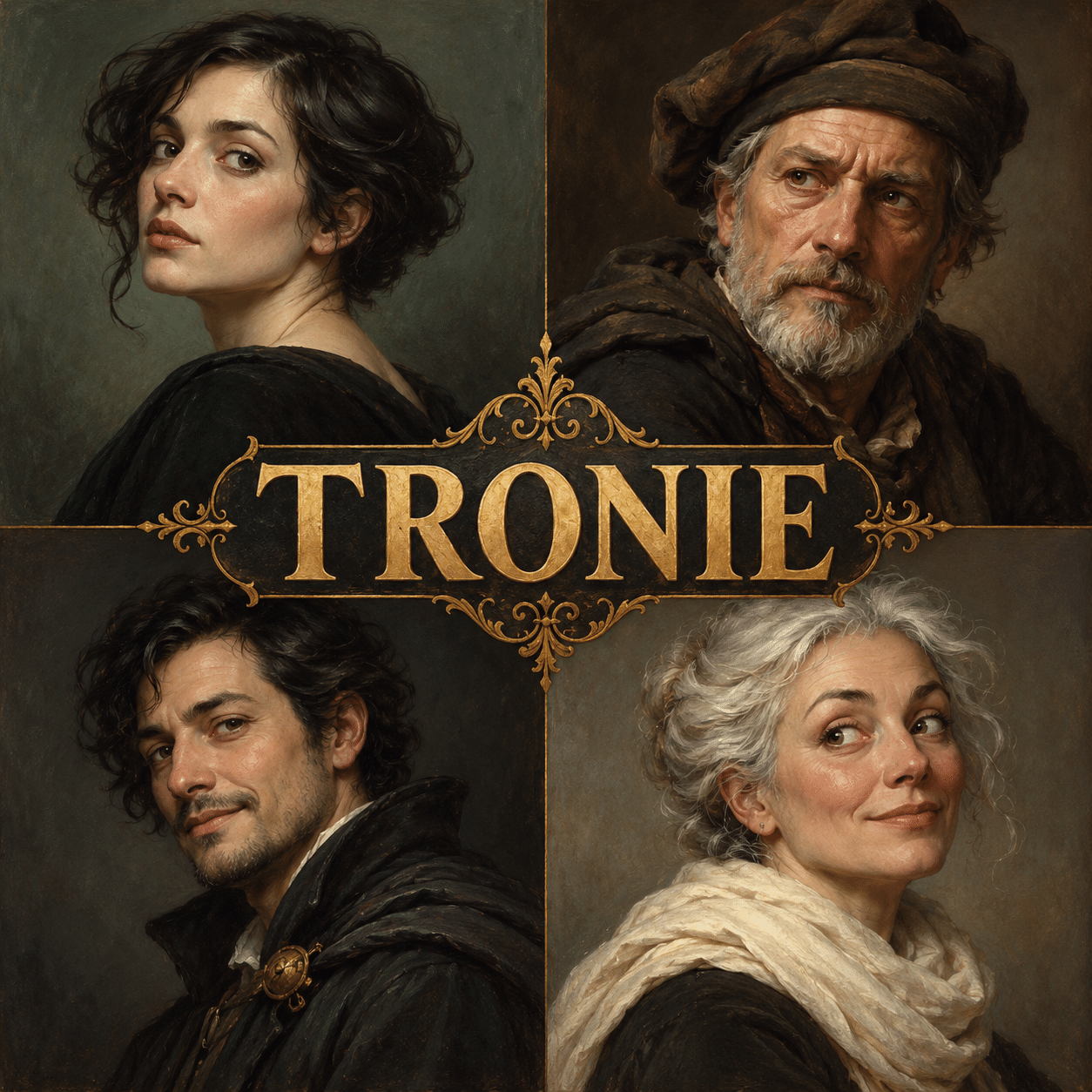
A tronie explores a head, expression or character rather than primarily recording a particular sitter’s identity. Discover how pose, light, costume and paint can make a small figure study compelling without inventing a biography for its subject.

A visual introduction
Select an image for a closer look. Use the thumbnails, arrow keys or a swipe to compare examples. Zoom in to inspect details, or share the image that inspires you.

Creative toolbox · take this style further
Choose an input and a destination. Search sends your words to the chosen site; Copy & open puts them on your clipboard to paste there.
Create with AI
Turn your chosen input into an image prompt or a new creative direction.
ChatGPT
Copy your input and paste it into a ChatGPT conversation or image request.
Copy & open ChatGPT (new tab)Claude · Anthropic
Develop an image prompt or explore the style in a new Claude conversation.
Copy & open Claude · Anthropic (new tab)Midjourney
Paste your input into the Imagine bar on the Create page.
Copy & open Midjourney (new tab)Adobe Firefly
Copy your input, open Firefly, and paste it into the prompt field.
Copy & open Adobe Firefly (new tab)Leonardo.Ai
Copy your input, open Leonardo, and paste it into the generation field.
Copy & open Leonardo.Ai (new tab)Image search
Find visual references. Short, concrete keywords usually work best.
Lexica
Search AI images and prompts using your selected input.
Search with this input Lexica (new tab)Pexels
Search the photo and video library. Short keywords often work best.
Search with this input Pexels (new tab)Pixabay
Search photos, illustrations and other images.
Search with this input Pixabay (new tab)Unsplash
Search photographs using the style name or your own keywords.
Search with this input Unsplash (new tab)Wikimedia Commons
Search photographs, artworks and historical images. Check each file for its source and reuse terms.
Search with this input Wikimedia Commons (new tab)Art & research
Explore artists, collections and the ideas behind a style.
Wikipedia
Search for background reading. A style may not have its own article.
Search with this input Wikipedia (new tab)WikiArt
Copy your input into WikiArt’s search to explore artists and artworks.
Copy & open WikiArt (new tab)Europeana
Paste your keywords into the search to explore European museum, library and archive collections.
Copy & open Europeana (new tab)Inspiration
Discover portfolios and visual ideas from creative communities.
Instagram hashtags
Search a hashtag made from your input: spaces and punctuation are removed. Instagram may require sign-in.
Search with this input Instagram hashtags (new tab)ArtStation
Paste your input into artwork search for concept art, environments, characters and visual development.
Copy & open ArtStation (new tab)Behance
Paste your input into project search for illustration, design and visual storytelling.
Copy & open Behance (new tab)A closer look
Close head-and-shoulders framing; expressive turns or facial gestures; selective lighting; distinctive costume or material accents; a restrained setting; concentrated attention to the painted face rather than a documented social identity.
A face with a different purpose
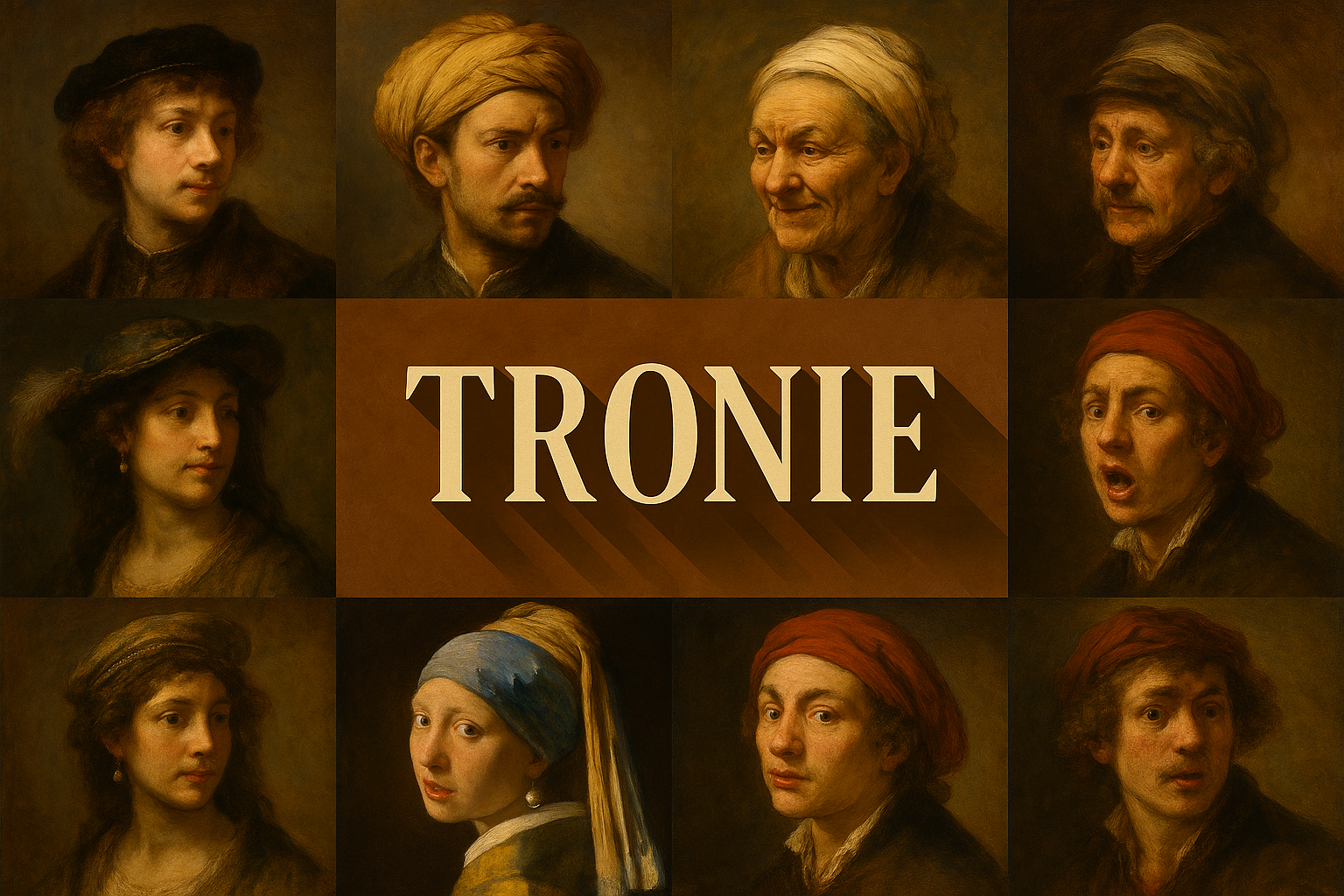
In seventeenth-century Dutch art, a tronie was a study of a head or character rather than a portrait made chiefly to preserve an identifiable person’s likeness. A real model might still sit for it. The Metropolitan Museum’s discussion of Vermeer’s Study of a Young Woman emphasizes that imaginary character and observed model are compatible, not mutually exclusive.
The distinction concerns purpose. A portrait can certainly be expressive, and a tronie can look highly individual. Recognizing one requires more than noticing an unusual hat or dramatic shadow. Titles, historical descriptions, context and the way the image addresses the viewer can all contribute to interpretation.
Light, costume and character
The Mauritshuis identifies Vermeer’s Girl with a Pearl Earring, around 1665, as a tronie and discusses the play of light across face, clothing and the large earring. The painting’s famous appearance should not become a template that every contemporary study repeats.
A different Mauritshuis example, Rembrandt’s Tronie of a Man with a Feathered Beret, uses a turning head, striking dress and reflected light on metal. Comparing the two suggests how varied the genre can be. Costume, posture and surface can establish a character without requiring a fully developed narrative or a named sitter.
Begin with a readable turn
Choose the relationship between head, shoulders and gaze before adding accessories. A slight turn can create tension between the direction of the body and the viewer. A lifted chin, narrowed eyes or relaxed mouth changes the reading, but the expression should remain anatomically plausible.
Keep the framing purposeful. Too much empty torso can dilute the concentration; an overly tight crop may cut off the very gesture that gives the study character. Use the background to support the head’s silhouette. It can be quiet without being uniformly black, and its colour can subtly influence the skin tones.
Let paint distinguish materials
Skin, cloth and metal should respond differently to light. Model the face with transitions that explain its planes, then choose a few sharper accents around the eyes, mouth or nose. Broader handling in the clothing can keep the face dominant while still suggesting fabric weight.
An accessory should earn its place through shape, colour or reflection. A soft cap can change the silhouette; a small metal clasp can catch a concentrated highlight. Avoid collecting costume details simply to make the figure look historical. Invented clothing should be described as theatrical or contemporary interpretation rather than authenticated period dress.
Character is not a diagnosis
Describe visible expression without claiming to know the subject’s inner life. A furrowed brow may suggest concentration, concern or a posed exercise; it does not prove a personality, illness or biography. The expressive openness is part of what makes such studies interesting.
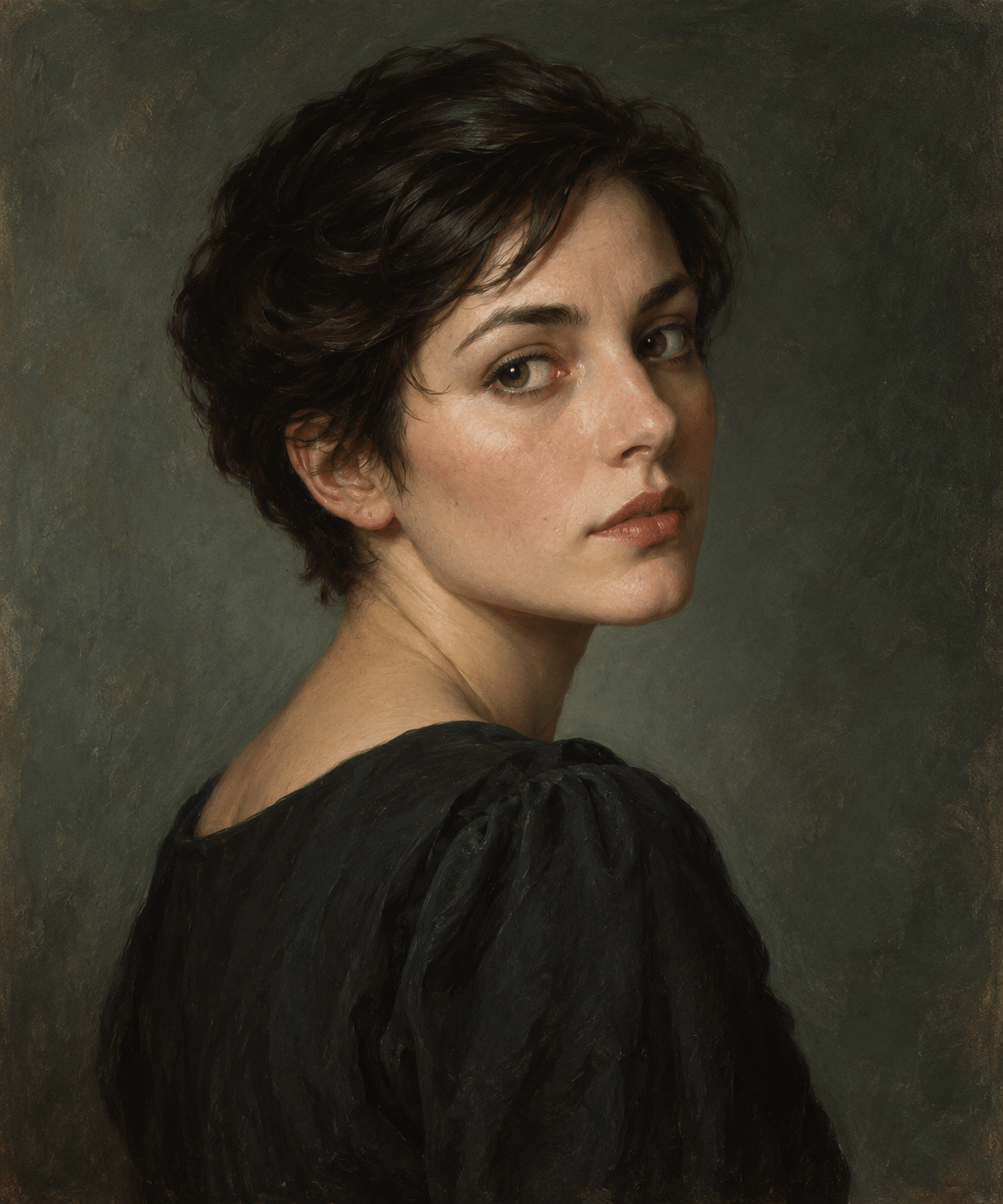
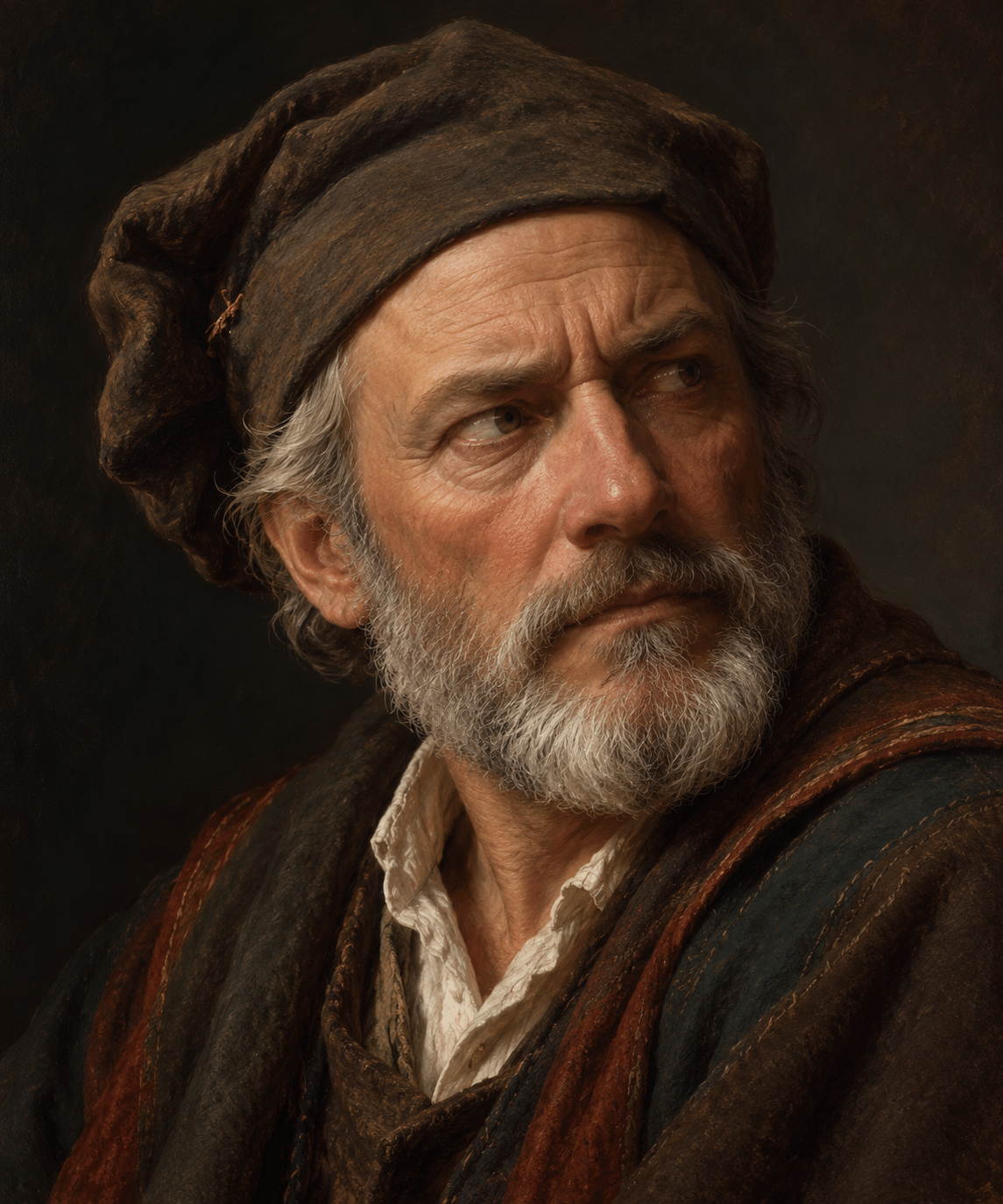
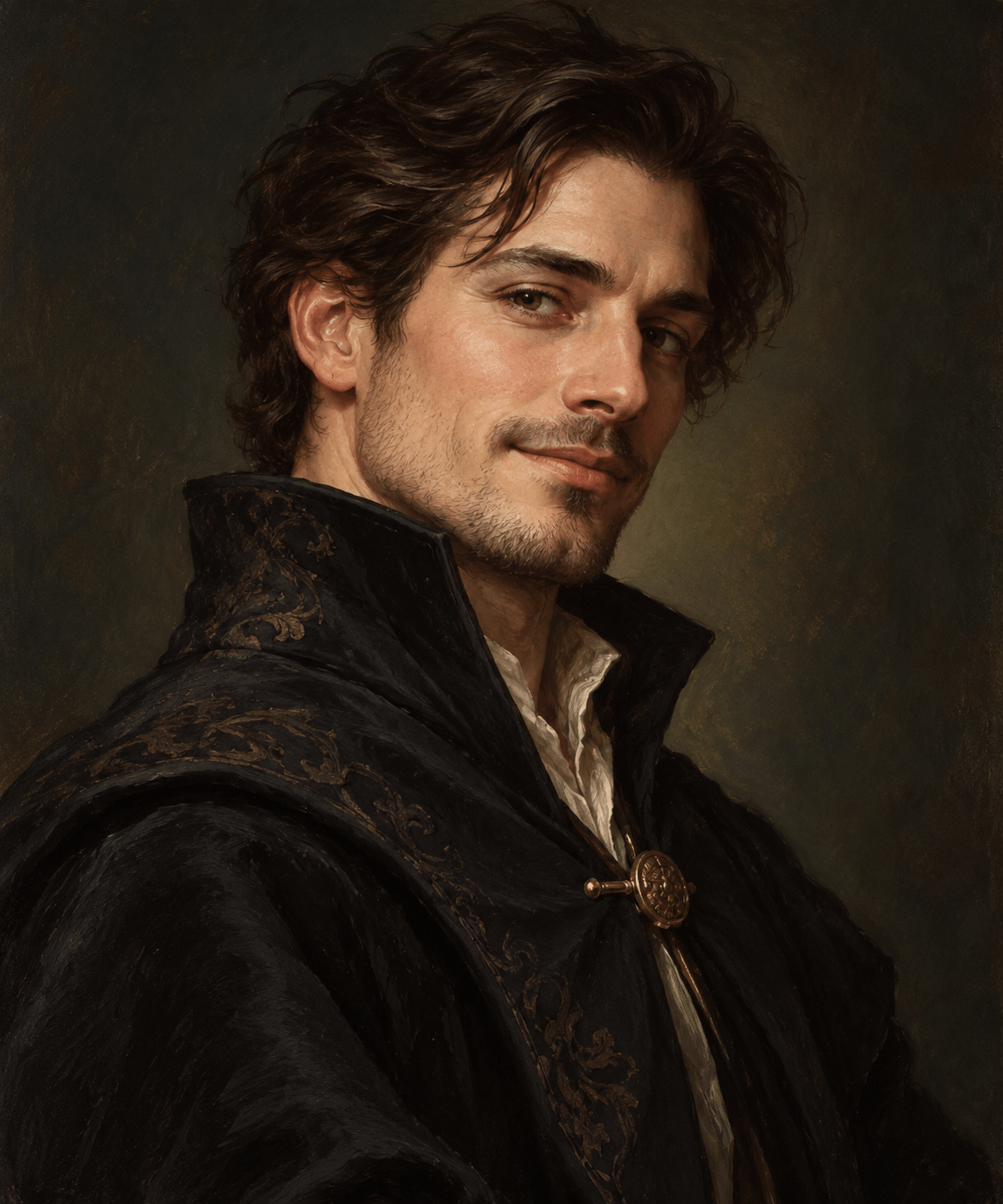
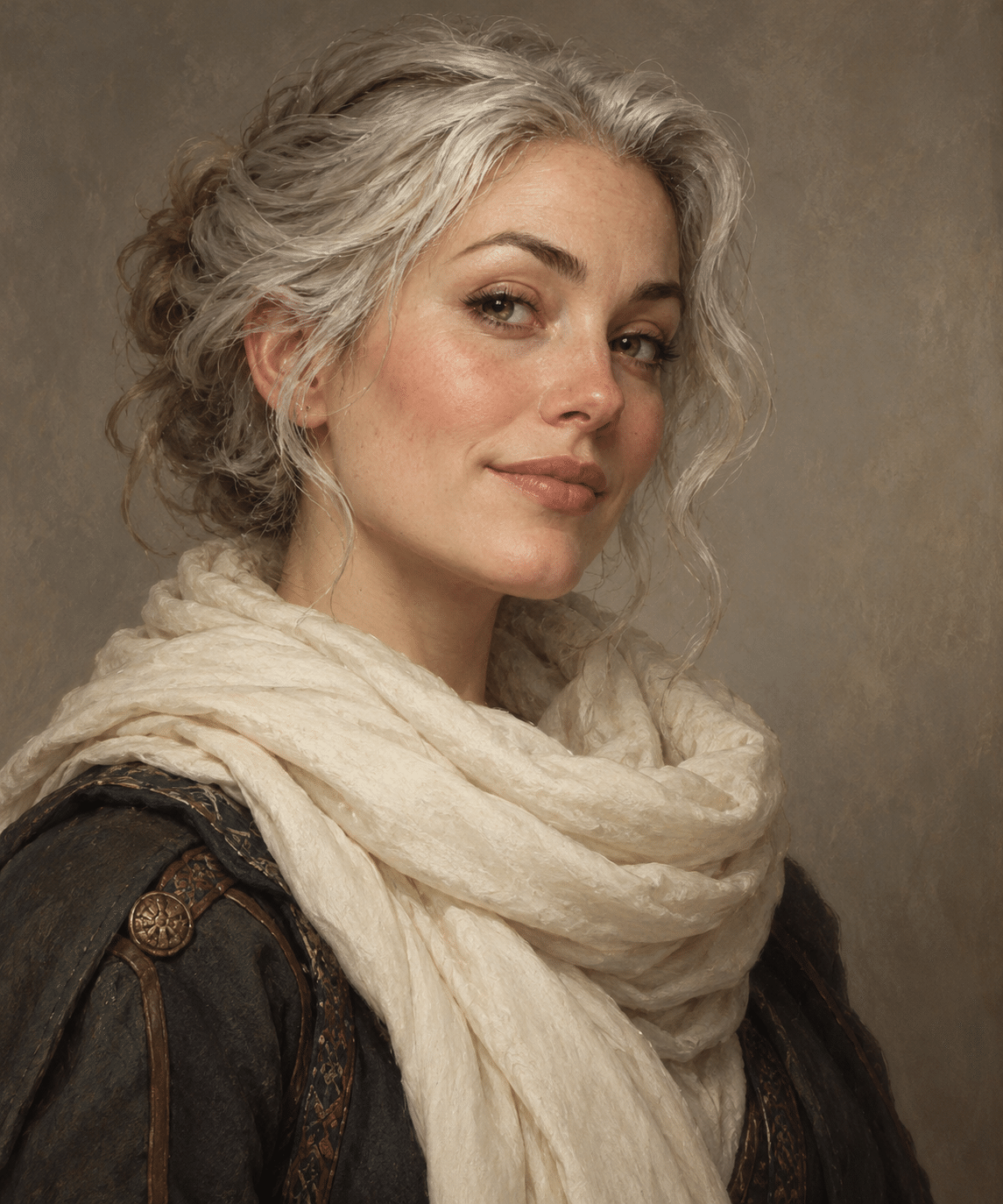
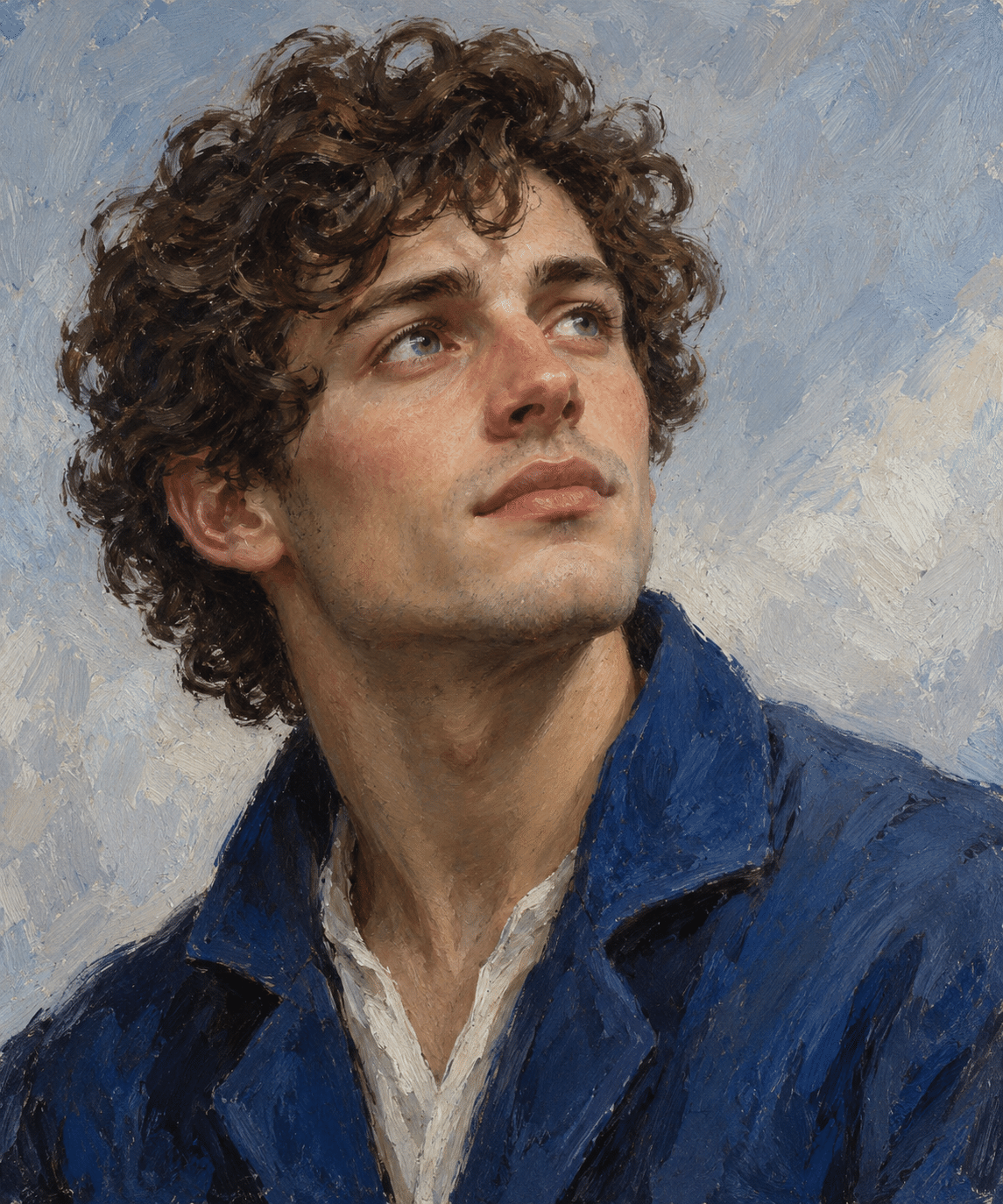
The new AI gallery presents fictional adults with different ages, poses and lighting. These images are contemporary tronie-inspired studies, not portraits of real historical people or newly discovered paintings. For a prompt, specify one expressive intention, a coherent head turn and a restrained material contrast. The result should invite sustained looking rather than rely on a recognizable imitation of a famous work.
Positive editorial assessment — AI-authored
A strong tronie concentrates attention on the expressive possibilities of a head. Small changes of gaze, light and paint handling can carry the image. Its freedom from a detailed biographical narrative allows ambiguity while still offering a convincing sense of human presence.
Critical editorial assessment — AI-authored
The genre can be reduced to theatrical hats and borrowed old-master lighting. Exaggerated expression may become caricature, while invented backstories can mislead. Improve a study through coherent anatomy, selective accessories and precise description of what is actually visible.
Neutral editorial assessment — AI-authored
Tronie is a historically grounded category with a different emphasis from commissioned portraiture. Contemporary studies can explore its attention to expression and costume, but resemblance alone does not establish historical identity or attribution. The depicted model, intended character and surviving evidence should remain distinct.
A small poetic detour
Original words from the AOI studio.
Poetry
A shoulder turns before the face;
the eyes arrive a moment late.
The light rests briefly on a cheek
and leaves the mouth to hesitate.
No name is needed for the pause,
no tale must make the gesture true.
A painted head can hold a question
and leave the answer there with you.
The prompt workshop
Original creative exercises. These prompts create new illustrations, not documentary evidence.
A quiet turn
Original tronie-inspired painting of a fictional adult woman turning her head slightly over one shoulder, plain dark dress, soft side light and restrained grey-green background, subtle expression, no pearl-earring or famous-painting imitation.
Age and concentration
Original expressive head study of a fictional older adult man in a simple soft cap, thoughtful brow, warm reflected light and nuanced skin texture, credible anatomy, no claimed historical identity or signature.
Material contrast
Original tronie-inspired study of a fictional fully clothed adult in a dark theatrical coat with one small brass clasp, gentle smile, three-quarter head turn and controlled highlight, no authenticated period-costume claim.
Your next inspiration
Discover another art style
Follow a visual thread to the next subject.


Early Netherlandish Painting: Presence, Detail and Luminous Surfaces
Compare a different period of Netherlandish painting.
A smile from the studio
Jokes
The hat arrived with an elaborate biography. The face preferred to keep the conversation open.