
Darkroom tonal effect
The Sabattier effect produces partial tonal reversal and distinctive boundaries. Its history is more specific than a generic “solarized” filter.
A closer look
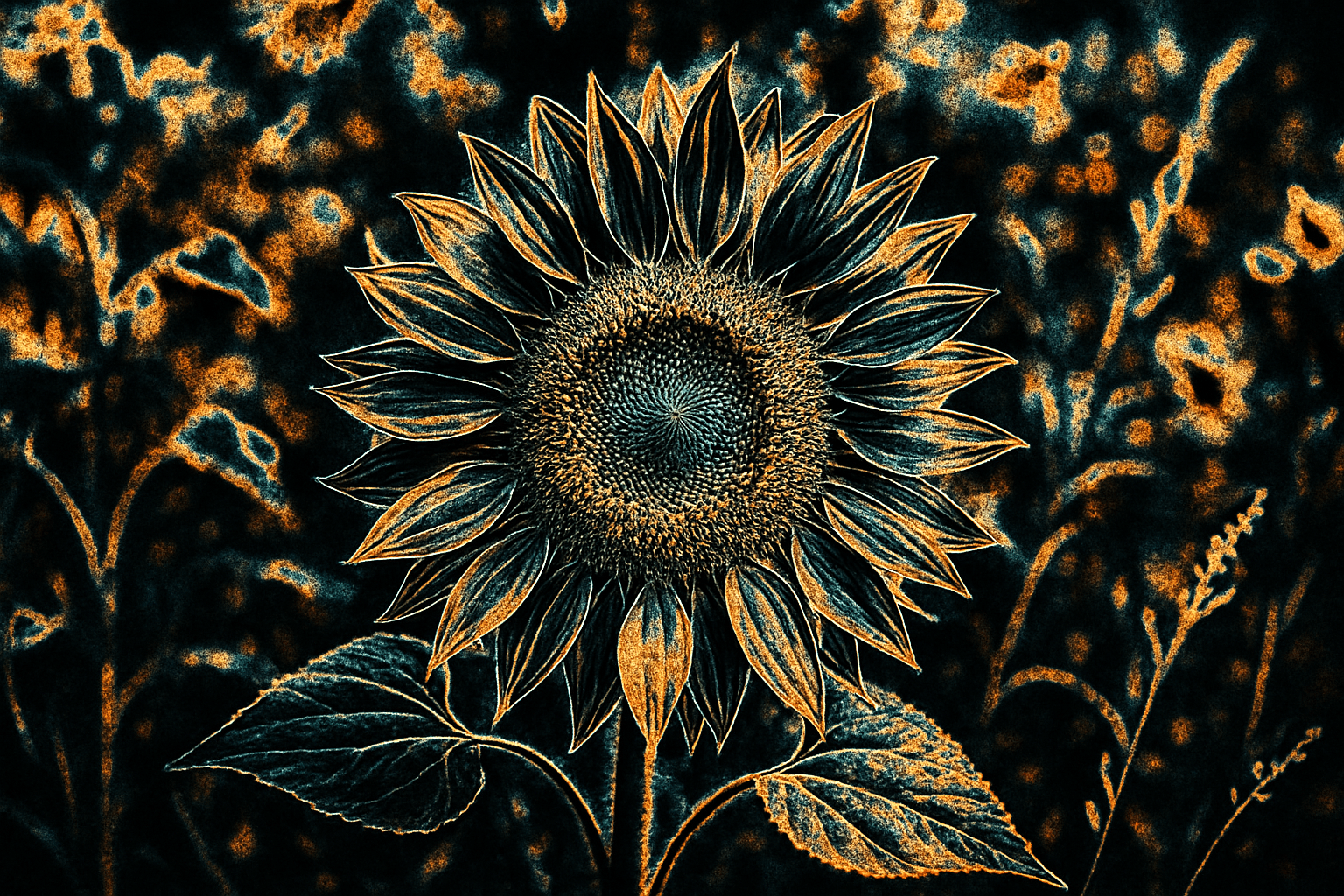
Look for subjects with clear transitions between light and dark: a hand, a folded cloth or a pale vessel against a dark field.
Understanding the subject
The Sabattier effect is associated with re-exposing photographic material to light during development, producing partial reversal and characteristic tonal effects. It is often called solarization informally, but true solarization from extreme exposure is a different phenomenon. The terms therefore need context. This guide discusses appearance and terminology, not a chemical processing recipe or a guarantee that every image will show the same edge pattern.
AOI looking and making workshop
Look for subjects with clear transitions between light and dark: a hand, a folded cloth or a pale vessel against a dark field. Partial reversal can make familiar forms difficult to read, so keep a recognizable silhouette. Compare the effect on broad tones with its effect on fine detail. A digital interpretation should be labeled as such instead of presented as an original darkroom print. Avoid applying the strongest reversal everywhere; leaving one stable tonal area gives the viewer a useful point of entry.
The prompt workshop
Original creative exercises. These prompts create new illustrations, not documentary evidence.
Tonal reversal study
Create a digital interpretation of the Sabattier effect using a pale ceramic jug against a dark cloth, partial tonal reversal and delicate contour boundaries. Preserve the jug’s recognizable silhouette.
A folded surface
Create an original monochrome study of folded satin with selective Sabattier-inspired tonal reversal, luminous seams between dark and light regions and a quiet background. Keep one broad fold conventionally shaded.
Positive and reversed
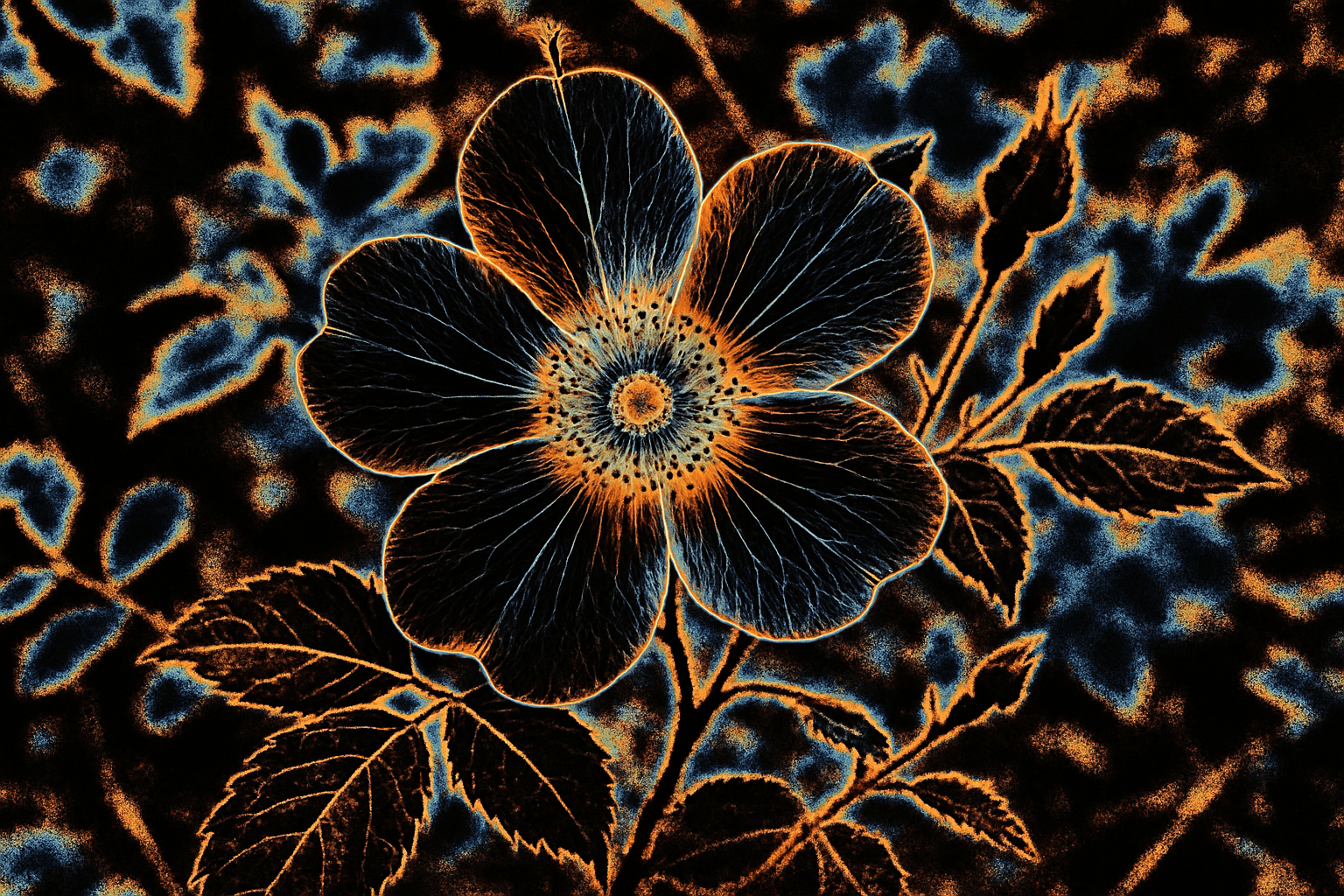
Create a two-panel digital experiment with the same botanical silhouette: one conventional monochrome rendering and one selectively reversed tonal interpretation. Maintain consistent framing and avoid adding labels or fake print provenance.
Your next inspiration
Discover another art style
Follow a visual thread to the next subject.

Sources and further exploration
Art & Architecture Thesaurus Full Record Display (Getty Research)
http://www.moma.org/about_moma/press/2000/man_ray_3_21_00.html