Contemporary visual descriptor
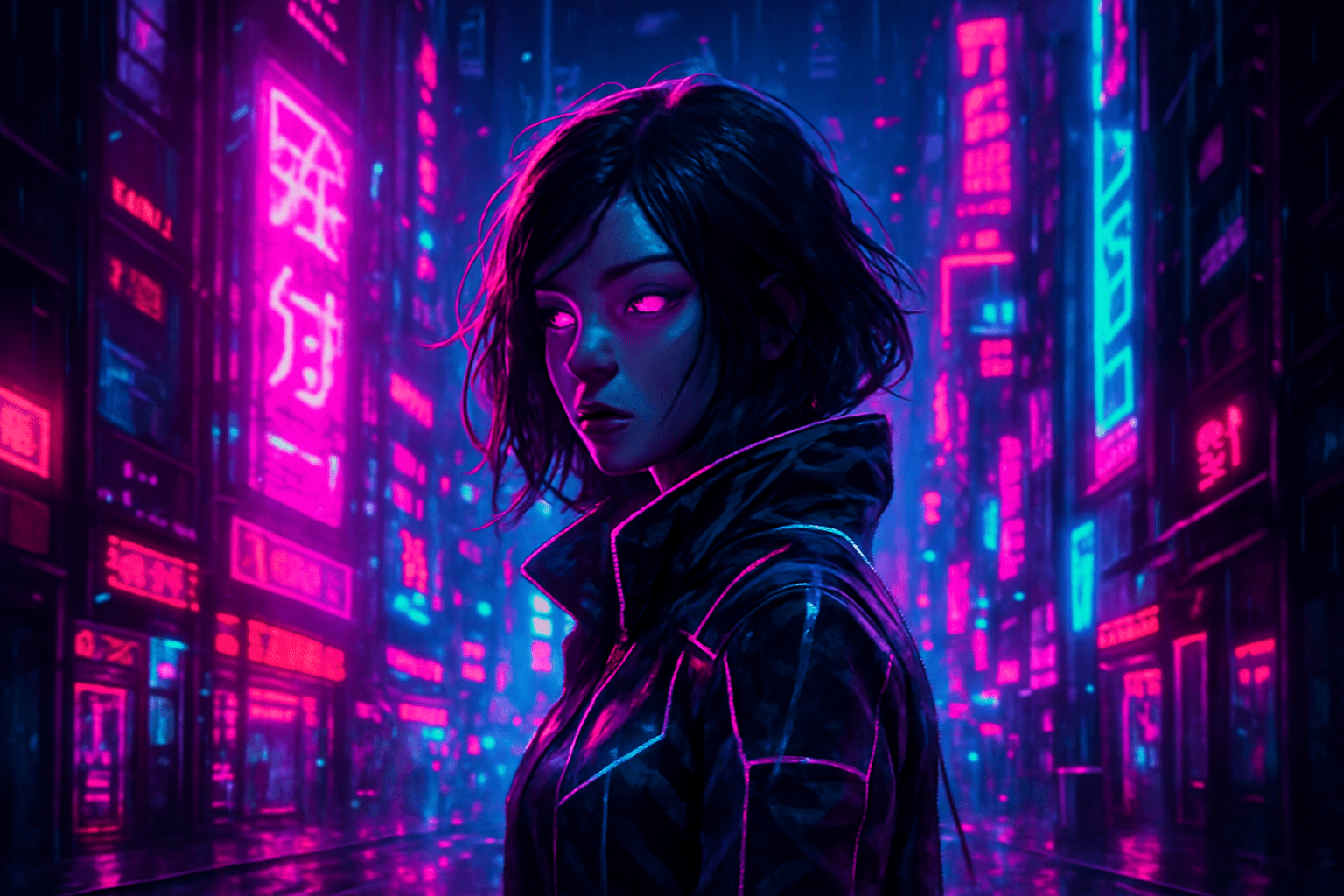
Realistic cyberpunk asks how advanced systems might sit within a worn, unequal and materially believable city.
A closer look
Start with how a place works: deliveries, drainage, repairs, shelter and access.
Understanding the subject
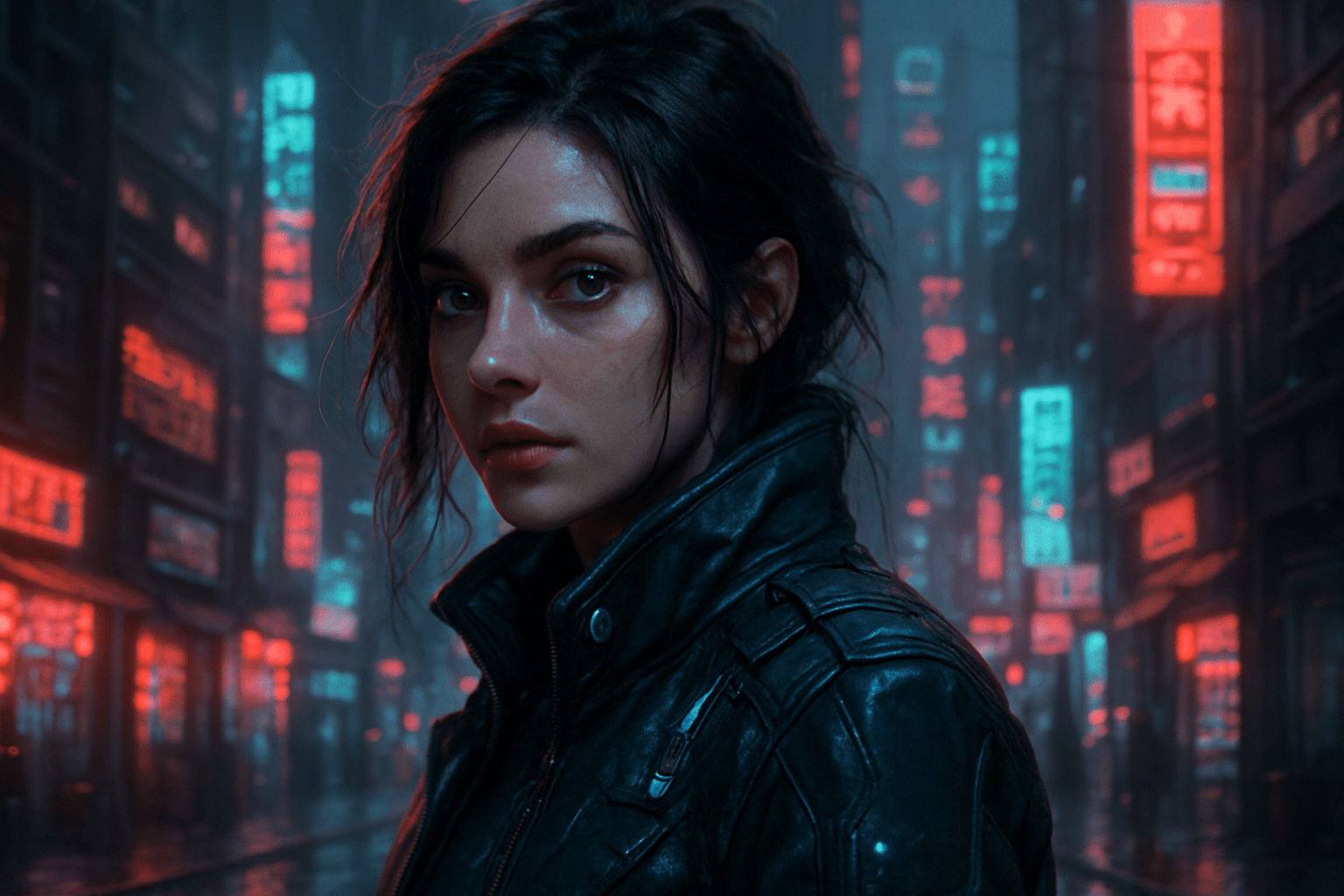
Cyberpunk is associated with speculative fiction, while “realistic cyberpunk” is a practical visual descriptor rather than a separately established historical movement. Technology, infrastructure and social contrast can shape the image. Neon signs alone do not explain the genre. An original scene should distinguish plausible material relationships from imaginative inventions, and it should not be offered as documentary evidence of a real city or future event.
AOI looking and making workshop
Start with how a place works: deliveries, drainage, repairs, shelter and access. Let newer systems coexist with older surfaces rather than making everything equally futuristic. Use weathering where contact and water would plausibly occur. Establish a few readable human activities before adding distant towers. In generated work, inspect cables, stairs and doors for functional connections. A restrained light hierarchy often feels more convincing than uniform glow. The contrast between a maintained private space and a neglected public one can suggest social structure without explanatory text.
The prompt workshop
Original creative exercises. These prompts create new illustrations, not documentary evidence.
A repaired future
Create an original realistic cyberpunk street workshop beneath an aging apartment block, practical cables, patched pavement and one advanced delivery drone. Use overcast light and believable wear rather than excessive neon.
Unequal city layers
Create an original speculative city scene with a polished elevated walkway above a crowded repair market, coherent supports and human-scale activity. Use restrained cool light with a few warm working lamps.
Cyberpunk in daylight
Create an original near-future neighborhood in bright morning light, old brick façades fitted with discreet sensors and improvised shade structures. Emphasize adaptation and material plausibility, with no glowing billboard clutter.
Your next inspiration
Discover another art style
Follow a visual thread to the next subject.