
Experimental photographic transfer technique
A Polaroid emulsion lift separates an image-bearing layer from compatible instant film and transfers it to another support. Wrinkles, folds and irregular edges make the photograph a physical material as well as an image.
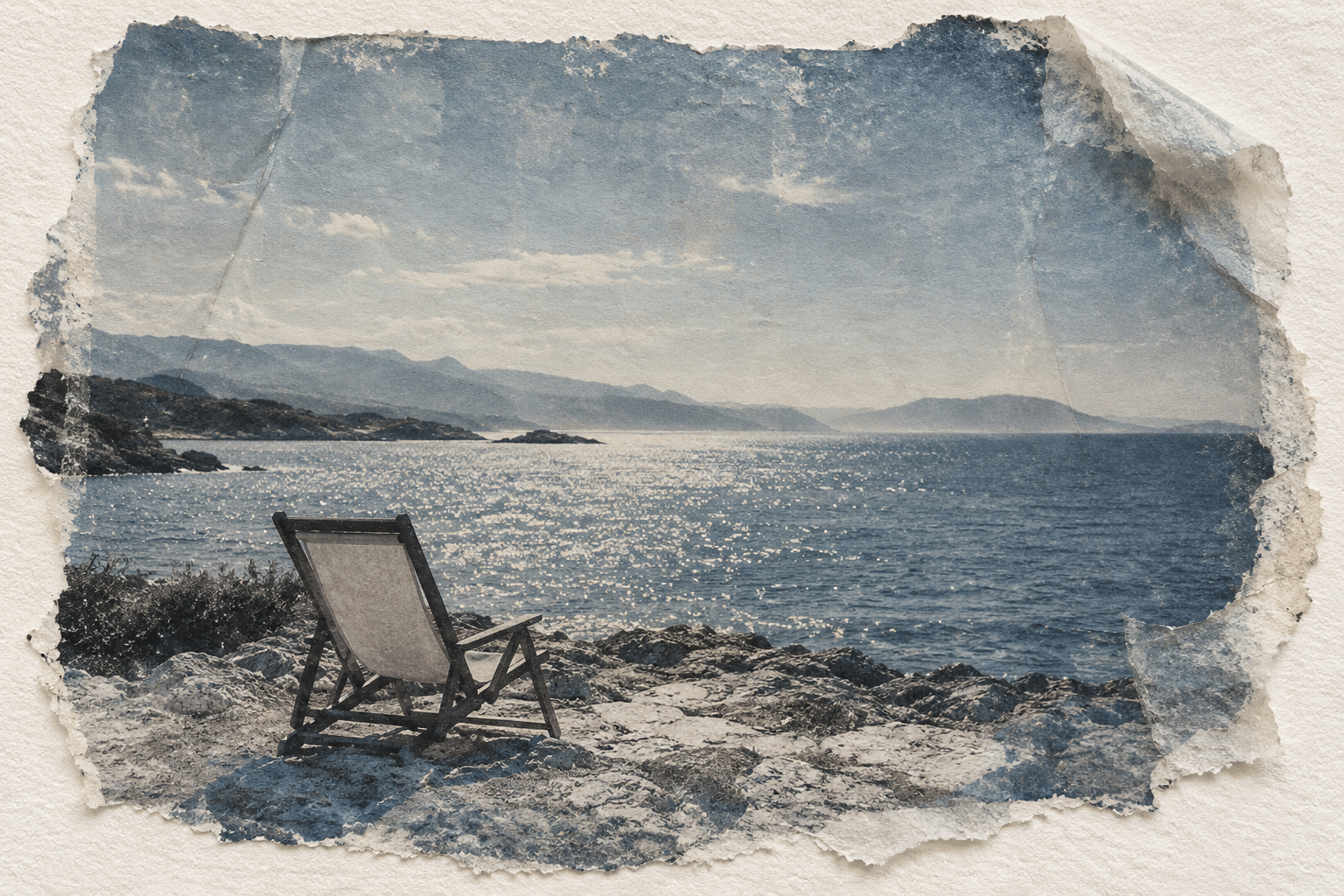
A visual introduction
Select an image for a closer look. Use the thumbnails, arrow keys or a swipe to compare examples. Zoom in to inspect details, or share the image that inspires you.
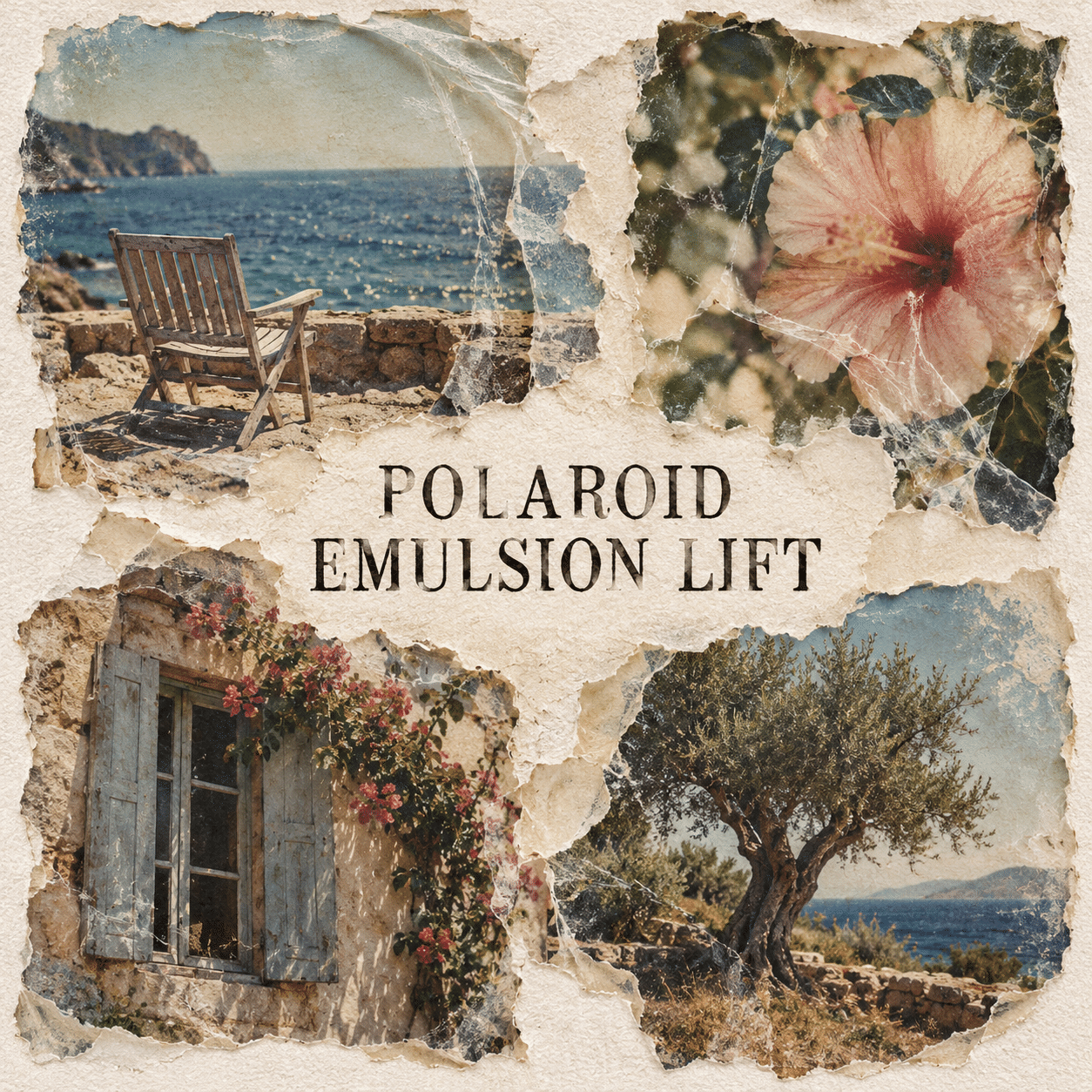
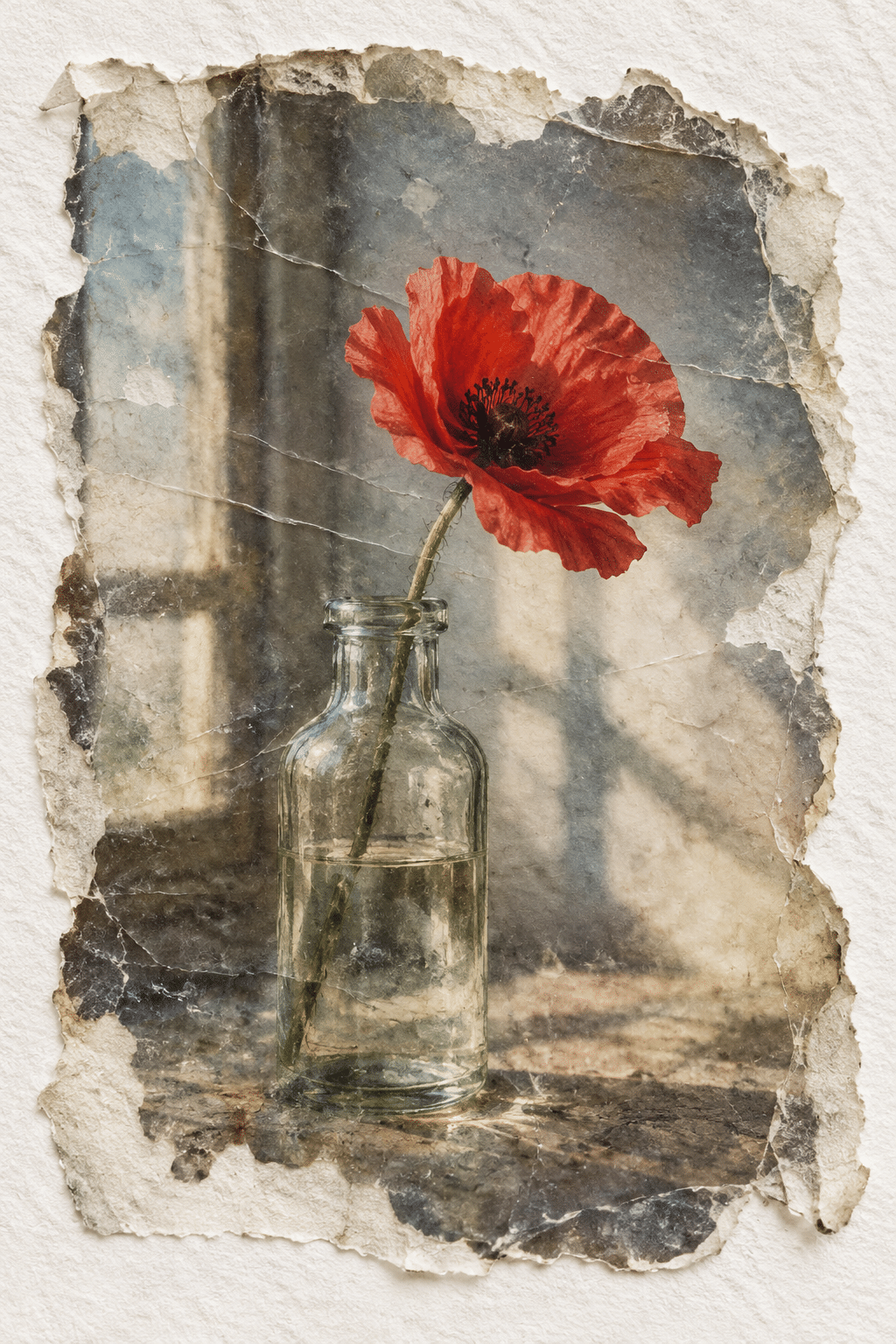
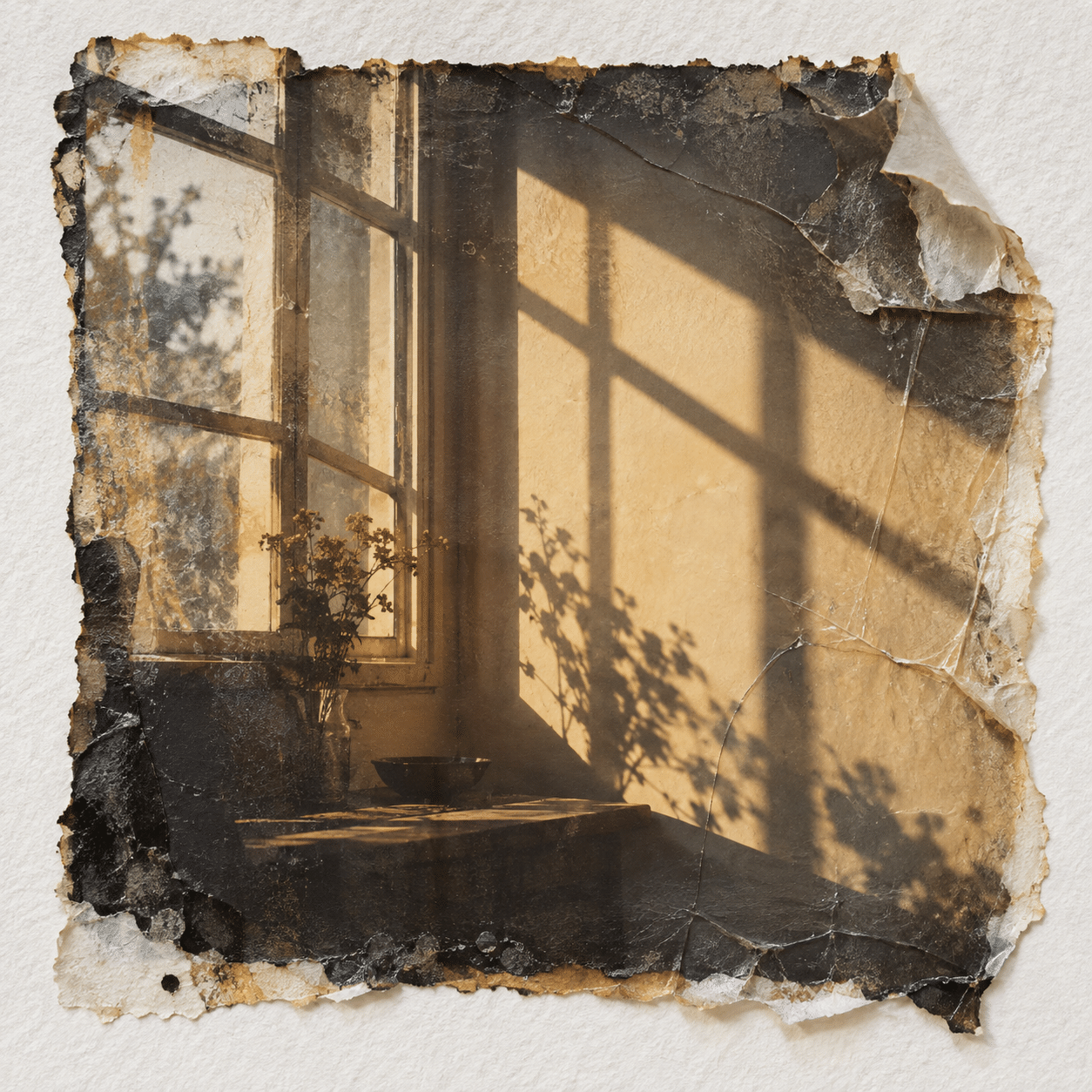
Creative toolbox · take this style further
Choose an input and a destination. Search sends your words to the chosen site; Copy & open puts them on your clipboard to paste there.
Create with AI
Turn your chosen input into an image prompt or a new creative direction.
ChatGPT
Copy your input and paste it into a ChatGPT conversation or image request.
Copy & open ChatGPT (new tab)Claude · Anthropic
Develop an image prompt or explore the style in a new Claude conversation.
Copy & open Claude · Anthropic (new tab)Midjourney
Paste your input into the Imagine bar on the Create page.
Copy & open Midjourney (new tab)Adobe Firefly
Copy your input, open Firefly, and paste it into the prompt field.
Copy & open Adobe Firefly (new tab)Leonardo.Ai
Copy your input, open Leonardo, and paste it into the generation field.
Copy & open Leonardo.Ai (new tab)Image search
Find visual references. Short, concrete keywords usually work best.
Lexica
Search AI images and prompts using your selected input.
Search with this input Lexica (new tab)Pexels
Search the photo and video library. Short keywords often work best.
Search with this input Pexels (new tab)Pixabay
Search photos, illustrations and other images.
Search with this input Pixabay (new tab)Unsplash
Search photographs using the style name or your own keywords.
Search with this input Unsplash (new tab)Wikimedia Commons
Search photographs, artworks and historical images. Check each file for its source and reuse terms.
Search with this input Wikimedia Commons (new tab)Art & research
Explore artists, collections and the ideas behind a style.
Wikipedia
Search for background reading. A style may not have its own article.
Search with this input Wikipedia (new tab)WikiArt
Copy your input into WikiArt’s search to explore artists and artworks.
Copy & open WikiArt (new tab)Europeana
Paste your keywords into the search to explore European museum, library and archive collections.
Copy & open Europeana (new tab)Inspiration
Discover portfolios and visual ideas from creative communities.
Instagram hashtags
Search a hashtag made from your input: spaces and punctuation are removed. Instagram may require sign-in.
Search with this input Instagram hashtags (new tab)ArtStation
Paste your input into artwork search for concept art, environments, characters and visual development.
Copy & open ArtStation (new tab)Behance
Paste your input into project search for illustration, design and visual storytelling.
Copy & open Behance (new tab)A closer look
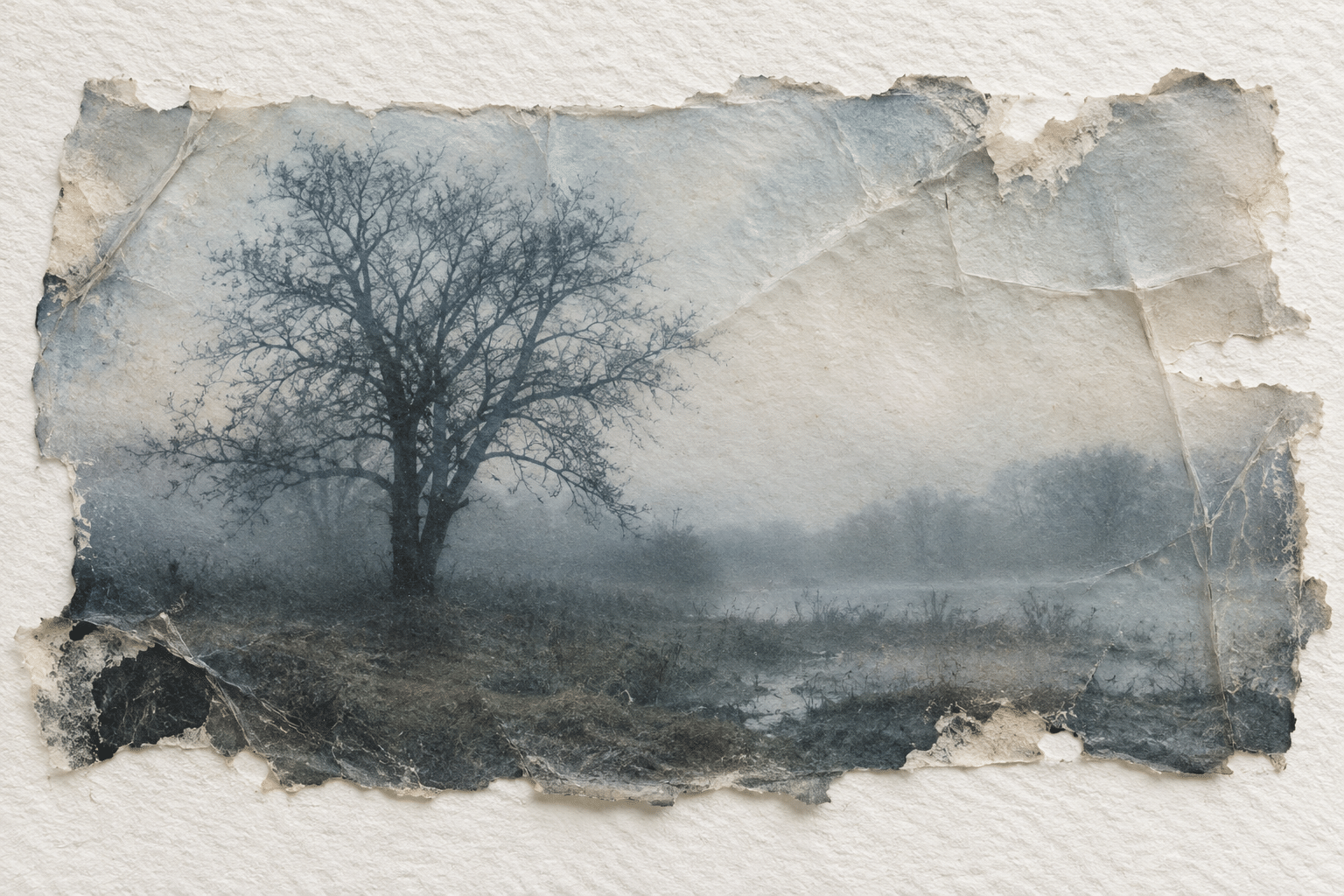
A thin photographic skin lies on paper or another support, with translucent passages, organic boundaries and folds that interrupt the original rectangular picture.
The image leaves its original support
An emulsion lift changes the physical relationship between photograph and support. The image-bearing layer is released and moved, rather than simply copied onto a new sheet. Museum of Latin American Art workshop material presents the process using compatible Polaroid film and watercolor paper. The resulting image can be spread, folded or gently distorted during transfer.
A white instant-photo border is not the defining feature. In a lift, the familiar rigid frame may disappear entirely. The edge of the image itself becomes visible and irregular. That material boundary distinguishes a lift from a digital filter that adds a Polaroid-style border to an otherwise unchanged photograph.
Compatibility comes before technique
Not every instant-film product behaves the same way. The MOLAA workshop specifies compatible film and distinguishes it from Instax; practitioner accounts also describe changes in materials and behavior. Do not assume that instructions for one film generation apply unchanged to another.
For a physical attempt, use instructions matched to the actual product and observe its handling guidance. Temperature, soaking time and layer behavior are process variables, not universal constants. Begin with a photograph you can afford to experiment with, keep a record of the film type and avoid presenting a failed test as evidence that all emulsion lifting is unreliable.
Choose an image that can survive disruption
A clear silhouette, a small number of tonal masses or a strong spatial relationship often remains legible through folds. A bare tree, a window or a single flower can tolerate interruption differently from a densely detailed group portrait. Choose the subject with the transfer in mind rather than treating every photograph as interchangeable raw material.
The original rectangle can still contribute to the composition, but it need not dictate the final shape. An uneven margin may echo a coastline or contrast with a rigid architectural subject. The strongest result gives the distortion a visual role instead of assuming that any torn edge automatically adds emotional depth.
Support and translucency
Watercolor paper provides texture and an absorbent-looking visual field, but the support is not merely a neutral background. Its color can alter the impression of thin passages, and its grain can become visible beneath the layer. Broad unoccupied paper around a small lift makes fragility and scale more apparent.
Folds change density and reflect light differently from flat areas. A doubled passage may become darker or less transparent; a lifted edge can cast a tiny shadow. These are useful compositional events. Arrange them so the viewer can still understand where the image lies and how the support participates.
Between photograph and object
The technique can connect recognizable photographic space with the tactile presence of a handmade object. It is useful for artist books, intimate studies and experiments with memory, damage or transformation. Those meanings come from the chosen image and treatment; the material does not automatically symbolize nostalgia or loss.
A lift is also distinct from a simple ink transfer or a digitally displaced texture. Accurate descriptions help viewers understand what they are seeing. If the work is a simulation, say so. If it is a physical transfer, document the actual film, support and process when those details matter to interpretation.
Read these examples as interpretations
The gallery presents AI-generated studies of possible emulsion-lift appearances. They are not photographs of real transferred film. The chair, flower, window and tree examples vary subject and geometry while maintaining a thin image-bearing surface, irregular perimeter and visible paper.
For your own composition, compare a smooth transfer, a lightly wrinkled one and a version with a deliberate folded corner. Ask which change supports the subject. Preserve quiet areas where the photograph remains readable; a whole surface of equally dramatic damage can make the image and the material compete without resolution.
A small poetic detour
Original words from the AOI studio.
Poetry
A Photograph Unfastened
The window leaves its paper wall,
its afternoon a loosened skin.
A fold can bend the light that fell;
a tear lets other weather in.
The room survives, but not quite square—
a place made fragile by its care.
The prompt workshop
Original creative exercises. These prompts create new illustrations, not documentary evidence.
One fragile image
Create an AI interpretation of a seaside chair photograph transferred as a thin irregular emulsion skin onto watercolor paper, slight folds and translucent edges, no rigid instant-film border.
Architecture and a soft edge
Create an imagined emulsion lift of a sunlit window, geometric shadows within an organically torn photographic layer, broad warm paper margin and subtle wrinkles.
A restrained distortion
Create an imagined bare-tree photograph lifted onto textured paper, one folded corner and a few thin translucent passages, quiet blue-gray palette and legible branching silhouette.
A smile from the studio
Jokes
The photograph left its frame and discovered it could wrinkle its own horizon.