
Chinese ink-painting technique
Chinese Finger Painting uses direct contact with fingers and fingernails to shape ink marks. Its expressive range comes from the contrast between broad touches, broken trails and fine accents.
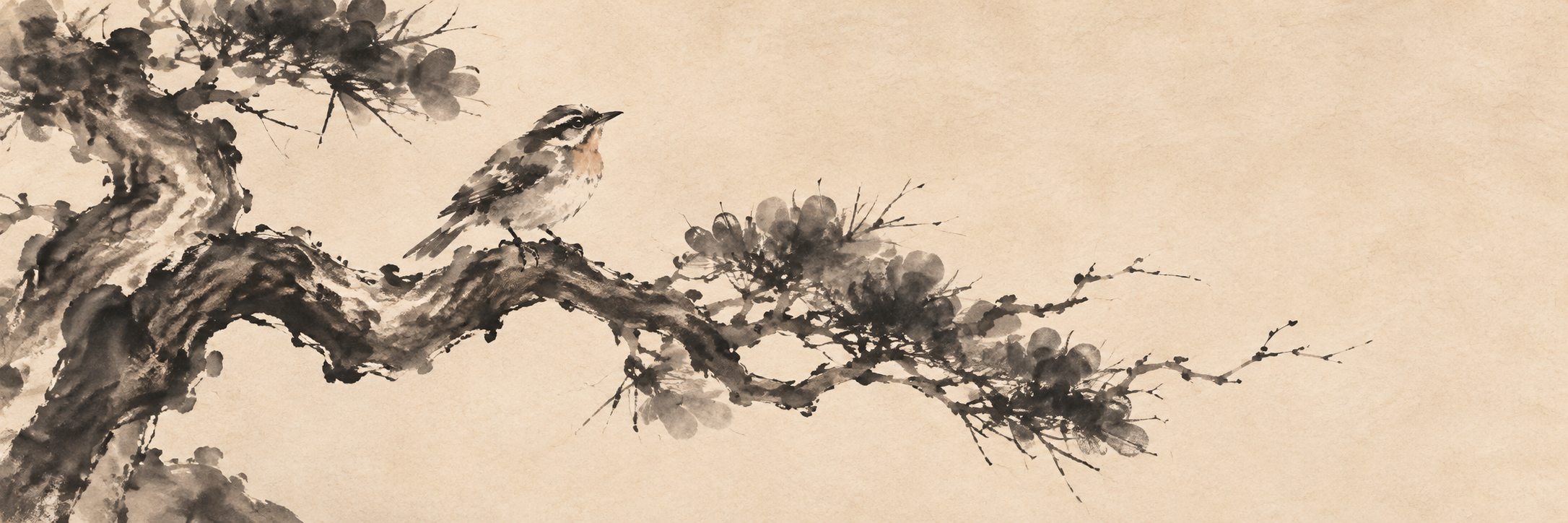
A visual introduction
Select an image for a closer look. Use the thumbnails, arrow keys or a swipe to compare examples. Zoom in to inspect details, or share the image that inspires you.
Creative toolbox · take this style further
Choose an input and a destination. Search sends your words to the chosen site; Copy & open puts them on your clipboard to paste there.
Create with AI
Turn your chosen input into an image prompt or a new creative direction.
ChatGPT
Copy your input and paste it into a ChatGPT conversation or image request.
Copy & open ChatGPT (new tab)Claude · Anthropic
Develop an image prompt or explore the style in a new Claude conversation.
Copy & open Claude · Anthropic (new tab)Midjourney
Paste your input into the Imagine bar on the Create page.
Copy & open Midjourney (new tab)Adobe Firefly
Copy your input, open Firefly, and paste it into the prompt field.
Copy & open Adobe Firefly (new tab)Leonardo.Ai
Copy your input, open Leonardo, and paste it into the generation field.
Copy & open Leonardo.Ai (new tab)Image search
Find visual references. Short, concrete keywords usually work best.
Lexica
Search AI images and prompts using your selected input.
Search with this input Lexica (new tab)Pexels
Search the photo and video library. Short keywords often work best.
Search with this input Pexels (new tab)Pixabay
Search photos, illustrations and other images.
Search with this input Pixabay (new tab)Unsplash
Search photographs using the style name or your own keywords.
Search with this input Unsplash (new tab)Wikimedia Commons
Search photographs, artworks and historical images. Check each file for its source and reuse terms.
Search with this input Wikimedia Commons (new tab)Art & research
Explore artists, collections and the ideas behind a style.
Wikipedia
Search for background reading. A style may not have its own article.
Search with this input Wikipedia (new tab)WikiArt
Copy your input into WikiArt’s search to explore artists and artworks.
Copy & open WikiArt (new tab)Europeana
Paste your keywords into the search to explore European museum, library and archive collections.
Copy & open Europeana (new tab)Inspiration
Discover portfolios and visual ideas from creative communities.
Instagram hashtags
Search a hashtag made from your input: spaces and punctuation are removed. Instagram may require sign-in.
Search with this input Instagram hashtags (new tab)ArtStation
Paste your input into artwork search for concept art, environments, characters and visual development.
Copy & open ArtStation (new tab)Behance
Paste your input into project search for illustration, design and visual storytelling.
Copy & open Behance (new tab)A closer look
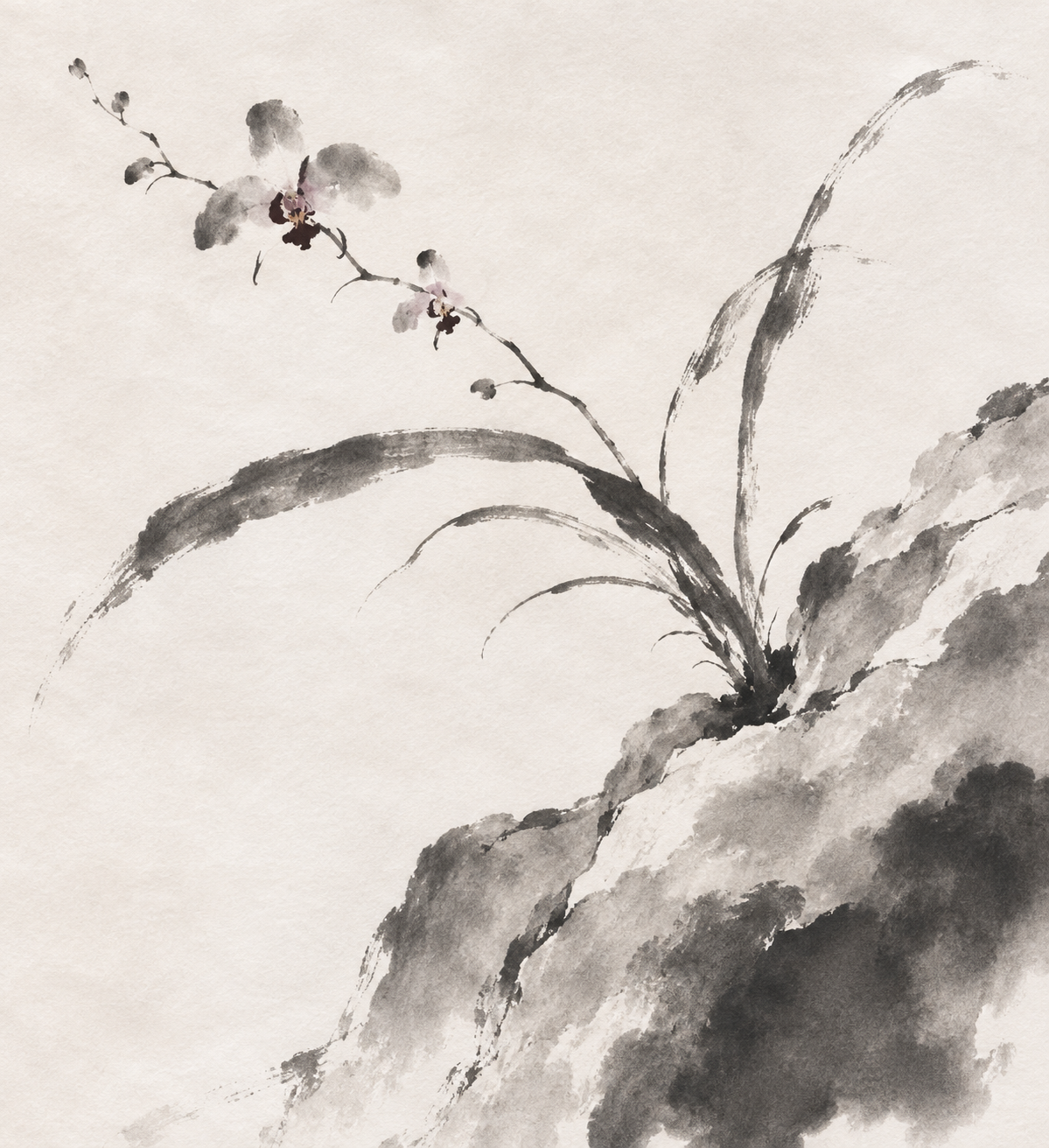
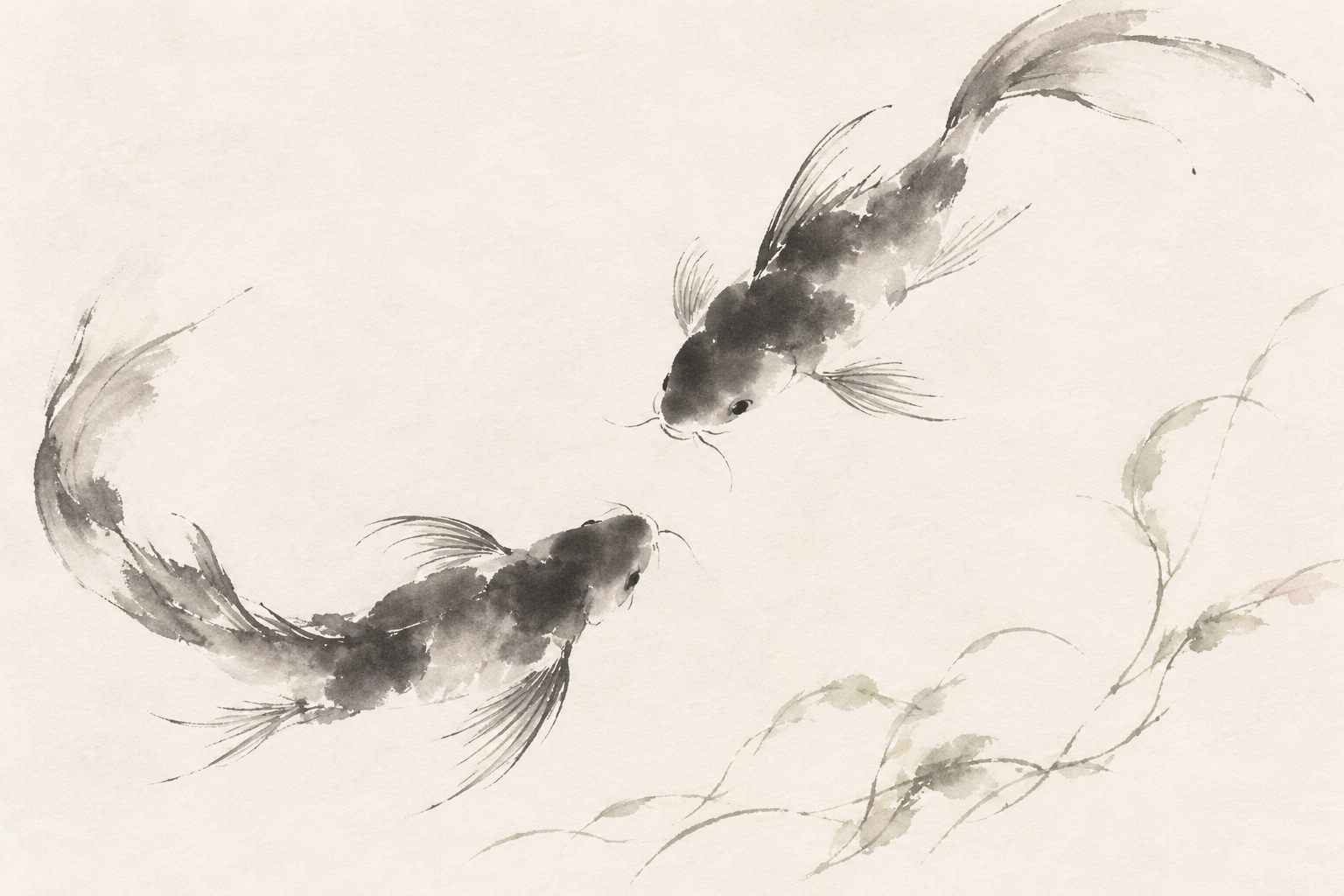
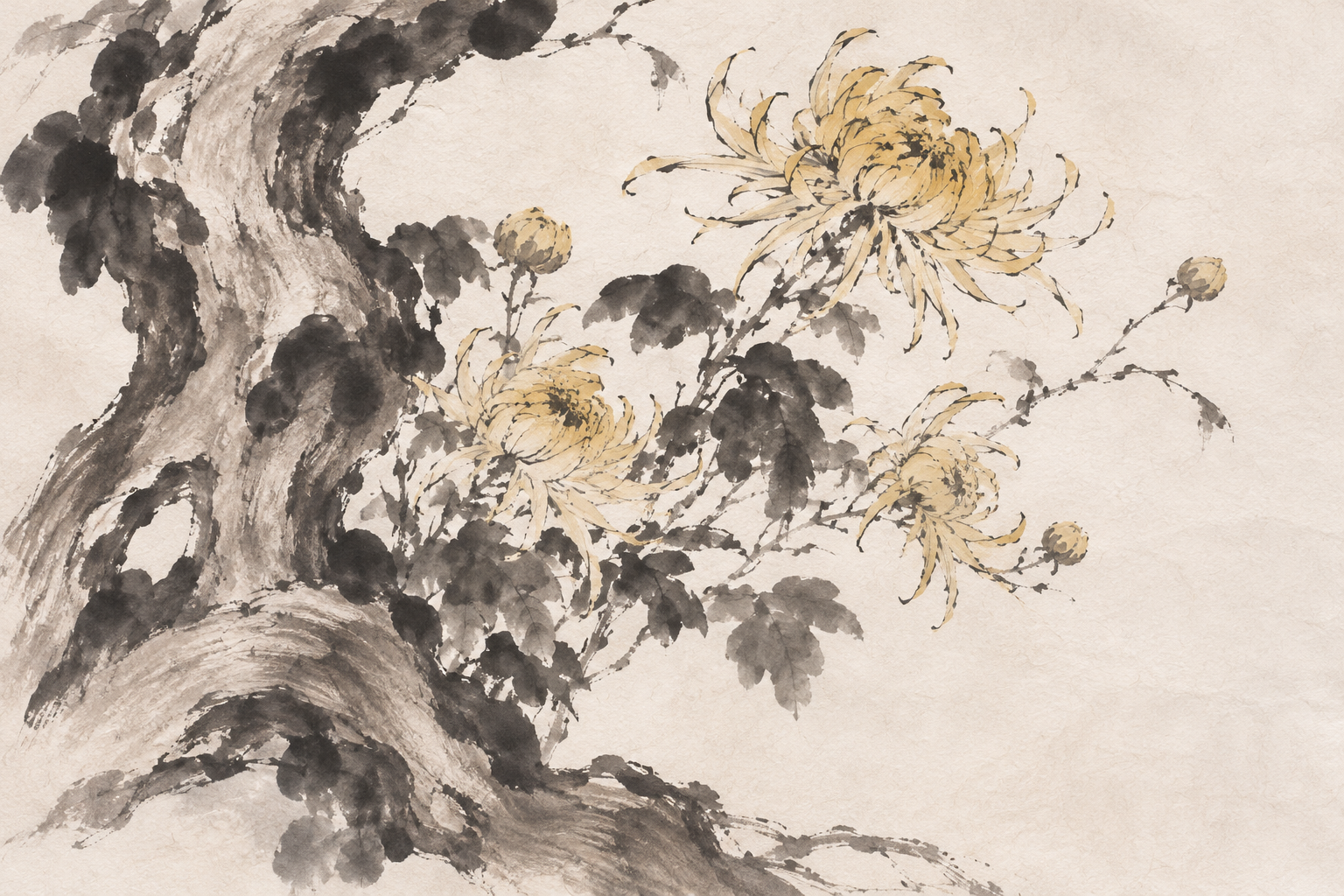
Blunt contact-shaped masses meet thin, irregular nail-like lines; open paper separates forms, and varied ink density gives a small mark substantial weight.
A deliberate painting technique
Chinese finger painting is an established ink-painting practice, not a synonym for children’s finger-paint activities. The Shanghai Museum identifies Gao Qipei’s Autumn Willow as a finger painting in ink and color on paper. Its scene of willows, a sparrow and an egret gives a specific example of the technique serving an observed subject rather than existing merely as a novelty.
Gao is a useful reference, but the entry does not claim that he invented the practice. Museum sources differ on his birth year, so this introduction avoids using a disputed date as an anchor. The practical focus is the relationship between contact, edge and expressive form.
Contact instead of a uniform brush line
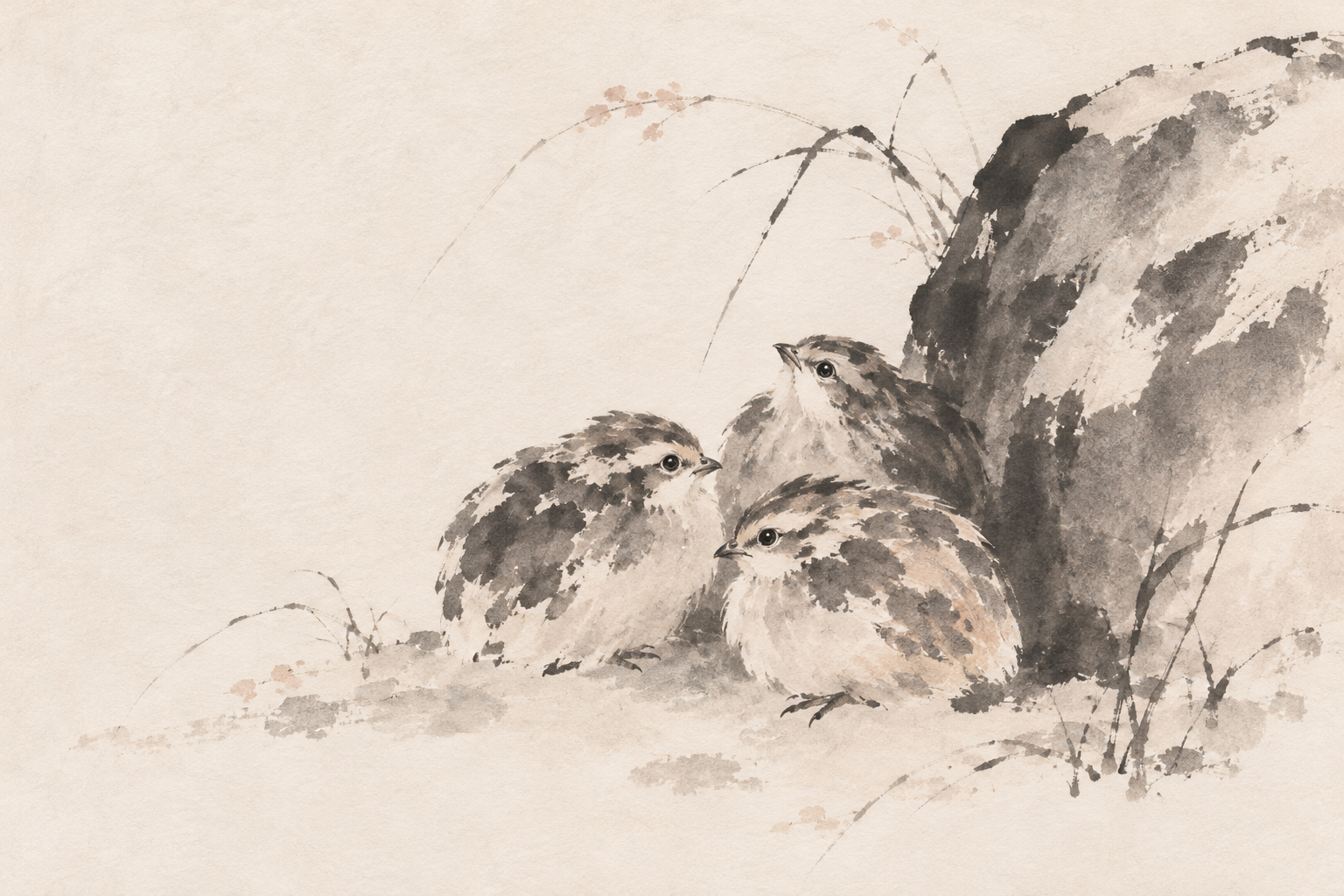
Imagine a small bird assembled from a rounded dark contact, a lighter broken patch and a sharp eye. Its body needs mass; its beak needs direction. If every part is rendered with the same soft stamp, the image loses both anatomy and emphasis. Fine irregular lines can articulate claws, stems or feathers against broader deposits of ink.
These are visual exercises, not instructions that certify a physical finger-painting process. An AI image can suggest a fingertip contact or a scratched-looking line without having been touched by a hand. Captions should preserve that distinction. Equally, an irregular edge alone cannot identify the technique used to make an unfamiliar historical painting.
Let the paper complete the subject
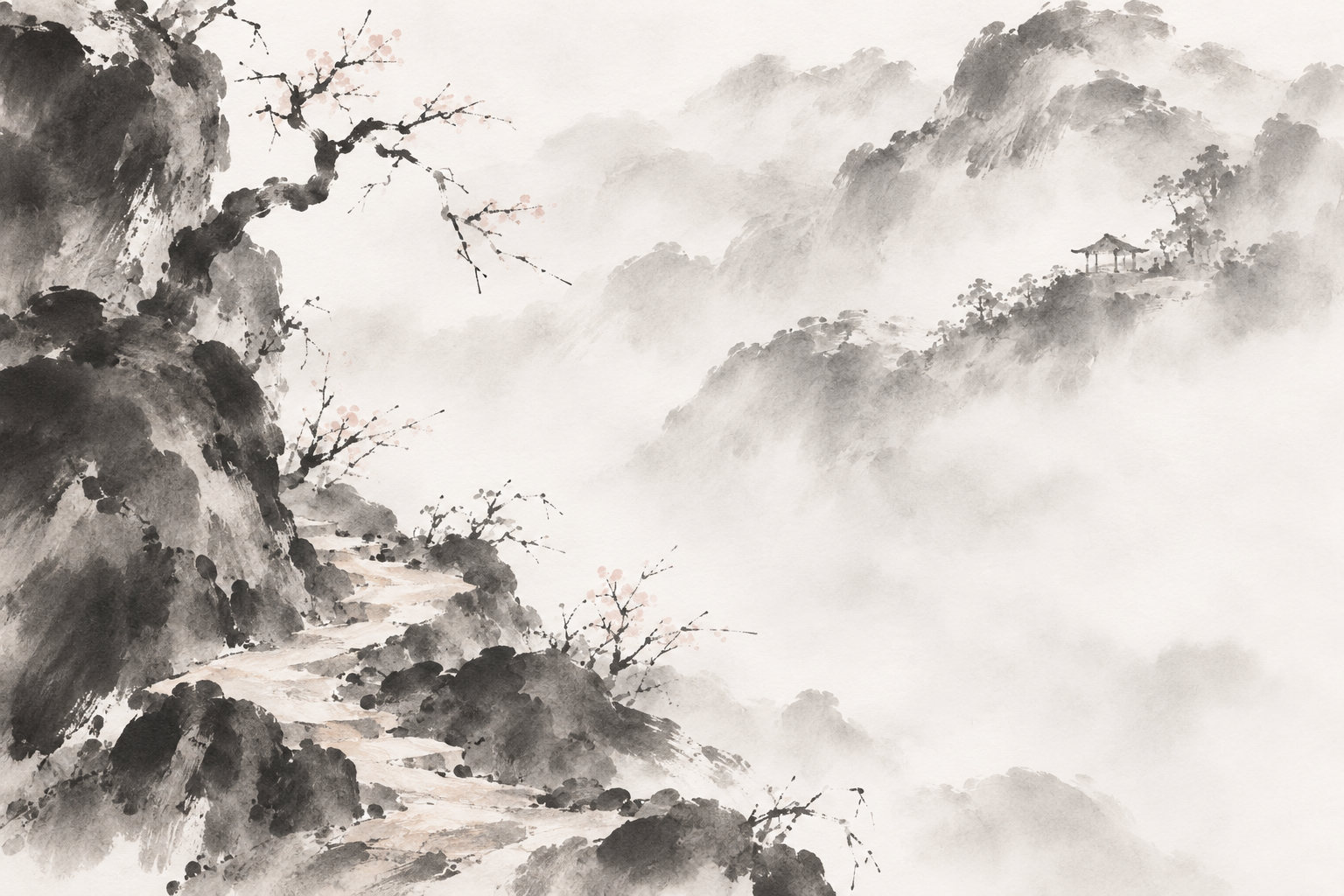
White paper can become water around a fish or mist between slopes. Describe only enough of the boundary to make that interval purposeful. A continuous outline around every form may close the image too tightly; a lost edge can let the subject breathe, provided another mark keeps its structure clear.
Ink density is a compositional decision. Place the strongest dark where it establishes an eye, a rock’s weight or a trunk’s bend. Use paler transitions and interrupted trails to lead away from it. Random splashes are less useful than a small set of marks whose size, direction and spacing respond to the subject.
Five different problems to explore
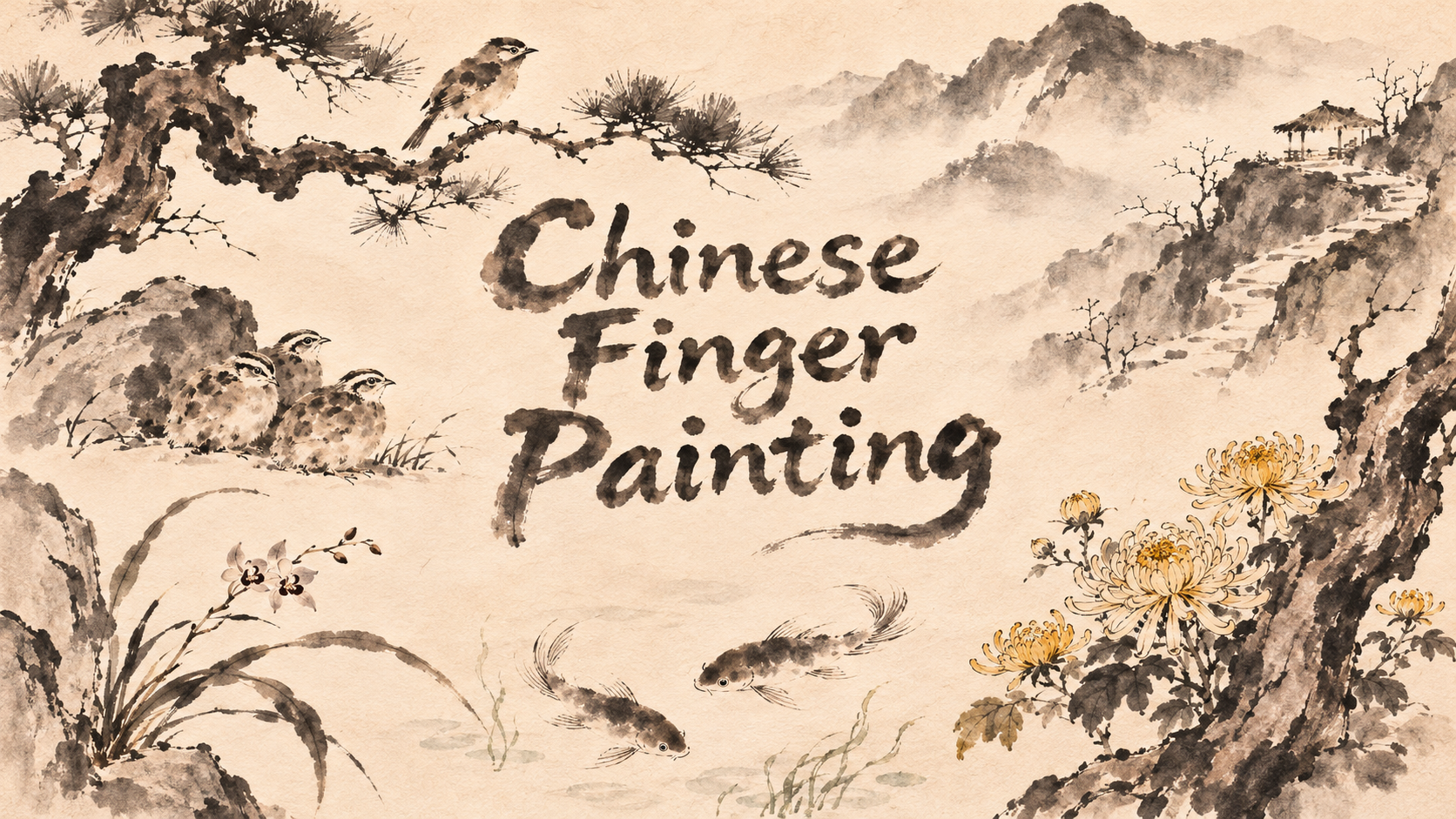
The planned examples test rounded quail bodies, a mountain path, an orchid, swimming fish and chrysanthemums against an old trunk. Each asks the marks to do different work: cluster, recede, spring, float or branch. A restrained color note may help, but it should not disguise weak tonal structure.
For a digital study, specify contact-shaped masses and broken fine accents rather than merely requesting ‘finger-painted texture.’ Review the subject at thumbnail size, then inspect the edges closely. Avoid invented seals or signatures. The result should teach a way of organizing marks without pretending to reproduce a named artist’s hand.
Positive editorial perspective
AOI editorial perspective (AI-authored). The contact-based vocabulary encourages a productive economy. A broad touch supplies weight while one fine accent makes it specific. In a well-composed study, paper, density and edge all contribute to the subject, allowing a few marks to feel more alive than a fully enclosed outline.
Negative editorial perspective
AOI editorial perspective (AI-authored). Digital imitations often confuse the technique with random blotting or repetitive fingerprint stamps. That makes animals lumpy and plants mechanically patterned. Improve the underlying shape relationships and vary the scale of contact marks; roughness cannot compensate for an unclear focal point or incoherent anatomy.
Neutral editorial perspective
AOI editorial perspective (AI-authored). Chinese finger painting is a physical technique with a documented historical practice. The planned AOI images are digital interpretations of selected visual characteristics. They can support discussion of contact, edges and composition, but cannot demonstrate manual technique or authenticate a painting’s method of manufacture.
A small poetic detour
Original words from the AOI studio.
Poetry
The brush lies quiet at the paper’s edge.
A small dark touch becomes a bird’s round breast.
A broken trail turns upward into grass;
one pointed mark refuses it its rest.
The water has no ink, yet holds two fish.
The mountain opens where the fingers cease.
A roughened line can carry an old trunk;
a patch of untouched paper offers peace.
The hand withdraws. Its pressure still remains,
a weight, a pause, a direction in the white.
The bird needs only one attentive eye
to keep the empty garden in its sight.
The prompt workshop
Original creative exercises. These prompts create new illustrations, not documentary evidence.
Three quail, few marks
Three small quail beside a rock, original digital interpretation of Chinese ink finger painting, rounded contact-shaped bodies, irregular dragged ink patches, a few fine nail-like legs and clear eye accents, generous unpainted paper, no text or seals.
Preserve distinct bodies and anatomy; avoid repeated identical stamps.
Make mist from untouched paper
An original mountain path with a distant shelter, Chinese finger-painting-inspired ink study, broad broken masses, fine angular branches and large paper reserves suggesting mist, economical monochrome, no signatures.
The blank intervals must connect the spatial layers rather than read as accidental holes.
Change the mark’s scale
Two fish and sparse waterweed, original digital ink study using fingertip-like body masses and fine irregular fin lines, one dark focal accent, open paper as water, no visible hands or tools, no text.
Compare the broad fish bodies with the narrow weed filaments; keep their roles different.
A smile from the studio
Jokes
Penny tried to make a quail with twelve identical digital fingerprints. She produced a very persuasive bunch of grapes. Removing nine marks helped. One sharp eye helped more. Simplex then tried to contribute directly to the paper, but Penny pointed out that paw painting would require a separate database entry—and she was not opening another batch.
Sources and further exploration
Shanghai Museum — Gao Qipei’s Autumn Willow, identified as finger painting in ink and color