
Photographic field
Astrophotography records celestial subjects through accumulated light. Night landscapes, lunar details and deep-sky images require different choices about scale, exposure, tracking and interpretation.
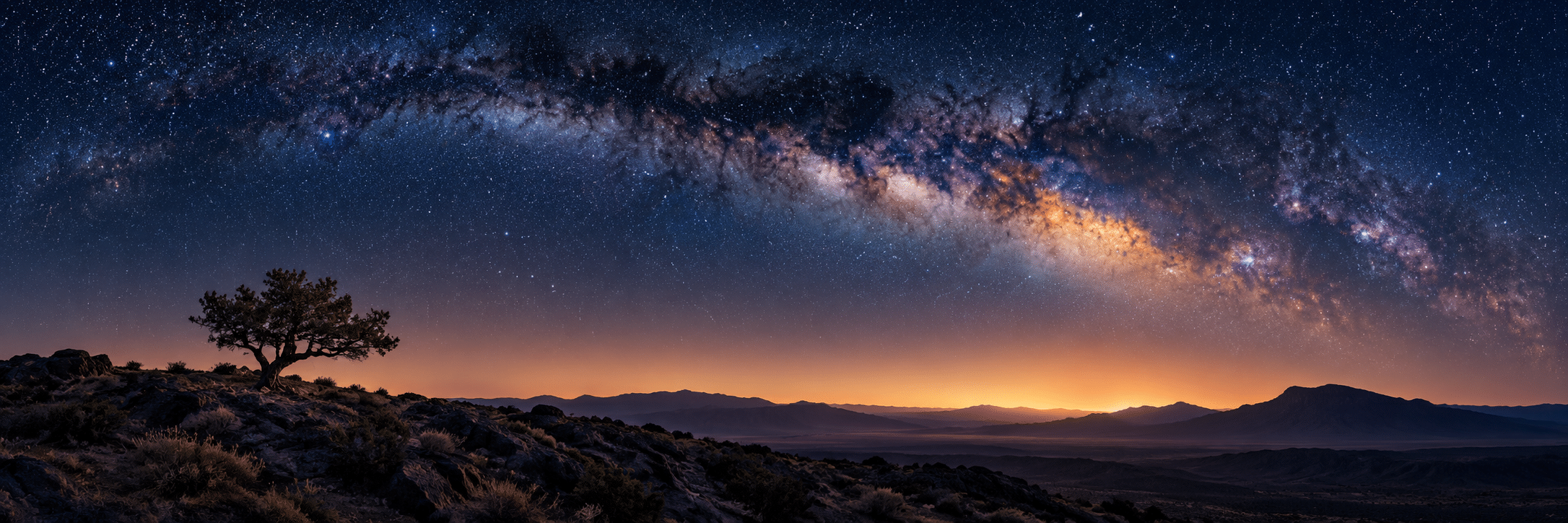
A visual introduction
Select an image for a closer look. Use the thumbnails, arrow keys or a swipe to compare examples. Zoom in to inspect details, or share the image that inspires you.
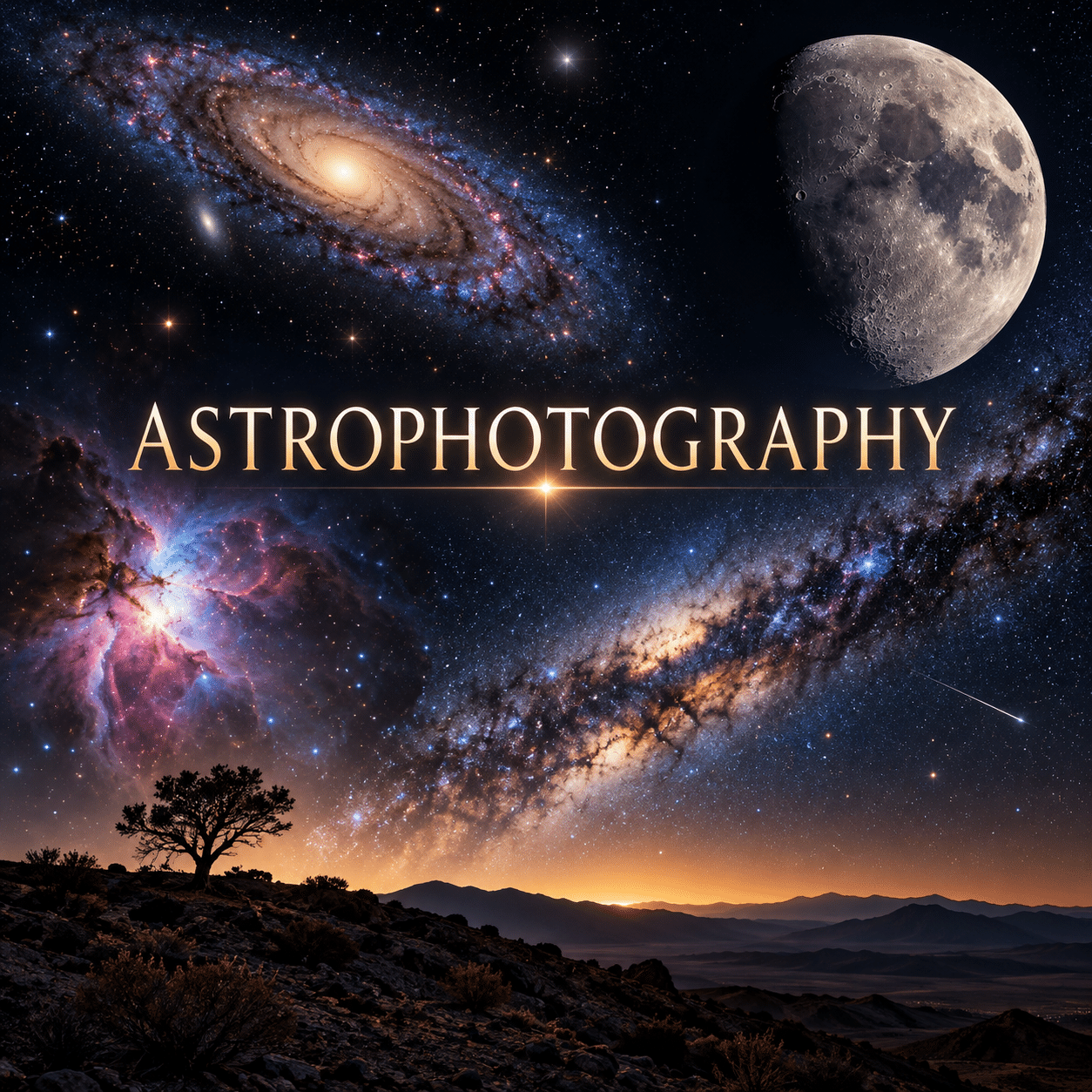
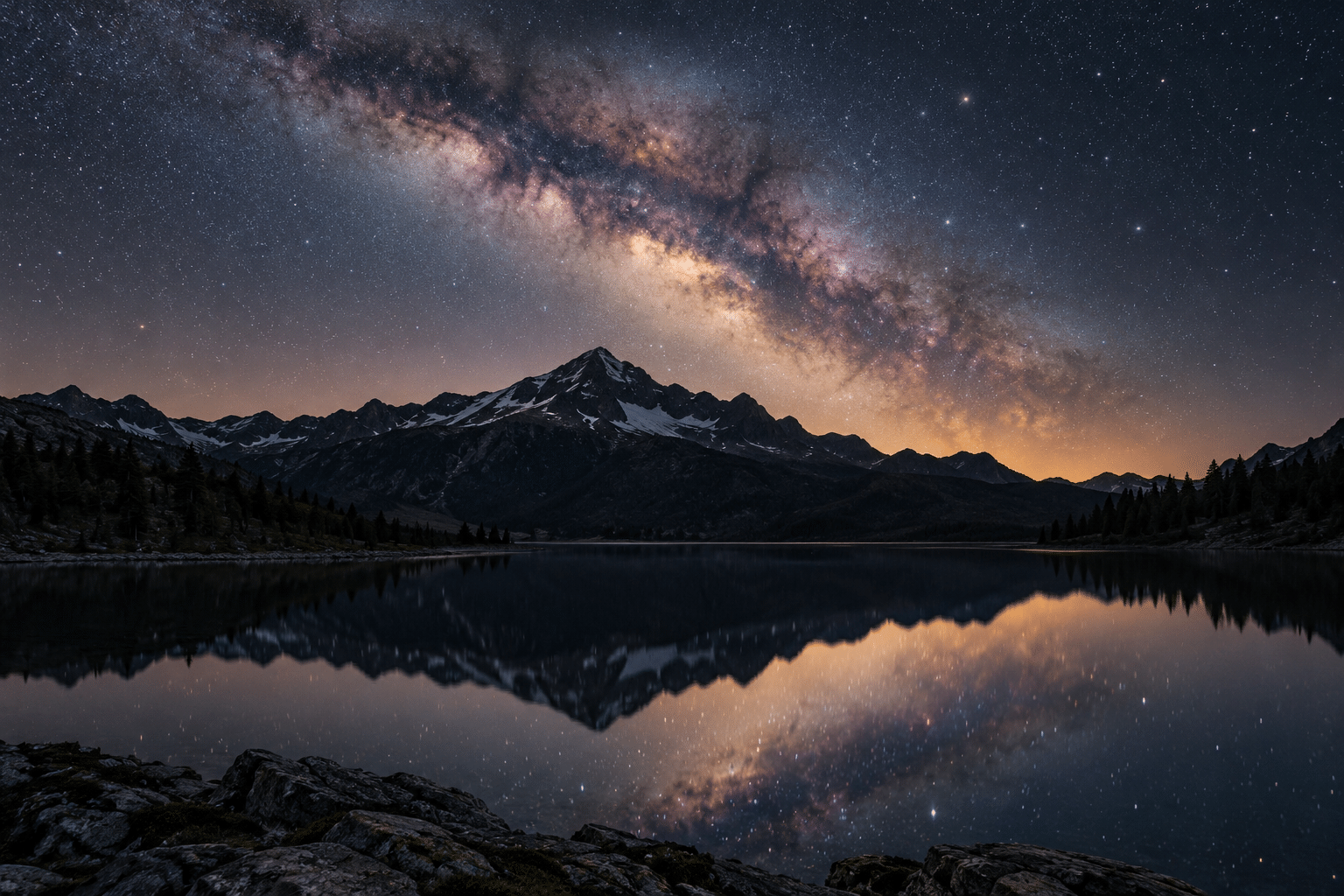
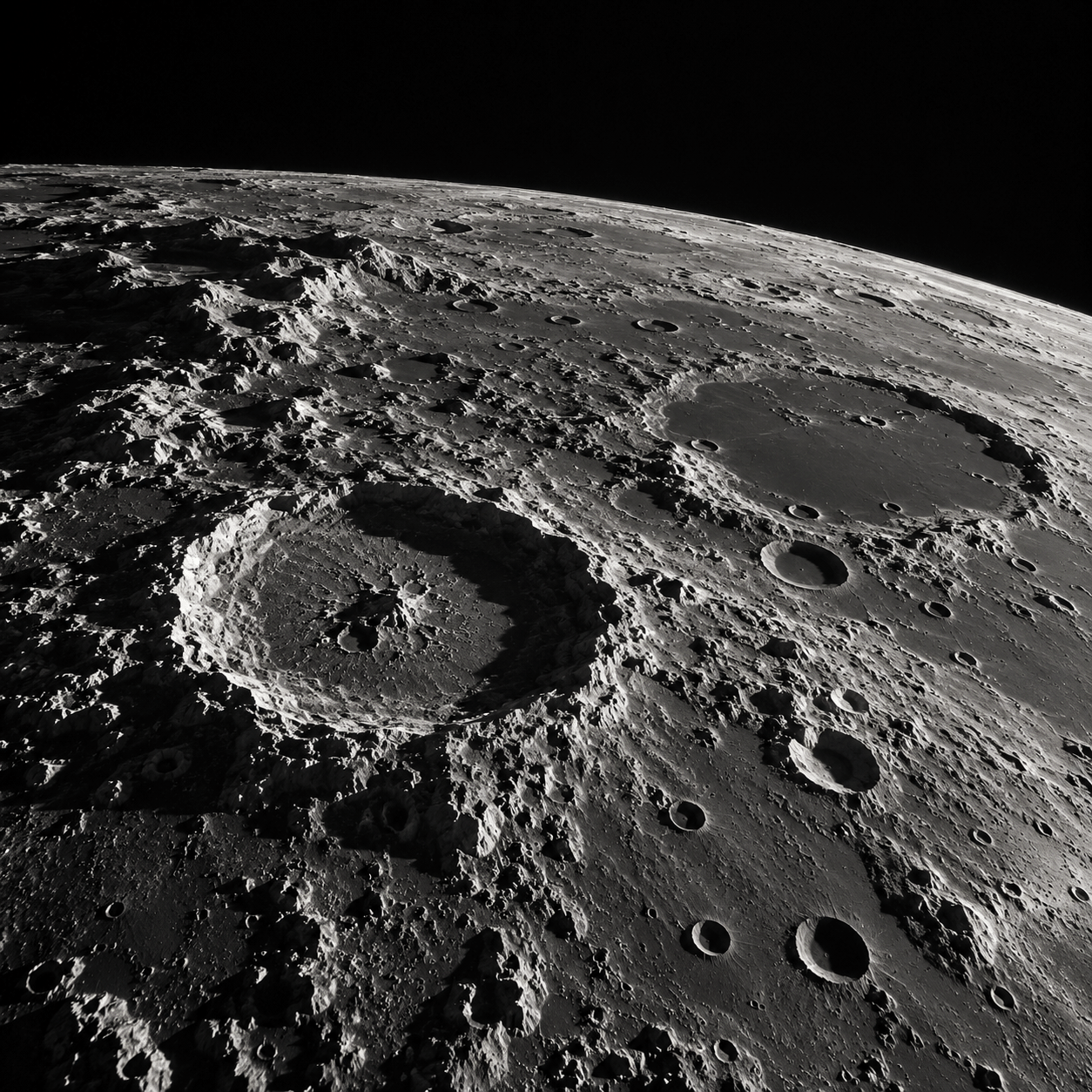


Creative toolbox · take this style further
Choose an input and a destination. Search sends your words to the chosen site; Copy & open puts them on your clipboard to paste there.
Create with AI
Turn your chosen input into an image prompt or a new creative direction.
ChatGPT
Copy your input and paste it into a ChatGPT conversation or image request.
Copy & open ChatGPT (new tab)Claude · Anthropic
Develop an image prompt or explore the style in a new Claude conversation.
Copy & open Claude · Anthropic (new tab)Midjourney
Paste your input into the Imagine bar on the Create page.
Copy & open Midjourney (new tab)Adobe Firefly
Copy your input, open Firefly, and paste it into the prompt field.
Copy & open Adobe Firefly (new tab)Leonardo.Ai
Copy your input, open Leonardo, and paste it into the generation field.
Copy & open Leonardo.Ai (new tab)Image search
Find visual references. Short, concrete keywords usually work best.
Lexica
Search AI images and prompts using your selected input.
Search with this input Lexica (new tab)Pexels
Search the photo and video library. Short keywords often work best.
Search with this input Pexels (new tab)Pixabay
Search photos, illustrations and other images.
Search with this input Pixabay (new tab)Unsplash
Search photographs using the style name or your own keywords.
Search with this input Unsplash (new tab)Wikimedia Commons
Search photographs, artworks and historical images. Check each file for its source and reuse terms.
Search with this input Wikimedia Commons (new tab)Art & research
Explore artists, collections and the ideas behind a style.
Wikipedia
Search for background reading. A style may not have its own article.
Search with this input Wikipedia (new tab)WikiArt
Copy your input into WikiArt’s search to explore artists and artworks.
Copy & open WikiArt (new tab)Europeana
Paste your keywords into the search to explore European museum, library and archive collections.
Copy & open Europeana (new tab)Inspiration
Discover portfolios and visual ideas from creative communities.
Instagram hashtags
Search a hashtag made from your input: spaces and punctuation are removed. Instagram may require sign-in.
Search with this input Instagram hashtags (new tab)ArtStation
Paste your input into artwork search for concept art, environments, characters and visual development.
Copy & open ArtStation (new tab)Behance
Paste your input into project search for illustration, design and visual storytelling.
Copy & open Behance (new tab)A closer look
Dark space, point-like stars, luminous structures and a controlled relationship between sky and foreground give astronomical images their visual hierarchy.
Several practices share one name
A photograph of a crescent Moon above a city is not made in the same way as a detailed nebula image. Night landscapes combine terrestrial composition with the sky; lunar and planetary work seeks small bright details; deep-sky imaging gathers faint structure over time. Begin by choosing which problem you want to solve. A dramatic sky does not remove the need for a clear subject.
NASA’s beginner guidance emphasizes stability, controlled focus and exposure rather than a particular expensive camera. Those principles remain useful across equipment types. A steady support and an inspected test image can matter more than a complicated list of settings. The aim is to record light intentionally, not to assume that darkness calls for the longest possible exposure.
Compose the darkness
Treat empty sky as part of the design. A low ridge can establish scale without dividing the frame in half; a single tree can provide a silhouette, while a crowded foreground may compete with the stars. Look for a deliberate route from the nearest shape to the celestial subject. An image with every corner equally bright often loses the sense of night.
For a closer astronomical view, distinguish the main luminous structure from surrounding stars. Preserve dark intervals and avoid forcing every faint feature to equal prominence. A small bright core may be allowed to lead the eye, but large clipped white areas can erase the very detail that makes the subject interesting.
Exposure changes the kind of image
Earth’s rotation changes the apparent position of stars during an exposure. A fixed camera can render them as short points or deliberate trails depending on the exposure, focal length and viewing conditions. Tracking equipment follows the sky, which creates a different problem for a stationary foreground. There is no single shutter time that guarantees sharp stars with every camera and lens.
Inspect focus and star shape at useful magnification. Separate camera movement, missed focus and intentional motion before changing the processing. When combining multiple frames, describe the method accurately. A tracked sky blended with a separately exposed landscape is a composite, even when both were photographed from the same place.
Colour is a translation with responsibilities
NASA explains that space cameras often record separate filtered monochrome images which can later be combined into colour products. Some filters isolate light outside human vision. A colour image therefore needs context: natural-colour presentation, enhanced colour and wavelength mapping answer different questions.
For personal photography, make tonal and colour choices that support the captured information. Strong processing can reveal faint structure, but adding a nebula or moving stars creates a different kind of artwork. Keep an original file and a record of major processing steps. A compelling image and an honest description should reinforce each other.
Read the new gallery carefully
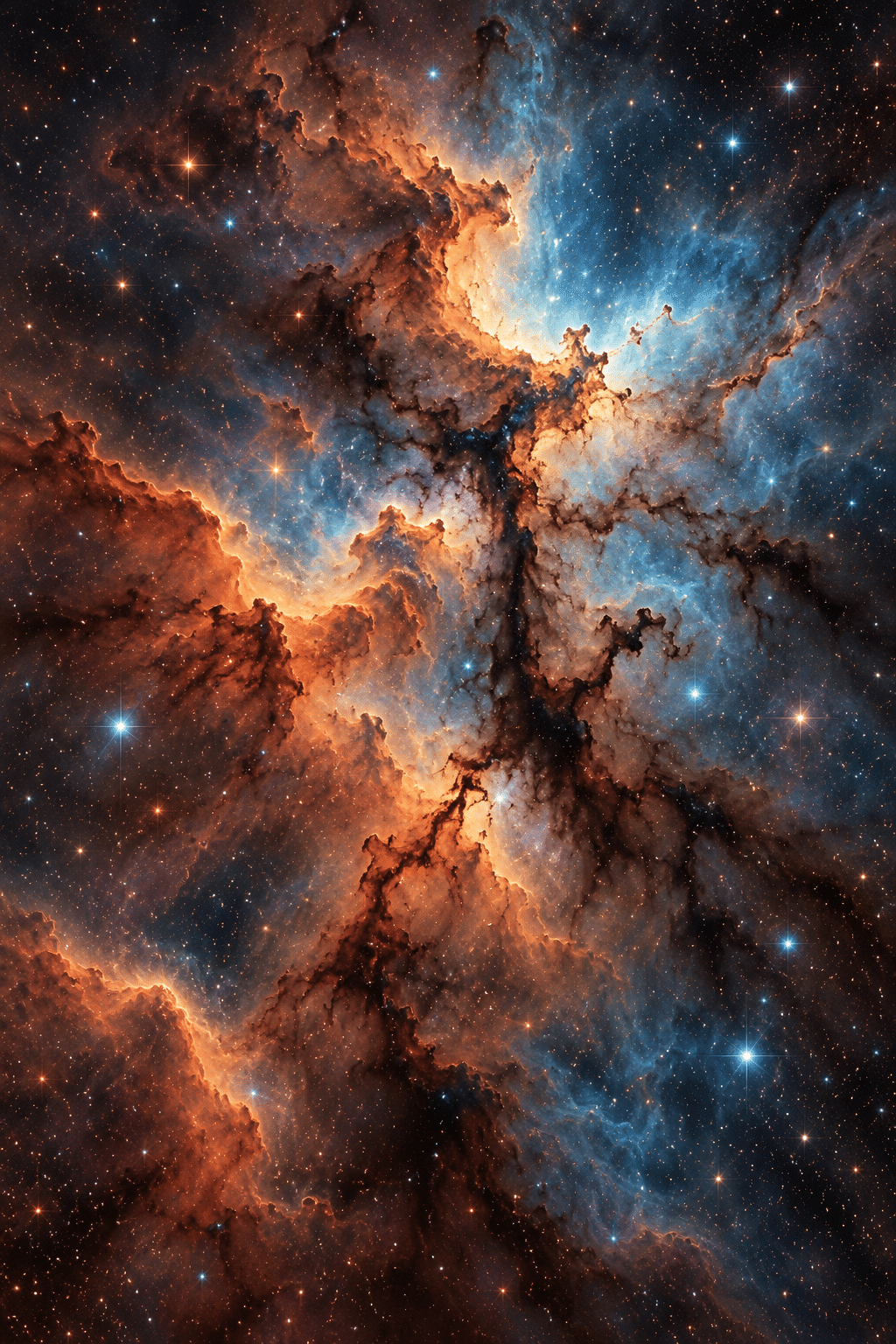
The new night-landscape study explores a sparse foreground beneath a luminous star band. A lunar interpretation concentrates on light across cratered relief, while the deep-sky composition uses dark lanes to separate glowing cloud structures. The banner and collage introduce this range without pretending that all subjects share one scale or exposure.
These are AI-generated visual interpretations, not telescope observations or scientifically accurate star charts. They demonstrate composition and atmosphere. Do not use their star positions, crater arrangements or cloud colours as astronomical evidence. For documentary work, the actual observation and its provenance are essential parts of the image.
A useful first exercise
Choose one accessible night subject and make a small set of controlled tests, changing one variable at a time. Compare the results for focus, movement, highlights and foreground clarity before attempting elaborate blending. Record the equipment and settings you actually used rather than borrowing plausible-looking metadata.
Then make two versions of the composition: one with more foreground and one with more sky. Ask which better communicates your subject. A successful astrophotograph is not necessarily the frame with the most stars; it is the one in which light, scale and time have been made intelligible.
A small poetic detour
Original words from the AOI studio.
Poetry
Collected Light
The ridge is nearly lost to night,
the shutter waits where eyes would leave.
A little light arrives, then more—
enough to hold, not to deceive.
Keep darkness where the darkness lies;
let patience finish what it sees.
The prompt workshop
Original creative exercises. These prompts create new illustrations, not documentary evidence.
A quiet night landscape
Create an AI-generated night-sky interpretation above a low desert ridge and one small tree. Restrained dark foreground, luminous star band, believable photographic atmosphere. Do not present it as a real observation.
Light across the Moon
Create an original lunar-inspired close study with strong grazing light across cratered relief, deep shadow and restrained monochrome tones. An artistic interpretation, not a scientific map.
Faint structures
Create an original deep-sky-inspired image with luminous gas clouds divided by dark lanes, controlled star density and subtle colour separation. No labels or false observational metadata.
A smile from the studio
Jokes
The camera asked for more light. The universe suggested waiting.