
AOI creative concept · Thread and tactile surfaces
Imagine a woven surface in which a few loops become transparent glass-like forms while the remaining fibers stay matte.
An AOI creative concept, not an established historical movement.
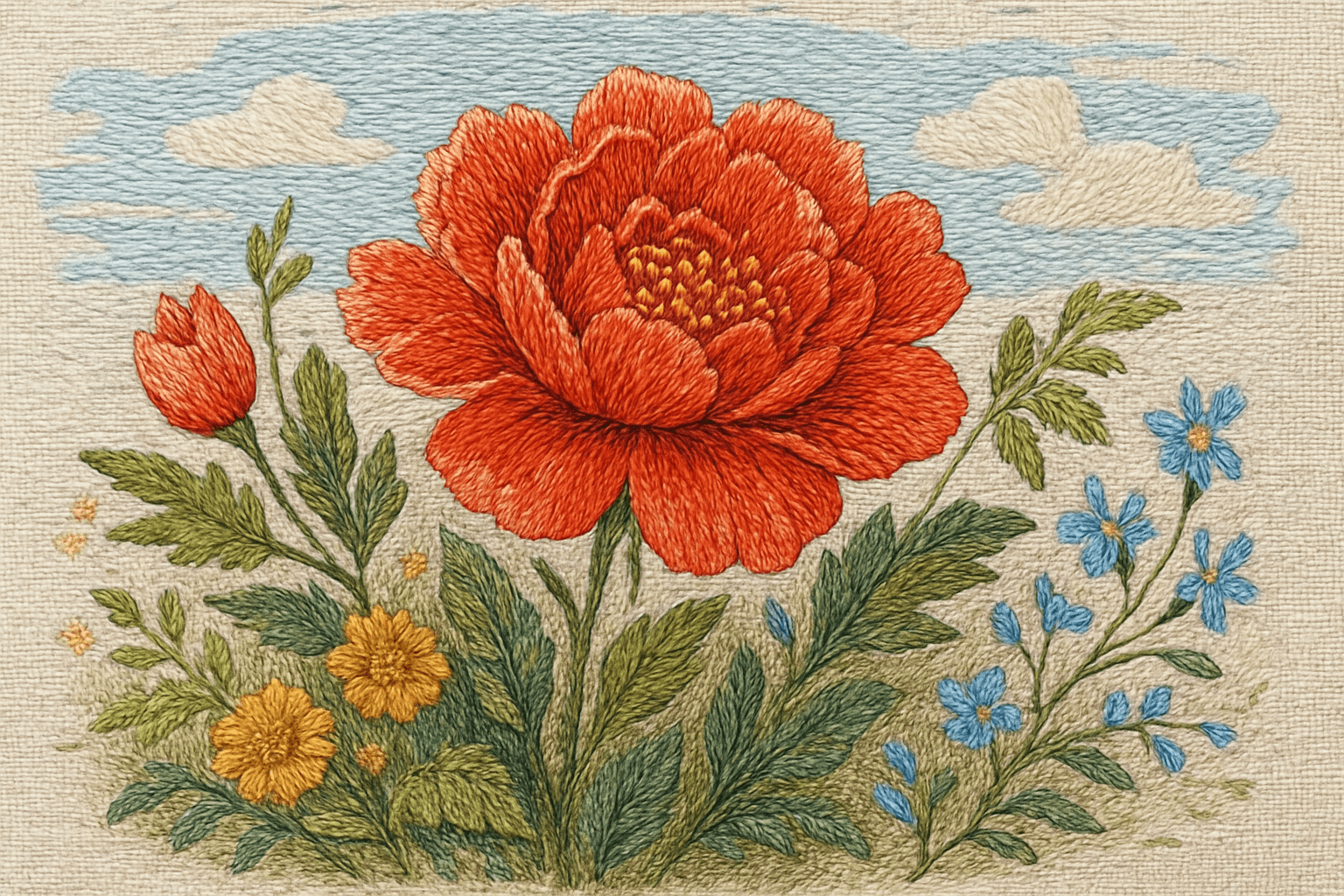
A closer look
Undyed fiber, clear highlights and optional amber; matte thread with glass-like loops. The focal scene: three transparent loops interrupting a coarse woven surface.
Let the material decide
Imagine a woven surface in which a few loops become transparent glass-like forms while the remaining fibers stay matte. The transparent loops should reveal or distort a neighboring strand, making the material change specific and visible.
Construct the surface
Create a close view of a coarse plain weave. Replace three loops near the center with clear rounded forms, keeping their over-under positions consistent with the surrounding thread. Let one dark strand pass behind the clearest loop. Use a broad soft light and a small sharp reflection to distinguish transparency from white paint.
Texture needs a purpose
Turning every loop to glass removes the contrast that makes the change interesting. Preserve the ordinary weave and check the crossings carefully. The picture is an invented material study, not a claim about a practical textile process.
Technique notes
Use one amber-tinted transparent loop at the edge of a nearly monochrome weave, making the neighboring strand appear briefly displaced through it.
When prompting an image model, spell out the rule and visible relationships. The invented style name alone is not a reliable instruction. Compare outputs against the critique above and revise the specific failed relationship.
The prompt workshop
Original creative exercises. These prompts create new illustrations, not documentary evidence.
Start with the defining rule
Create an original illustration of three transparent loops interrupting a coarse woven surface. Imagine a woven surface in which a few loops become transparent glass-like forms while the remaining fibers stay matte. The transparent loops should reveal or distort a neighboring strand, making the material change specific and visible. Use undyed fiber, clear highlights and optional amber; matte thread with glass-like loops. Keep the composition readable, with a clear focal area and quiet surrounding space. No lettering, signatures or watermark.
Build the fuller composition
Create an original Loopglass Weaving composition. Create a close view of a coarse plain weave. Replace three loops near the center with clear rounded forms, keeping their over-under positions consistent with the surrounding thread. Let one dark strand pass behind the clearest loop. Use a broad soft light and a small sharp reflection to distinguish transparency from white paint. Use undyed fiber, clear highlights and optional amber; matte thread with glass-like loops. Preserve the defining constraint: Imagine a woven surface in which a few loops become transparent glass-like forms while the remaining fibers stay matte. Avoid decorative clutter, readable text and watermarks.
Try a deliberate variation
Create an experimental illustration based on this rule: Imagine a woven surface in which a few loops become transparent glass-like forms while the remaining fibers stay matte. The transparent loops should reveal or distort a neighboring strand, making the material change specific and visible. Variation: Use one amber-tinted transparent loop at the edge of a nearly monochrome weave, making the neighboring strand appear briefly displaced through it. Use undyed fiber, clear highlights and optional amber; matte thread with glass-like loops. Make the changed relationship unmistakable while keeping supporting details restrained. No captions, signatures or watermark.
Look closer
Explore the image gallery
Select an image to enlarge it. Browse with the arrows, and press Escape to return.
Your next inspiration
Discover another art style
Follow a visual thread to the next subject.