AOI creative concept · Paper and printed matter
Cut a clean window through a mundane paper scene and reveal a second, incompatible place behind it.
An AOI creative concept, not an established historical movement.
A closer look
Dusty kitchen gray, field gold and soft green; drawing and cut-paper aperture. The focal scene: a kitchen cupboard opening onto a sunlit field.
The edge sets the rule
Cut a clean window through a mundane paper scene and reveal a second, incompatible place behind it. The aperture must align with one important shape in both scenes, making the transition precise rather than a random collage surprise.
Arrange the paper scene
Draw a quiet kitchen in muted tones and cut out the rectangle of its cupboard door. Behind it place a bright field whose horizon aligns with the kitchen counter. Let the paper edge cast a small shadow into the field. Keep the rest of the room ordinary; one impossible opening has more force when the surrounding objects behave reliably.
Where the illusion weakens
If several unrelated portals compete, close all but one. Check that the shared horizontal line is readable and the cut edge has physical thickness. Avoid calling the second scene a recovered memory of a real person; it is a fictional visual association.
Technique notes
Use a coat pocket as the aperture and align a mountain ridge inside it with the coat's stitched seam.
When prompting an image model, spell out the rule and visible relationships. The invented style name alone is not a reliable instruction. Compare outputs against the critique above and revise the specific failed relationship.
The prompt workshop
Original creative exercises. These prompts create new illustrations, not documentary evidence.
Start with the defining rule
Create an original illustration of a kitchen cupboard opening onto a sunlit field. Cut a clean window through a mundane paper scene and reveal a second, incompatible place behind it. The aperture must align with one important shape in both scenes, making the transition precise rather than a random collage surprise. Use dusty kitchen gray, field gold and soft green; drawing and cut-paper aperture. Keep the composition readable, with a clear focal area and quiet surrounding space. No lettering, signatures or watermark.
Build the fuller composition
Create an original Window Cut Memory composition. Draw a quiet kitchen in muted tones and cut out the rectangle of its cupboard door. Behind it place a bright field whose horizon aligns with the kitchen counter. Let the paper edge cast a small shadow into the field. Keep the rest of the room ordinary; one impossible opening has more force when the surrounding objects behave reliably. Use dusty kitchen gray, field gold and soft green; drawing and cut-paper aperture. Preserve the defining constraint: Cut a clean window through a mundane paper scene and reveal a second, incompatible place behind it. Avoid decorative clutter, readable text and watermarks.
Try a deliberate variation
Create an experimental illustration based on this rule: Cut a clean window through a mundane paper scene and reveal a second, incompatible place behind it. The aperture must align with one important shape in both scenes, making the transition precise rather than a random collage surprise. Variation: Use a coat pocket as the aperture and align a mountain ridge inside it with the coat's stitched seam. Use dusty kitchen gray, field gold and soft green; drawing and cut-paper aperture. Make the changed relationship unmistakable while keeping supporting details restrained. No captions, signatures or watermark.
Look closer
Explore the image gallery
Select an image to enlarge it. Browse with the arrows, and press Escape to return.

Your next inspiration
Discover another art style
Follow a visual thread to the next subject.
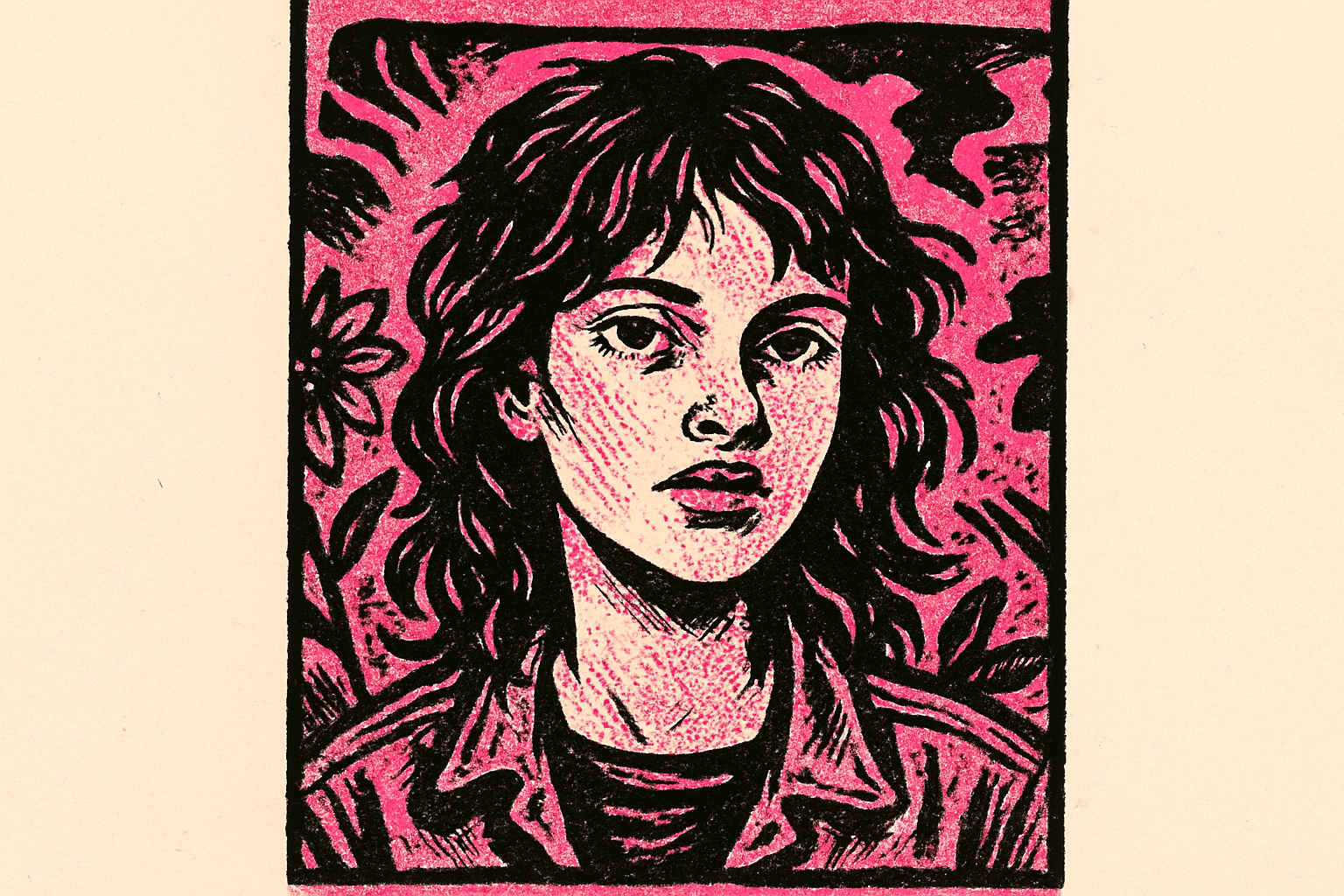
Woodcut: A Celebration in Grain and Grooves
Related visual vocabulary from the existing AOI catalogue.